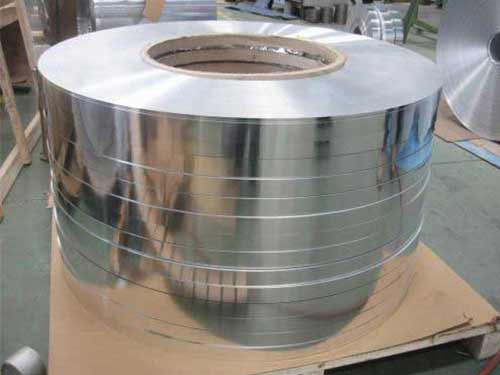
Aluminum Strip And Coil 1050 1060
Aluminum strip and coil 1050 1060 are commercially pure aluminum materials valued for excellent electrical conductivity, thermal transfer, corrosion resistance, and forming performance. With aluminum content of 99.5% or higher, these alloys are widely selected where reliable processing and a clean metallic finish are more important than high structural strength.
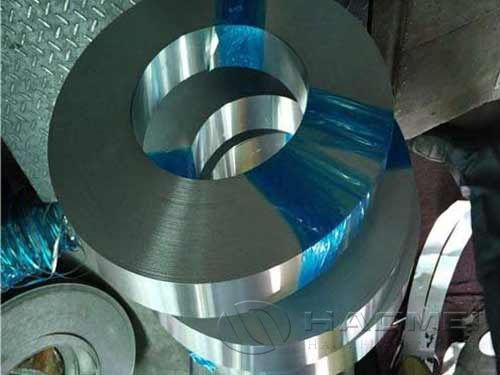
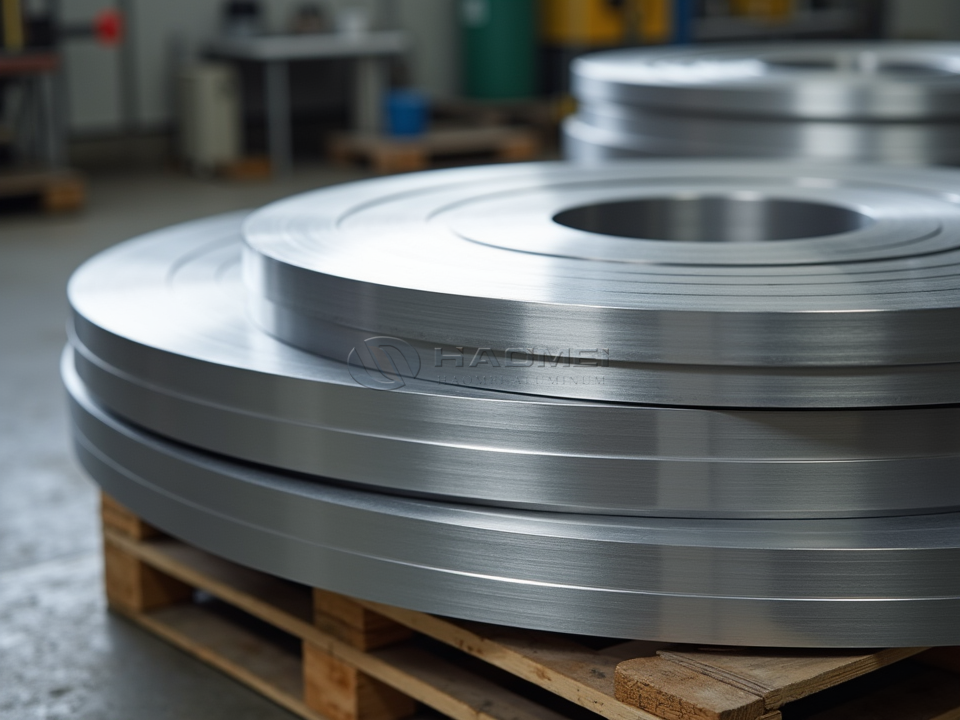
1050 and 1060 aluminum strips are commonly slit from rolled coils into precise widths for transformers, cable shielding, lamp caps, heat-transfer parts, packaging, stamping, and general fabrication. Their low density also helps manufacturers reduce finished-product weight while maintaining dependable durability.
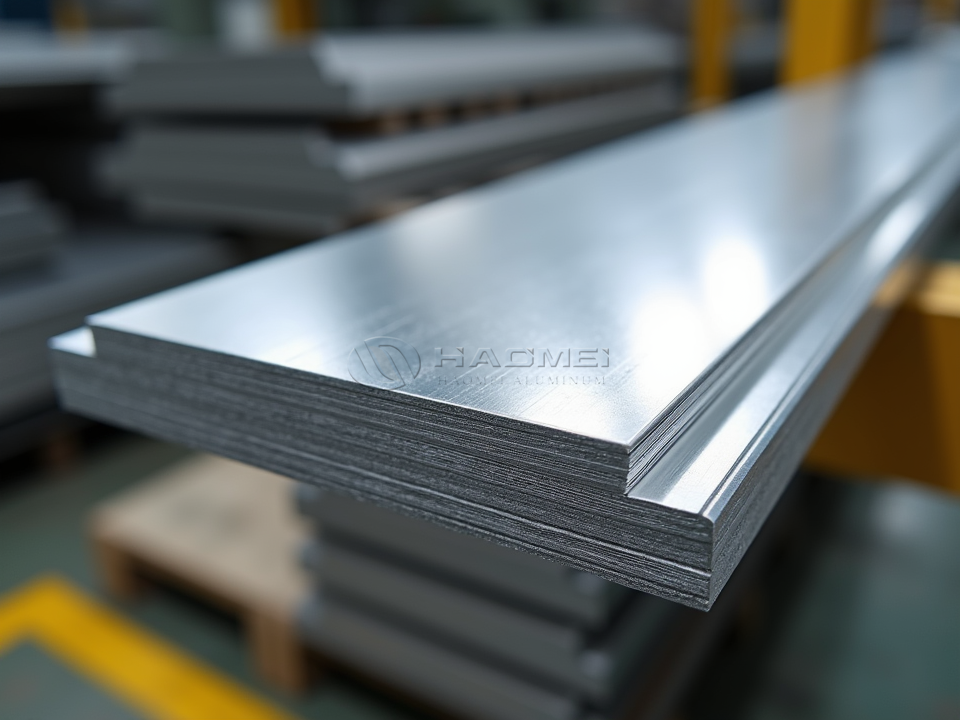
Material Characteristics
The 1xxx series contains very high-purity aluminum with only controlled traces of silicon, iron, copper, manganese, magnesium, zinc, titanium, and other elements. This chemistry gives 1050 and 1060 aluminum coil a soft, ductile structure that responds well to bending, punching, rolling, drawing, and embossing.
1060 contains slightly more aluminum than 1050, providing marginally better electrical and thermal conductivity. In practical fabrication, both grades offer similar advantages and are often chosen according to customer standards, temper requirements, thickness tolerance, surface condition, and end-use performance.
| Property | 1050 Aluminum Strip | 1060 Aluminum Strip |
|---|---|---|
| Aluminum content | Minimum 99.50% | Minimum 99.60% |
| Alloy family | 1xxx commercially pure aluminum | 1xxx commercially pure aluminum |
| Density | Approx. 2.70 g/cm³ | Approx. 2.70 g/cm³ |
| Electrical conductivity | Approx. 61% IACS | Approx. 62% IACS |
| Thermal conductivity | Approx. 227 W/m·K | Approx. 234 W/m·K |
| Corrosion resistance | Excellent | Excellent |
| Formability | Excellent | Excellent |
| Weldability | Excellent | Excellent |
| Typical strength level | Low to medium, depending on temper | Low to medium, depending on temper |
Chemical Composition
Chemical control directly affects conductivity, surface appearance, and workability. The following values are typical limits expressed as percentage by weight. Exact requirements may vary according to the governing standard and purchase specification.
| Element | 1050 Aluminum | 1060 Aluminum |
|---|---|---|
| Aluminum, Al | 99.50 min | 99.60 min |
| Silicon + Iron, Si + Fe | 0.40 max | 0.35 max |
| Copper, Cu | 0.05 max | 0.05 max |
| Manganese, Mn | 0.05 max | 0.03 max |
| Magnesium, Mg | 0.05 max | 0.03 max |
| Zinc, Zn | 0.07 max | 0.05 max |
| Titanium, Ti | 0.05 max | 0.03 max |
| Other elements, each | 0.03 max | 0.03 max |
| Other elements, total | 0.03 max | 0.03 max |
Available Tempers and Mechanical Performance
Because 1050 and 1060 are non-heat-treatable alloys, their strength is developed primarily through cold rolling and controlled annealing. Soft tempers are preferred for deep drawing and complex bending, while harder tempers provide better shape retention for stamped or formed parts.
| Temper | Condition | Typical Use | Typical Tensile Strength, MPa | Typical Elongation |
|---|---|---|---|---|
| O | Fully annealed, soft | Deep drawing, bending, spinning | 60-95 | 25-35% |
| H12 | Quarter hard | Light forming, general stamping | 75-105 | 12-20% |
| H14 | Half hard | Lamp caps, insulation parts, channels | 85-120 | 8-15% |
| H16 | Three-quarter hard | Profiles, rigid stamped pieces | 100-130 | 4-10% |
| H18 | Full hard | Flat components, fins, packaging uses | 110-145 | 2-6% |
| H24 | Half hard, stabilized after annealing | Formed industrial components | 85-120 | 8-15% |
Mechanical figures are reference values and change with thickness, width, production route, and applicable specification. For critical applications, material should be ordered with clearly defined temper, test method, tolerance, and inspection criteria.
Dimensions, Coil Data and Surface Options
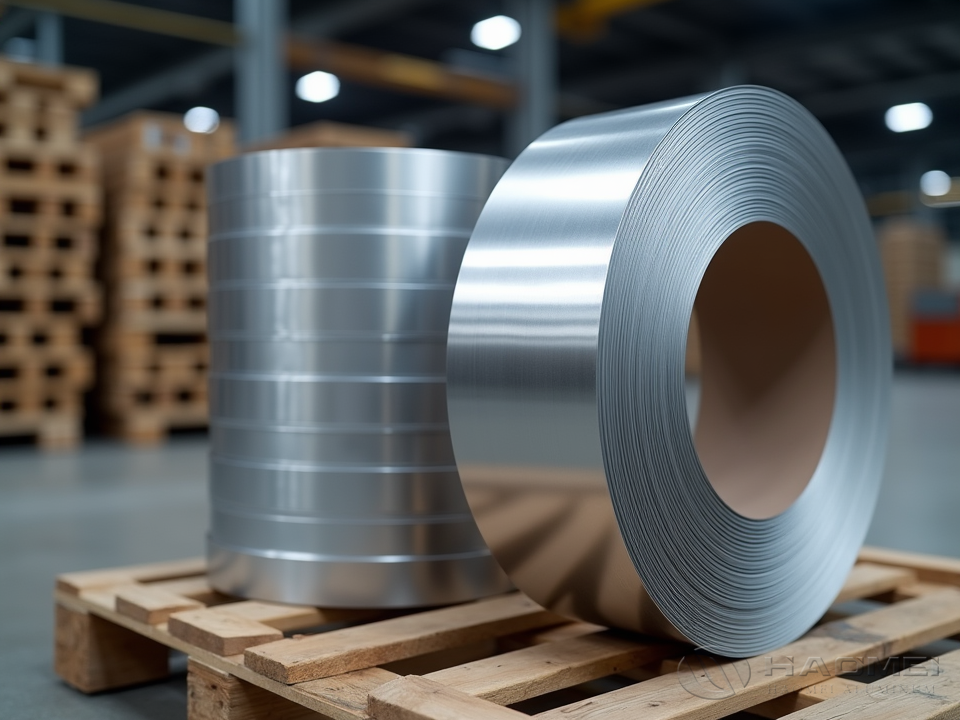
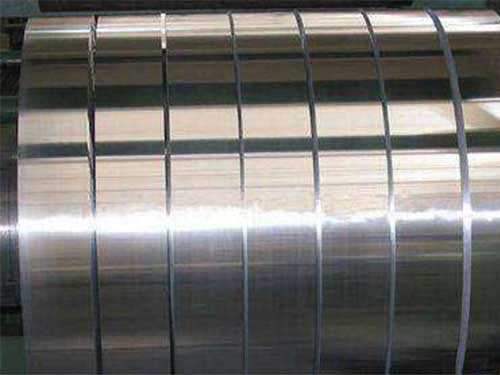
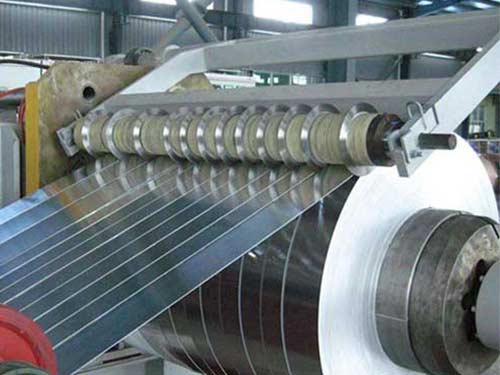
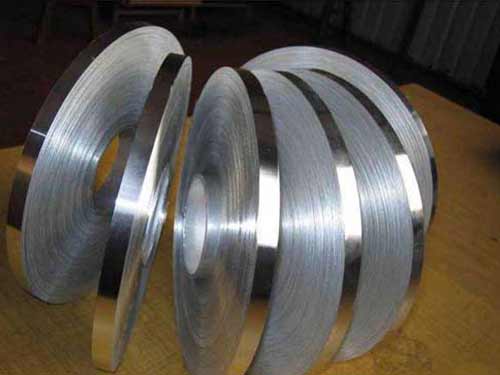
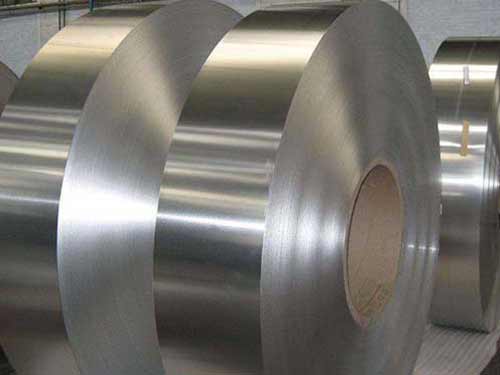
1050 and 1060 aluminum strip can be supplied as mother coils, slit coils, narrow strips, oscillated coils, or cut lengths. Slitting quality is especially important for electrical winding and automated stamping, where edge burrs, telescoping, camber, or uneven tension can interrupt production.
| Parameter | Common Supply Range |
|---|---|
| Thickness | 0.10-6.00 mm |
| Strip width | 10-1,650 mm |
| Coil inner diameter | 150 mm, 300 mm, 400 mm, 505 mm, 508 mm, or customized |
| Coil outer diameter | Up to 2,000 mm, subject to weight and transport limits |
| Coil weight | 0.5-8 metric tons, customized |
| Width tolerance | Typically ±0.10 mm to ±0.50 mm, depending on width and thickness |
| Thickness tolerance | According to standard, gauge, and ordered precision |
| Surface | Mill finish, bright finish, brushed, embossed, coated, degreased |
| Edge condition | Mill edge, slit edge, deburred edge |
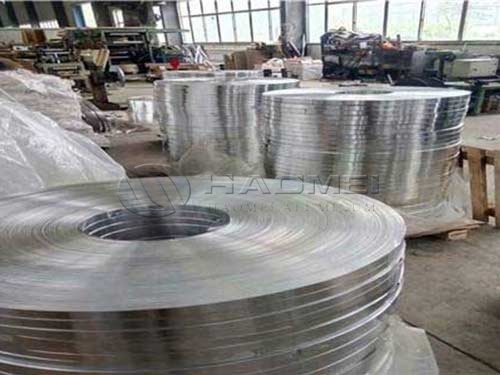
Industrial Functions and Applications
The high conductivity of 1060 aluminum makes it a frequent choice for electrical applications. Transformer winding strip, busbar-related components, cable shielding, and conductive connectors can benefit from its low weight and stable current-carrying behavior. Proper edge treatment and insulation compatibility are important when the strip is used in tightly wound coils.
For lighting and appliance production, 1050 aluminum strip offers a smooth stamping response and appealing surface quality. It can be formed into lamp caps, reflectors, decorative trims, appliance panels, and ventilation components. Soft O temper is often selected when a part requires severe drawing or multi-stage forming.
Thermal management is another major function. Both alloys transfer heat efficiently, making them suitable for heat-exchanger fins, radiator elements, cookware layers, HVAC accessories, and thermal shielding. Their natural oxide film protects the surface in many normal atmospheric environments.
Packaging, signage, traffic plates, insulation jacketing, building trims, and decorative panels also use these grades because they are easy to cut, emboss, paint, laminate, or anodize. For material options with controlled dimensions and temper, explore 1050 / 1060 Aluminum Strip for common industrial requirements.
| Application Area | Preferred Grade/Temper | Material Benefit |
|---|---|---|
| Transformer winding | 1060 O, H14 | High conductivity and flexible winding behavior |
| Cable shielding | 1060 O, H14 | Lightweight conductive barrier |
| Lamp caps and lighting parts | 1050 H14, H24 | Reliable stamping and clean appearance |
| Deep-drawn components | 1050 O, 1060 O | High ductility and low cracking risk |
| Heat-transfer fins | 1050 H18, 1060 H18 | Efficient heat movement and rigidity |
| Building insulation cladding | 1050 H14, H24 | Corrosion resistance and easy fabrication |
| Packaging and closures | 1050 H18 | Thin-gauge rolling and forming capability |
| General stamping | 1050 H14, 1060 H14 | Consistent workability and economical processing |
Standards and Quality Control
Production and inspection can follow international standards selected by the customer or destination market. These standards define alloy chemistry, temper designation, mechanical properties, tolerances, and test procedures.
| Standard | Typical Scope |
|---|---|
| ASTM B209 | Aluminum and aluminum-alloy sheet and plate requirements |
| EN 485 | Tolerances, mechanical properties, and technical delivery conditions for rolled products |
| EN 573 | Aluminum alloy designation and chemical composition |
| GB/T 3880 | Chinese requirements for aluminum and aluminum-alloy sheet, strip, and foil products |
| JIS H4000 | Japanese industrial requirements for aluminum sheet, plate, and strip |
| ISO 6361 | Wrought aluminum and aluminum alloy sheets, strips, and plates |
Quality inspection typically covers chemical composition, thickness, width, flatness, coil shape, surface cleanliness, edge condition, tensile properties, elongation, and hardness where required. For electrical strip, conductivity testing and careful burr control are often specified. For anodizing or decorative applications, surface uniformity and freedom from oil marks, scratches, dents, and oxidation staining deserve particular attention.
Processing Guidance
1050 and 1060 aluminum strip can be bent, stamped, deep drawn, welded, riveted, painted, and anodized with good results. Soft material should be handled carefully to prevent handling marks, while harder tempers require suitable bend radii to avoid edge cracking. Clean tooling, controlled lubrication, and correctly adjusted die clearance support consistent forming performance.
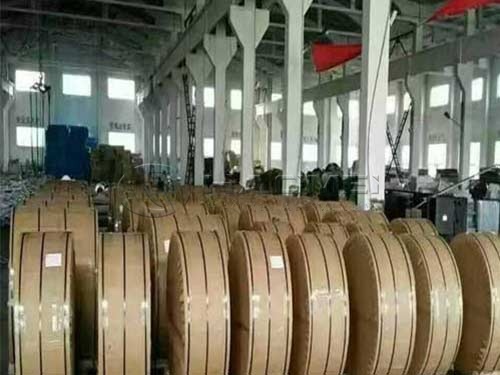
For long-term storage, coils should remain dry, ventilated, and protected from condensation. Moisture trapped between layers can cause water staining. Export-grade packaging commonly combines protective paper, plastic film, desiccant, steel strapping, wooden pallets, and reinforced outer protection to preserve coil condition during shipping.
1050 and 1060 aluminum strip and coil provide an efficient solution when conductivity, corrosion resistance, low weight, and easy fabrication are central to the finished product. Selecting the proper alloy, temper, dimensions, surface treatment, and edge quality helps ensure stable processing and dependable service performance.