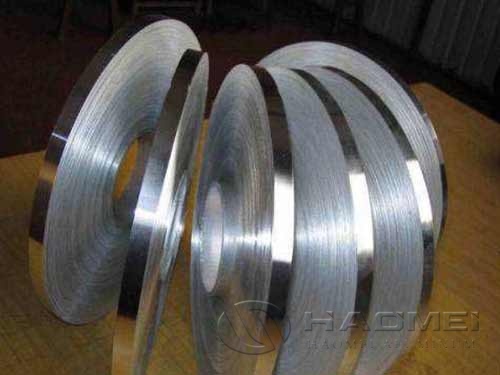
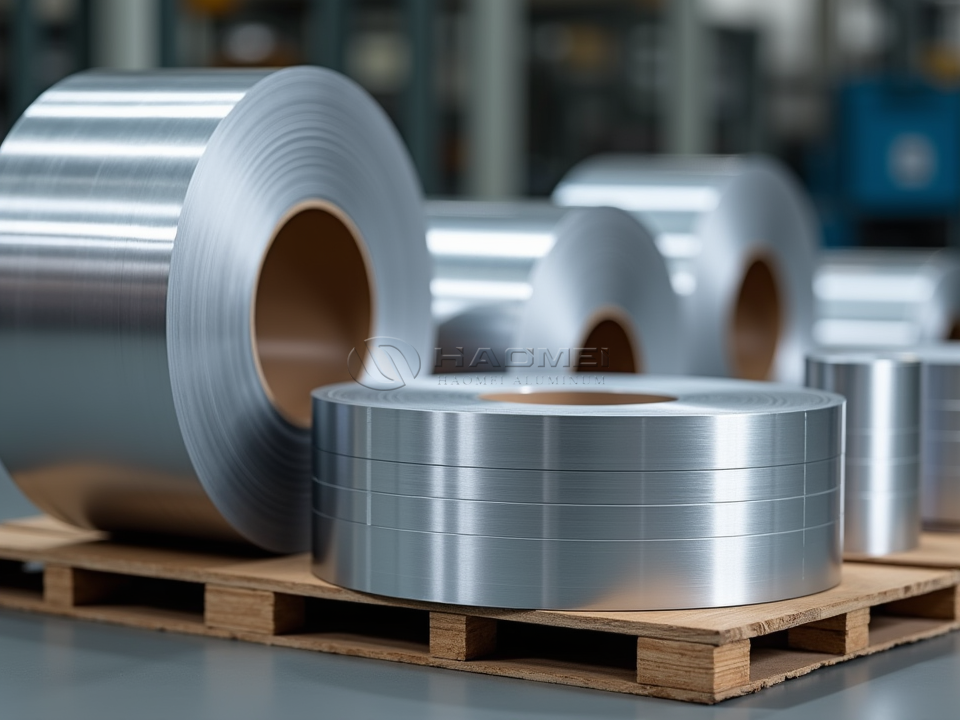
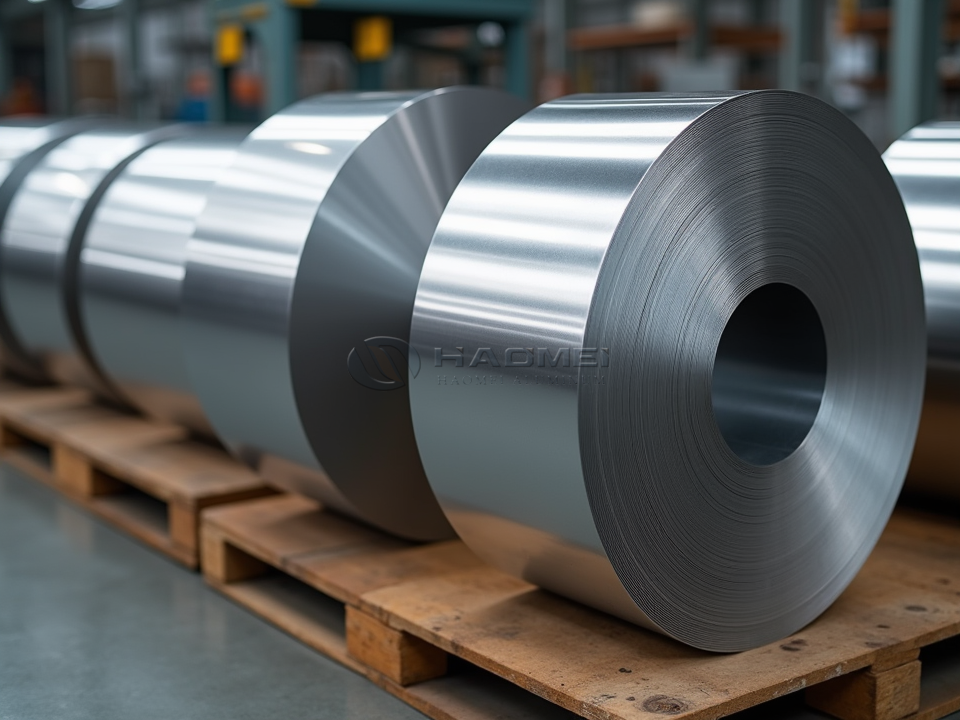
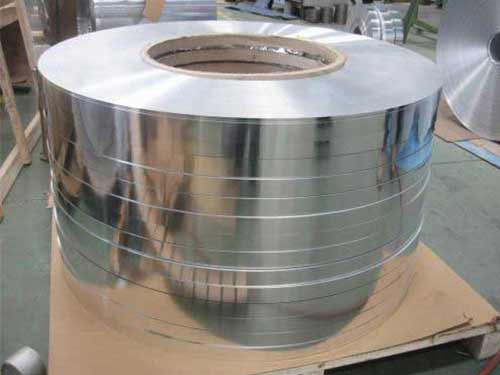
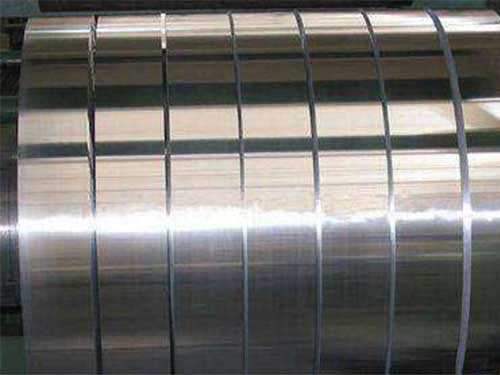
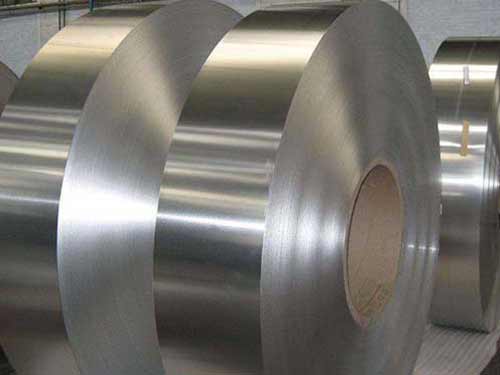
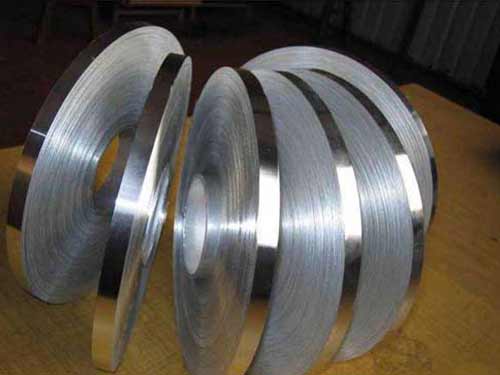
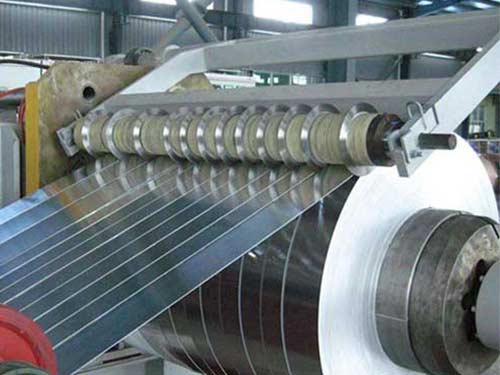
6063 Aluminum Strip Coil for Electrical
Electrical equipment needs materials that do more than conduct current. In many products, the metal must also bend cleanly, resist corrosion, accept an attractive finish, and retain dimensional stability after machining or assembly. 6063 aluminum strip coil for electrical is valued from this broader engineering viewpoint. It is commonly selected where electrical function meets structural form, especially in enclosures, terminal supports, heat-transfer parts, cable-management systems, lighting assemblies, and formed electrical hardware.
6063 belongs to the Al-Mg-Si alloy family. Its magnesium and silicon content allows it to be heat treated, giving it a useful balance of strength, workability, surface quality, and corrosion resistance. Compared with high-purity electrical grades, 6063 does not offer the highest electrical conductivity. Its advantage lies in making electrical components that must be shaped, finished, and used in demanding environments.
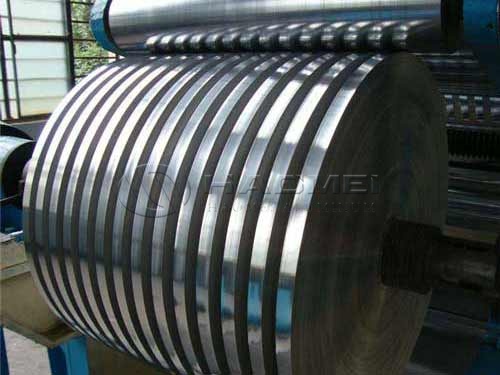
Why 6063 Works in Electrical Fabrication
The first question in electrical material selection is often conductivity. Yet conductivity alone does not decide coil performance. A strip used for a decorative lighting housing, terminal cover, control-cabinet profile, or heat-dissipating formed part needs reliable bending behavior and a surface that remains clean after anodizing, powder coating, or other finishing processes.
6063 aluminum strip coil performs well in these cases because its alloy design supports controlled extrusion and forming characteristics, although strip coil is usually rolled and slit to the required width. It has a smooth, bright surface potential and responds well to anodizing. This makes it particularly suitable when visible electrical equipment must look as refined as it performs.
For applications where minimum electrical resistance is the primary requirement, such as transformer windings or certain conductor strips, 1050 / 1060 Aluminum Strip is often more appropriate because of its higher aluminum purity and conductivity. For 6063, the practical value is its combined electrical, mechanical, thermal, and finishing performance.
Typical Product Parameters
6063 strip coil can be supplied to match the manufacturing route of the end user. Thickness, width, edge condition, coil weight, and temper should be defined together rather than treated as separate purchasing details. A narrow strip that will be stamped into connector supports may require different flatness and edge quality than a wider coil intended for cabinet panels.
| Parameter | Common Supply Range or Condition |
|---|---|
| Alloy | AA 6063 / EN AW-6063 |
| Thickness | 0.20 mm to 6.00 mm, subject to mill capability |
| Width | 10 mm to 1,600 mm, slit or mill edge |
| Coil inner diameter | Commonly 150 mm, 300 mm, 405 mm, or 505 mm |
| Coil weight | Customized according to handling and processing equipment |
| Surface | Mill finish, bright finish, anodizing-quality surface, protective film optional |
| Edge | Mill edge, slit edge, deburred edge, rounded edge on request |
| Electrical conductivity | Approximately 50% IACS, depending on temper and composition |
| Density | Approximately 2.70 g/cm³ |
| Thermal conductivity | Typically around 200 W/m·K, varying with temper |
The actual tolerances for thickness, width, camber, flatness, burr height, and coil set should be agreed before production. Electrical stamping lines and automated forming systems can be sensitive to edge burrs, excessive coil telescoping, or inconsistent strip tension.
Chemical Composition of 6063 Aluminum Strip
The chemistry of 6063 is designed around magnesium silicide formation. Magnesium and silicon work together during heat treatment to develop strength, while aluminum remains the principal element. Iron and copper are kept controlled because they can affect formability, corrosion behavior, surface appearance, and conductivity.
| Element | Composition, % by Weight |
|---|---|
| Silicon, Si | 0.20 - 0.60 |
| Iron, Fe | 0.00 - 0.35 |
| Copper, Cu | 0.00 - 0.10 |
| Manganese, Mn | 0.00 - 0.10 |
| Magnesium, Mg | 0.45 - 0.90 |
| Chromium, Cr | 0.00 - 0.10 |
| Zinc, Zn | 0.00 - 0.10 |
| Titanium, Ti | 0.00 - 0.10 |
| Other elements, each | 0.00 - 0.05 |
| Other elements, total | 0.00 - 0.15 |
| Aluminum, Al | Balance |
Chemical limits may vary slightly according to the governing standard and purchaser specification. Material certification should identify the heat number, measured chemical composition, temper, dimensions, and mechanical test results.
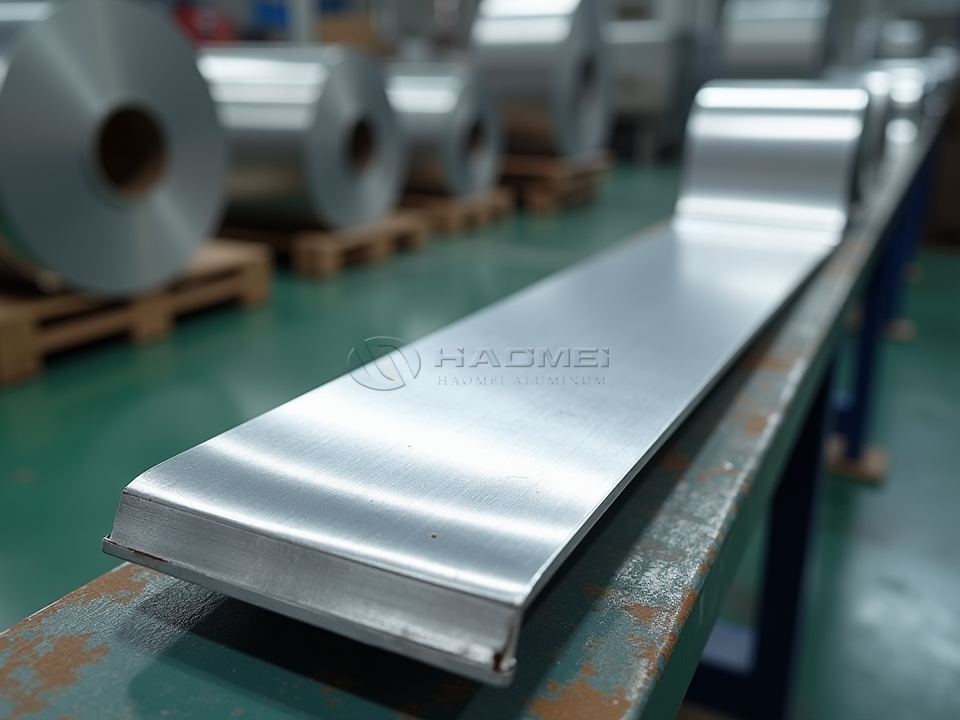
Tempers and Their Electrical Manufacturing Roles
Temper selection changes how 6063 strip behaves on the production floor. The right choice is not simply the strongest one. It is the temper that fits the sequence of bending, stamping, drawing, machining, joining, and final service loading.
O temper is annealed and soft. It is preferred for demanding bends, deep forming, and parts with tight radii. Its lower strength makes it less suitable for components requiring stiffness without additional shaping.
H14 and H24 tempers may be used where moderate work-hardening is requested for rolled strip products. They provide a middle ground between formability and rigidity, though availability should be confirmed for the required thickness and specification.
T4 temper is solution heat treated and naturally aged. It is useful when the component needs forming before reaching its final strength level. Electrical fabricators may select T4 for shaped covers, brackets, and profiles that require secondary bending.
T5 temper is cooled from an elevated-temperature process and artificially aged. It is frequently associated with 6063 profile applications and offers stable mechanical properties for structural electrical parts.
T6 temper is solution heat treated and artificially aged for higher strength. It is often selected for rigid busbar supports, mounting rails, precision electrical frames, and machined components. Because T6 has less formability than O or T4, bend radii and stamping geometry should be reviewed carefully.
For projects that require a wider range of mechanical behavior or corrosion-focused alloy options, Alloy Aluminum Strip can be evaluated alongside 6063 to match the end-use environment.
Common Implementation Standards
6063 aluminum strip coil may be produced and inspected according to regional or customer-defined standards. The selected standard should be stated on the purchase order, especially when the coil will enter regulated electrical equipment production.
| Standard | Typical Relevance |
|---|---|
| ASTM B209 | Aluminum and aluminum-alloy sheet and plate requirements, commonly referenced for rolled products |
| EN 485 | Tolerances, mechanical properties, and technical delivery conditions for aluminum sheet, strip, and plate |
| EN 573-3 | Chemical composition and designation of wrought aluminum alloys |
| ISO 6361 | Wrought aluminum and aluminum alloy sheets, strips, and plates |
| GB/T 3880 | Chinese standard for aluminum and aluminum-alloy sheets and strips |
Standards establish a baseline, but electrical applications often require additional controls. These may include conductivity testing, surface cleanliness, insulation-coating compatibility, restricted burr height, protective film, or special packaging to prevent moisture staining.
Practical Electrical Applications
6063 aluminum strip coil is widely used in electrical and electromechanical products where lightweight construction and a high-quality finish matter. Typical uses include electrical cabinet panels, LED lamp structures, heat sinks, inverter housings, wiring troughs, terminal blocks, battery-pack frames, meter components, control-box covers, and formed grounding or shielding elements.
Its thermal behavior is especially valuable in lighting and power-electronics equipment. Aluminum transfers heat efficiently, helping components dissipate heat away from LED modules, converters, and enclosure surfaces. At the same time, 6063 provides adequate corrosion resistance for indoor industrial equipment and many protected outdoor installations.
Processing and Quality Considerations
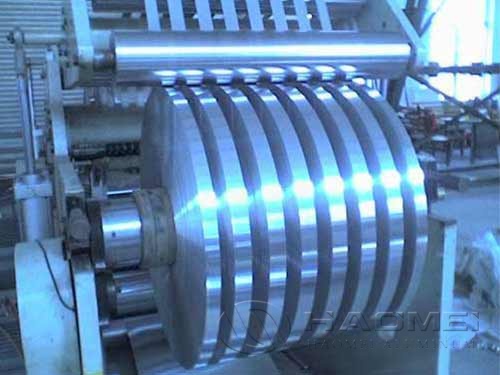
A good 6063 coil should run smoothly through slitting, punching, bending, roll forming, and surface-finishing operations. Buyers should specify whether the strip will be anodized, painted, laminated, laser cut, or stamped. Surface defects that may be acceptable on hidden structural parts can become unacceptable on visible electrical housings.
For electrical contact areas, oxide film behavior must also be considered. Aluminum naturally forms an oxide layer, which protects the metal but can increase contact resistance. Where low-resistance contact is required, manufacturers may use suitable joint design, surface preparation, conductive compounds, plating, or controlled fastening pressure.
6063 aluminum strip coil is therefore best understood as an electrical construction material rather than a pure conductor. It brings together moderate conductivity, strong corrosion resistance, good heat transfer, controlled temper options, and excellent finishing potential. When the electrical component must carry function, shape, and appearance at the same time, 6063 is a highly practical coil choice.