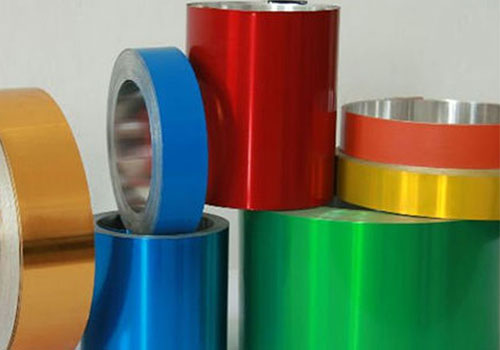
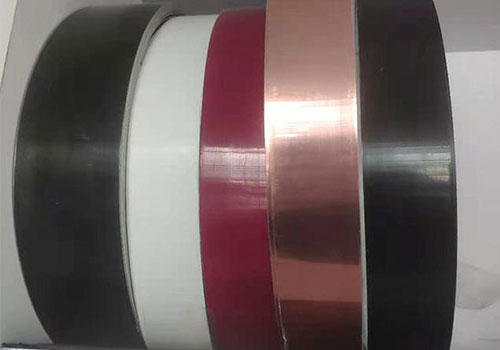
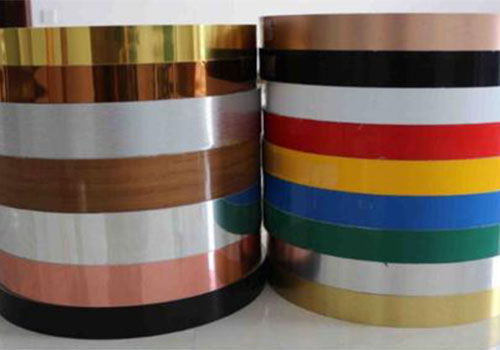
PE PVDF Metal Ceiling Wood Grain Color Painting Aluminum Alloy Strip
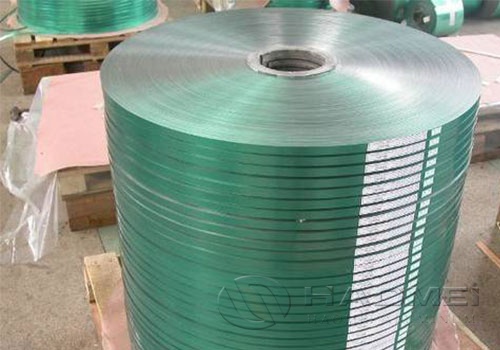
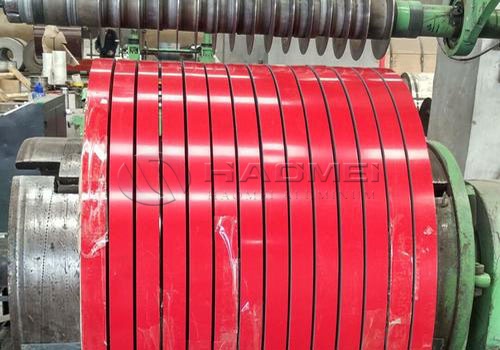
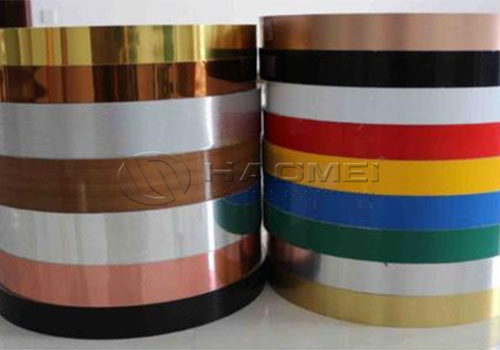
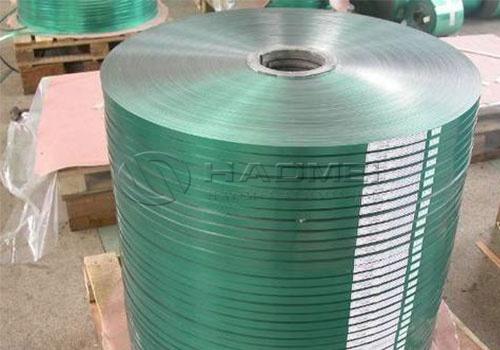
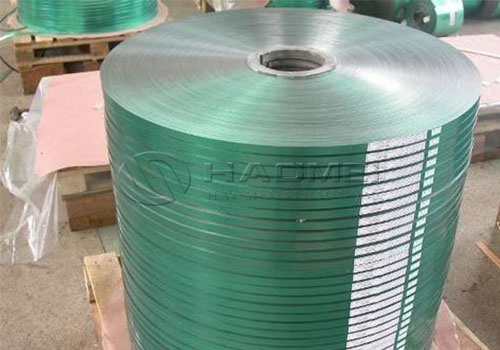
PE PVDF metal ceiling wood grain color painting aluminum alloy strip is a pre-finished coil material designed for decorative ceiling systems, wall panels, trims, baffles, and suspended metal ceiling profiles. It combines lightweight aluminum alloy with a durable painted surface that reproduces the warm appearance of natural timber while retaining the fire resistance, dimensional stability, and low-maintenance benefits of metal.
Wood grain coated aluminum strip is widely selected for airports, shopping centers, offices, hotels, hospitals, residential buildings, metro stations, and public facilities. Compared with real wood, it does not rot, crack, attract insects, or require repeated varnishing. The strip can be slit, roll formed, punched, bent, embossed, and assembled into various ceiling structures.
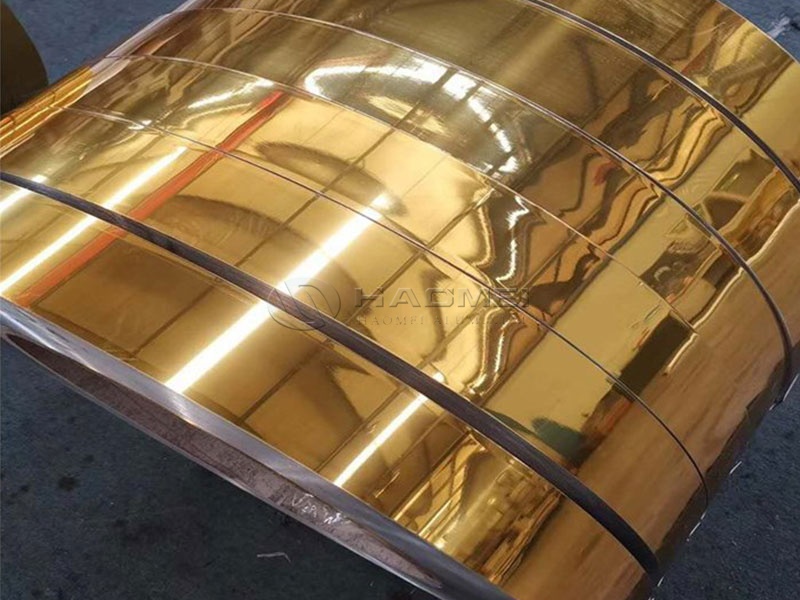
Product Structure and Functional Value
The product usually consists of an aluminum alloy substrate, surface pretreatment layer, primer, decorative wood grain coating, and protective topcoat. The coating is applied continuously on a coil coating line, ensuring consistent color, film thickness, gloss, and adhesion across large production volumes.
| Layer | Typical Material | Main Function |
|---|---|---|
| Aluminum substrate | 1100, 3003, 3004, 3105 aluminum alloy | Provides formability, strength, and corrosion resistance |
| Chemical conversion layer | Chromate-free or chromate pretreatment | Improves paint adhesion and substrate protection |
| Primer coating | Epoxy, polyester, or polyurethane primer | Supports topcoat bonding and improves corrosion resistance |
| Decorative coating | PE or PVDF color coating with wood grain transfer pattern | Creates wood texture, color depth, and visual appeal |
| Protective topcoat | Clear PE, PVDF, or protective film | Enhances weatherability, stain resistance, and surface durability |
For indoor ceiling projects, PE-coated aluminum strip offers a cost-effective decorative solution with good color retention and processing performance. For exterior soffits, covered corridors, humid locations, and high-UV regions, PVDF coating provides stronger resistance to fading, chalking, chemical exposure, and weathering.
Customers looking for continuous coil material for ceiling roll forming can evaluate Color Coated Aluminum Strip for various colors, surface finishes, and custom slit widths.
PE and PVDF Coating Performance
PE and PVDF coatings serve different project requirements. The selection should consider installation position, solar radiation, atmospheric pollution, humidity, expected service life, and budget.
| Coating Type | Typical Resin Content | Recommended Use | Film Thickness | Service Characteristics |
|---|---|---|---|---|
| PE polyester | High-performance polyester resin | Indoor ceilings, wall panels, commercial interiors | 15-25 μm | Good decoration, flexibility, and economical cost |
| SMP | Silicone modified polyester | Semi-exterior or protected exterior ceilings | 20-30 μm | Better weather resistance than standard PE |
| PVDF | Usually 70% PVDF resin system | Exterior soffits, coastal zones, public facades | 25-35 μm | Excellent UV, chemical, and weather resistance |
| PVDF clear finish | PVDF resin top layer | Premium wood grain and high-durability projects | 30-40 μm | Improved gloss retention and stain resistance |
| Property | PE Coating | PVDF Coating |
|---|---|---|
| UV resistance | Suitable for indoor and sheltered uses | Suitable for long-term exterior exposure |
| Color retention | Good under controlled indoor conditions | Very high in sunlight and harsh climates |
| Flexibility | Excellent for bending and roll forming | Good, depending on coating system |
| Chemical resistance | Good against mild household exposure | Strong resistance to acids, alkalis, and pollutants |
| Cost level | Economical | Higher initial investment |
| Typical ceiling application | Interior grid ceilings, baffles, clip-in panels | Outdoor canopies, station ceilings, coastal soffits |
Alloy Grades and Temper Conditions
Aluminum alloy selection affects flatness, strength, bendability, panel stability, and fabrication efficiency. 3003 and 3004 alloys are commonly used for ceiling strips because manganese improves strength while preserving excellent forming behavior. 1100 alloy is suitable when high ductility and economical production are priorities.
| Alloy | Main Alloying Element | Common Temper | Typical Ceiling Use |
|---|---|---|---|
| 1100 | Aluminum, minimum 99.0% | H14, H16, H18 | Light decorative ceiling panels and trims |
| 1050 | Aluminum, minimum 99.5% | H14, H24 | Soft formed profiles and general indoor ceilings |
| 3003 | Manganese | H14, H16, H24 | Roll formed strips, clip-in ceilings, wall panels |
| 3004 | Manganese and magnesium | H14, H16, H24 | Higher-strength ceiling components and baffles |
| 3105 | Manganese and magnesium | H14, H16, H24 | Painted architectural strip and shaped profiles |
| Temper | Condition | Typical Processing Feature |
|---|---|---|
| H14 | Strain hardened to half-hard condition | Good balance of stiffness and forming |
| H16 | Strain hardened to three-quarter-hard condition | Higher rigidity for long ceiling members |
| H18 | Full-hard condition | Suitable for flatter, less deeply formed components |
| H24 | Strain hardened and partially annealed | Improved bendability for shaped panels |
Chemical Composition of Common Aluminum Alloys
Values are expressed as maximum percentages unless a range is stated. Actual composition can be supplied according to the selected material standard and mill certificate.
| Alloy | Si | Fe | Cu | Mn | Mg | Zn | Ti | Al |
|---|---|---|---|---|---|---|---|---|
| 1100 | 0.95 | 0.95 | 0.05-0.20 | 0.05 | - | 0.10 | 0.05 | Balance |
| 3003 | 0.60 | 0.70 | 0.05-0.20 | 1.0-1.5 | - | 0.10 | - | Balance |
| 3004 | 0.30 | 0.70 | 0.25 | 1.0-1.5 | 0.8-1.3 | 0.25 | - | Balance |
| 3105 | 0.60 | 0.70 | 0.30 | 0.30-0.80 | 0.20-0.80 | 0.40 | 0.10 | Balance |
Technical Specifications for Ceiling Strip
Dimensions can be tailored for ceiling panel factories, roll-forming lines, punching operations, and decorative profile production. Slit edge quality, coil winding direction, paper interleaving, and protective film are available according to fabrication needs.
| Parameter | Standard Supply Range | Custom Capability |
|---|---|---|
| Thickness | 0.20-1.50 mm | 0.15-2.00 mm subject to alloy and width |
| Strip width | 20-1,600 mm | Precision slitting for ceiling profile width |
| Coil inner diameter | 150 mm, 300 mm, 405 mm, 508 mm | Available according to equipment requirement |
| Coil weight | 0.5-5.0 tonnes | Adjustable for handling and production line capacity |
| Paint thickness | 15-35 μm total dry film | Custom coating system available |
| Protective film | 30-80 μm PE film | Optional laser film or low-tack film |
| Surface finish | Matte, satin, gloss, embossed, wood grain | Oak, walnut, teak, maple, cherry, and custom designs |
| Color tolerance | Subject to approved sample | Controlled by batch and production requirements |
Mechanical and Surface Performance
| Test Item | Typical Requirement | Test Reference |
|---|---|---|
| Pencil hardness | PE: 2H or above; PVDF: HB-2H | ASTM D3363 |
| Coating adhesion | Grade 0 or Grade 1 | ISO 2409 / ASTM D3359 |
| T-bend | 0T-3T depending on alloy and coating | ASTM D4145 |
| Impact resistance | No visible cracking after specified impact | ASTM D2794 |
| MEK solvent resistance | PE: 50-100 double rubs; PVDF: 100+ double rubs | ASTM D5402 |
| Salt spray resistance | 500-1,000 hours depending on coating system | ASTM B117 |
| Gloss tolerance | Typically ±5 gloss units | ASTM D523 |
| Color difference | Commonly controlled within agreed ΔE tolerance | ASTM D2244 |
Implementation Standards and Quality Control
Production and inspection can follow internationally recognized aluminum, coating, and architectural metal standards. Material certificates should confirm alloy, temper, dimensions, coating type, and inspection results before shipment.
| Standard | Scope |
|---|---|
| ASTM B209 | Aluminum and aluminum-alloy sheet and plate requirements |
| EN 485 | Tolerances and mechanical properties for aluminum sheet and strip |
| EN 573 | Chemical composition and alloy designation for aluminum |
| ASTM D3359 | Coating adhesion by tape test |
| ASTM B117 | Salt spray corrosion testing |
| AAMA 2604 | High-performance organic coatings for architectural aluminum |
| AAMA 2605 | Superior PVDF architectural coating performance |
| ISO 2409 | Paint adhesion cross-cut test |
Applications for Wood Grain Ceiling Systems
Wood grain painted aluminum alloy strip can be processed into C-shaped strips, U-shaped baffles, clip-in panels, lay-in ceilings, linear ceilings, honeycomb panel skins, curtain wall trims, edge profiles, and suspended ceiling carriers. Its low weight reduces structural load while the metal surface provides a clean, modern finish suitable for high-traffic spaces.
Typical projects include hotel lobbies, retail interiors, office corridors, restaurant ceilings, residential balconies, school buildings, transport terminals, sports venues, covered walkways, and commercial canopies. For humid or coastal environments, PVDF wood grain coating and corrosion-resistant aluminum alloy provide a more durable choice.
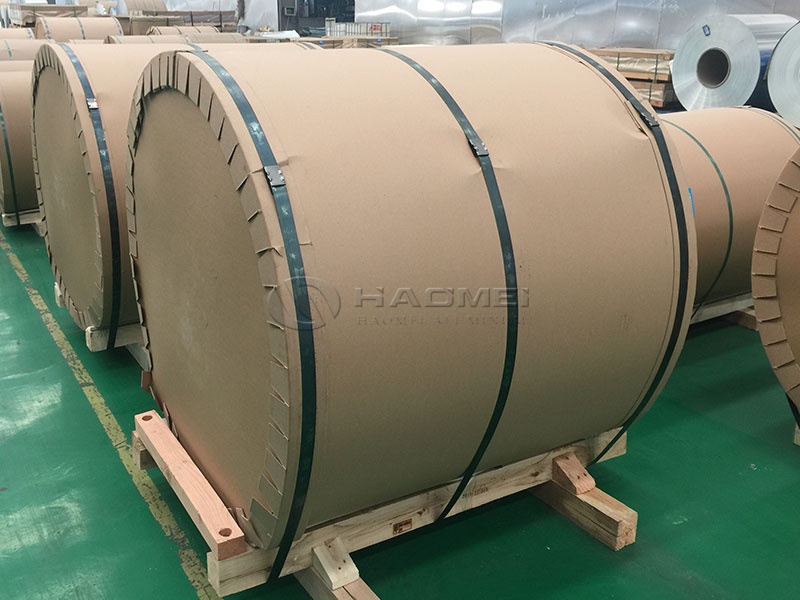
Proper storage helps preserve the decorative surface. Coils should be kept in a dry, ventilated warehouse, protected from condensation, corrosive vapors, standing water, and direct contact with cement or wet timber. During processing, matched tooling, clean rollers, and suitable bending radii help prevent scratches and coating stress.
PE PVDF metal ceiling wood grain color painting aluminum alloy strip delivers the appearance of timber with the production efficiency and longevity of coated aluminum. With suitable alloy temper, coating grade, thickness, and wood grain pattern, it supports reliable fabrication for both refined interior ceilings and demanding architectural installations.