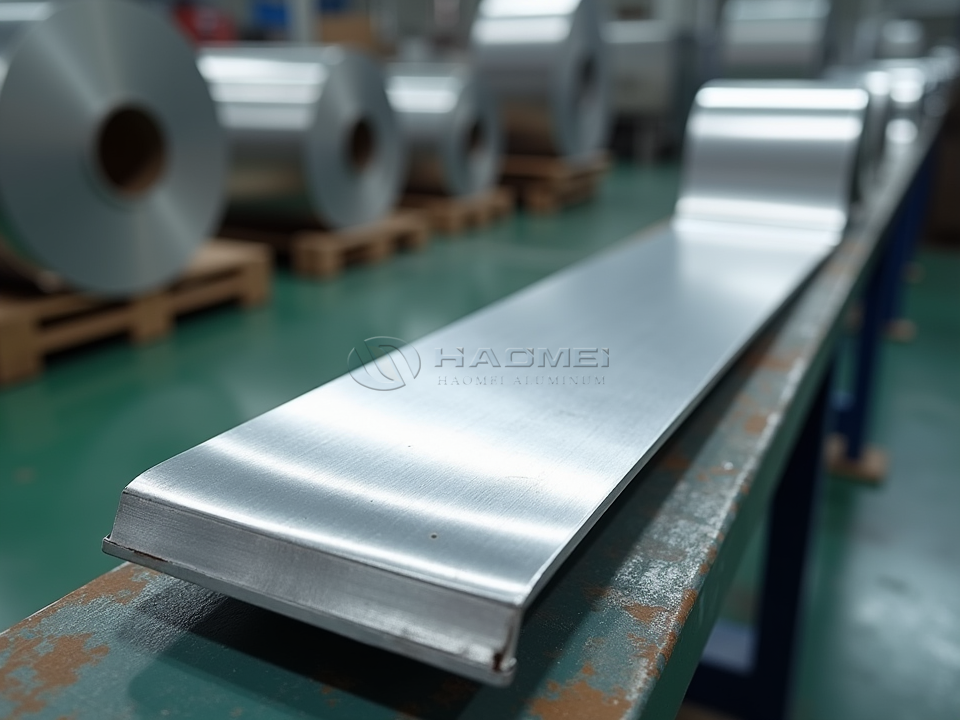
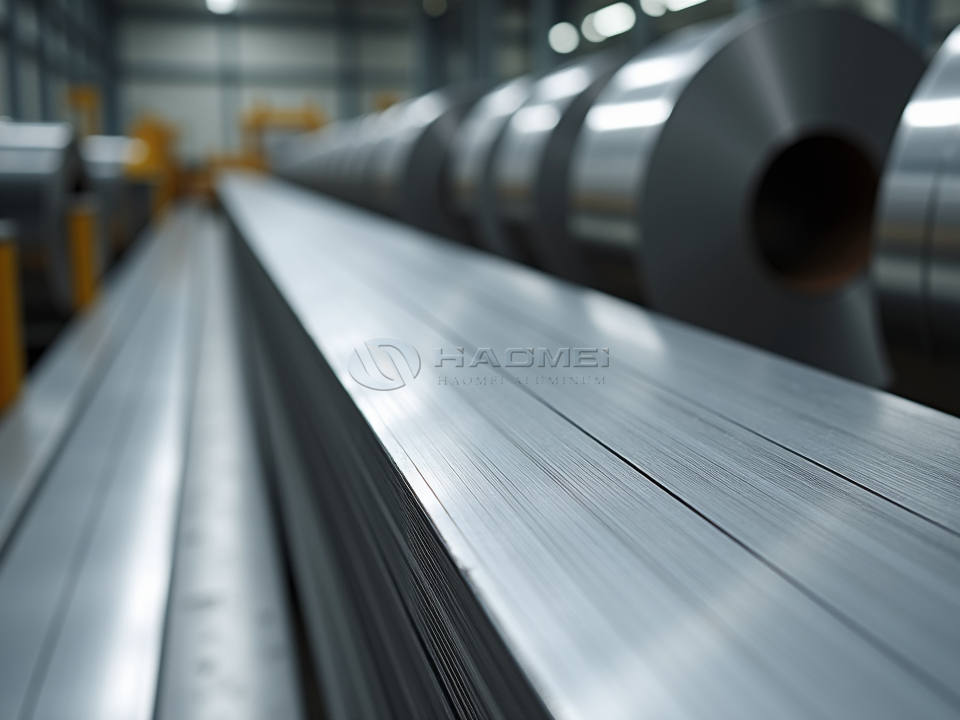
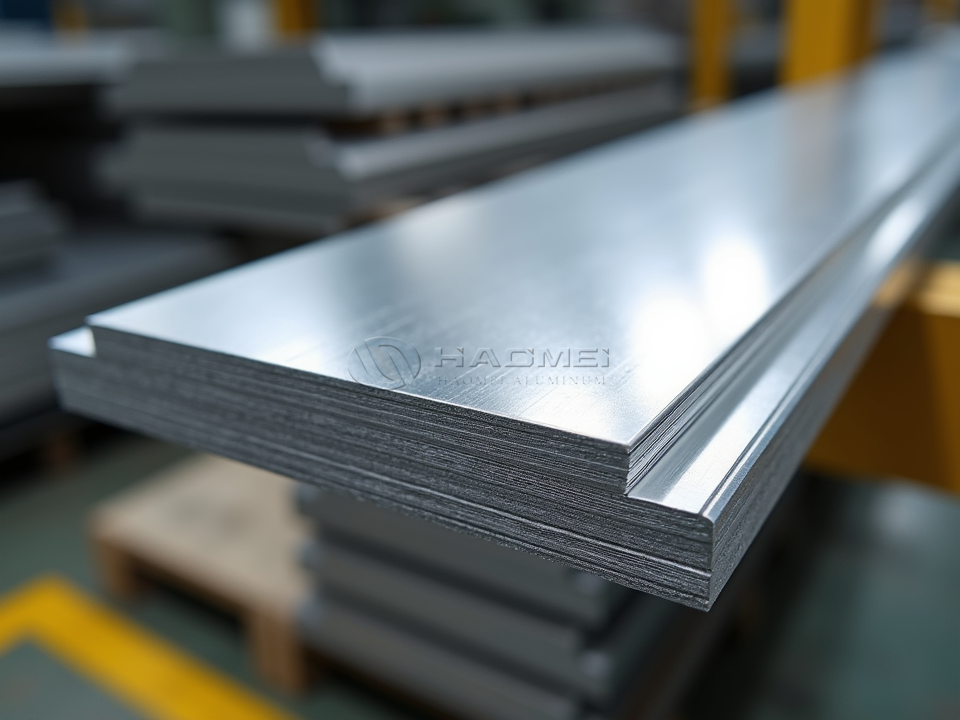
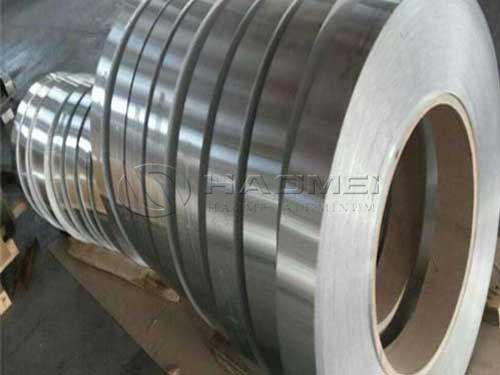
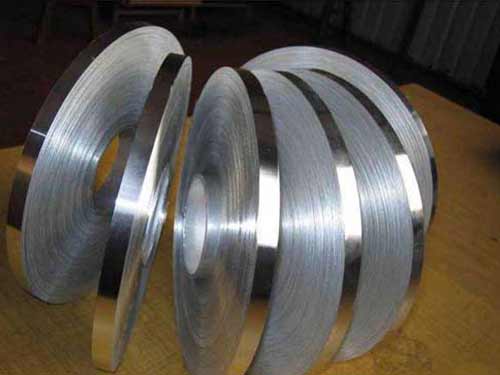
1050 1060 Aluminum Strip 0.9mm Thick
A 0.9mm thick aluminum strip may look like a modest material, yet it often determines whether a stamped component forms cleanly, an electrical part conducts efficiently, or a decorative surface remains smooth after processing. In 1050 and 1060 grades, this thickness sits in a useful middle ground: thin enough for flexible fabrication, but substantial enough to retain shape and resist handling damage.
These commercial-purity aluminum alloys are selected less for high structural strength and more for their reliable behavior in real production environments. They bend easily, respond well to deep drawing, transfer heat effectively, and develop a natural oxide film that supports corrosion resistance. For buyers working with lamp caps, cable wraps, transformer components, heat-transfer parts, signage, and general stamping, 0.9mm strip can be a highly efficient starting point.
Why 0.9mm Thickness Matters
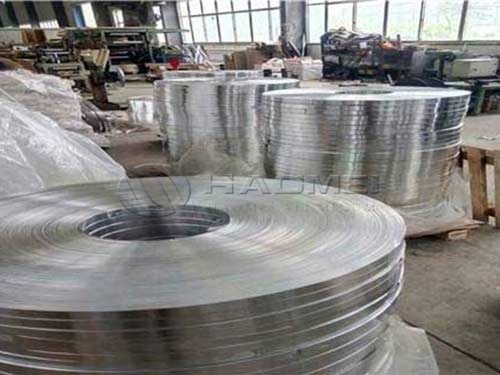
Thickness is not simply a line on a purchase order. At 0.9mm, strip rigidity, coil weight, press performance, bend radius, and material yield all interact. A small thickness deviation can affect assembled clearances or change the force needed for blanking and forming. For this reason, thickness tolerance should be discussed alongside alloy, temper, width, edge condition, and intended process.
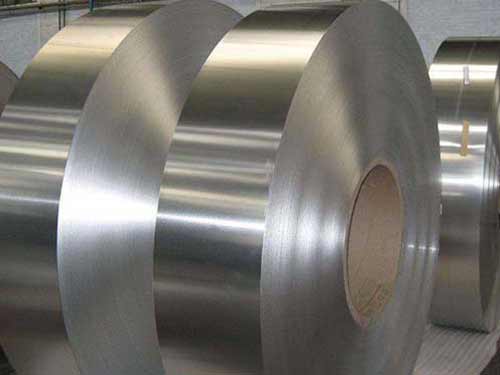
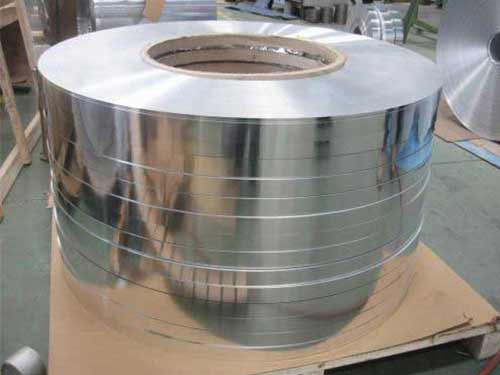
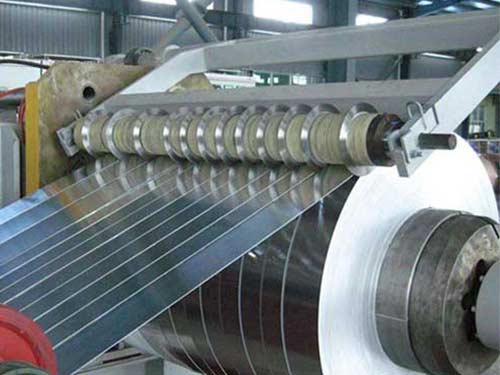
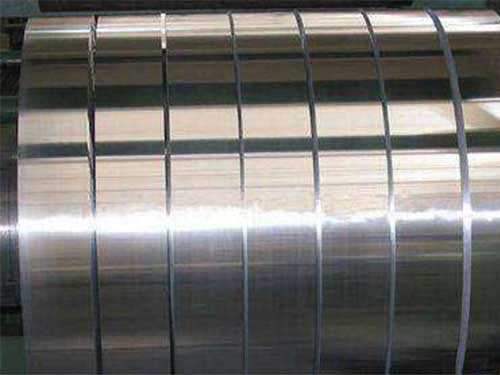
A 0.9mm 1050 or 1060 aluminum strip is commonly slit from wider coil into narrow widths. Typical widths range from 10mm to 1,600mm, depending on mill capability and customer requirements. Narrow coils are practical for automated stamping lines, while wider material can be processed into panels, blanks, or custom profiles.
For applications requiring a softer forming response, the annealed O temper is often preferred. Where better resistance to distortion during handling is needed, H14 or H24 may be more suitable. The right temper is therefore a production decision, not merely a material label.
1050 and 1060: Similar Appearance, Different Aluminum Content
1050 and 1060 belong to the 1xxx aluminum family. Their behavior is broadly similar because both are high-purity grades, but 1060 contains slightly more aluminum. This difference can support somewhat better electrical and thermal conductivity, while 1050 remains a widely used, economical option for general fabrication.
The practical choice depends on what the finished part must do. A reflective trim, ventilation component, or forming blank may use either alloy successfully. Electrical connectors, transformer windings, and conductive shielding tend to favor 1060 when conductivity is particularly important. Buyers needing additional alloy options for more demanding service conditions can also review the wider Alloy Aluminum Strip range.
| Property | 1050 Aluminum Strip | 1060 Aluminum Strip |
|---|---|---|
| Minimum aluminum content | 99.50% | 99.60% |
| Corrosion resistance | Excellent | Excellent |
| Formability | Excellent | Excellent |
| Weldability | Excellent | Excellent |
| Electrical conductivity | High | Slightly higher |
| Typical applications | Stamping, reflectors, signs, general fabrication | Electrical parts, heat transfer, cable and transformer uses |
Chemical Composition Requirements
The chemical composition of 1050 and 1060 aluminum strip is controlled under recognized alloy specifications. Values may vary slightly according to the governing standard and mill certificate, but the limits shown here are commonly used reference values for wrought aluminum products.
| Element | 1050 Alloy, % | 1060 Alloy, % |
|---|---|---|
| Aluminum, Al | 99.50 min | 99.60 min |
| Silicon, Si | 0.25 max | 0.25 max |
| Iron, Fe | 0.40 max | 0.35 max |
| Copper, Cu | 0.05 max | 0.05 max |
| Manganese, Mn | 0.05 max | 0.03 max |
| Magnesium, Mg | 0.05 max | 0.03 max |
| Zinc, Zn | 0.07 max | 0.05 max |
| Titanium, Ti | 0.05 max | 0.03 max |
| Other elements, each | 0.03 max | 0.03 max |
| Other elements, total | 0.03 max | 0.03 max |
Low alloying content is the reason these strips remain highly workable. There are few hard intermetallic phases to interrupt bending or drawing, which gives 1050 and 1060 their familiar smooth behavior in presses and roll-forming equipment.
Common Parameters for 0.9mm Aluminum Strip
| Parameter | Typical Supply Condition |
|---|---|
| Alloy | 1050, 1060 |
| Thickness | 0.90mm |
| Thickness tolerance | Subject to ordered standard and width range |
| Width | 10mm to 1,600mm, customized slitting available |
| Coil inner diameter | Commonly 150mm, 300mm, 400mm, 500mm, or 505mm |
| Coil weight | Customized according to handling equipment and processing line |
| Temper | O, H12, H14, H16, H18, H22, H24 |
| Surface | Mill finish, bright finish, degreased, embossed, coated, or laminated on request |
| Edge | Mill edge, slit edge, deburred edge |
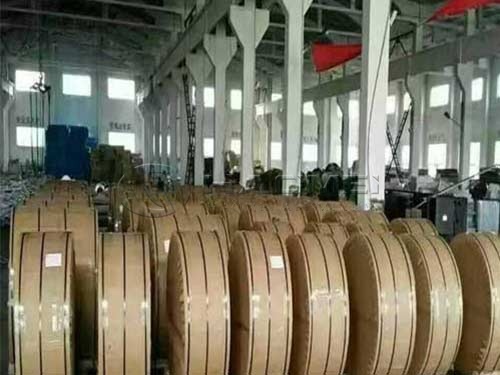
| Packaging | Export seaworthy packaging with moisture protection |
Material users should specify whether burr control is important. Slitting can create a sharp edge that is acceptable for some industrial uses but unsuitable for exposed consumer products, cable insulation contact, or parts handled manually. Deburring, edge rounding, and protective interleaving can be requested when the application requires a cleaner finish.
Temper Selection for Forming and Strength
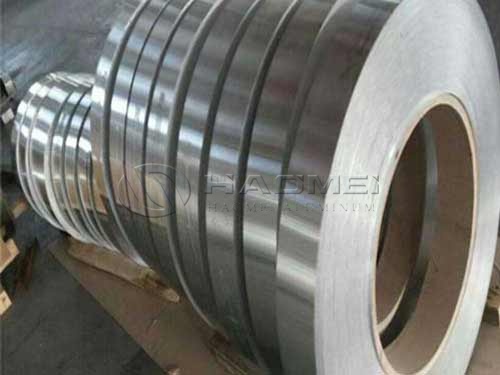
The temper describes how the strip has been processed after rolling. Annealed O temper has the highest ductility and is suitable for deep drawing, spinning, bending, and complex stamped geometries. It is often used where surface cracking or springback must be minimized.
H14 is half-hard material and provides a balanced combination of formability and shape retention. It works well for general presswork, lighting parts, nameplates, and folded profiles. H18 is full-hard strip, selected when flatter stock and higher stiffness are needed, although it is less forgiving during tight-radius bending.
For many buyers, the dependable route is to match the temper to the final operation rather than choosing the strongest option. A deep-drawn cup made from hard strip can crack, while a flat stamped washer may not need the softness of O temper. The product page for 1050 / 1060 Aluminum Strip can help compare available supply conditions for specific processing needs.
Standards and Inspection Expectations
1050 and 1060 aluminum strip can be produced in accordance with standards such as ASTM B209, EN 485, EN 573, GB/T 3880, and JIS H4000, subject to the ordered product form and destination market. A mill test certificate typically records alloy chemistry, temper, dimensions, tensile properties, coil identification, and inspection results.
Common quality checks include thickness measurement across the strip width, width tolerance, camber, flatness, surface cleanliness, edge condition, coil winding quality, and mechanical properties. For anodizing or decorative finishing, surface uniformity deserves special attention because rolling marks, oil residue, and local scratches can become more visible after treatment.
Where This Strip Performs Best
0.9mm 1050 and 1060 aluminum strip performs particularly well in components that need to be formed rather than heavily loaded. Typical uses include lamp caps, reflectors, cable armor, transformer parts, heat sinks, roofing accessories, traffic signs, cookware components, decorative trim, ventilation pieces, and packaging-related hardware.
Its value lies in predictability. When alloy purity, temper, thickness tolerance, slit edge quality, and packaging are controlled together, this thin strip becomes an efficient production material rather than just a coil of metal. For high-volume fabrication, that consistency can reduce tool wear, improve yield, and make every press cycle more dependable.