What Is Aluminum Strip Color Coating
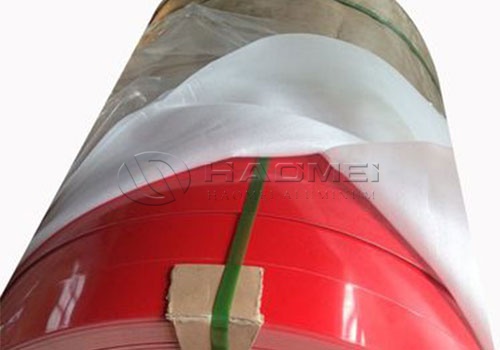
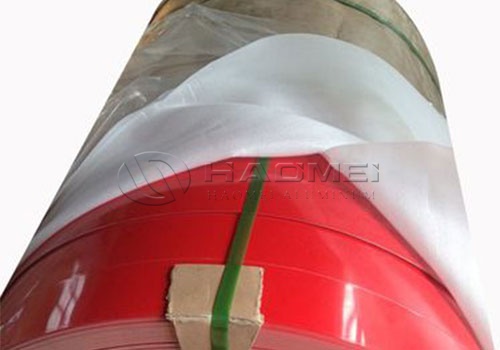
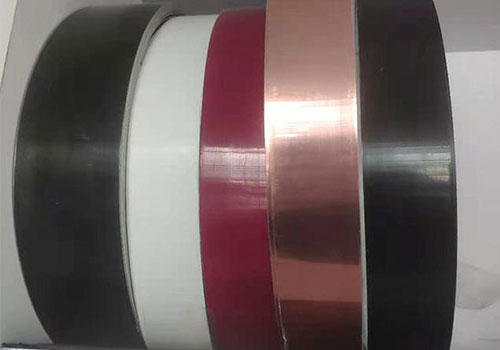
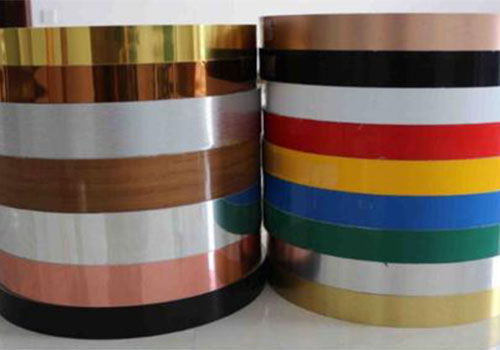
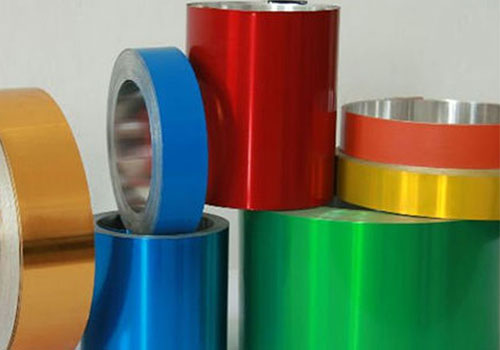
Aluminum strip color coating is a continuous coil-coating process in which aluminum strip receives a carefully engineered paint system before it is slit, stamped, bent, or fabricated. Rather than painting finished parts one by one, manufacturers coat the aluminum coil in a controlled production line. This creates a smooth, consistent surface with reliable color, gloss, adhesion, and weather resistance.
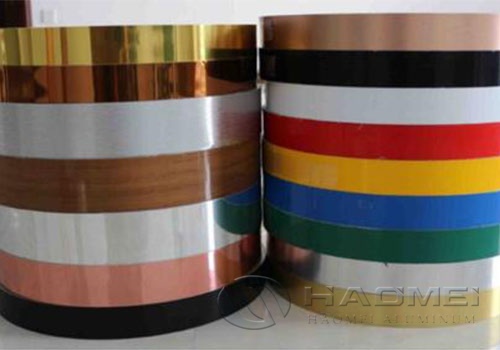
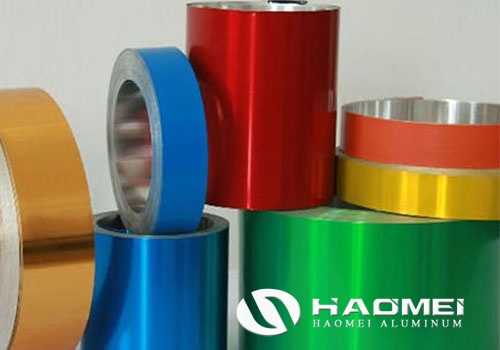
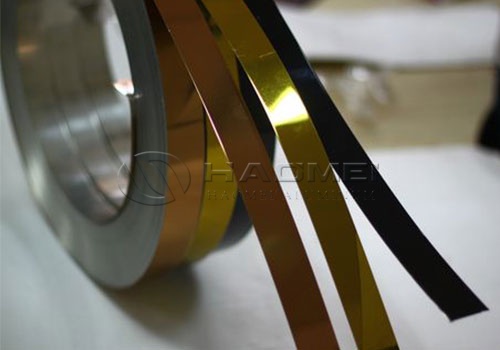
A finished Color Coated Aluminum Strip combines the light weight and corrosion resistance of aluminum with the decorative and protective value of organic coatings. It is widely selected for roofing accessories, ceiling systems, shutters, insulation cladding, appliance panels, channel letters, rainwater systems, and transportation components.
How the Color-Coating Process Works
The quality of painted aluminum depends on more than the visible topcoat. A stable coating system starts with surface cleaning and chemical conversion treatment. These stages remove rolling oil and contaminants while creating a surface that improves paint adhesion and corrosion protection.
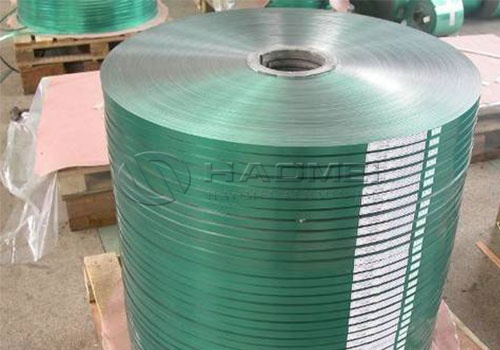
The aluminum strip then passes through precision roll coaters that apply primer and finish paint in controlled film thicknesses. Each layer is baked in an oven, allowing the resin system to cure and form a dense, durable film. The coated coil may be embossed, laminated, slit into narrow widths, or supplied in larger coils according to the final application.
| Process Stage | Purpose | Result for the Customer |
|---|---|---|
| Degreasing | Removes oil, dust, and surface residues | Cleaner coating foundation |
| Chemical pretreatment | Improves adhesion and corrosion resistance | Better protection at cut edges and formed areas |
| Primer coating | Enhances bonding between aluminum and topcoat | More stable paint system |
| Topcoat application | Provides color, gloss, and weathering performance | Decorative, durable external surface |
| Thermal curing | Cross-links the paint resin | Improved hardness, adhesion, and solvent resistance |
| Slitting and packaging | Converts coils to required width and protects the surface | Ready-to-process material with reduced handling damage |
Aluminum Substrate and Chemical Composition
Color-coated strip is commonly produced from 1xxx, 3xxx, or 5xxx series aluminum alloys. Alloy selection depends on required formability, strength, corrosion resistance, and end-use environment. Soft temper material is often preferred for deep drawing and bending, while harder tempers are suitable for profiles and structural trim.
| Typical Alloy | Aluminum Content | Main Alloying Elements | Common Characteristics | Typical Uses |
|---|---|---|---|---|
| 1050 | ≥ 99.5% | Very low additions | Excellent formability and conductivity | Decorative trim, lighting, general cladding |
| 1060 | ≥ 99.6% | Very low additions | High ductility and smooth surface quality | Channel letters, insulation jacketing |
| 1100 | ≥ 99.0% | Cu ≤ 0.20% | Good workability and corrosion resistance | Building accessories, appliance parts |
| 3003 | Balance | Mn 1.0-1.5% | Higher strength with good formability | Roofing trim, gutters, panels |
| 3105 | Balance | Mn 0.3-0.8%, Mg 0.2-0.8% | Strong weathering and fabrication performance | Siding, roofing, shutters |
| 5052 | Balance | Mg 2.2-2.8% | Excellent marine and industrial corrosion resistance | Transport, humid or coastal environments |
Coating Types and Surface Options
The paint system is selected according to service conditions, visual requirements, and cost targets. Polyester coatings are widely used for indoor products and general outdoor applications. High-durability polyester offers stronger color retention. PVDF coatings are used where long-term exposure to sunlight, humidity, and harsh weather is expected.
| Coating Type | Typical Dry Film Thickness | Weather Resistance | Typical Service Environment | Common Finish |
|---|---|---|---|---|
| PE polyester | 15-25 μm | Good | Indoor use and moderate outdoor exposure | Glossy, matte, textured |
| HDP polyester | 20-30 μm | Very good | Building trim and long-life exterior parts | Matte, low-gloss, solid color |
| PVDF fluorocarbon | 25-35 μm | Excellent | Facades, coastal zones, high-UV areas | Premium matte and metallic colors |
| Epoxy back coat | 5-12 μm | Good chemical resistance | Reverse side protection | Usually light gray or clear |
| Laminated film | 30-150 μm | Depends on film type | Decorative and scratch-sensitive products | Wood grain, marble, brushed metal |
For projects exposed to intense sunlight or salt-bearing air, PVDF Coated Aluminum Strip can provide stronger long-term color stability and surface protection than standard polyester systems.
Typical Technical Specifications
Specifications are tailored to the forming method, coil-processing equipment, and installation environment. The values in this table represent common commercial ranges rather than a fixed universal standard.
| Parameter | Typical Range | Notes |
|---|---|---|
| Strip thickness | 0.20-2.00 mm | Thinner gauges suit decorative and insulation uses; thicker material suits formed construction parts |
| Strip width | 10-1,600 mm | Narrow slit coils are available for roll forming and stamping |
| Coil inner diameter | 150 mm, 300 mm, 405 mm, 505 mm | Selected to suit processing machinery |
| Coil weight | 500-5,000 kg | Depends on width, thickness, and handling capacity |
| Front coating thickness | 15-35 μm | Can be increased for demanding environments |
| Back coating thickness | 5-12 μm | Protects the reverse side during fabrication and use |
| Pencil hardness | HB-2H | Depends on resin type and curing conditions |
| T-bend performance | 0T-3T | Indicates coating flexibility during bending |
| Adhesion | Grade 0-1 | Commonly tested by cross-hatch method |
| Gloss range | 10-80 GU | Low-gloss, satin, and high-gloss finishes available |
| Color tolerance | ΔE ≤ 1.0-2.0 | Controlled against approved color standards |
Performance Benefits in Fabrication and Service
Color-coated aluminum strip offers practical value from the production floor through the installed product life. Its low density reduces transport loads and makes handling easier than many steel alternatives. Aluminum naturally forms a protective oxide layer, while the paint system provides an additional barrier against moisture, pollution, and surface staining.
The coating is applied before fabrication, allowing processors to avoid separate wet-paint operations. This reduces drying time, labor, overspray, and coating inconsistency. With proper alloy and temper selection, the strip can be roll formed, folded, punched, stamped, and lightly drawn while maintaining a clean painted appearance.
| Performance Factor | Customer Benefit |
|---|---|
| Low weight | Easier installation, lower transport cost, reduced structural load |
| Corrosion resistance | Longer service life in humid, industrial, and outdoor conditions |
| Color consistency | More uniform appearance across long production runs |
| Formability | Suitable for bending, profiling, stamping, and edge folding |
| Pre-finished surface | Eliminates or reduces downstream painting operations |
| Recyclability | Aluminum can be recycled efficiently at end of service life |
| Design flexibility | Broad selection of colors, gloss levels, textures, and patterned finishes |
Common Applications
Color-coated aluminum strip is used wherever a durable painted metal surface must also be lightweight and easy to form. In architecture, it is processed into roof flashing, soffits, fascia, gutters, downpipes, ceiling grids, wall trims, shutters, and sandwich-panel accessories. For insulation systems, painted aluminum jacketing protects pipework, tanks, ducts, and equipment while providing a clean visual finish.
In consumer goods, the material appears in appliance edging, lighting fixtures, furniture trims, signage, roller shutters, and decorative profiles. Transportation manufacturers use suitable grades for interior panels, trailer trim, caravan components, and lightweight enclosures. Specialty finishes such as wood grain, brushed metal, stone pattern, and high-gloss colors support more decorative applications without the weight or maintenance demands of natural materials.
Selecting the Right Material
A suitable color-coated aluminum strip should be matched to the final environment and forming process. Customers should define alloy, temper, thickness, width tolerance, coating type, film thickness, color reference, gloss level, protective film requirement, and packaging method before production. Outdoor applications benefit from UV-resistant paint systems, while sharply formed profiles require flexible coatings with strong T-bend performance.
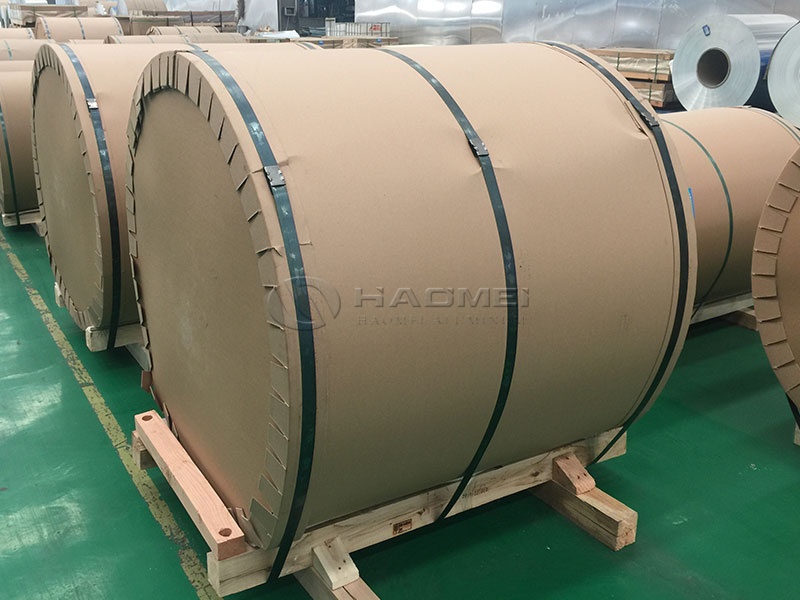
Proper storage also preserves surface quality. Coils should be kept dry, ventilated, and protected from condensation. Avoid prolonged contact with water, alkaline materials, cement dust, or incompatible chemicals. With the correct specification, aluminum strip color coating provides a durable, attractive, efficient material solution for modern manufacturing and construction.