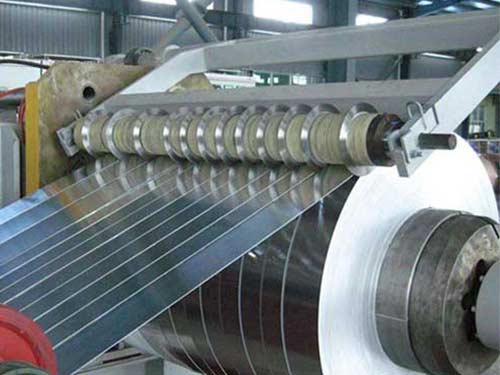
0.9mm Aluminum Strip 3003 H12 For Vehicles License
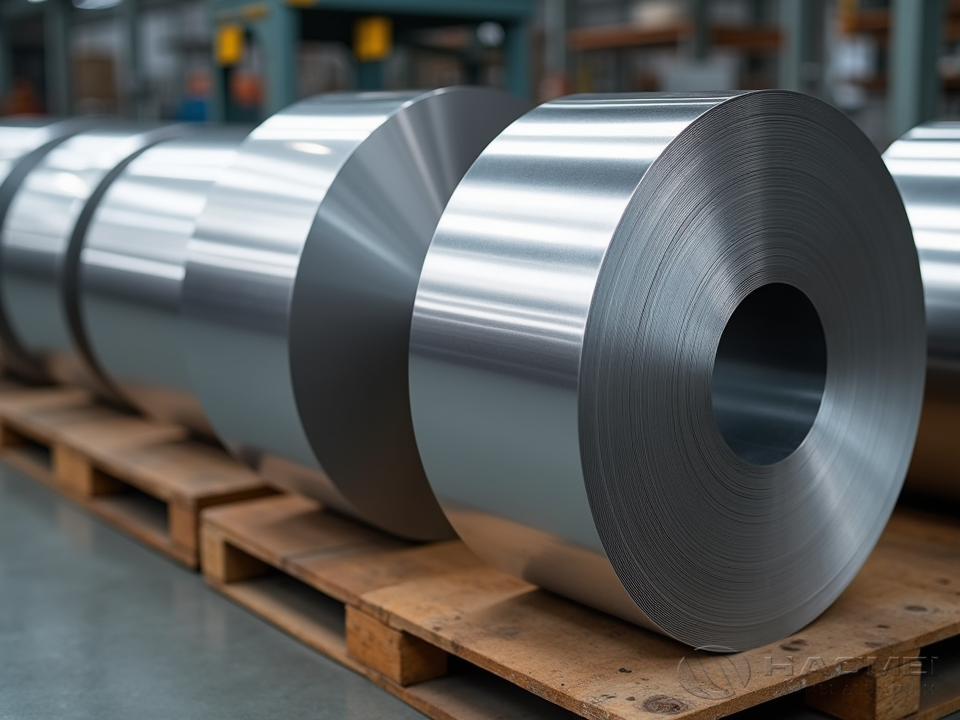
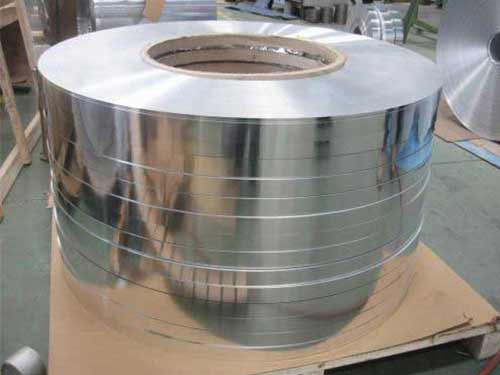
0.9mm aluminum strip in 3003 H12 temper is a practical material for manufacturing vehicle license plate blanks. It combines controlled strength with reliable stamping performance, enabling producers to form embossed characters, borders, mounting holes, and registration features without excessive cracking or distortion. The surface also accepts paint, reflective sheeting, printing inks, and protective coatings effectively.
Compared with plain aluminum grades, 3003 contains manganese, which improves strength while preserving the workability needed for plate forming. The H12 temper, generally described as quarter-hard, provides a balanced condition: firm enough to resist handling damage and vibration, yet ductile enough for press operations.
Material Function in License Plate Manufacturing
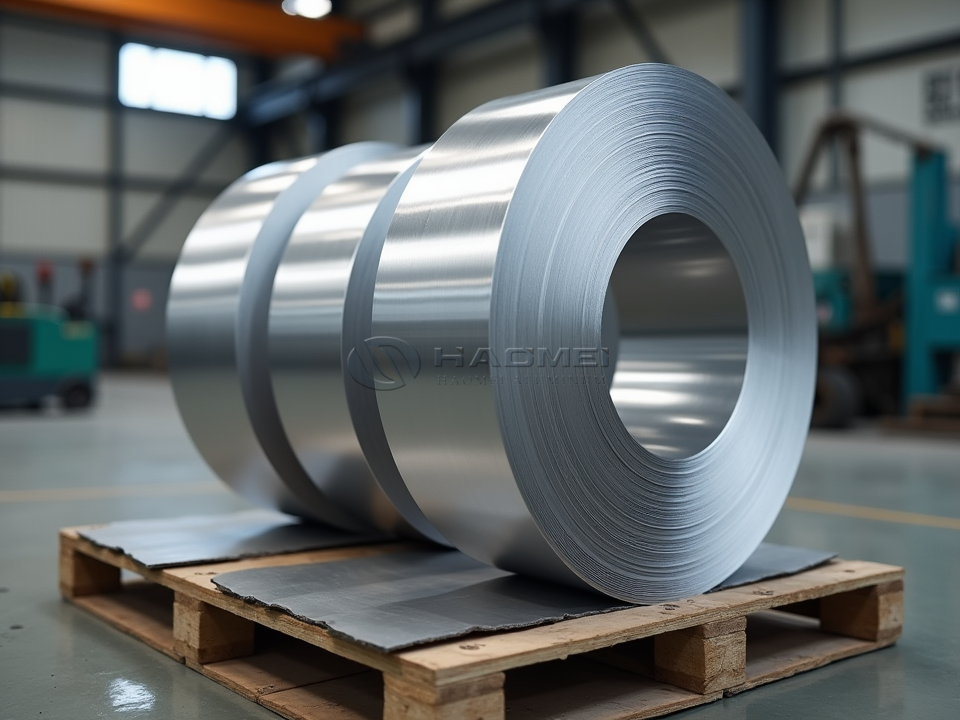
Vehicle registration plates must remain flat, readable, corrosion-resistant, and mechanically stable throughout service. A 0.9mm 3003 H12 aluminum strip supports these requirements from coil processing through finished plate use.
| Functional Requirement | Contribution of 0.9mm 3003 H12 Aluminum Strip |
|---|---|
| Embossing performance | Quarter-hard temper supports character forming while retaining adequate elongation. |
| Plate rigidity | The 0.9mm thickness helps the plate resist bending, flutter, and deformation. |
| Corrosion protection | Aluminum naturally forms a dense oxide film that protects the base metal. |
| Surface finishing | Smooth rolled surfaces are suitable for coating, printing, laminating, and reflective films. |
| Lightweight design | Aluminum reduces vehicle accessory weight compared with steel plate stock. |
| Recycling value | 3003 aluminum scrap can be recycled efficiently after production or end use. |
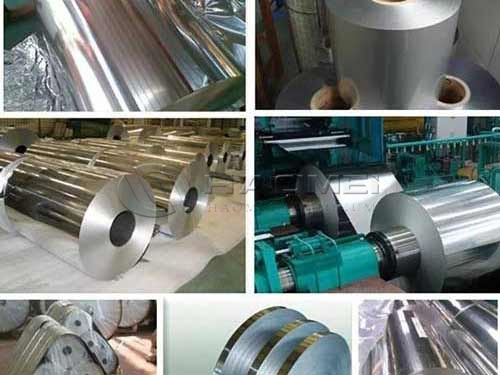
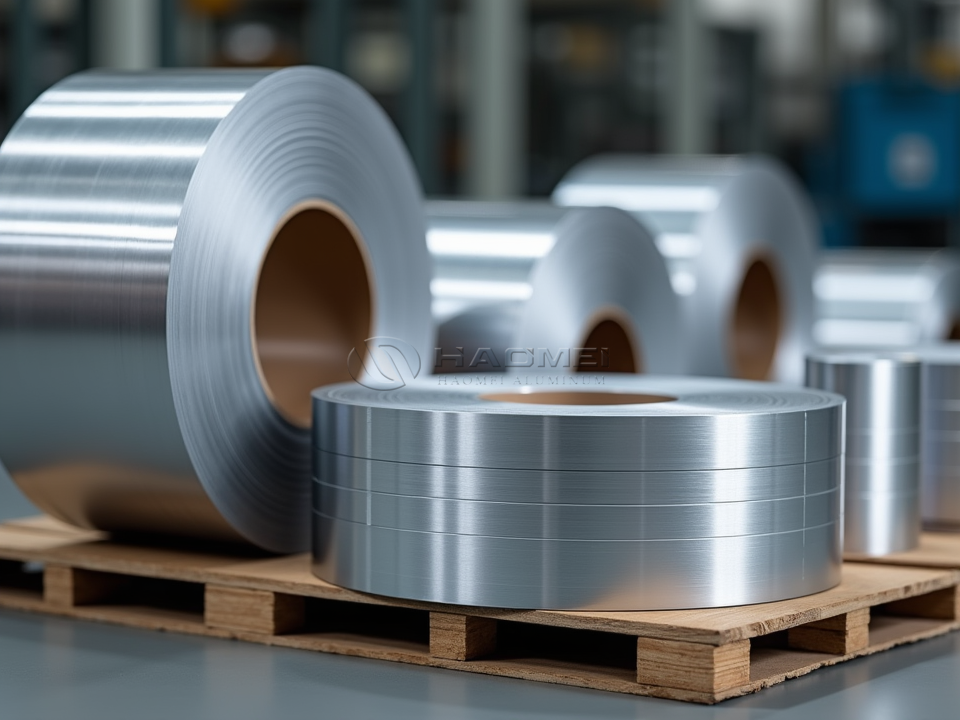
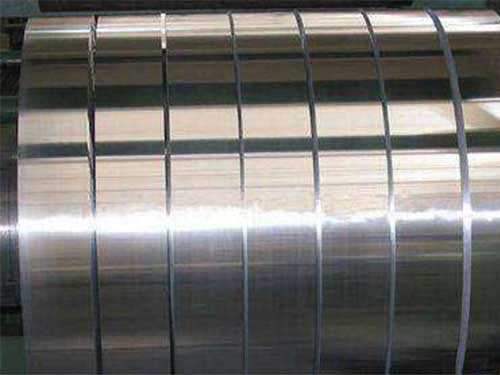
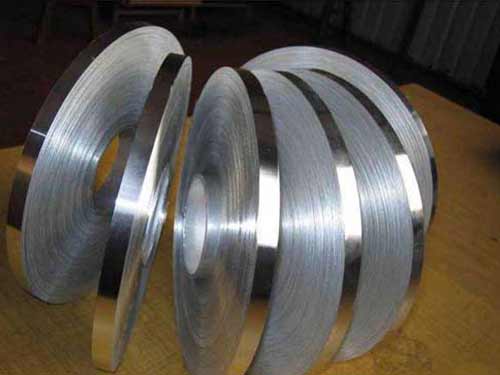
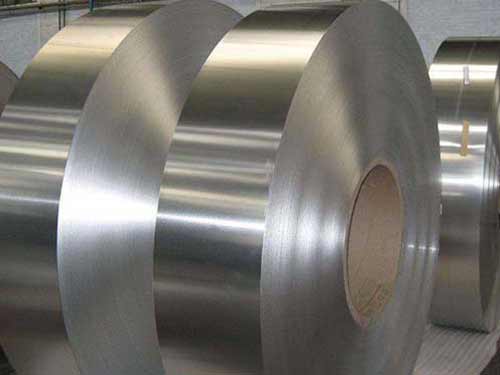
The material can be supplied as slit coil for high-speed automatic blanking lines or as cut strips for smaller press operations. Controlled width, burr condition, and coil winding quality are important because license plate production commonly uses repetitive stamping cycles with close visual-quality requirements.
Alloy and Temper Characteristics
3003 is an aluminum-manganese alloy from the 3xxx series. It is non-heat-treatable, meaning its strength is primarily developed through cold working rather than solution heat treatment. H12 identifies a strain-hardened condition at approximately quarter-hard strength.
| Item | Description |
|---|---|
| Alloy designation | 3003 / EN AW-3003 |
| Temper | H12, strain hardened, quarter-hard condition |
| Product form | Slit strip coil, narrow coil, cut strip, plate blank stock |
| Nominal thickness | 0.90 mm |
| Alloy family | Aluminum-manganese, non-heat-treatable |
| Typical density | 2.73 g/cm³ |
| Melting range | Approximately 643-654°C |
| Electrical conductivity | Approximately 40-45% IACS |
| Thermal conductivity | Approximately 160 W/m·K |
| Corrosion resistance | Good in normal atmospheric and road-service environments |
For license plate production, H12 is often selected when the plate needs more body than O temper material but must still accept embossing. If character depth, die geometry, or reflective laminate construction requires a softer substrate, temper selection should be confirmed through production trials.
Chemical Composition
The chemical composition of 3003 aluminum strip is controlled to create a stable combination of workability, corrosion resistance, and strength. Manganese is the primary alloying element, while copper is limited to maintain corrosion performance.
| Element | Standard Composition, % by Weight |
|---|---|
| Aluminum, Al | Remainder |
| Manganese, Mn | 1.0-1.5 |
| Copper, Cu | 0.05-0.20 |
| Iron, Fe | 0.70 max |
| Silicon, Si | 0.60 max |
| Zinc, Zn | 0.10 max |
| Magnesium, Mg | 0.05 max |
| Other elements, each | 0.05 max |
| Other elements, total | 0.15 max |
Composition limits can vary slightly according to the governing material specification. Mill test certificates should be reviewed when a national plate regulation, coating line, or customer drawing specifies particular chemical restrictions.
Mechanical Properties and Processing Behavior
Mechanical properties depend on actual thickness, rolling practice, applicable standard, and test direction. The values shown are typical reference data for 3003 H12 strip near 0.9mm thickness. Contract specifications should define acceptance values and tolerances.
| Property | Typical Value or Range | Relevance to License Plates |
|---|---|---|
| Tensile strength | 110-150 MPa | Provides handling strength during blanking and use. |
| Yield strength | 80-115 MPa | Helps the finished plate maintain its shape. |
| Elongation | 8-15% | Supports embossing and hole punching with reduced cracking risk. |
| Hardness | Approximately 30-40 HB | Offers a moderate resistance to scratches and dents. |
| Elastic modulus | Approximately 69 GPa | Supports predictable press forming behavior. |
| Nominal thickness | 0.90 mm | Common gauge for firm, durable registration plate blanks. |
The combination of gauge and temper helps reduce edge waviness after slitting and promotes consistent press feeding. Proper die clearance remains essential. Excessively tight clearance may create heavy burrs, while unsuitable tool radii can leave stress marks around embossed letters or mounting holes.
Dimensional Specifications and Supply Options
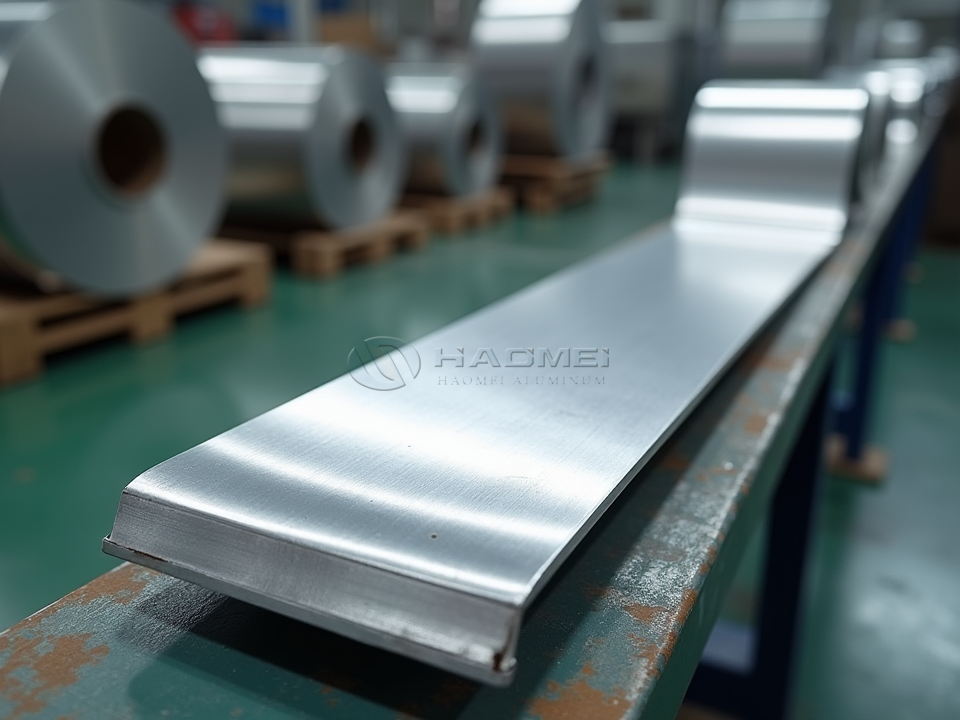
0.9mm 3003 H12 aluminum strip can be tailored to license plate blank dimensions and press-line requirements. Width and coil parameters should match the blank layout, scrap allowance, feeder capacity, and packaging method.
| Supply Parameter | Typical Range or Option |
|---|---|
| Thickness | 0.90 mm, with tolerance agreed by standard or customer drawing |
| Strip width | Commonly 20-1,600 mm, customized slitting available |
| Coil inner diameter | 150 mm, 300 mm, 400 mm, 505 mm, or as required |
| Coil outer diameter | According to handling equipment and shipping limits |
| Coil weight | Small coils or jumbo coils available by agreement |
| Edge condition | Mill edge, slit edge, deburred edge, or controlled low-burr edge |
| Surface finish | Mill finish, bright finish, coated, pretreated, or laminated substrate |
| Flatness | Controlled according to blanking and embossing requirements |
For buyers sourcing material for reflective registration plates, the coil surface should be clean and free from oil stains, deep scratches, oxidation marks, edge cracks, dents, and roll impressions that could affect laminate adhesion or printed appearance.
Applicable Standards
Material standards establish requirements for composition, dimensions, tolerances, mechanical performance, and inspection. The selected standard should align with the destination market and license plate producer's technical documents.
| Standard | Scope of Use |
|---|---|
| ASTM B209 / B209M | Aluminum and aluminum-alloy sheet and plate, often referenced for strip supply requirements. |
| EN 485 | European requirements for tolerances, mechanical properties, and product conditions of wrought aluminum sheet and strip. |
| EN 573-3 | Chemical composition and alloy designation for aluminum wrought products. |
| GB/T 3880 | Chinese standard covering aluminum and aluminum-alloy sheet and strip. |
| JIS H4000 | Japanese standard for aluminum and aluminum alloy sheets, plates, and strips. |
A complete order specification normally identifies alloy, temper, thickness, width, coil size, surface condition, edge quality, applicable standard, inspection documents, and packaging requirements.
Production and Finishing Considerations
License plate strip is commonly produced through casting, hot rolling, cold rolling, annealing control, final temper rolling, slitting, and inspection. For H12 material, cold-reduction control is especially important because it determines the balance between strength and formability.
The strip can then move through blanking, degreasing, conversion treatment, painting or reflective-film lamination, embossing, printing, and final inspection. A stable substrate reduces variation across these steps. Consistent thickness supports uniform emboss depth, while an even surface assists color consistency and adhesive bonding.
For projects requiring more details on coil availability and processing conditions, 3003 Aluminum Strip is suitable for a broad range of stamping and decorative metal applications beyond vehicle registration plates.
Advantages for Vehicle License Plate Blanks
| Advantage | Practical Result |
|---|---|
| Moderate H12 strength | Plates keep a neat shape during transport, installation, and road vibration. |
| Good forming response | Embossed numbers, letters, borders, and mounting areas can be produced efficiently. |
| Atmospheric corrosion resistance | Supports long-term appearance in rain, humidity, and changing outdoor temperatures. |
| Coating compatibility | Suitable for reflective sheets, inks, lacquers, protective films, and painted systems. |
| Low weight | Simplifies handling and adds minimal weight to the vehicle. |
| Efficient coil processing | Supports continuous feeding, high-volume blanking, and reduced material waste. |
0.9mm 3003 H12 aluminum strip offers a dependable foundation for vehicle license plate production where appearance, embossability, durability, and consistent coil quality must work together. Specifying the correct width tolerance, surface condition, edge requirement, and certification level helps ensure efficient conversion from aluminum strip to finished registration plates.