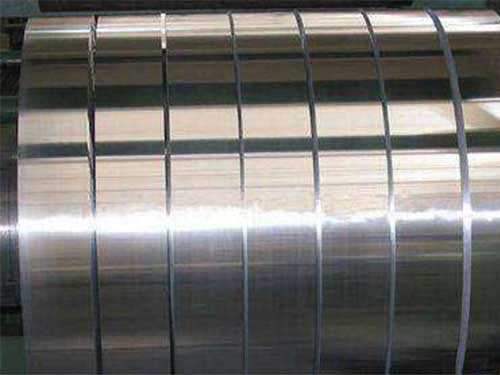
1100 1050 1060 3003 8011 Aluminum Strip
Aluminum strip is often selected by thickness and price first, but its real performance is decided later: during bending, stamping, deep drawing, winding, coating, or long-term use in a humid environment. The difference between 1100, 1050, 1060, 3003, and 8011 aluminum strip comes from a small change in alloy chemistry that produces a very different response on the production line.
For buyers, the practical question is not simply which alloy is stronger. It is which strip remains stable from coil delivery to the finished part. A lamp-cap blank needs clean stamping and consistent surface quality. Transformer winding material needs high electrical conductivity. A packaging or closure component may need controlled hardness, fold endurance, and corrosion resistance. Selecting the alloy from the final operation backward can reduce cracking, excessive springback, and scrap.
What Separates These Aluminum Strip Grades
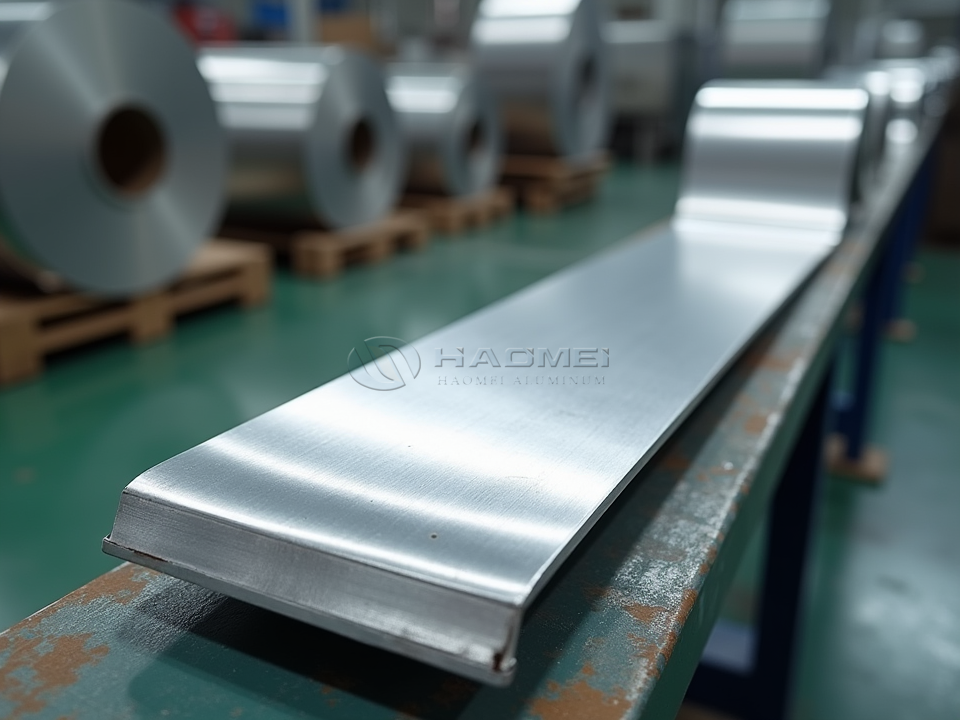
The 1100, 1050, and 1060 grades belong to the commercially pure aluminum family. Their high aluminum content gives them excellent corrosion resistance, thermal conductivity, electrical conductivity, and ductility. They are the natural choice when forming performance or conductivity matters more than structural strength.
1100 aluminum strip is known for dependable workability and good surface appearance. It is commonly used for decorative trim, lighting components, chemical equipment parts, heat-transfer products, and general stamping.
1050 aluminum strip contains at least 99.50% aluminum and offers a clean balance of conductivity, softness, and cost efficiency. It is frequently selected for cable wrapping, transformer strip, roofing accessories, cookware components, and reflective applications. For detailed coil options, see 1050 / 1060 Aluminum Strip.
1060 aluminum strip has a slightly higher aluminum purity requirement, at 99.60% minimum. Its conductivity is marginally better than 1050, making it popular in electrical, thermal, and conductor-related applications. It also performs well in drawing, spinning, and ordinary bending operations.
3003 aluminum strip adds manganese to pure aluminum. This produces a noticeable increase in strength while preserving good corrosion resistance and reasonable formability. It is a dependable material for cookware, building insulation, shutters, heat exchangers, storage tanks, and stamped components. Buyers seeking a stronger general-purpose coil can review 3003 Aluminum Strip specifications for application-focused selections.
8011 aluminum strip is an aluminum-iron-silicon alloy. It is widely used in closure stock, packaging, fin stock, cable shielding, pharmaceutical caps, and foil-related conversion. Its controlled iron and silicon content provides useful strength and processing stability, particularly where thin gauges and repeated forming are involved.
Chemical Composition Range
The chemical composition should be verified against the purchase standard and mill test certificate. Values shown are common mass-percentage limits for standard alloy designations.
| Alloy | Al | Si | Fe | Cu | Mn | Mg | Zn | Other Elements |
|---|---|---|---|---|---|---|---|---|
| 1100 | 99.00 min | Si + Fe 0.95 max | Si + Fe 0.95 max | 0.05-0.20 | 0.05 max | - | 0.10 max | 0.05 each, 0.15 total max |
| 1050 | 99.50 min | 0.25 max | 0.40 max | 0.05 max | 0.05 max | 0.05 max | 0.07 max | 0.03 each, 0.10 total max |
| 1060 | 99.60 min | 0.25 max | 0.35 max | 0.05 max | 0.03 max | 0.03 max | 0.05 max | 0.03 each, 0.10 total max |
| 3003 | Balance | 0.60 max | 0.70 max | 0.05-0.20 | 1.00-1.50 | - | 0.10 max | 0.05 each, 0.15 total max |
| 8011 | Balance | 0.50-0.90 | 0.60-1.00 | 0.10 max | 0.20 max | 0.05 max | 0.10 max | 0.05 each, 0.15 total max |
Higher aluminum purity generally supports electrical conductivity and deep drawing. Manganese in 3003 increases strength through solid-solution strengthening, while the iron-silicon balance in 8011 supports stable rolling and conversion behavior.
Temper Is the Working Personality of the Strip
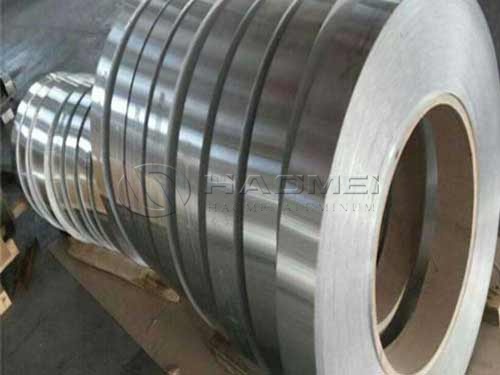
Temper describes the material condition after rolling and heat treatment. The same alloy can behave very differently in O, H14, or H24 temper.
O temper means fully annealed material. It has the highest ductility and is preferred for deep drawing, spinning, complex bending, and parts with tight radii. O temper is often chosen for 1100, 1050, 1060, 3003, and 8011 when the forming operation is demanding.
H12, H14, H16, and H18 describe strain-hardened material at increasing hardness levels. H14 is half-hard and remains practical for moderate bending and stamping. H18 is full-hard, delivering higher strength but reduced elongation. It is suitable when flatness, stiffness, or resistance to handling damage matters more than deep forming.
H22, H24, and H26 are strain-hardened and partially annealed tempers. These conditions offer a useful compromise between strength and formability. For example, 3003 H24 is often selected for formed building products and cookware components because it resists deformation better than O temper while still allowing controlled shaping.
Typical mechanical values vary by thickness, standard, and temper, but the general trend is clear. Pure aluminum alloys in O temper may have tensile strengths around 70-110 MPa, while H14 tempers commonly rise into the 95-145 MPa range. 3003 typically offers higher strength, with H14 or H24 material often reaching approximately 130-180 MPa. Purchase specifications should state the required tensile strength, yield strength where applicable, and elongation range.
Dimensions, Surface, and Coil Conditions
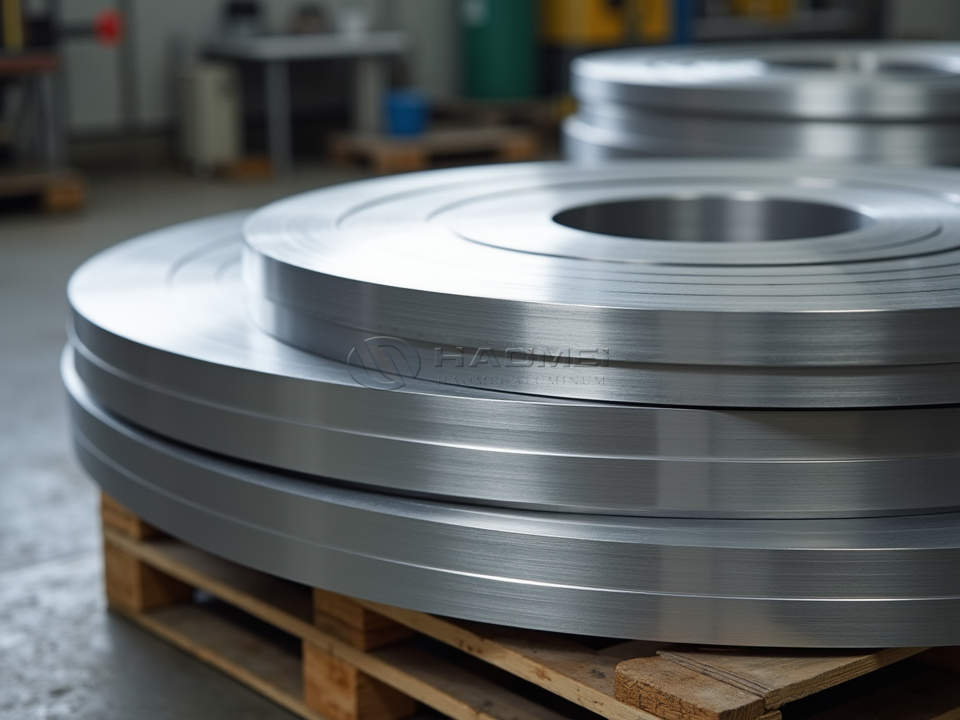
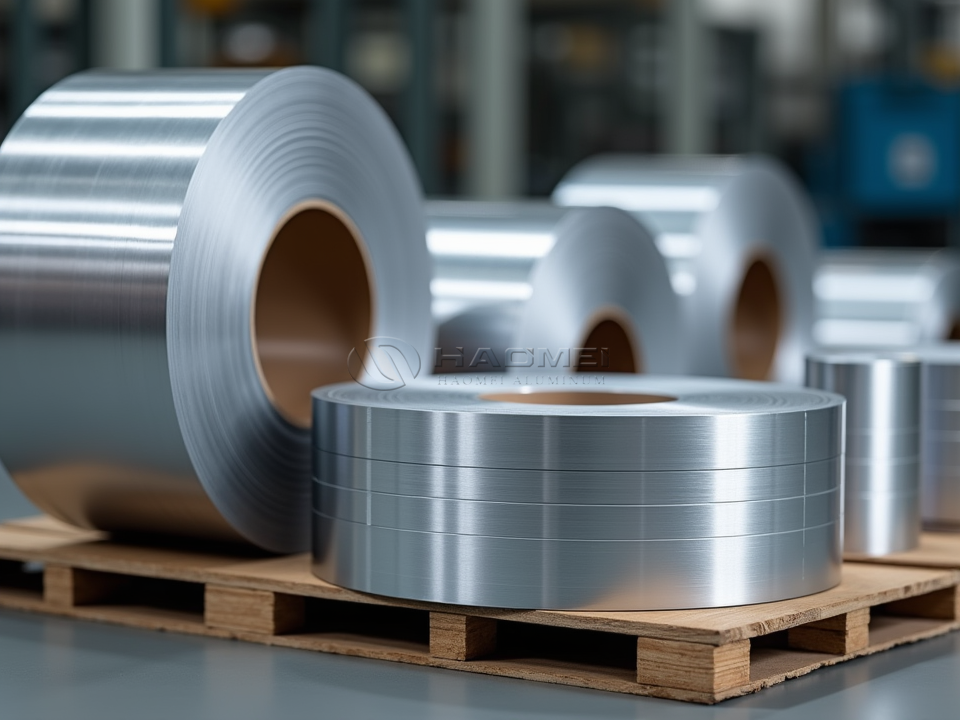
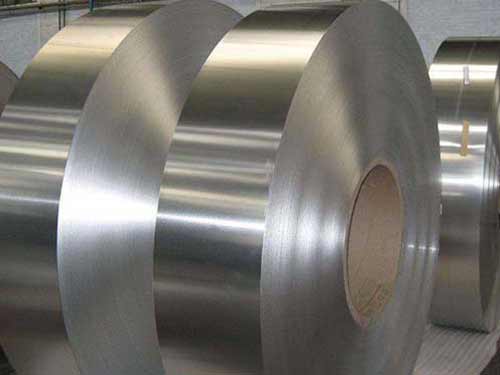
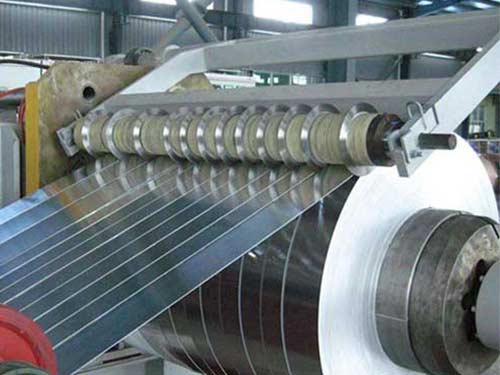
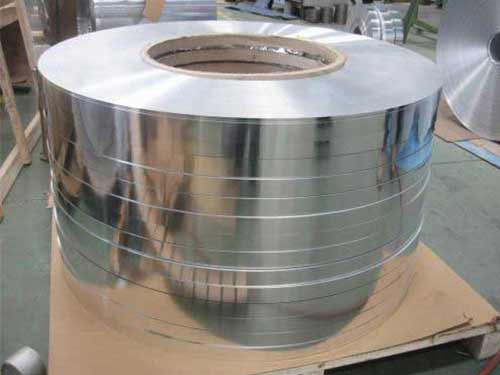
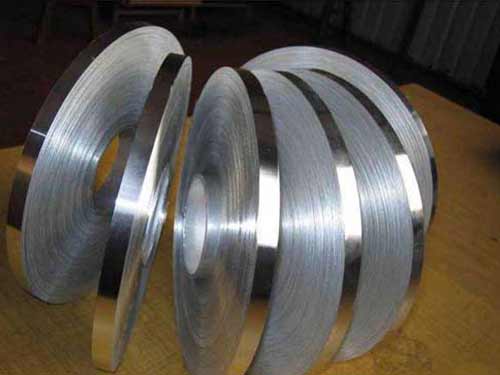
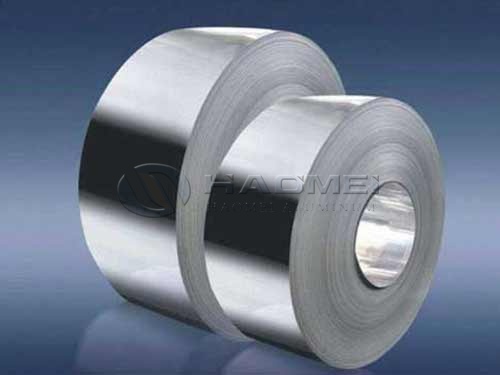
Aluminum strip is usually supplied as slit coil. Common thickness ranges extend from about 0.10 mm to 6.00 mm, while strip widths can range from narrow precision slit widths of 10 mm to 1,600 mm or more, depending on parent-coil capacity. Inner diameters such as 150 mm, 300 mm, 405 mm, 505 mm, and 508 mm are commonly available.
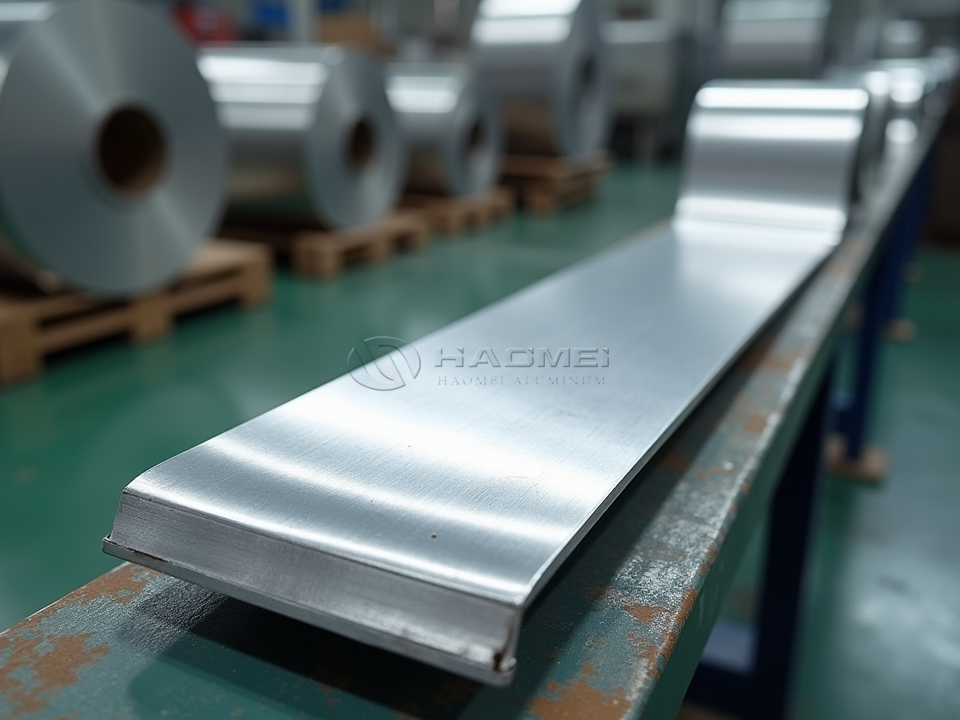
A complete order description should identify alloy, temper, thickness, width, coil weight, inner diameter, surface finish, edge condition, and allowable dimensional tolerances. Slit edges may be mill edge, trimmed edge, deburred edge, or rounded edge. For stamping and winding, burr height and edge wave deserve close attention because they can affect tool wear, insulation layers, and automatic feeding.
Surface options may include mill finish, bright finish, brushed finish, embossed finish, color-coated surface, laminated surface, or lubricated surface for forming. If the strip will be anodized, painted, printed, or bonded, cleanliness and surface-treatment compatibility should be agreed before production.
Standards and Inspection Conditions
Common implementation standards for aluminum strip include ASTM B209 for aluminum and aluminum-alloy sheet and plate products, EN 485-2 for mechanical properties, EN 573-3 for chemical composition, GB/T 3880 for aluminum and aluminum-alloy sheets and strips, and JIS H4000 for aluminum products in Japanese industrial applications. Thin 8011 material intended for foil conversion may also be evaluated under foil-related requirements such as ASTM B479, depending on final gauge and use.
Inspection normally covers alloy chemistry, temper, thickness tolerance, width tolerance, flatness, camber, coil shape, surface defects, mechanical properties, and packaging condition. For electrical applications, conductivity may be specified. For deep drawing, grain structure, earing behavior, lubrication, and elongation can be more meaningful than tensile strength alone.
The best aluminum strip is the one that matches the actual manufacturing route. Choose 1050 or 1060 when conductivity and softness lead the decision. Select 1100 for reliable general forming and attractive finished surfaces. Move to 3003 when additional strength is needed without sacrificing corrosion resistance. Use 8011 where thin-gauge conversion, closures, packaging, and controlled rigidity are central to the finished product.