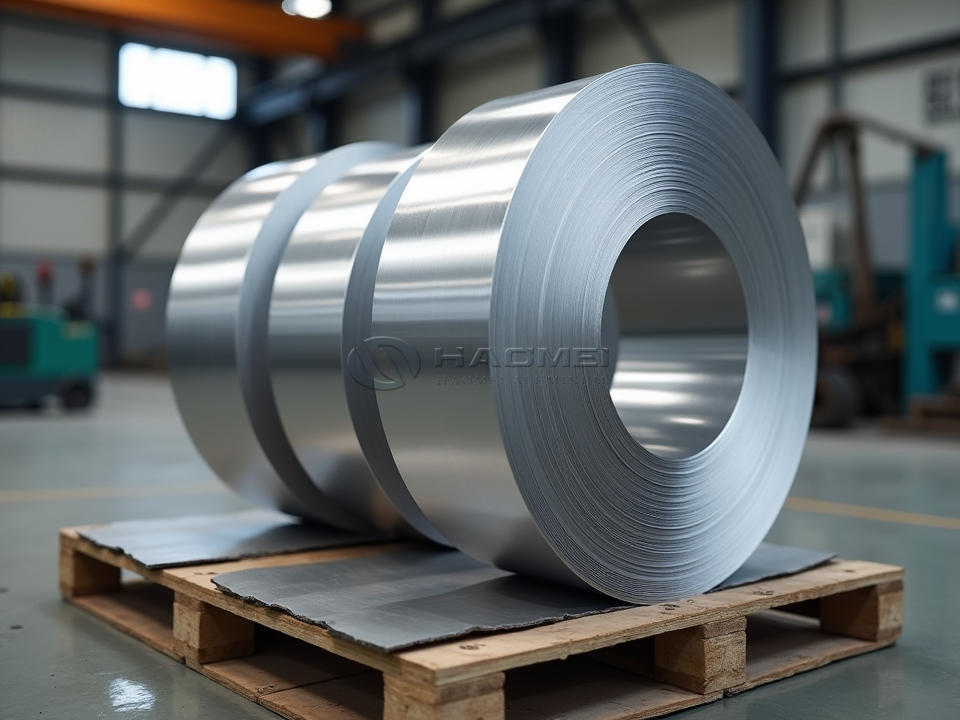
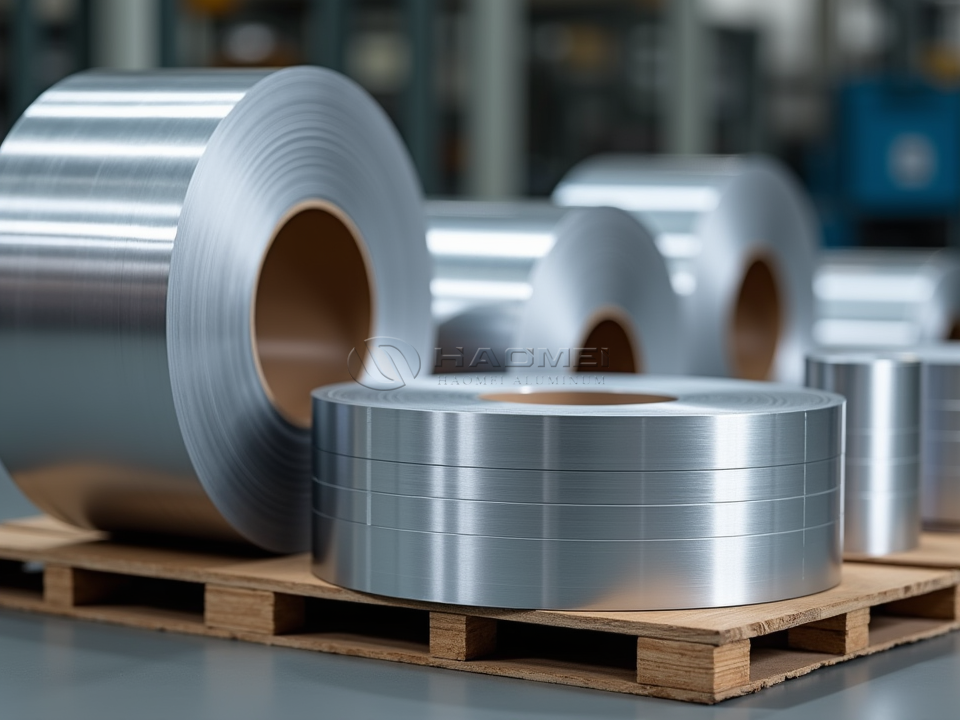
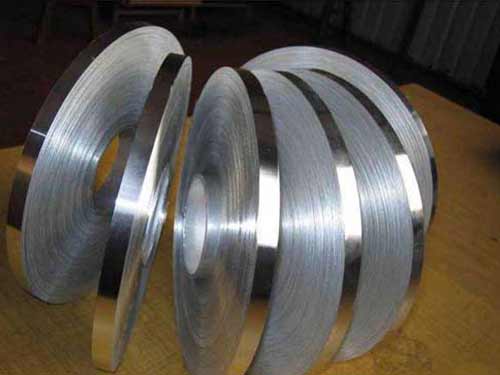
Stable Quality 5052 H32 Aluminum Strip
In many factories, aluminum strip is not judged only by its certificate. It is judged by how it feeds through a press, how it bends at the same angle from coil head to coil tail, how cleanly it slits, and how long it resists humid air, salt spray, vibration, and daily handling. Stable Quality 5052 H32 Aluminum Strip is valued because it turns metal behavior into a repeatable process.
5052 belongs to the aluminum-magnesium alloy family. It is not heat treatable, but it gains strength through cold working. The H32 temper means the strip has been strain hardened and then stabilized, giving it a balanced condition between strength, ductility, and dimensional control. For customers making stamped parts, housings, panels, marine fittings, brackets, tanks, and precision strips, this balance is often more useful than maximum hardness.
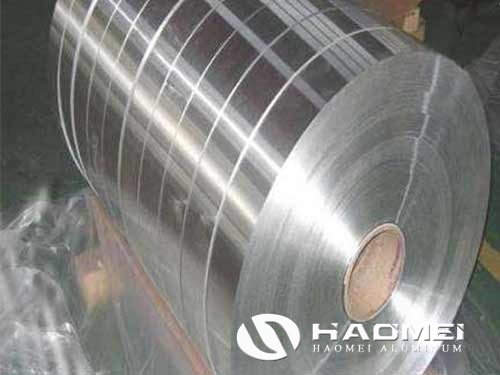
Why 5052 H32 Feels Different on the Production Line
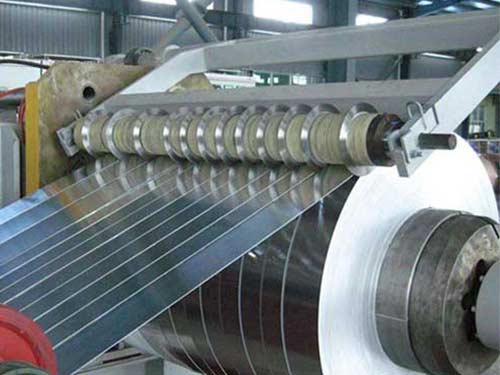
A good strip behaves like a controlled input. If tensile strength changes too much, stamping pressure changes. If elongation is low, corners crack. If flatness is poor, feeding becomes unstable. If burrs are high after slitting, downstream assembly may suffer.
5052 H32 aluminum strip offers reliable forming because magnesium improves strength while maintaining good ductility. Chromium helps refine corrosion resistance and structural stability. Compared with pure aluminum grades, 5052 H32 is stronger and more suitable for parts exposed to stress, moisture, or outdoor conditions. Compared with harder tempers, H32 is easier to bend, draw, roll form, and stamp without excessive cracking risk.
For buyers already comparing alloy families, Alloy Aluminum Strip selection usually depends on the balance between strength, formability, surface demand, and corrosion environment. In that comparison, 5052 H32 often becomes the practical choice when a part must be both formed and protected.
Typical Product Parameters
The following values can be customized according to order quantity, application, and processing route.
| Item | Common Specification |
|---|---|
| Alloy | 5052 aluminum alloy |
| Temper | H32, strain hardened and stabilized |
| Thickness | 0.20 mm-6.00 mm, common strip range 0.30 mm-3.00 mm |
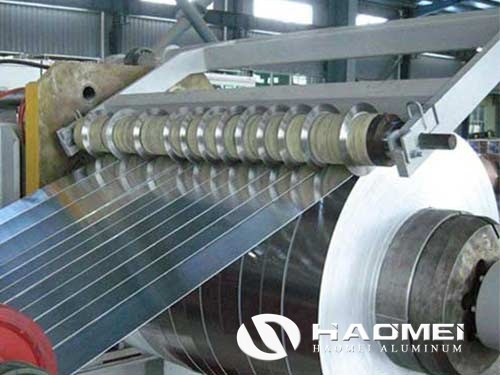
| Width | 10 mm-1600 mm, narrow slitting available |
| Coil ID | 300 mm, 405 mm, 505 mm, or customized |
| Coil weight | According to width, thickness, and handling limits |
| Surface | Mill finish, bright finish, brushed, coated, or protected film if required |
| Edge | Slit edge, deburred edge, rounded edge by request |
| Flatness | Controlled according to thickness and width tolerance |
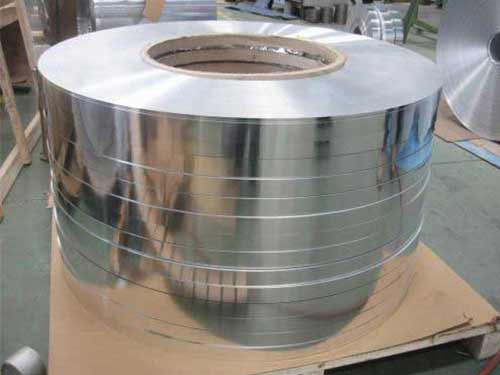
| Packaging | Moisture-proof paper, plastic film, wooden pallet or wooden case |
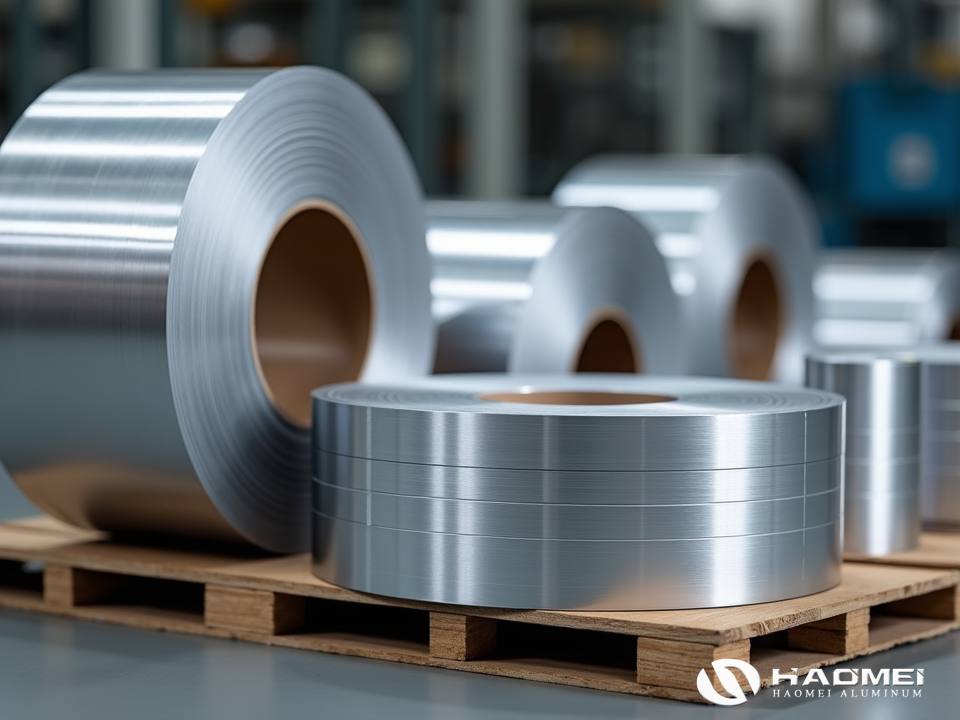
Chemical Composition of 5052 Aluminum Strip
The strength and corrosion resistance of 5052 H32 come mainly from magnesium, supported by chromium. The composition is generally controlled according to international aluminum standards.
| Element | Content, % |
|---|---|
| Silicon, Si | ≤ 0.25 |
| Iron, Fe | ≤ 0.40 |
| Copper, Cu | ≤ 0.10 |
| Manganese, Mn | ≤ 0.10 |
| Magnesium, Mg | 2.20-2.80 |
| Chromium, Cr | 0.15-0.35 |
| Zinc, Zn | ≤ 0.10 |
| Other elements, each | ≤ 0.05 |
| Other elements, total | ≤ 0.15 |
| Aluminum, Al | Balance |
The magnesium range is important. Too little Mg can reduce strength, while poor control can affect forming response. Chromium contributes to resistance against stress-related corrosion behavior and helps improve alloy stability during processing.
Temper H32: The Controlled Middle Ground
H32 is not simply a hardness label. It describes how the strip has been processed. The material is cold worked to raise strength, then stabilized to reduce internal stress and improve performance consistency. This is why H32 is often selected for parts requiring repeated bending, stamping, and service durability.
Typical mechanical properties are shown for reference. Final values depend on thickness, standard, and test direction.
| Property | Typical Range or Requirement |
|---|---|
| Tensile strength | 210-260 MPa |
| Yield strength | 160-215 MPa |
| Elongation | 5%-12%, depending on thickness |
| Hardness | About 60 HB |
| Density | 2.68 g/cm³ |
| Melting range | About 607-650°C |
| Electrical conductivity | About 30%-35% IACS |
This temper is especially helpful when parts need moderate rigidity but cannot become brittle during forming. It also gives predictable springback, which matters for stamped clips, covers, lamp parts, battery shells, and precision formed profiles.
Standards and Quality Control
Stable Quality 5052 H32 Aluminum Strip can be supplied according to common international standards, including ASTM B209, EN 485, GB/T 3880, JIS H4000, and customer technical drawings. RoHS and REACH compliance documentation can be provided when required for electrical, packaging, or consumer product supply chains.
Quality control should focus on more than chemical composition. A dependable strip order normally includes checks for thickness tolerance, width tolerance, diagonal burr, surface cleanliness, mechanical properties, coil winding tension, edge condition, and packaging moisture protection. For precision stamping, burr height and camber control may be as important as tensile strength.
Functions in Real Manufacturing
5052 H32 aluminum strip performs several roles at once. It carries load better than pure aluminum. It resists seawater atmosphere better than many general-purpose alloys. It can be bent and stamped into functional shapes. It also accepts surface treatments such as anodizing, brushing, coating, and painting.
In marine and outdoor applications, its corrosion resistance reduces maintenance pressure. In transportation, its low density helps reduce part weight without sacrificing too much strength. In electronics, it can be used for shielding covers, brackets, and structural housings. In pressure-free tank parts and pipe insulation components, it offers good moisture resistance and clean workability.
For customers sourcing grade-specific material, 5052 Aluminum Strip is often requested for applications where 3003 is not strong enough and 6061 is too hard or costly for continuous forming.
Application Fields
5052 H32 aluminum strip is widely used in stamped parts, electronic components, nameplate bases, marine accessories, vehicle interior and exterior parts, tank components, elevator decoration, cookware parts, brackets, LED lighting parts, cable shielding, blinds, and architectural trims.
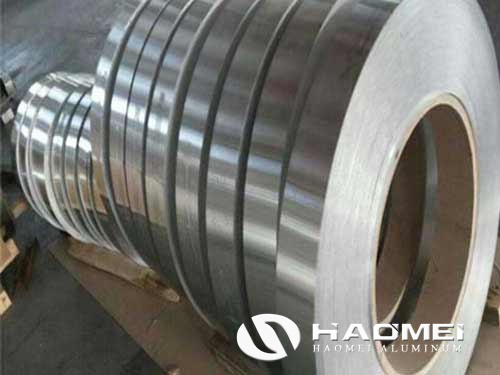
Its advantage becomes clear in medium-complexity parts. A deep corner, a folded flange, or a curved edge may fail if the strip is too hard. A thin panel may deform if the strip is too soft. H32 provides a workable position between these extremes, which helps factories reduce trial runs, scrap, and die adjustment time.
Surface, Edge, and Coil Details Buyers Should Confirm
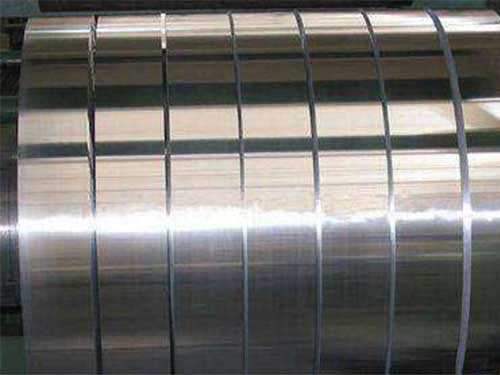
The same alloy and temper can perform differently if coil details are ignored. For visible parts, the surface should be free from black lines, oil stains, serious scratches, corrosion marks, and roller impressions. For stamping, surface oil type and cleanliness should match the die process. For narrow strip, edge burr and width tolerance must be carefully agreed upon.
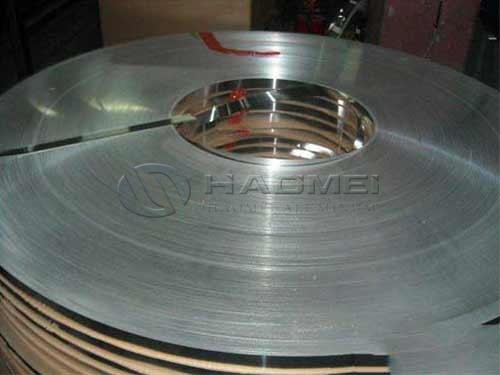
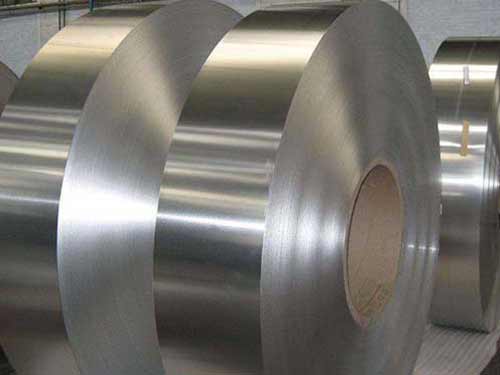
Coil winding also matters. Loose winding can cause telescoping. Excessive tension can lead to deformation. Proper packaging with moisture barrier protection is essential for ocean transport or long storage. When parts are exported after fabrication, clean surface and traceable mill certificates can reduce inspection disputes.
Purchasing Notes for Stable Supply
When ordering Stable Quality 5052 H32 Aluminum Strip, customers should provide thickness, width, coil ID, coil weight preference, tolerance requirements, surface condition, edge type, annual demand, application, and applicable standard. If the strip will be stamped, a drawing or sample helps confirm whether elongation, hardness, and burr control require tighter limits.
A reliable supplier does not only sell coils. It helps match alloy, temper, tolerance, surface, and packaging to the final working condition. That is the real value of 5052 H32 aluminum strip: it keeps production smooth, parts consistent, and long-term service dependable.