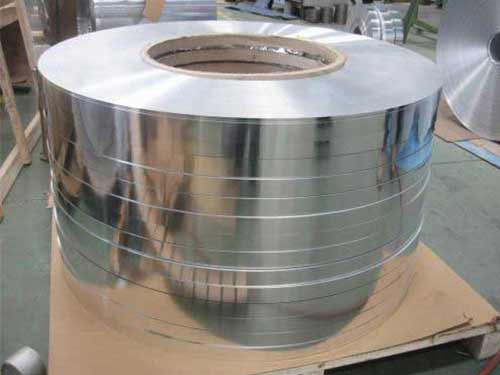
Aluminum Nose Bridge Strip
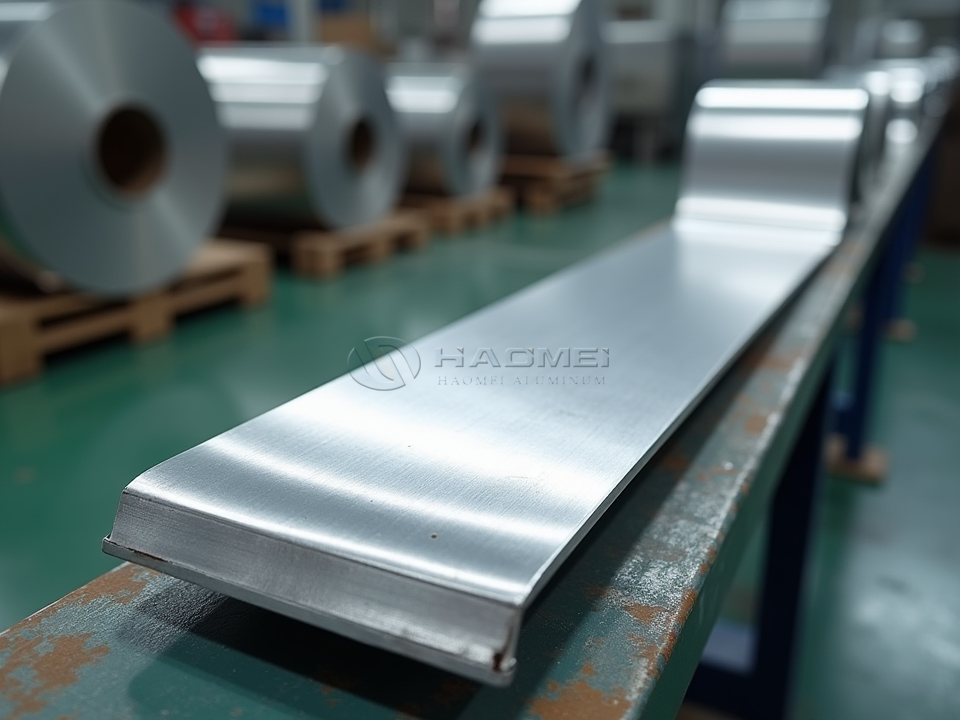
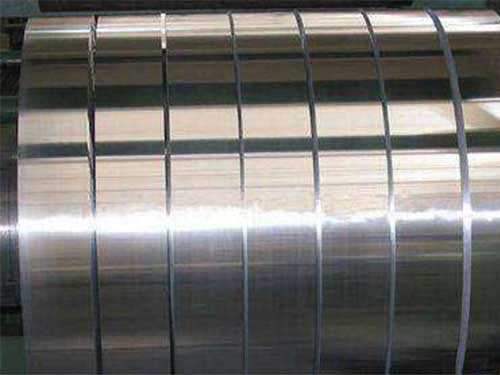
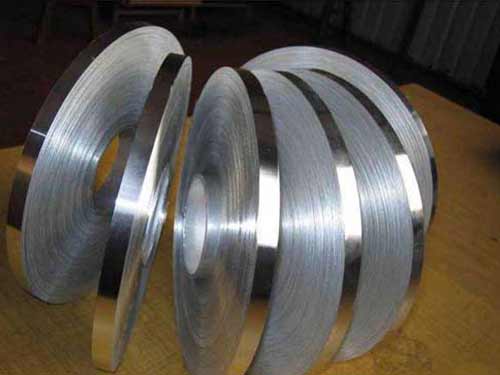
An aluminum nose bridge strip is a narrow, soft-forming aluminum strip used in face masks, respirators, medical dressings, eye patches, and other products that need a stable, skin-friendly shape-retaining component. It is placed across the nose area so the user can press the mask into a close contour, reducing air leakage and improving comfort during extended wear.
Compared with plastic nose wires or iron wires, aluminum offers balanced flexibility, corrosion resistance, low weight, non-magnetic behavior, and clean slit edges. For disposable masks, medical masks, KN95 masks, N95-style respirators, and industrial dust masks, the aluminum nose bridge strip supports both manual forming and high-speed automatic mask production.
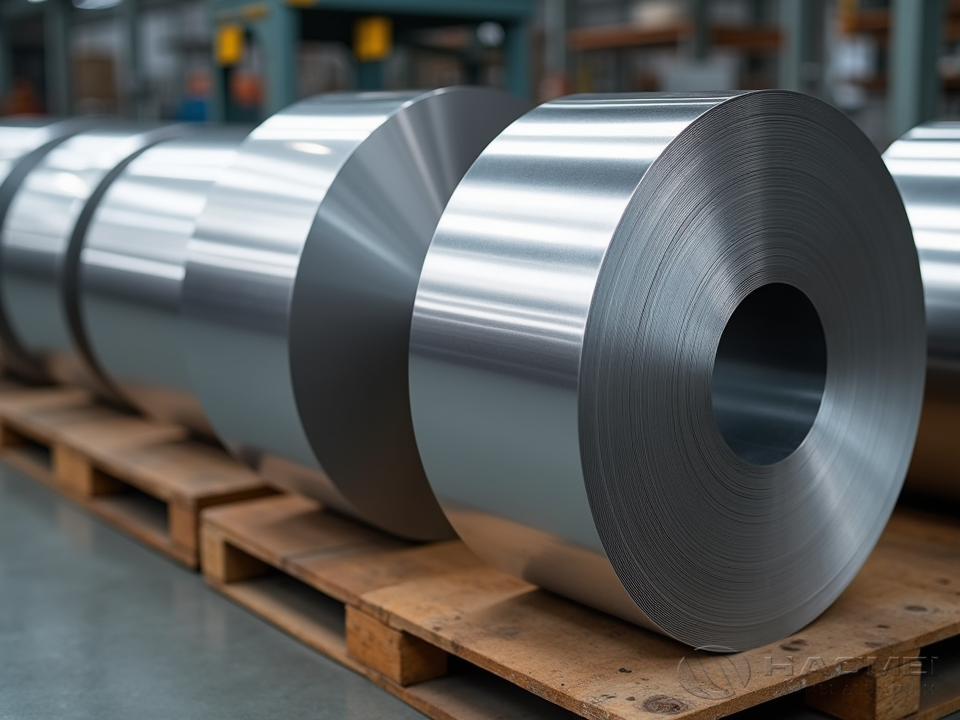
Main Functions of Aluminum Nose Bridge Strip
The main purpose of the strip is simple: hold the mask close to the nose without springing back too much. In practice, this small part affects wearing comfort, filtration performance, appearance, and production stability.
| Function | Practical Value for Mask Products |
|---|---|
| Nose contour fitting | Helps the mask follow different face shapes and reduces gaps around the nose |
| Shape memory after pressing | Maintains the bent shape during talking, breathing, and movement |
| Air leakage reduction | Improves sealing performance for medical, civil, and industrial masks |
| Comfort support | Soft aluminum reduces pressure points when edges are well rounded |
| Production positioning | Stable width and coil winding support automated feeding and cutting |
| Corrosion resistance | Aluminum oxide film protects the strip from moisture and sweat exposure |
| Non-magnetic property | Suitable for many medical and electronic production environments |
Typical Applications
Aluminum nose bridge strip is widely used wherever a light, adjustable, and safe forming component is required. The product can be supplied as bare aluminum, adhesive-backed aluminum, PE-coated aluminum, or composite strip depending on mask structure and processing method.
| Application | Recommended Strip Type | Common Requirement |
|---|---|---|
| Disposable flat mask | Single aluminum strip or adhesive aluminum strip | Easy bending, low cost, clean surface |
| Surgical mask | Smooth-edge aluminum strip | Medical cleanliness, stable adhesion, no burrs |
| KN95 or N95-style mask | Wider or thicker aluminum strip | Stronger shaping force and better seal retention |
| Cup-shaped respirator | Tempered aluminum strip | Higher rigidity with controlled rebound |
| Fish-shaped mask | Narrow precision strip | Accurate feeding, good curvature forming |
| Eye patch or medical dressing | Soft aluminum strip | Gentle shaping and skin-contact compatibility |
| Packaging and closure tabs | Soft aluminum strip | Repeated bending and neat appearance |
For high-purity mask nose strip production, many buyers select 1050 / 1060 Aluminum Strip because it combines excellent formability, bright surface quality, and predictable slitting performance.
Common Alloys and Temper Conditions
The best alloy and temper depend on the balance between softness, bending force, rebound control, and cost. Pure aluminum grades are preferred for soft nose clips, while 3003 or 8011 may be used when slightly higher strength is needed.
| Alloy | Main Feature | Typical Temper | Suitability for Nose Bridge Strip |
|---|---|---|---|
| 1050 | High aluminum purity, very soft, excellent ductility | O, H12, H14 | Premium soft forming and medical mask use |
| 1060 | High purity, good conductivity, clean surface | O, H12, H14 | Widely used for disposable and surgical masks |
| 1070 | Higher purity, smooth surface | O, H12 | Fine surface requirement and easy bending |
| 1100 | Commercially pure aluminum with good formability | O, H14 | Stable bending and general mask use |
| 3003 | Al-Mn alloy, higher strength than 1xxx | O, H14 | Respirators needing stronger shaping force |
| 8011 | Al-Fe-Si alloy, good processing stability | O, H14 | Coated strip and composite mask components |
| Temper | Mechanical Character | Typical Use |
|---|---|---|
| O | Fully annealed, softest condition | Soft mask nose bridge and medical dressing |
| H12 | Strain hardened to low strength | Better handling while retaining bendability |
| H14 | Half-hard condition | Stronger nose clip, reduced deformation during assembly |
| H18 | Full-hard condition | Special applications requiring stiffness, less common for comfort masks |
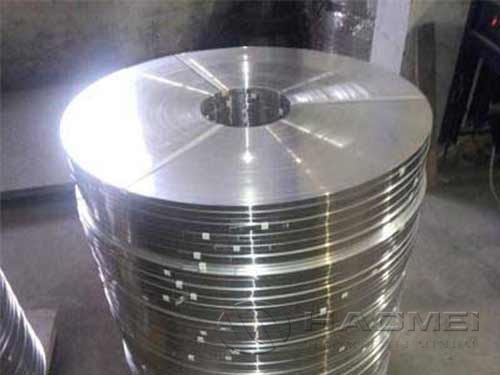
Technical Specifications
Precision is important because the strip must feed smoothly into mask machines and remain comfortable after cutting. Burrs, camber, uneven coating, or poor winding can cause machine stoppage or uncomfortable finished products.
| Parameter | Typical Range | Notes |
|---|---|---|
| Thickness | 0.30-1.00 mm | 0.40-0.70 mm is common for masks |
| Width | 2.5-8.0 mm | 3.0, 4.0, 5.0 mm are frequent choices |
| Length per piece | 80-120 mm | Customized for mask size and equipment |
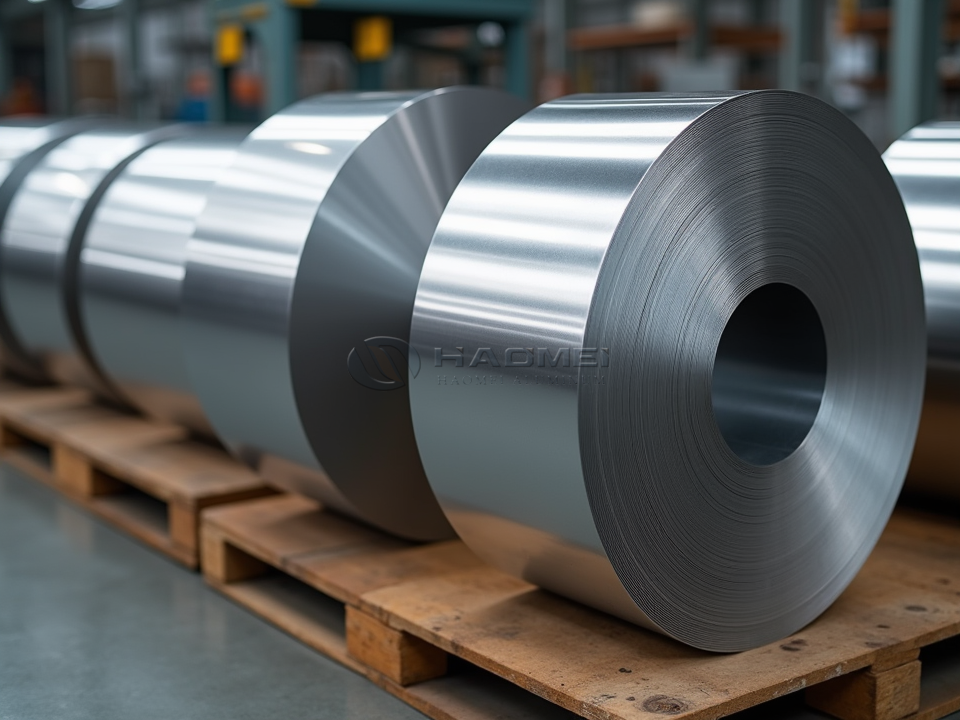
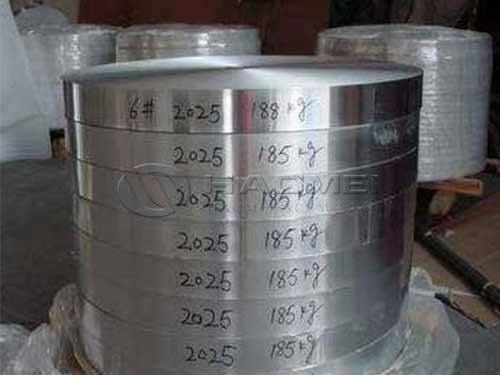
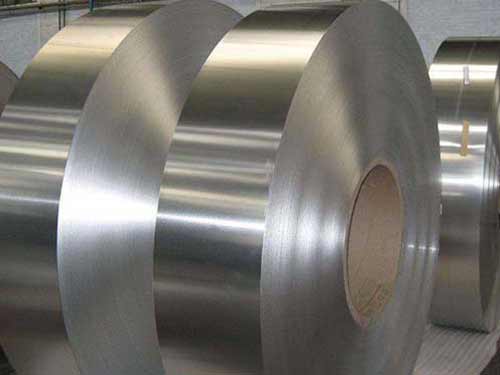
| Coil inner diameter | 76 mm, 150 mm, 300 mm | Matched to feeding system |
| Coil outer diameter | 300-800 mm | Depends on strip thickness and order weight |
| Width tolerance | ±0.05 mm to ±0.10 mm | Tighter tolerance available for automatic lines |
| Thickness tolerance | ±0.02 mm to ±0.05 mm | Controlled by rolling and inspection process |
| Burr height | Usually less than 0.03 mm | Critical for skin comfort and safe handling |
| Camber | Less than 2 mm per meter | Helps stable high-speed feeding |
| Surface | Bright, matte, coated, adhesive-backed | Selected according to mask structure |
| Edge type | Slit edge, rounded edge, deburred edge | Deburring improves comfort and safety |
Chemical Composition Reference
Chemical composition follows the selected alloy standard. Values may vary slightly according to ASTM, EN, JIS, or GB requirements, but the ranges shown are widely accepted for aluminum strip production.
| Alloy | Si | Fe | Cu | Mn | Mg | Zn | Ti | Al |
|---|---|---|---|---|---|---|---|---|
| 1050 | ≤0.25 | ≤0.40 | ≤0.05 | ≤0.05 | ≤0.05 | ≤0.05 | ≤0.03 | ≥99.50 |
| 1060 | ≤0.25 | ≤0.35 | ≤0.05 | ≤0.03 | ≤0.03 | ≤0.05 | ≤0.03 | ≥99.60 |
| 1100 | Si+Fe ≤0.95 | Si+Fe ≤0.95 | 0.05-0.20 | ≤0.05 | - | ≤0.10 | - | ≥99.00 |
| 3003 | ≤0.60 | ≤0.70 | 0.05-0.20 | 1.00-1.50 | - | ≤0.10 | - | Balance |
| 8011 | 0.50-0.90 | 0.60-1.00 | ≤0.10 | ≤0.20 | ≤0.05 | ≤0.10 | ≤0.08 | Balance |
Mechanical and Physical Properties
The strip must bend easily without cracking, yet retain enough holding force after pressing. Fully annealed 1060 or 1050 is commonly chosen when comfort is the top priority. H14 temper may be preferred for masks that need a firmer nose seal.
| Property | 1050-O / 1060-O Typical Value | 1060-H14 Typical Value | Product Meaning |
|---|---|---|---|
| Tensile strength | 60-100 MPa | 95-135 MPa | Higher strength gives stronger forming force |
| Yield strength | 20-40 MPa | 70-110 MPa | Affects rebound and shape retention |
| Elongation | 20-35% | 3-10% | Higher elongation improves bend safety |
| Density | 2.70 g/cm³ | 2.70 g/cm³ | Lightweight for mask comfort |
| Melting range | 646-657°C | 646-657°C | Stable during normal mask processing |
| Electrical conductivity | About 55-62% IACS | About 55-62% IACS | Reflects high-purity aluminum character |
| Corrosion behavior | Excellent | Excellent | Natural oxide layer resists sweat and humidity |
Surface, Coating, and Adhesive Options
Different mask designs require different strip structures. Bare aluminum can be inserted into a fabric pocket or laminated between nonwoven layers. Adhesive-backed strip simplifies positioning. PE-coated strip improves hand feel and insulation from direct metal contact.
| Surface Option | Structure | Advantage | Typical Use |
|---|---|---|---|
| Bare aluminum | Slit aluminum strip | Economical, easy to recycle, high forming accuracy | Internal mask nose bridge |
| Adhesive-backed | Aluminum plus pressure-sensitive adhesive | Fast attachment, simple assembly | Flat mask and craft mask production |
| PE-coated | Aluminum plus PE layer | Smooth touch, color options, extra protection | Consumer masks and skin-contact items |
| Paper-laminated | Aluminum with paper or release liner | Better handling for stamping or die cutting | Pre-cut nose bridge strips |
| Color coated | Coated aluminum strip | Visual matching with mask body | Fashion and retail masks |
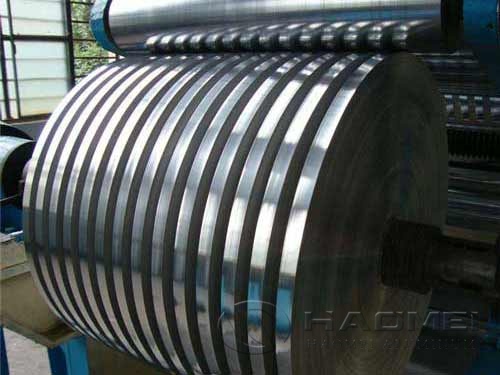
Standards and Quality Control
A reliable aluminum nose bridge strip should be manufactured with stable alloy chemistry, controlled rolling, precision slitting, and clean packaging. For medical or hygiene-related use, extra attention should be given to oil residue, surface cleanliness, and packaging protection.
| Category | Common Reference Standard or Requirement |
|---|---|
| Aluminum alloy composition | ASTM B209, EN 573, GB/T 3190, JIS H4000 |
| Rolled aluminum strip | GB/T 3880, ASTM B209, EN 485 |
| Dimension inspection | Width, thickness, camber, burr height, coil alignment |
| Surface inspection | No heavy oil, black spots, corrosion, cracks, dents, or foreign matter |
| Safety compliance | RoHS, REACH, food-contact or medical-contact evaluation if required |
| Biocompatibility reference | ISO 10993 may be considered for skin-contact designs |
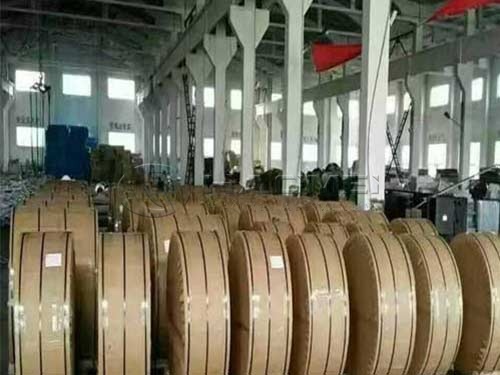
| Packaging protection | Moisture-proof wrapping, anti-collision pallet, label traceability |
Production Process
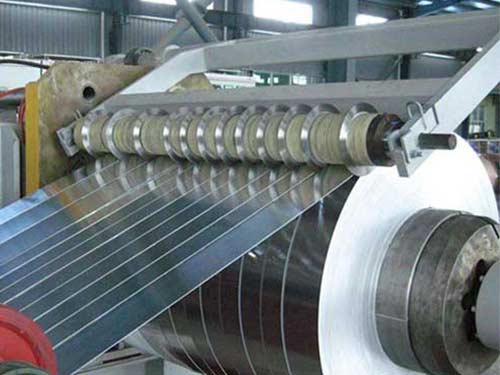
The manufacturing route usually begins with aluminum ingot casting or hot-rolled coil preparation, followed by cold rolling to the required thickness. After annealing or strain hardening, the strip is slit into narrow widths. Edge treatment, coating, adhesive lamination, inspection, and coil packaging are added according to customer drawings.
| Process Stage | Control Point | Effect on Finished Strip |
|---|---|---|
| Cold rolling | Thickness accuracy and surface finish | Stable bending and attractive appearance |
| Annealing | Temperature and time | Controls softness and elongation |
| Slitting | Knife clearance and blade condition | Reduces burrs and width deviation |
| Deburring or rounding | Edge smoothness | Improves comfort and safety |
| Coating or adhesive lamination | Coating thickness and adhesion | Enhances processing convenience |
| Coil winding | Tension and alignment | Prevents loose coils, telescoping, and feeding issues |
| Final inspection | Dimensions, surface, mechanical test | Confirms shipment consistency |
Purchasing Notes for Mask Manufacturers
When selecting aluminum nose bridge strip, buyers should match the strip to mask type, machine speed, and wearing scenario. Soft 1050-O or 1060-O strip is suitable for comfort-focused medical masks. H14 temper or 3003 strip provides stronger forming force for respirators. Width and thickness should be tested on the actual mask line because even small changes can affect sealing pressure and feeding stability.
For large-volume production, request samples from the same alloy, temper, coating, and coil size intended for mass orders. Confirm burr control, adhesive strength, oil cleanliness, and coil winding before approving production. A well-made aluminum nose bridge strip is a small component, but it plays a major role in mask fit, user comfort, and finished product quality.