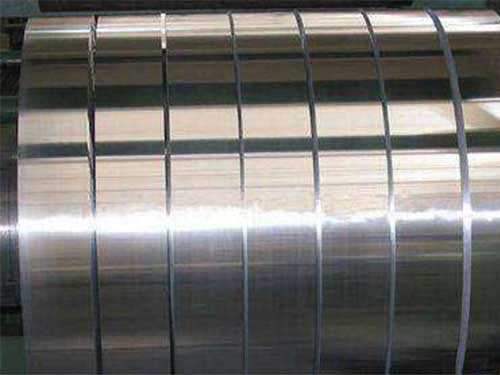
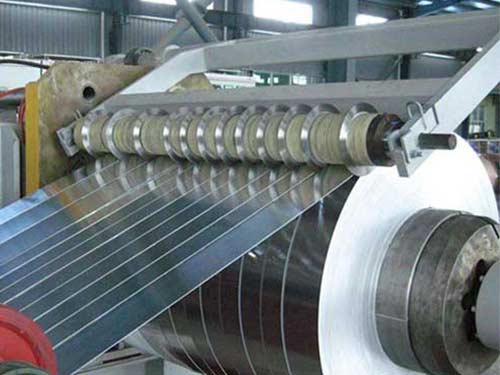
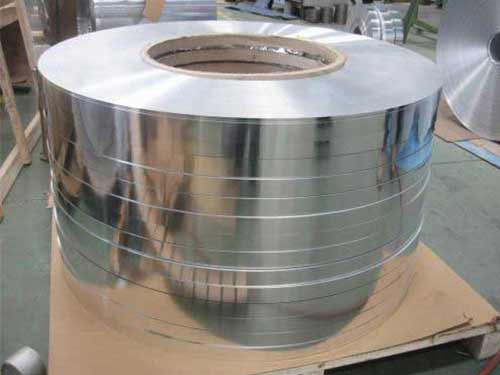
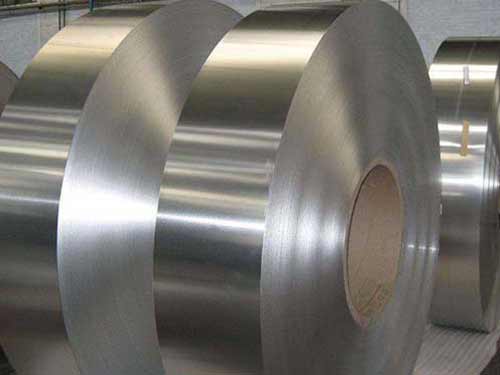
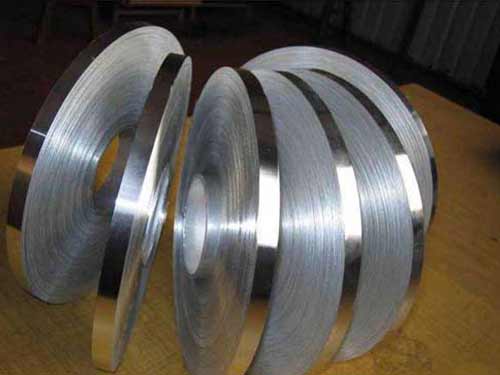
Custom Printing Aluminum Foil Strip
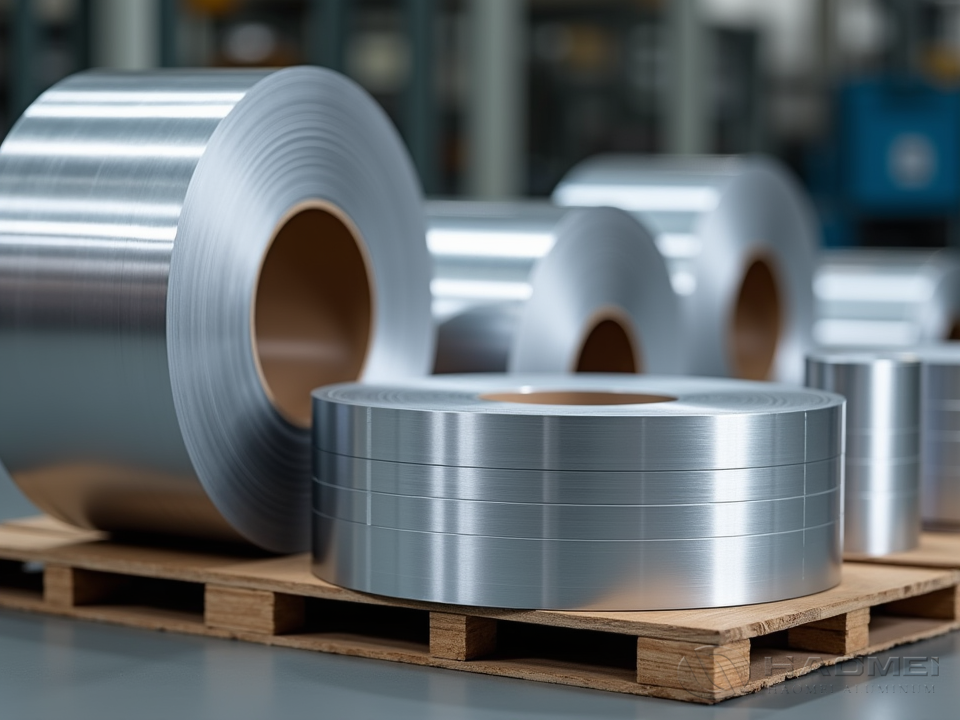
Custom printing aluminum foil strip is more than a thin metal coil with color on its surface. It is a moving label, a protective skin, a sealing component, and a brand carrier all at once. In many production lines, the strip is fed at high speed, stamped, sealed, folded, capped, or laminated. The printed surface must stay bright, readable, and firmly bonded even after heat, pressure, friction, and forming.
For buyers, the real question is not only whether aluminum foil strip can be printed. The better question is whether the base alloy, temper, surface treatment, ink system, and slitting precision are designed as one complete material solution.
Why Aluminum Foil Strip Is a Good Printing Base
Aluminum has a natural metallic brightness, low density, strong barrier performance, and excellent thermal conductivity. These qualities make it attractive for bottle caps, food packaging, pharmaceutical sealing, cable shielding marks, cosmetic labels, tobacco packaging, heat-seal lids, and decorative strips.
The printing surface can be bright, matte, lacquered, coated, brushed, or chemically treated. Compared with paper or plastic film, aluminum foil strip has stronger dimensional stability under heat and pressure. Compared with thicker sheet, foil strip runs smoothly in continuous forming equipment and reduces material cost.
The most common printed aluminum foil strip applications use 8011, 1050, 1060, 1100, 3003, and 5052 alloys. For food and medicine packaging, 8011 Aluminum Strip is often selected because it offers good formability, stable barrier performance, and reliable compatibility with lacquer and heat-seal coatings. For conductive labels, flexible closures, and decorative uses, 1050 / 1060 Aluminum Strip provides high purity, soft forming behavior, and a clean surface for printing.
Product Parameters for Printed Aluminum Foil Strip
Printed foil strip must be specified with both metal and printing data. If only thickness and width are confirmed, later problems may appear during stamping, sealing, or automatic feeding. Typical supply ranges are shown here for reference.
| Item | Common Range or Requirement |
|---|---|
| Alloy | 1050, 1060, 1070, 1100, 3003, 3004, 5052, 8011 |
| Temper | O, H12, H14, H16, H18, H19, H22, H24 |
| Thickness | 0.006 mm to 0.30 mm, customized by application |
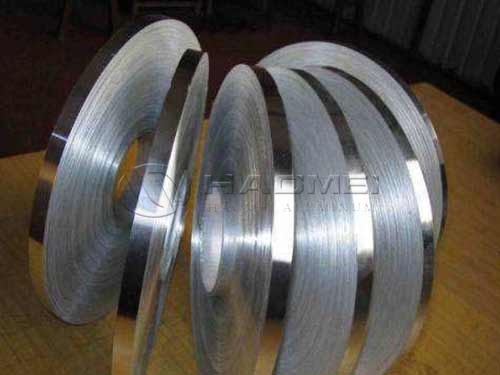
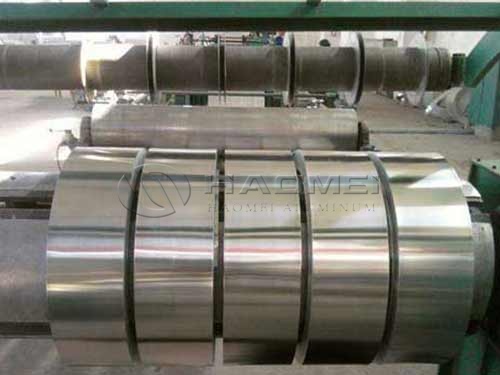
| Width | 10 mm to 1600 mm, narrow slit coils available |
| Coil ID | 76 mm, 150 mm, 152 mm, 300 mm, 400 mm, 508 mm |
| Coil OD | Usually 300 mm to 1200 mm |
| Surface | Mill finish, bright, matte, coated, lacquered, printed |
| Printing Method | Gravure, flexographic, offset, digital trial printing |
| Color System | Single color, multi-color, spot color, metallic effect |
| Surface Energy | Usually 36 to 42 dyn/cm after treatment, depending on ink |
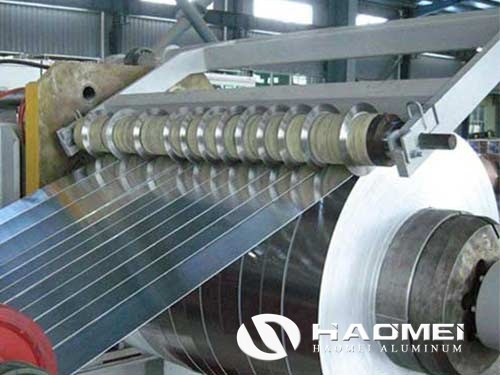
| Slitting Tolerance | Commonly +/-0.05 mm to +/-0.20 mm for narrow strip |
| Burr Requirement | Low burr, smooth edge, no edge crack for forming lines |
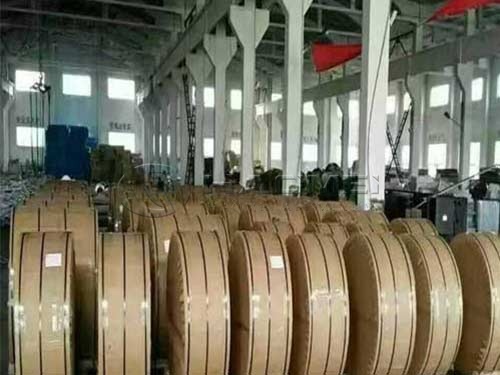
For high-speed packaging, coil winding quality is as important as printing quality. Loose winding can cause telescoping. Excessive winding tension may create wrinkles or block the coated surface. Good coils should unwind evenly, without sudden edge movement or surface sticking.
Alloy Tempering and How It Changes Printing Performance
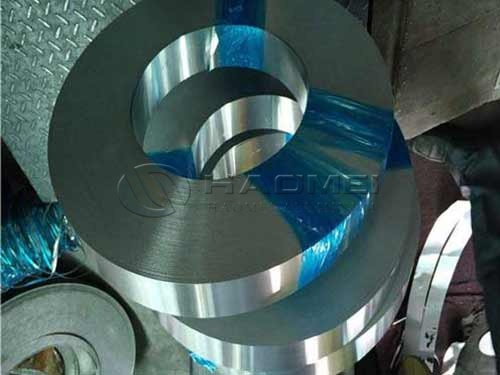
Temper controls the mechanical personality of aluminum foil strip. A soft O temper bends and forms easily, which is valuable for sealing lids, deep-drawn caps, and flexible packaging. Hard tempers such as H18 or H19 give higher strength and better flatness, but they are less forgiving during sharp forming.
H14 and H16 are often used when customers need a balance between shape retention and processing flexibility. H22 and H24 are strain-hardened and partially annealed, offering better ductility than full-hard strip while maintaining useful strength.
Printing also responds to temper. Softer foil can stretch slightly during forming, so the ink and lacquer must have matching flexibility. Harder strip is flatter for printing registration, but surface preparation must be stable to avoid ink lift-off during cutting or stamping. For cap stock and sealing strip, a printed layer may include primer, color ink, protective lacquer, and sometimes heat-seal coating on the reverse side.
Chemical Composition of Common Alloys
Chemical composition affects corrosion resistance, strength, elongation, and coating behavior. Values are typical limits by weight percent and should be confirmed according to the purchase standard.
| Alloy | Si | Fe | Cu | Mn | Mg | Zn | Ti | Al |
|---|---|---|---|---|---|---|---|---|
| 1050 | <=0.25 | <=0.40 | <=0.05 | <=0.05 | <=0.05 | <=0.05 | <=0.03 | >=99.50 |
| 1060 | <=0.25 | <=0.35 | <=0.05 | <=0.03 | <=0.03 | <=0.05 | <=0.03 | >=99.60 |
| 1100 | Si+Fe <=0.95 | Included | 0.05-0.20 | <=0.05 | - | <=0.10 | - | >=99.00 |
| 3003 | <=0.60 | <=0.70 | 0.05-0.20 | 1.00-1.50 | - | <=0.10 | - | Balance |
| 5052 | <=0.25 | <=0.40 | <=0.10 | <=0.10 | 2.20-2.80 | <=0.10 | - | Balance |
| 8011 | 0.50-0.90 | 0.60-1.00 | <=0.10 | <=0.20 | <=0.05 | <=0.10 | <=0.08 | Balance |
High-purity 1050 and 1060 have excellent conductivity and formability. 3003 gains strength from manganese and suits semi-rigid packaging or decorative strip. 5052 contains magnesium and gives stronger corrosion resistance. 8011 is a proven foil alloy for packaging because its iron and silicon content improves processing stability while keeping good ductility.
Printing Process Conditions That Matter
A clean aluminum surface is the start of successful printing. Rolling oil residues, oxide variation, dust, and moisture can reduce ink adhesion. Before printing, foil strip is usually degreased, corona treated, chemically treated, or primer coated. The goal is to create controlled surface energy and a stable bonding layer.
Gravure printing is widely used for fine graphics, logos, safety marks, QR codes, and multi-color packaging patterns. Flexographic printing is suitable for medium to large patterns and efficient production. Digital printing can be used for sampling, variable codes, and short-run brand tests, though industrial mass production still often relies on gravure or flexo systems.
Ink selection depends on end use. Food packaging requires compliant ink and lacquer systems with low odor and controlled migration. Pharmaceutical foil needs clean-room compatible handling and traceable coating control. Cap stock may require strong scratch resistance because the printed surface contacts forming tools and conveyor guides. Heat-seal lids need reverse-side coating with stable sealing temperature, peel strength, and sterilization resistance.
Implementation Standards and Quality Tests
Reliable custom printing aluminum foil strip should be produced and inspected according to recognized material and surface standards. Common references include ASTM B209 for aluminum sheet and strip, EN 485 for aluminum and aluminum alloy sheet, strip, and plate, EN 546 for aluminum foil, GB/T 3880 for aluminum plate, sheet, and strip, and GB/T 3198 for aluminum foil.
For printed and coated surfaces, adhesion can be checked by ISO 2409 or ASTM D3359 cross-cut testing. Color difference may be controlled with CIELAB values. Coating thickness can be tested by gravimetric or instrument methods. Salt spray resistance, boiling water resistance, solvent rub resistance, and heat resistance may be added when the end product faces humidity, sterilization, or friction.
Food-contact and environmental conditions may involve FDA, LFGB, RoHS, REACH, or customer-specific migration requirements. These standards do not replace alloy standards; they work together with them.
Practical Selection Advice for Buyers
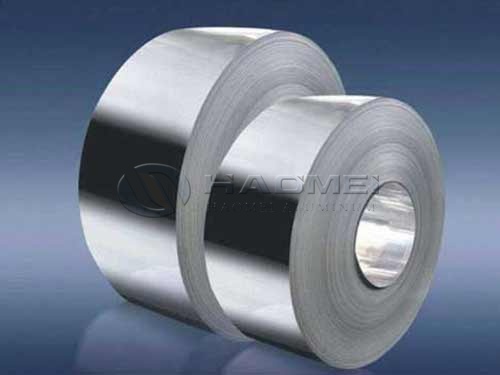
For easy forming and sealing, choose softer temper and test the printed foil after real stamping or sealing, not only as a flat sample. For sharp graphics, choose a flatter temper, controlled surface roughness, and stable coil tension. For narrow strip use, confirm edge quality, burr direction, winding alignment, and joint quantity. For outdoor or humid applications, ask for protective lacquer and corrosion testing.
Custom printing aluminum foil strip succeeds when decoration and engineering are planned together. The best result is a coil that looks attractive on the shelf, feeds smoothly on the machine, protects the product inside, and carries brand information without fading, cracking, or peeling.