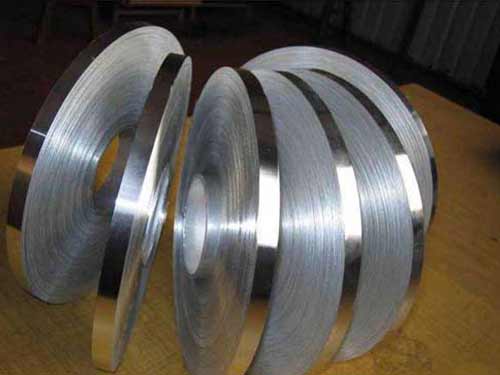
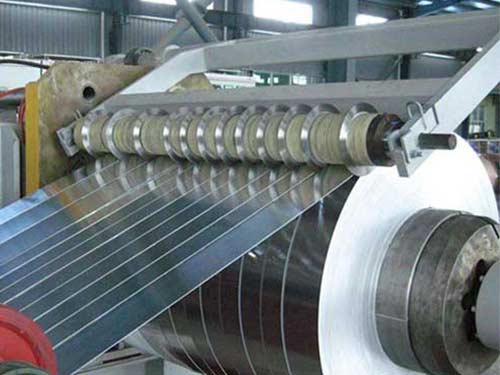
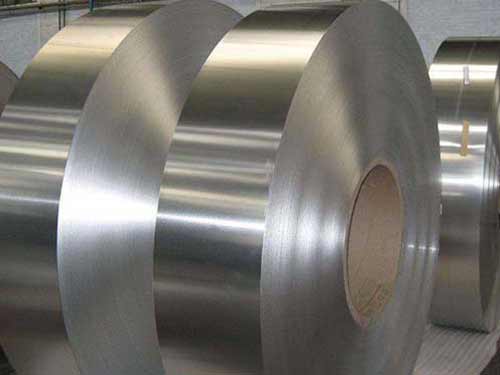
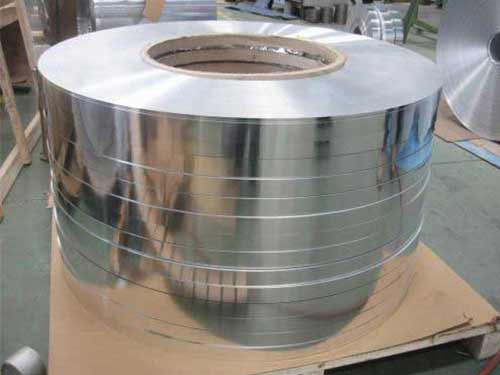
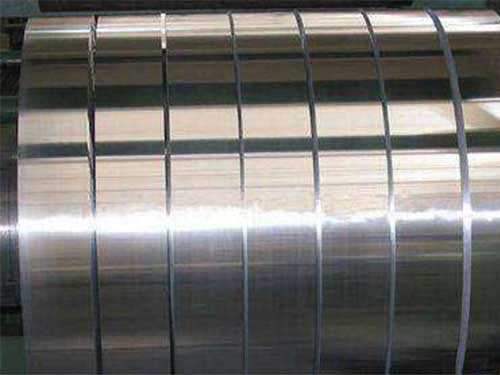
Strips Aluminum Tread Plate Mold 0.018-1.0mm Thick
Strips aluminum tread plate mold 0.018-1.0mm thick is a thin-gauge aluminum strip product designed for embossing, forming, lining, decorative covering, light anti-slip surfaces, and mold-contact applications. It combines the low weight of aluminum strip with a patterned surface that improves grip, stiffness, visual texture, and handling performance. Depending on the alloy and temper, it can be supplied as soft foil-like material for deep forming or as harder strip for panels, edge protection, stamping parts, and surface reinforcement.
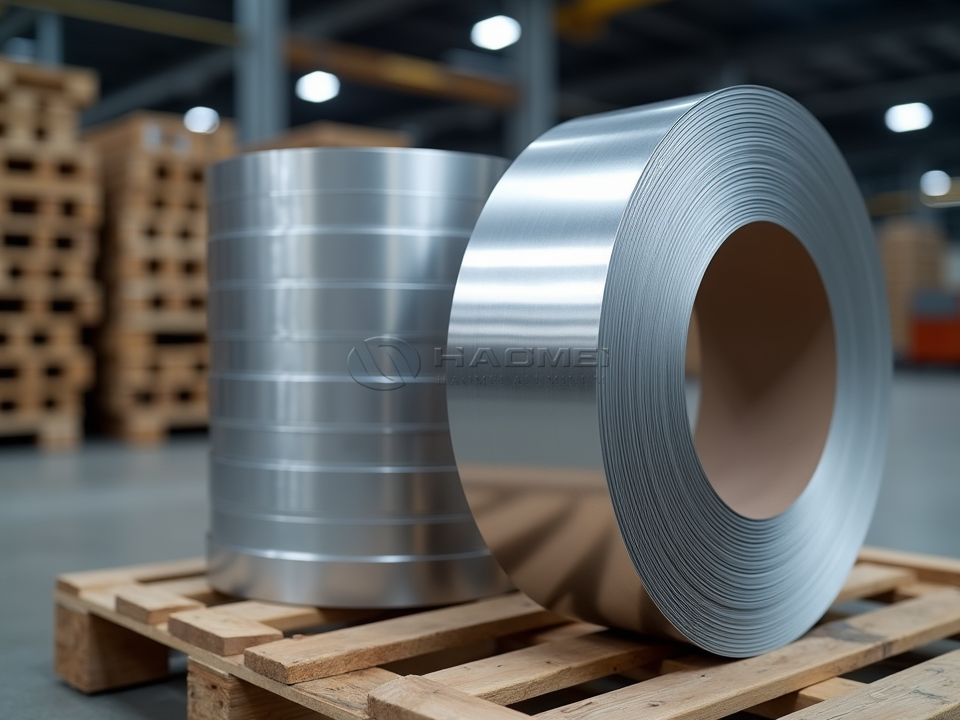
The product is commonly manufactured from 1xxx, 3xxx, 5xxx, and selected 8xxx aluminum alloys. For customers needing excellent workability and clean surface quality, 1050, 1060, and 1100 are widely used. For higher strength and better corrosion resistance, 3003 and 5052 are frequent choices. When the application needs reliable forming with moderate strength, 3003 Aluminum Strip is often selected for embossed strip and tread-pattern parts.
Product Function and Working Principle
The tread pattern is created by rolling or embossing the aluminum strip through patterned rollers or mold tools. This process forms raised ribs, diamonds, lentils, or custom textures on one side or both sides of the strip. Even at thin gauges, embossing increases apparent rigidity and surface friction while keeping the strip easy to cut, bend, coil, laminate, or stamp.
| Function | Practical Benefit | Typical Use |
|---|---|---|
| Surface friction improvement | Better grip than plain strip | Light walkways, tool surfaces, protective covers |
| Stiffness enhancement | Higher shape retention at low thickness | Panels, liners, trims, light formed parts |
| Decorative texture | Bright metallic appearance with pattern | Appliances, interior panels, displays |
| Mold and die contact lining | Smooth release and controlled surface transfer | Forming molds, packaging molds, pattern molds |
| Weight reduction | Lower mass than steel or stainless strip | Transport, electronics, lightweight assemblies |
| Corrosion resistance | Stable oxide film protects surface | Outdoor trims, humid environments, marine-related parts |
Main Technical Specifications
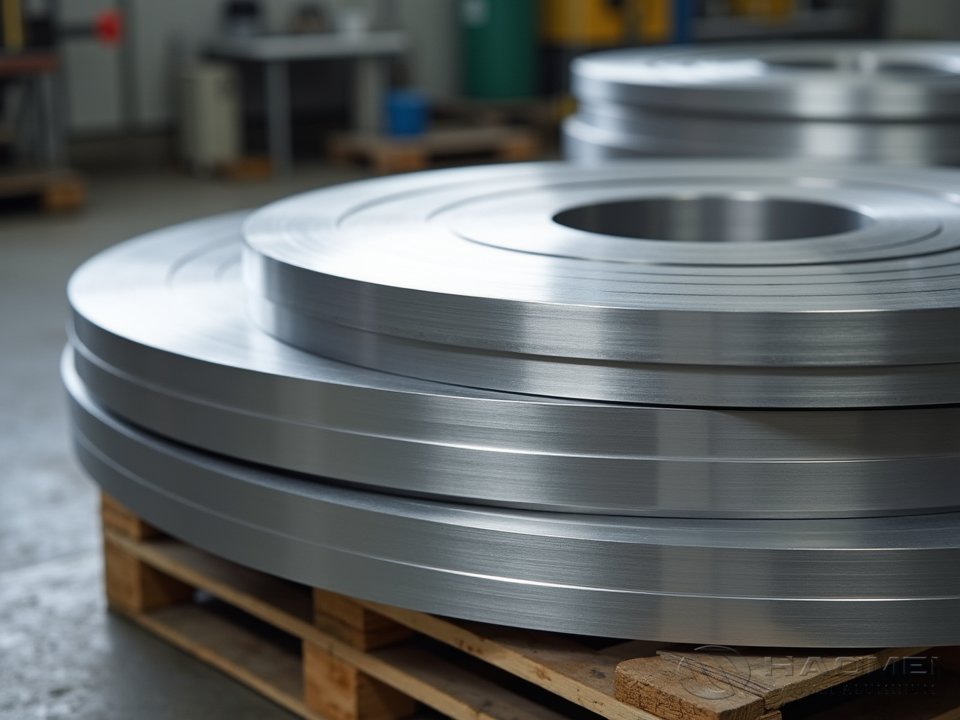
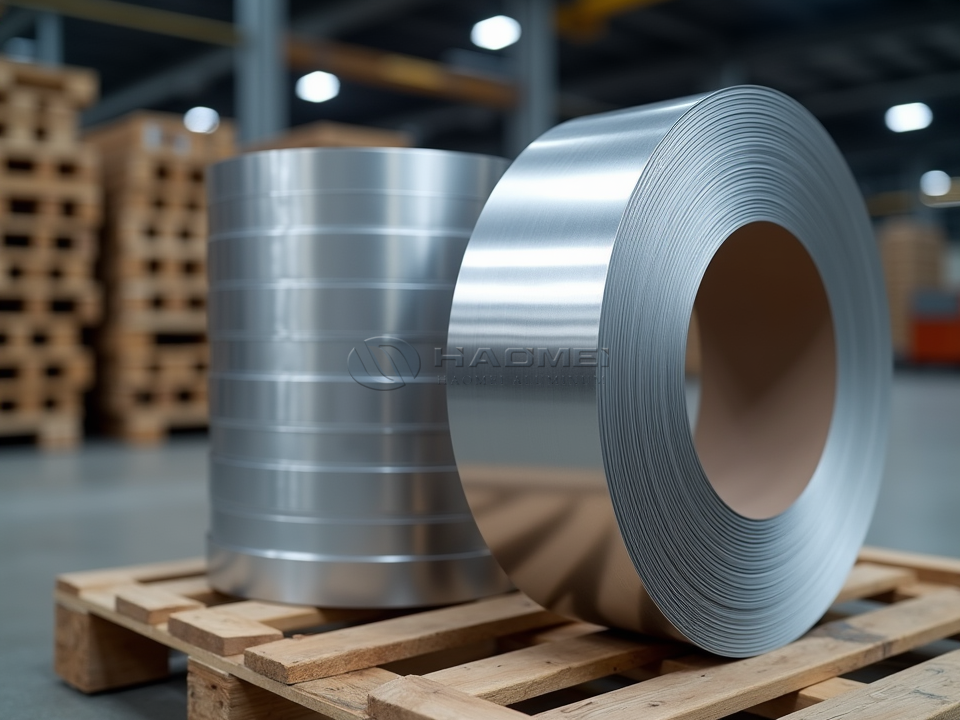
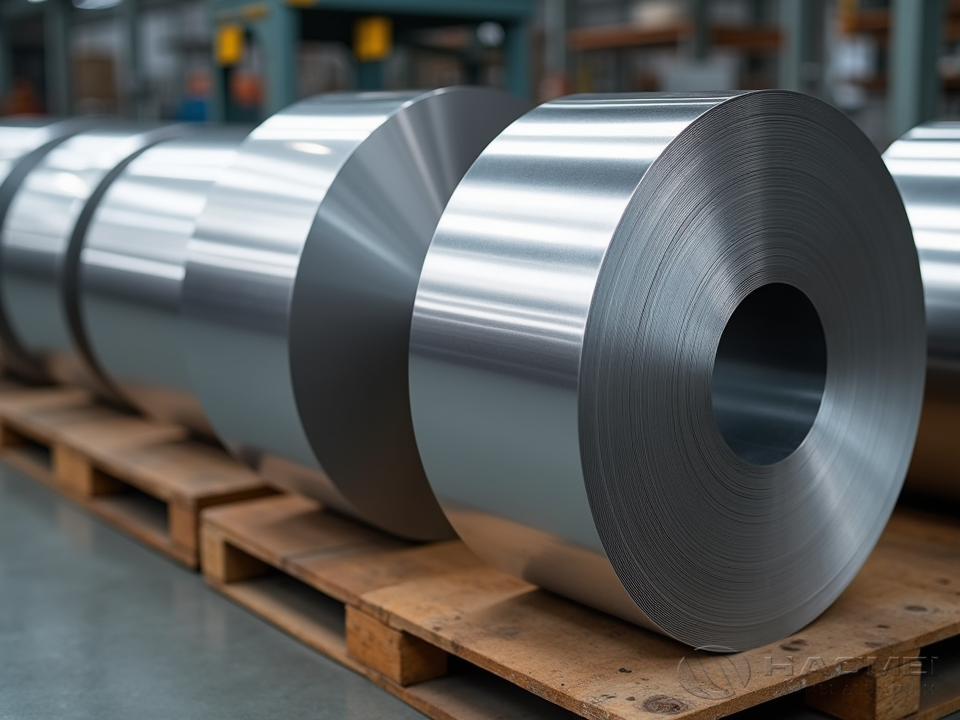
Thin aluminum tread strip can be produced from ultra-thin 0.018 mm foil range to 1.0 mm strip range. The available tolerance depends on alloy, width, pattern depth, temper, and edge requirement. Material can be supplied in coils, slit strips, or cut-to-length sheets.
| Item | Specification Range |
|---|---|
| Product name | Strips aluminum tread plate mold 0.018-1.0mm thick |
| Thickness | 0.018 mm to 1.0 mm |
| Common thickness | 0.03, 0.05, 0.08, 0.10, 0.20, 0.30, 0.50, 0.80, 1.0 mm |
| Width | 10 mm to 1600 mm, depending on slitting capacity |
| Coil inner diameter | 76 mm, 150 mm, 300 mm, 405 mm, 508 mm |
| Coil outer diameter | Customized by weight and handling method |
| Surface | Mill finish, bright finish, embossed, degreased, coated, anodizing-ready |
| Pattern options | Diamond, five-bar, lentil, orange peel, stucco, custom mold texture |
| Edge condition | Slit edge, deburred edge, round edge on request |
| Delivery form | Coil, narrow strip, sheet, disc, stamped blank |
| Protective options | Paper interleaf, PE film, oiling, moisture-proof wrapping |
Applicable Standards
Production and inspection can follow international aluminum strip standards. For export projects, buyers may specify EN, ASTM, GB/T, or JIS standards according to their drawing or purchasing document.
| Standard | Scope |
|---|---|
| ASTM B209 | Aluminum and aluminum-alloy sheet and plate requirements |
| EN 485 | Aluminum sheet, strip, and plate mechanical properties and tolerances |
| EN 573 | Chemical composition and alloy designation |
| GB/T 3880 | General requirements for aluminum and aluminum alloy sheet and strip |
| JIS H4000 | Aluminum and aluminum alloy sheets, strips, and plates |
| ASTM B928 | Marine-grade aluminum sheet and plate for selected 5xxx alloys |
| RoHS / REACH | Environmental compliance when requested |
Alloy and Temper Conditions
The right alloy and temper should be matched to forming depth, pattern definition, strength demand, corrosion environment, and final surface treatment. Soft tempers are preferred for deep embossing, while H tempers are used when better dent resistance is required.
| Alloy | Temper Options | Main Features | Suitable Applications |
|---|---|---|---|
| 1050 | O, H12, H14, H18 | High purity, excellent ductility, bright surface | Foil strip, decoration, light embossing |
| 1060 | O, H14, H16, H18 | Very good electrical and thermal conductivity | Cable strip, reflector, mold liner |
| 1100 | O, H12, H14 | Good formability and corrosion resistance | Deep formed tread strip, trims, covers |
| 3003 | O, H14, H16, H18 | Higher strength than 1xxx, good workability | Embossed panels, appliance parts, tread covers |
| 3004 | H14, H16, H18 | Better strength and forming balance | Decorative panels, packaging-related parts |
| 5052 | O, H32, H34 | High corrosion resistance and fatigue strength | Marine covers, vehicle trim, outdoor panels |
| 8011 | O, H22, H24 | Good barrier property and formability | Packaging molds, closures, thin embossed parts |
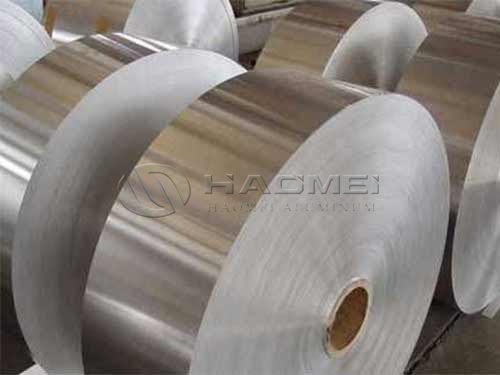
Chemical Composition Reference
The composition shown is a common reference range. Final values should be confirmed according to the selected standard and mill certificate.
| Alloy | Si | Fe | Cu | Mn | Mg | Cr | Zn | Ti | Al |
|---|---|---|---|---|---|---|---|---|---|
| 1050 | 0.25 max | 0.40 max | 0.05 max | 0.05 max | 0.05 max | - | 0.05 max | 0.03 max | 99.50 min |
| 1060 | 0.25 max | 0.35 max | 0.05 max | 0.03 max | 0.03 max | - | 0.05 max | 0.03 max | 99.60 min |
| 1100 | Si+Fe 0.95 max | - | 0.05-0.20 | 0.05 max | - | - | 0.10 max | - | 99.00 min |
| 3003 | 0.60 max | 0.70 max | 0.05-0.20 | 1.00-1.50 | - | - | 0.10 max | - | Balance |
| 5052 | 0.25 max | 0.40 max | 0.10 max | 0.10 max | 2.20-2.80 | 0.15-0.35 | 0.10 max | - | Balance |
| 8011 | 0.50-0.90 | 0.60-1.00 | 0.10 max | 0.20 max | 0.05 max | 0.10 max | 0.10 max | 0.08 max | Balance |
Mechanical Properties
Mechanical values vary with thickness, annealing condition, rolling reduction, and embossing depth. The data are typical for purchasing comparison and preliminary design.
| Alloy Temper | Tensile Strength MPa | Yield Strength MPa | Elongation % | Forming Character |
|---|---|---|---|---|
| 1050-O | 60-100 | 20-40 | 25-40 | Excellent soft forming |
| 1060-H18 | 120-160 | 100-140 | 2-6 | High hardness thin strip |
| 1100-H14 | 95-125 | 75-105 | 6-12 | Good bending performance |
| 3003-O | 95-130 | 35-60 | 20-30 | Deep embossing friendly |
| 3003-H18 | 160-200 | 145-185 | 2-5 | Stronger tread strip |
| 5052-H32 | 210-260 | 160-215 | 8-14 | Corrosion-resistant forming |
| 8011-O | 80-120 | 35-55 | 18-30 | Thin packaging mold use |
Surface, Pattern, and Mold Details
The mold surface determines the final tread shape, gloss level, pattern height, and repeat accuracy. For very thin material, shallow embossing is recommended to avoid tearing and coil distortion. For 0.3 mm to 1.0 mm strip, deeper diamond or bar patterns are possible.
| Thickness Range | Recommended Pattern Depth | Processing Notes |
|---|---|---|
| 0.018-0.05 mm | 0.003-0.015 mm | Fine texture, foil embossing, low tension required |
| 0.06-0.15 mm | 0.01-0.04 mm | Suitable for packaging, decorative strip, mold lining |
| 0.16-0.30 mm | 0.03-0.08 mm | Good balance of pattern visibility and flexibility |
| 0.31-0.60 mm | 0.05-0.15 mm | Stronger decorative tread and protective covers |
| 0.61-1.0 mm | 0.10-0.30 mm | More rigid strip, anti-slip panels, formed parts |
Surface quality is controlled by rolling cleanliness, lubricant selection, annealing atmosphere, and coil handling. Common requirements include no heavy scratches, no oil stains affecting bonding, no edge cracks, uniform color, and stable embossing repeat.
Applications
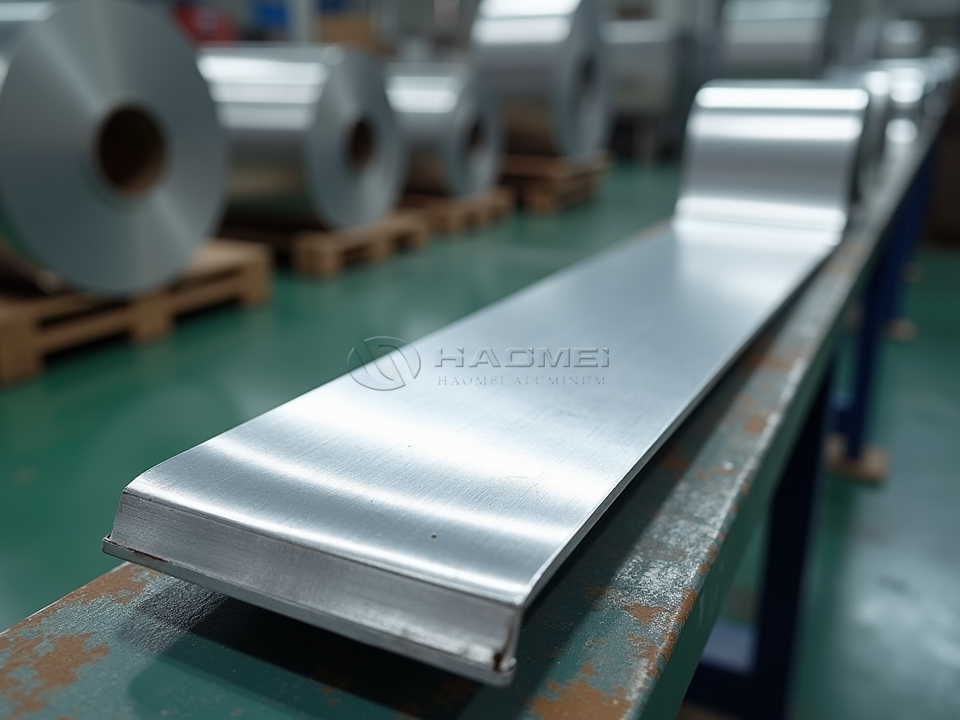
Strips aluminum tread plate mold 0.018-1.0mm thick serves many industries because it can be processed by slitting, bending, stamping, laminating, adhesive bonding, coating, anodizing, and printing.
| Industry | Application Examples | Suggested Alloy |
|---|---|---|
| Mold and forming | Mold liners, release sheets, pattern transfer strip | 1060, 1100, 3003 |
| Packaging | Embossed packaging molds, closures, seals, decorative wrap | 8011, 1050, 3003 |
| Building decoration | Wall trim, ceiling strip, corner protector, skirting strip | 3003, 3004, 5052 |
| Transportation | Lightweight tread cover, step trim, vehicle interior panel | 3003, 5052 |
| Electronics | Shielding strip, heat-spreading textured strip, casing trim | 1060, 1100, 3003 |
| Home appliance | Refrigerator trim, washer panel, kitchen surface strip | 1100, 3003, 5052 |
| Signage and display | Bright patterned label base, decorative display strip | 1050, 1060, 3003 |
Processing Recommendations
For stable production, the strip should be matched with suitable tooling clearance, lubrication, and tension. Ultra-thin gauges need controlled unwinding and anti-wrinkle support. Hard tempers should be tested before tight bending, while O temper is better for deep drawing and sharp embossing.
| Process | Recommendation |
|---|---|
| Slitting | Use sharp knives and stable tension to reduce burrs |
| Embossing | Adjust roller pressure gradually to avoid pinholes or cracks |
| Bending | Increase bend radius for H18 and 5xxx hard tempers |
| Stamping | Confirm grain direction and lubricant compatibility |
| Adhesive bonding | Request degreased or chemically cleaned surface |
| Anodizing | Select suitable alloy and avoid heavy rolling marks |
| Storage | Keep dry, ventilated, and protected from alkaline materials |
Quality Control and Packaging
Quality inspection normally covers thickness, width, coil weight, surface defects, burr height, tensile properties, chemical composition, pattern uniformity, and packaging integrity. For precision mold and decorative use, sample approval before mass production is recommended.
| Inspection Item | Common Method |
|---|---|
| Thickness | Micrometer or online gauge |
| Width tolerance | Caliper or width measuring system |
| Burr height | Optical or tactile inspection |
| Surface quality | Visual inspection under suitable lighting |
| Pattern consistency | Mold repeat and depth measurement |
| Mechanical property | Tensile test according to standard |
| Composition | Spectrometer analysis |
| Packing | Moisture-proof check and coil protection review |
Packaging usually includes inner paper core, waterproof paper, plastic film, edge guards, steel or wooden pallet, and outer protective wrapping. For thin 0.018-0.10 mm strip, extra care is needed to prevent telescoping, edge dents, and moisture staining during transport.
Ordering Information
To receive accurate production advice and quotation, customers should provide alloy, temper, thickness, width, coil inner diameter, coil weight, pattern type, surface treatment, tolerance requirement, application, and destination packing method. If the strip will contact food, chemicals, adhesive, paint, or electrical components, related compliance and surface cleanliness requirements should be stated before production.
Strips aluminum tread plate mold 0.018-1.0mm thick is a practical material for lightweight surface reinforcement, decorative texture, mold contact, and anti-slip enhancement. With the right alloy, temper, and embossing design, it can deliver reliable performance in demanding forming, packaging, construction, appliance, and transport applications.