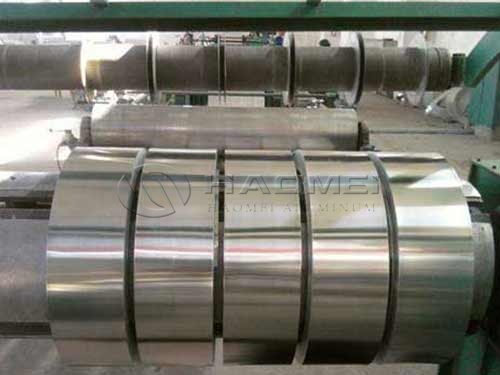
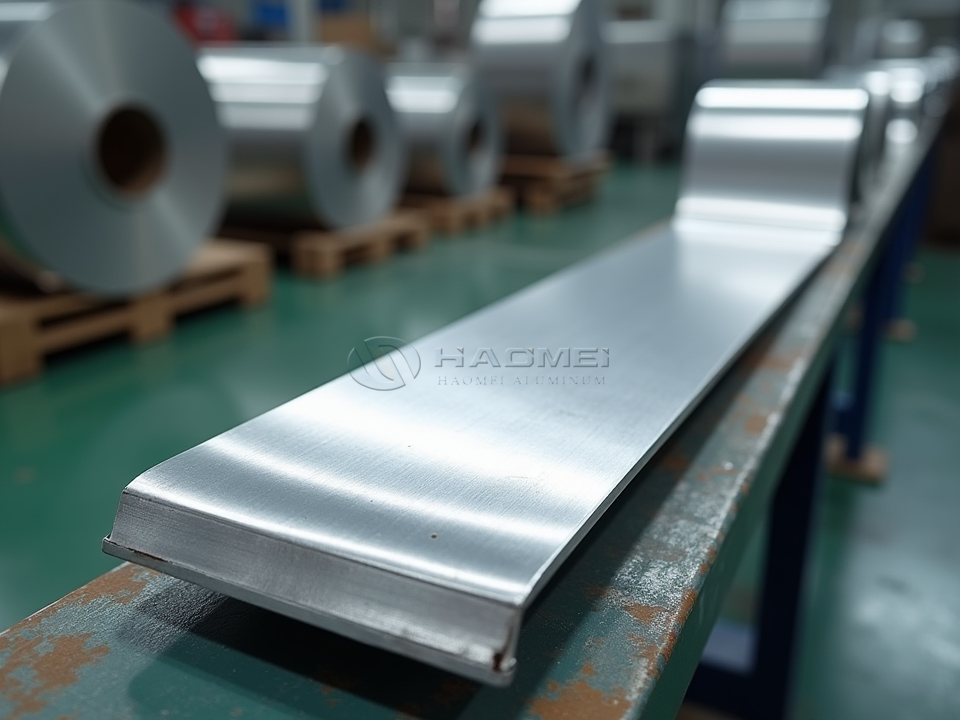
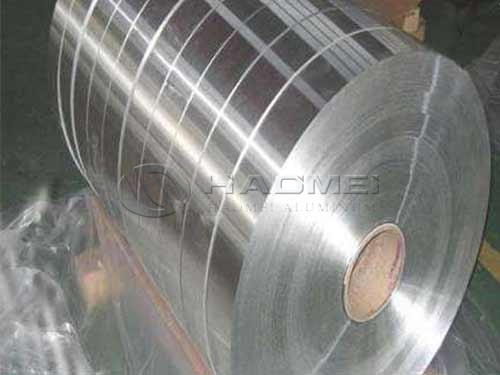
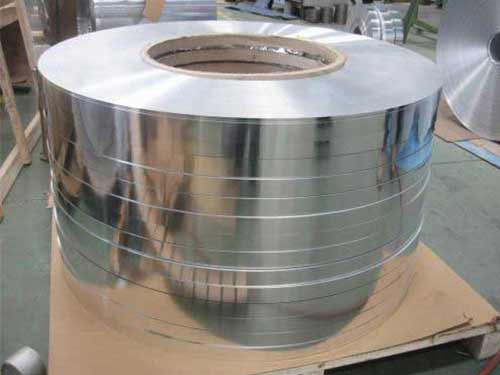
0.5mm 0.8mm Thick Aluminium Strip Coil
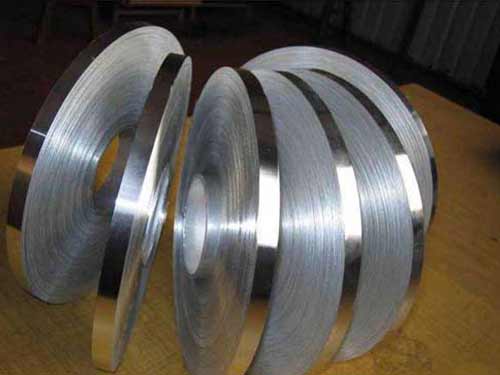
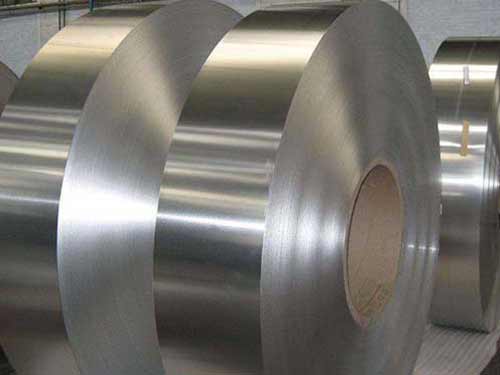
0.5mm and 0.8mm thick aluminium strip coil is a practical material choice for customers who need a balance of light weight, formability, corrosion resistance, and stable dimensional control. These two thicknesses sit in a highly useful range: thin enough for continuous processing, stamping, wrapping, and bending, yet strong enough to maintain shape during assembly and service.
In many production lines, aluminium strip is selected not only for its metal properties but also for its processing behavior. A clean coil edge, consistent thickness, controlled temper, and smooth surface can reduce tool wear, improve feeding stability, and lower rejection rates. For applications such as lamp caps, transformer winding, cable shielding, packaging, insulation layers, nameplates, heat exchange fins, and stamped parts, 0.5mm and 0.8mm aluminium strip coil offers dependable performance with efficient material usage.
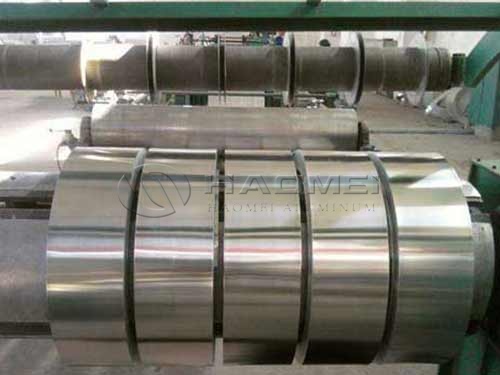
Why 0.5mm and 0.8mm Thickness Matter
The 0.5mm gauge is often chosen when flexibility, light weight, and fine forming are important. It bends easily, works well in narrow strip form, and supports high-speed feeding in automated equipment. This makes it suitable for shallow stamping, wrapping, heat insulation covers, decorative trim, electronic components, and cable-related products.
The 0.8mm gauge provides higher stiffness and better dent resistance while still remaining easy to cut, punch, bend, and roll form. It is commonly used where the part must hold a defined shape, such as lamp cap bodies, spacer strips, closures, channel sections, labels, brackets, and medium-duty stamped components.
| Thickness | Common Strength | Processing Advantage | Typical Use Direction |
|---|---|---|---|
| 0.5mm | Flexible and lightweight | Easy bending, fast feeding, tight winding | Cable strip, insulation, packaging, thin stamping |
| 0.8mm | Higher rigidity | Better shape retention, clean punching | Lamp caps, formed parts, covers, brackets |
Material Grades and Temper Selection
Different aluminium alloys can be selected according to forming depth, strength, corrosion resistance, conductivity, and surface demand. Pure aluminium grades are valued for softness and conductivity, while manganese and magnesium alloyed grades improve mechanical strength.
For soft forming and good electrical or thermal conductivity, 1050 / 1060 Aluminum Strip is a common choice. It is widely used in transformer strip, cable wrapping, capacitor components, heat transfer parts, and products that require easy bending. When higher strength and better resistance to deformation are required, 3003 Aluminum Strip is often used for stamped housings, packaging components, insulation panels, and formed industrial parts.
| Alloy | Main Character | Suitable Temper | Typical Products |
|---|---|---|---|
| 1050 | High purity, good conductivity, excellent workability | O, H12, H14, H18 | Transformer strip, cable strip, soft forming parts |
| 1060 | Soft, ductile, corrosion resistant | O, H14, H16, H18 | Insulation, wrapping, general fabrication |
| 1070 | Higher purity, strong conductivity | O, H12, H18 | Electrical parts, conductive strip |
| 1100 | Good corrosion resistance and forming ability | O, H14, H16 | Nameplates, reflectors, packaging parts |
| 3003 | Better strength than pure aluminium | O, H14, H24 | Stamping, covers, heat exchange, formed shells |
| 8011 | Good barrier behavior and processing stability | O, H14, H18 | Caps, packaging, closures, foil-related strip |
Chemical Composition Reference
Chemical composition affects strength, forming response, surface quality, and corrosion behavior. The following values are typical reference ranges for commonly used strip alloys. Final supply should follow the agreed standard, such as ASTM, EN, or customer technical specification.
| Alloy | Al | Si | Fe | Cu | Mn | Mg | Zn | Other |
|---|---|---|---|---|---|---|---|---|
| 1050 | 99.50 min | 0.25 max | 0.40 max | 0.05 max | 0.05 max | 0.05 max | 0.05 max | 0.03 each |
| 1060 | 99.60 min | 0.25 max | 0.35 max | 0.05 max | 0.03 max | 0.03 max | 0.05 max | 0.03 each |
| 1100 | 99.00 min | Si+Fe 0.95 max | Si+Fe 0.95 max | 0.05-0.20 | 0.05 max | 0.05 max | 0.10 max | 0.05 each |
| 3003 | Balance | 0.60 max | 0.70 max | 0.05-0.20 | 1.00-1.50 | 0.05 max | 0.10 max | 0.05 each |
| 8011 | Balance | 0.50-0.90 | 0.60-1.00 | 0.10 max | 0.20 max | 0.05 max | 0.10 max | 0.05 each |
Performance Features Customers Notice First
A well-produced aluminium strip coil should unwind smoothly without wave, excessive burr, telescoping, or surface scratches. For 0.5mm and 0.8mm thickness, strip flatness is especially important because the material often enters punching dies, roll forming equipment, or automated feeding systems. Poor flatness can cause misalignment, tool marks, or unstable part dimensions.
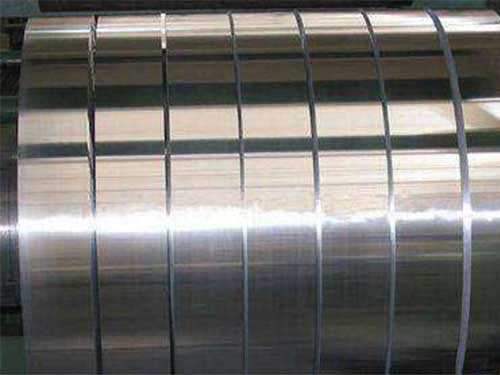
Surface finish can be supplied as mill finish, bright finish, brushed surface, color coated surface, or laminated surface depending on the end use. For decorative parts, brightness and scratch control matter. For electrical parts, cleanliness and conductivity are more important. For packaging and closure use, surface safety, oil control, and coating adhesion become central concerns.
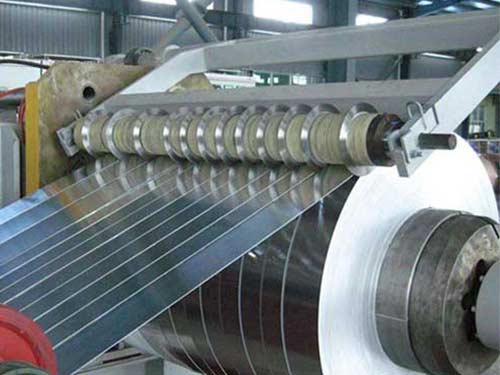
Edge condition is another critical factor. Slit aluminium strip can be supplied with deburred edges, rounder edges, or normal slit edges. Clean edges help reduce tearing during deep drawing and protect workers during manual handling.
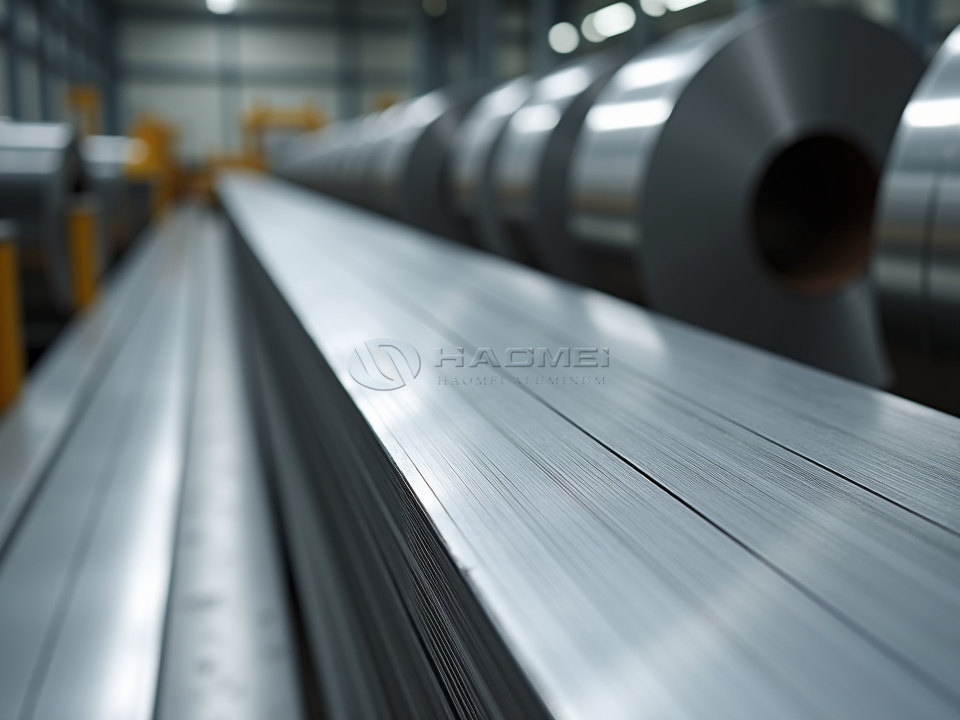
Technical Supply Range
| Item | Common Supply Capability |
|---|---|
| Thickness | 0.5mm, 0.8mm, with customized tolerances |
| Width | Narrow strip to wide strip, commonly 10mm-1600mm |
| Coil ID | 76mm, 150mm, 300mm, 400mm, 500mm, or as required |
| Coil OD | According to packing and line loading requirements |
| Temper | O, H12, H14, H16, H18, H22, H24 |
| Surface | Mill finish, bright, matte, coated, laminated, brushed |
| Edge | Slit edge, trimmed edge, deburred edge if requested |
| Packing | Eye-to-wall or eye-to-sky export packing |
Tolerances should be matched to the customer process. A stamping line may require tight width control and low burr height, while a transformer winding line may focus on conductivity, coil tension, and edge smoothness. A packaging line may need surface cleanliness and precise coil geometry for stable unwinding.
Applications in Different Industries
In electrical applications, 0.5mm aluminium strip is frequently used for transformer winding, cable shielding, and conductive layers. The low density of aluminium helps reduce component weight, while pure aluminium alloys provide good conductivity. For transformer production, strip width accuracy and burr control are essential because edge defects may damage insulation layers.
In packaging and closure production, both 0.5mm and 0.8mm strip can be used for caps, seals, container parts, and formed covers. Aluminium resists moisture, offers a clean appearance, and can be lacquered or printed for brand presentation.
In lighting, 0.8mm aluminium strip is widely used for lamp caps and formed housings. It gives better rigidity than thinner gauges and can be stamped into repeatable shapes. Good surface quality also supports decorative or plated finishes.
In construction and insulation, aluminium strip is used for thermal barriers, edge bands, pipe wrapping, roof accessories, and decorative trim. Its corrosion resistance helps extend service life, especially in humid or outdoor environments.
In automotive and appliance manufacturing, these gauges are suitable for spacers, clips, tags, heat shields, panels, brackets, and small stamped parts. 3003 and similar alloys are preferred when extra strength is needed without making the part too heavy.
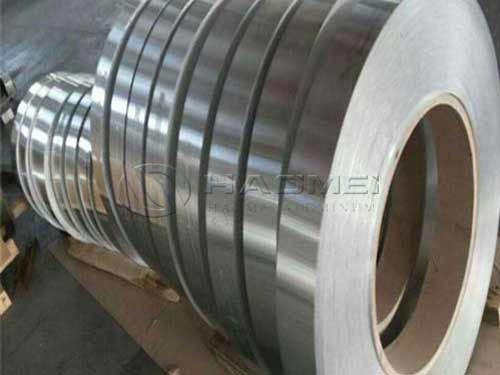
How to Choose the Right Coil
Start with the forming method. If the part needs tight bending, deep drawing, or soft wrapping, a softer temper such as O or H12 may work better. If the part needs spring, stiffness, or stronger shape retention, H14, H16, or H18 may be more suitable.
Then consider the service environment. For electrical use, select high-purity aluminium with good conductivity. For stamping and covers, choose an alloy with balanced strength and formability. For packaging, evaluate surface treatment, hygiene, coating compatibility, and corrosion behavior.
Coil dimensions should match the equipment. Inner diameter, coil weight, winding direction, width tolerance, and edge quality all affect feeding speed and production stability. A small improvement in strip accuracy can create large savings when thousands of meters are processed every shift.
Packing and Handling
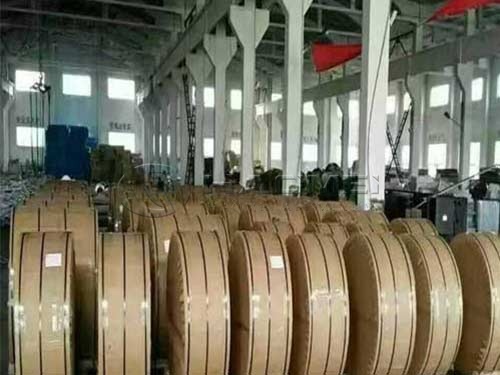
Aluminium strip coil should be packed to protect surface quality and coil shape during transport. Moisture-proof paper, plastic film, edge guards, steel or wooden pallets, and secure strapping are commonly used. For export shipments, strong seaworthy packing helps prevent oxidation, scratches, and coil collapse.
During storage, coils should be kept in a dry, ventilated warehouse away from acids, alkalis, and condensation. Before opening the package, allow the coil to adapt to workshop temperature if it has been transported in cold or humid conditions. This helps reduce moisture marks on the strip surface.
Product Value for Fast-Moving Production
0.5mm 0.8mm thick aluminium strip coil is valued because it fits many production processes without excessive weight or difficult forming behavior. It can be slit into narrow widths, cut into blanks, stamped into shapes, wound into electrical components, or finished for decorative use.
For customers seeking stable coil quality, the most important points are alloy selection, temper control, thickness precision, flatness, surface condition, and edge quality. When these details are properly managed, aluminium strip coil becomes more than raw material; it becomes a reliable part of an efficient production system.