1050 And 1060 Aluminium Coil Strip
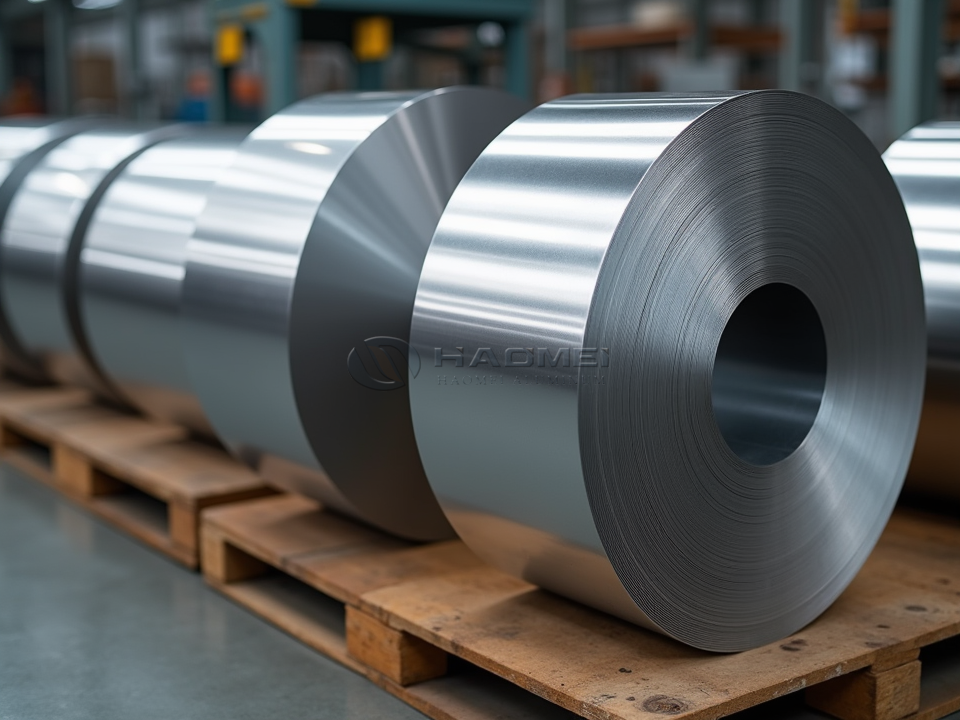
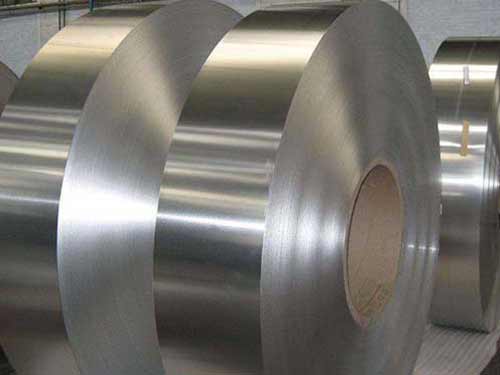
1050 and 1060 aluminium coil strip belong to the commercially pure aluminium family. They are valued for soft forming behavior, bright surface quality, high corrosion resistance, and excellent electrical and thermal conductivity. For customers who need clean slitting edges, stable coil geometry, and dependable performance in mass production, these two grades are practical and cost-efficient choices.
In many purchasing projects, 1050 and 1060 are considered together because their aluminium content is very close. 1050 usually contains at least 99.50% aluminium, while 1060 contains at least 99.60% aluminium. That small difference gives 1060 slightly higher conductivity and purity, while 1050 remains widely used where formability, appearance, and economical processing are the main concerns.
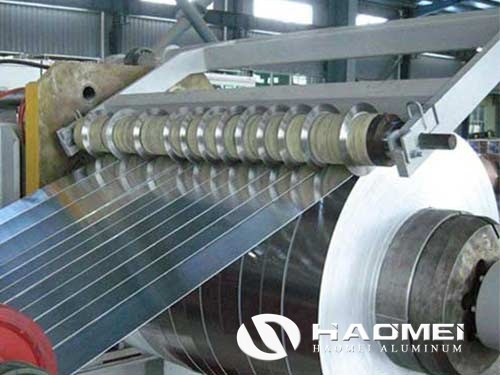
Material Character and Main Advantages
The strongest advantage of 1050 and 1060 aluminium coil strip is balance. The material is soft enough for bending, stamping, spinning, roll forming, and deep drawing, yet stable enough for continuous production lines. It does not harden through heat treatment, so its final strength is controlled mainly by cold rolling and annealing.
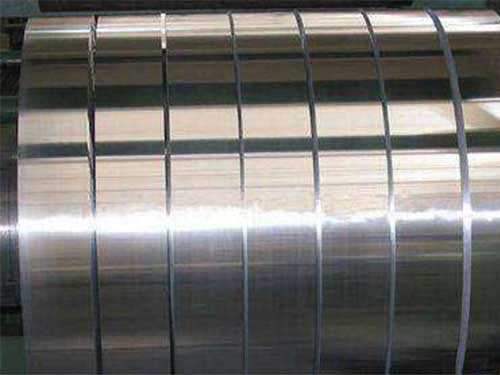
The surface can be supplied mill finish, bright finish, degreased, brushed, coated, or laminated according to the application. For electrical products, clean surface and accurate width are especially important because burrs, oil residue, and uneven edges may affect winding efficiency or contact quality. For decorative and packaging uses, surface flatness, color consistency, and scratch control become the main inspection points.
Customers often select 1050 / 1060 Aluminum Strip when they need a pure aluminium strip that is easy to process and suitable for high-volume fabrication.
| Property | 1050 Aluminium Coil Strip | 1060 Aluminium Coil Strip |
|---|---|---|
| Aluminium purity | 99.50% minimum | 99.60% minimum |
| Alloy series | 1000 series | 1000 series |
| Heat treatable | No | No |
| Corrosion resistance | Excellent | Excellent |
| Formability | Excellent | Excellent |
| Electrical conductivity | High | Very high |
| Weldability | Good | Good |
| Surface brightness | Good to excellent | Good to excellent |
Chemical Composition
Chemical control is important for pure aluminium strip because small variations in iron, silicon, copper, and other elements can influence conductivity, forming behavior, and surface appearance. The values shown are typical reference ranges based on common standards; final supply should follow the agreed specification.
| Element | 1050 Typical Limit | 1060 Typical Limit |
|---|---|---|
| Al | 99.50% min | 99.60% min |
| Si | 0.25% max | 0.25% max |
| Fe | 0.40% max | 0.35% max |
| Cu | 0.05% max | 0.05% max |
| Mn | 0.05% max | 0.03% max |
| Mg | 0.05% max | 0.03% max |
| Zn | 0.05% max | 0.05% max |
| Ti | 0.03% max | 0.03% max |
| Other elements | Controlled by standard | Controlled by standard |
Tempers and Mechanical Performance
1050 and 1060 aluminium coil strip are supplied in soft, half-hard, and hard tempers. The correct temper depends on how the strip will be shaped. O temper is preferred for deep drawing and severe bending. H14 and H24 are common for moderate forming with better stiffness. H18 is used where higher strength and spring-back control are needed, but forming is less demanding.
| Temper | General Condition | Typical Use Direction |
|---|---|---|
| O | Fully annealed, soft | Deep drawing, spinning, flexible forming |
| H12 | Quarter hard | Light forming with mild strength |
| H14 | Half hard | Stamping, bending, general strip parts |
| H16 | Three-quarter hard | Flat parts, panels, stable profiles |
| H18 | Full hard | Higher stiffness, less severe forming |
| H24 | Half hard, stabilized | Better dimensional stability after processing |
Mechanical values change with thickness and production route, but pure aluminium strip generally offers low tensile strength with very high elongation in soft tempers. This makes it forgiving during tool contact and reduces cracking risk at bends or drawn corners.
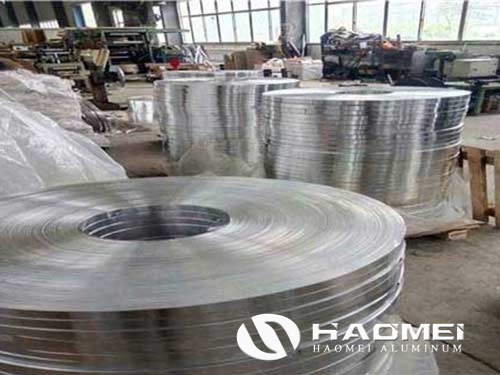
Dimensions, Slitting, and Surface Control
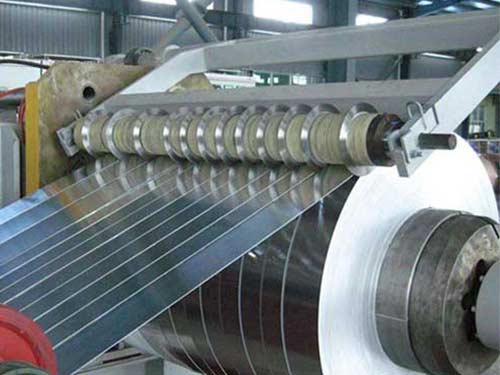
A good coil strip is more than a chemical grade. For automated production, dimensional accuracy is just as important as alloy selection. Poor width control can cause feeding deviation. Excessive camber can create tracking problems. Edge burrs may scratch dies, damage insulation layers, or affect winding quality.
| Supply Item | Common Range or Requirement |
|---|---|
| Thickness | Commonly 0.10 mm to 3.00 mm, custom ranges available |
| Width | Narrow strip to wide coil, slit to order |
| Inner diameter | 150 mm, 300 mm, 405 mm, 505 mm, or as required |
| Edge condition | Slit edge, trimmed edge, deburred edge available |
| Surface | Mill finish, bright, matte, brushed, coated, laminated |
| Coil weight | Small coils or large industrial coils by line capacity |
| Packaging | Eye-to-wall or eye-to-sky, wooden pallet or wooden case |
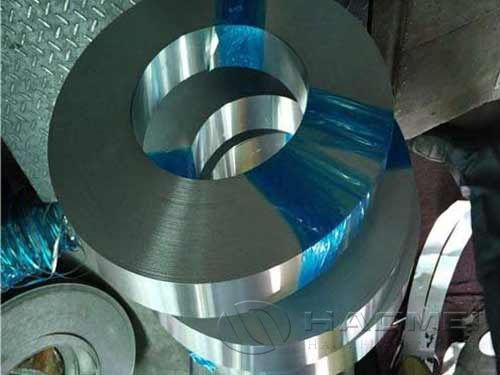
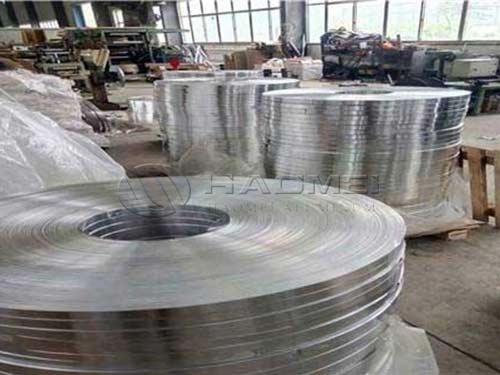
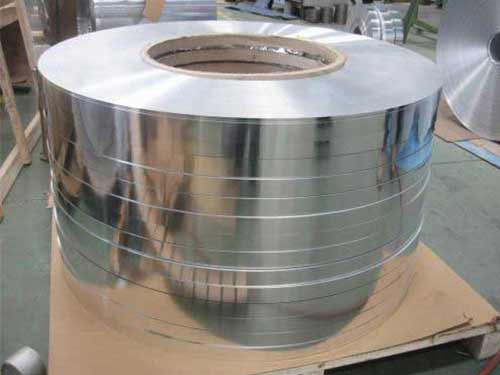
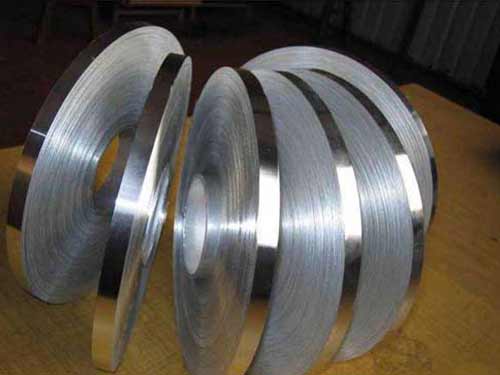
For lamp caps, transformer windings, cable shielding, and precision stamping, coil tightness and flatness are critical. A stable winding pattern helps prevent telescoping during transport and improves uncoiling performance at the customer's plant. Protective paper, film, or interleaving can be added when the surface must remain free from rub marks.
Why Choose 1050 or 1060 Instead of Other Grades
When the application needs conductivity, clean forming, and corrosion resistance rather than high structural strength, 1050 and 1060 are often better suited than stronger alloyed grades. Compared with 3003, they provide higher conductivity and softer forming. Compared with 5052, they are easier to bend and more economical, though they do not offer the same strength. Compared with 8011, they are often chosen for electrical and decorative strip parts where pure aluminium behavior is preferred.
For buyers comparing a wider range of strip materials, Alloy Aluminum Strip selections can include pure aluminium, manganese alloy, magnesium alloy, and foil-stock grades for different manufacturing demands.
Application Areas
1050 and 1060 aluminium coil strip are widely used in electrical products because of their conductivity and workability. They can be processed into transformer winding strip, cable shielding tape, conductive connectors, busbar components, battery soft connection parts, capacitor shells, and heat transfer elements. In these products, surface cleanliness, edge quality, and consistent thickness help improve electrical stability and assembly efficiency.
In lighting and hardware, these grades are used for lamp caps, lamp holders, reflective components, nameplates, decorative trims, curtain wall accessories, and household metal parts. Their bright appearance and easy forming allow designers to make smooth edges, shallow drawn shapes, and clean stamped details.
Packaging and container applications also benefit from pure aluminium strip. The material can be used for bottle caps, closures, cosmetic packaging parts, food container edges, and sealing components. When supplied with proper surface treatment, it supports printing, coating, embossing, and forming.
In thermal management, 1050 and 1060 perform well in fins, heat sinks, heat shields, insulation jacketing, and HVAC components. High thermal conductivity helps transfer heat efficiently, while low density keeps the final product lightweight.
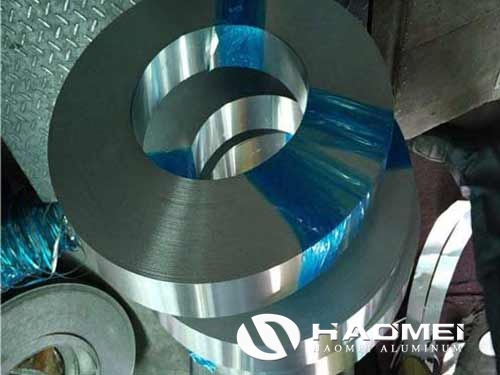
Processing Performance in Customer Workshops
During stamping or drawing, 1050 and 1060 respond well to proper lubrication and polished tooling. Soft tempers reduce cracking risk, while harder tempers improve part rigidity. For deep drawn parts, uniform annealing is essential because uneven hardness may create earing, wrinkles, or split edges.
For roll forming and bending, the recommended bend radius depends on temper and thickness. O temper can usually handle tight bends, while H18 requires a larger radius. If the strip will be anodized, coated, or printed after forming, surface inspection should be stricter before shipment to avoid visible defects after finishing.
Welding performance is good with common methods, including TIG, MIG, resistance welding, and brazing in selected applications. Because these alloys are not heat treatable, welding does not create the same strength recovery issues found in heat-treatable aluminium grades, but joint design and cleanliness remain important.
Purchasing Notes
To receive the most suitable coil strip, customers should confirm alloy, temper, thickness, width, inner diameter, coil weight, surface finish, edge requirement, and intended processing method. If the strip will be used for electrical winding, conductivity, burr height, and coil alignment should be clearly specified. If it will be used for visible decorative parts, surface grade, oil level, and packing protection should be agreed before production.
1050 and 1060 aluminium coil strip offer a reliable combination of purity, softness, conductivity, corrosion resistance, and process stability. Whether used in electrical components, packaging, lighting, heat exchange, or precision stamping, these materials help manufacturers keep production efficient while maintaining consistent part quality.