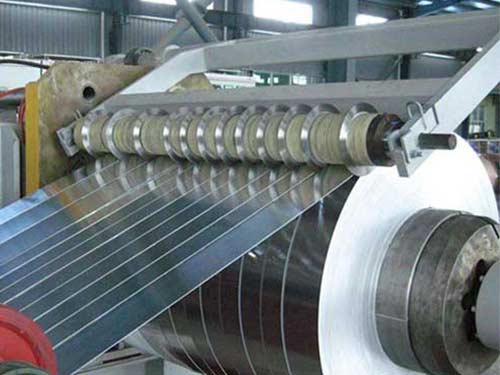
Mill Finish Aluminum Strip for Electric
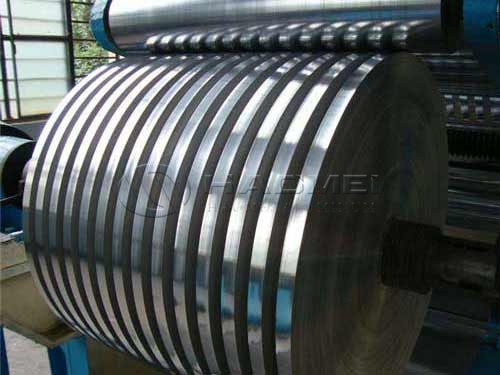
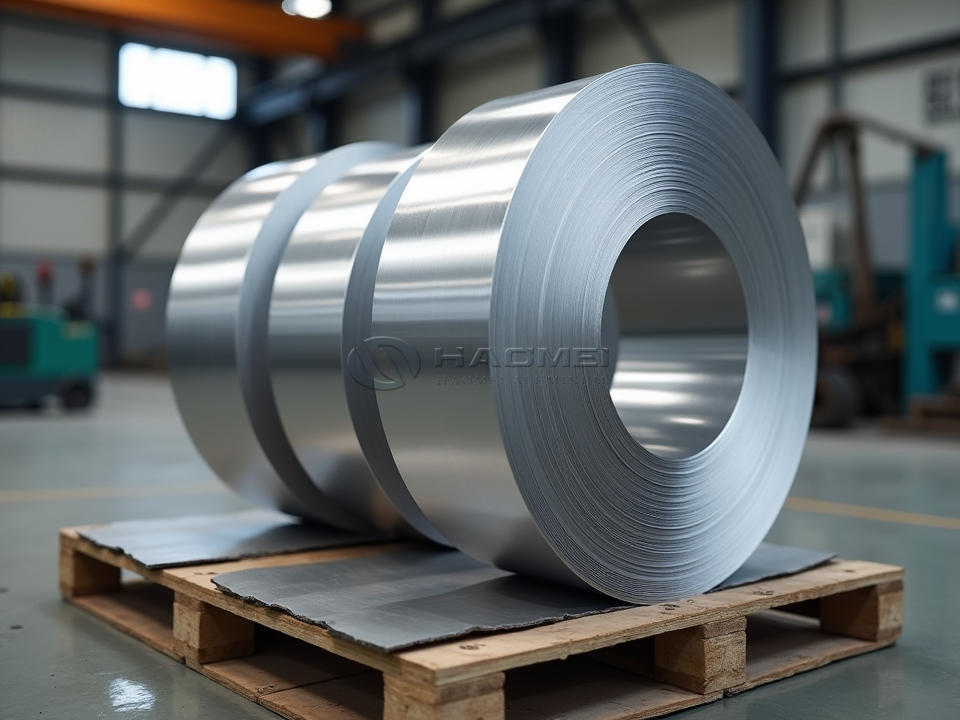
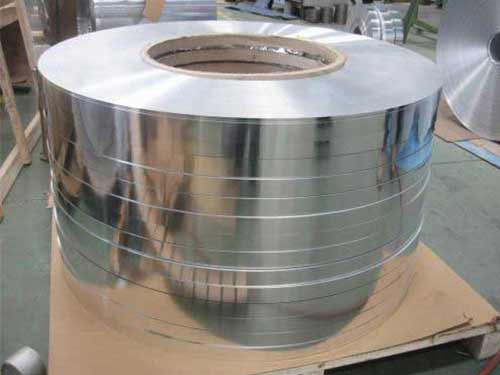
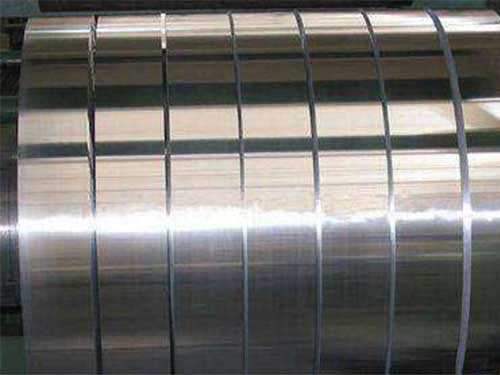
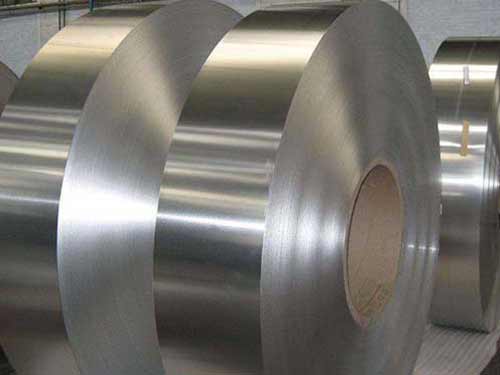
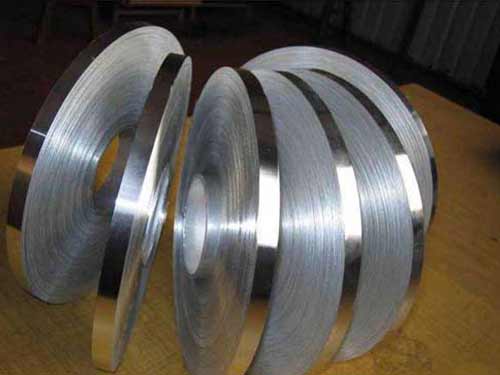
Mill finish aluminum strip for electric use is a rolled aluminum coil product supplied with its natural metallic surface, without painting, anodizing, or decorative coating. It is valued in electrical manufacturing because it combines light weight, stable conductivity, good formability, corrosion resistance, and economical processing. For many conductive and semi-conductive components, the clean mill surface also supports punching, bending, winding, insulation coating, tin plating, and lamination.
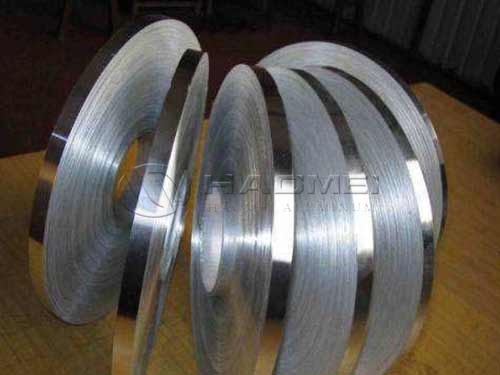
In electrical systems, aluminum strip is often selected where copper is too heavy or costly, especially in transformer windings, cable shielding, busbar accessories, capacitor cases, lighting parts, electrical enclosures, battery tabs, and heat dissipation components. High-purity 1xxx series alloys such as 1050, 1060, and 1070 are preferred for conductivity, while 3003 and 5052 are used when strength, forming performance, or corrosion resistance is more important than maximum electrical performance. For customers comparing purity and conductivity options, 1050 / 1060 Aluminum Strip is a common starting point for electric-grade strip selection.
Product Function in Electrical Manufacturing
Mill finish aluminum strip performs several roles in electric products. Its most direct function is conducting current in windings, connectors, busbar layers, and grounding components. It also works as an electromagnetic shielding material in cables and electronic assemblies. In enclosures, lamp caps, terminal housings, and battery structures, it offers a balance of mechanical support and thermal transfer.
The mill finish surface is practical for industrial production because it does not introduce coating thickness variation. This helps maintain tight tolerances during slitting, stamping, edge rounding, and winding. When supplied with controlled burr height and coil tension, the strip can run smoothly through high-speed automatic equipment.
Common Applications
| Application | Recommended Alloys | Typical Temper | Main Function | Processing Method |
|---|---|---|---|---|
| Transformer winding | 1050, 1060, 1070 | O, H12, H14 | Electrical conduction, compact winding | Slitting, edge deburring, insulation wrapping |
| Cable shielding and armoring | 1060, 1100, 3003 | O, H14, H18 | Shielding, moisture barrier, mechanical protection | Longitudinal wrapping, corrugating |
| Electrical busbar layer | 1060, 1070, 1100 | H14, H16, H18 | Current transfer, low weight | Cutting, punching, bending |
| Capacitor shell and cover | 1060, 1100, 3003 | O, H12, H14 | Formed shell, heat transfer | Deep drawing, stamping |
| LED and lighting parts | 1060, 3003, 5052 | H14, H24, H32 | Heat dissipation, structural support | Punching, forming, surface cleaning |
| Battery tab and connector parts | 1060, 1070 | O, H12, H14 | Conductive connection | Precision slitting, welding, coating |
| Electrical enclosure components | 3003, 5052 | H24, H32, H34 | Strength, corrosion resistance | Bending, stamping, riveting |
Technical Specifications
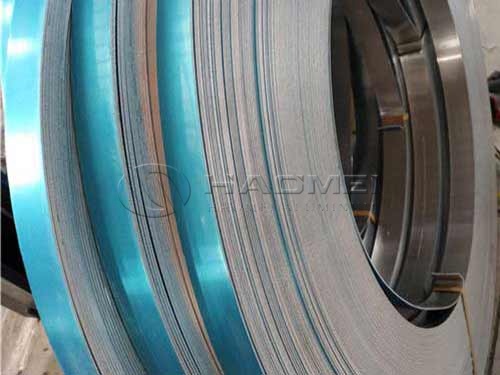
Dimensions can be customized according to the final electrical component, slitting line capability, and coil handling system. For conductive applications, thickness tolerance, width tolerance, camber, edge condition, and surface cleanliness are often as important as alloy grade.
| Parameter | Typical Range | Notes |
|---|---|---|
| Thickness | 0.10-3.00 mm | Thinner gauges available for cable and capacitor use |
| Width | 5-600 mm | Narrow strip can be slit to precision width |
| Coil inner diameter | 150, 300, 400, 500 mm | Selected according to equipment mandrel |
| Coil outer diameter | 600-1,500 mm | Depends on strip thickness and coil weight |
| Coil weight | 50-3,000 kg | Small coils or jumbo coils available |
| Width tolerance | +/-0.05 to +/-0.30 mm | Tighter tolerance for winding and stamping |
| Thickness tolerance | Per ASTM, EN, GB/T, or agreed tolerance | Precision rolling available for electric parts |
| Burr height | Usually <=0.03 mm for precision strip | Lower burr reduces insulation damage |
| Surface | Mill finish, clean, smooth | Free from heavy oil stain, peeling, severe scratches |
| Edge type | Slit edge, deburred edge, round edge | Round edge recommended for transformer winding |
Alloy and Temper Selection
The right alloy temper depends on whether the part needs maximum conductivity, deep forming, spring resistance, or higher mechanical strength. Soft temper improves winding and deep drawing, while harder tempers improve dimensional stability after stamping.
| Alloy | Aluminum Purity or Type | Conductivity Tendency | Suitable Temper | Typical Electric Use |
|---|---|---|---|---|
| 1050 | >=99.50% Al | High | O, H12, H14, H18 | Transformer strip, cable shielding, terminals |
| 1060 | >=99.60% Al | High | O, H12, H14, H16, H18 | Conductive strip, winding, busbar accessories |
| 1070 | >=99.70% Al | Very high | O, H12, H14 | Transformer winding, precision conductive parts |
| 1100 | >=99.00% Al | Good | O, H14, H18 | Capacitor cases, electrical housings |
| 3003 | Al-Mn alloy | Moderate | O, H14, H24 | Shells, covers, heat transfer parts |
| 5052 | Al-Mg alloy | Lower | H32, H34 | Enclosures, marine or outdoor electrical parts |
Chemical Composition Reference
Values are typical specification limits by weight percent. Final composition should be confirmed by the applicable standard and mill test certificate.
| Alloy | Si | Fe | Cu | Mn | Mg | Zn | Ti | Al |
|---|---|---|---|---|---|---|---|---|
| 1050 | <=0.25 | <=0.40 | <=0.05 | <=0.05 | <=0.05 | <=0.05 | <=0.03 | >=99.50 |
| 1060 | <=0.25 | <=0.35 | <=0.05 | <=0.03 | <=0.03 | <=0.05 | <=0.03 | >=99.60 |
| 1070 | <=0.20 | <=0.25 | <=0.04 | <=0.03 | <=0.03 | <=0.04 | <=0.03 | >=99.70 |
| 1100 | Si+Fe <=0.95 | - | 0.05-0.20 | <=0.05 | - | <=0.10 | - | >=99.00 |
| 3003 | <=0.60 | <=0.70 | 0.05-0.20 | 1.00-1.50 | - | <=0.10 | - | Balance |
| 5052 | <=0.25 | <=0.40 | <=0.10 | <=0.10 | 2.20-2.80 | <=0.10 | - | Balance |
Electrical and Mechanical Data
| Alloy Temper | Tensile Strength MPa | Elongation % | Electrical Conductivity %IACS | Resistivity at 20 C Ohm mm2/m | Density g/cm3 |
|---|---|---|---|---|---|
| 1050-O | 60-95 | 25-35 | 60-61 | 0.0282-0.0287 | 2.71 |
| 1060-O | 60-95 | 25-35 | 61-62 | 0.0278-0.0285 | 2.70 |
| 1070-O | 60-90 | 28-38 | 62-63 | 0.0274-0.0280 | 2.70 |
| 1060-H14 | 95-125 | 3-8 | 60-61 | 0.0282-0.0288 | 2.70 |
| 1100-H14 | 110-145 | 3-10 | 57-59 | 0.0292-0.0302 | 2.71 |
| 3003-H24 | 145-195 | 4-10 | 40-45 | 0.0380-0.0430 | 2.73 |
| 5052-H32 | 210-260 | 8-15 | 30-35 | 0.0490-0.0570 | 2.68 |
Implementation Standards
| Standard | Region | Scope |
|---|---|---|
| ASTM B209 | United States | Aluminum and aluminum-alloy sheet and plate |
| EN 485 | Europe | Aluminum sheet, strip, and plate mechanical properties and tolerances |
| GB/T 3880 | China | Aluminum and aluminum alloy plates, sheets, and strips |
| JIS H4000 | Japan | Aluminum and aluminum alloy sheets, strips, and plates |
| ASTM B233 | United States | Aluminum conductors for electrical purposes, where applicable |
| IEC requirements | International | Used by electrical equipment projects for design verification |
Surface, Edge, and Packaging Requirements
For electric applications, the mill finish surface should be clean, bright, and free from defects that may reduce contact performance or damage insulation. Slight rolling lines are normal for mill finish material, but black spots, heavy oxidation, oil pooling, cracks, folds, and severe scratches should be controlled.
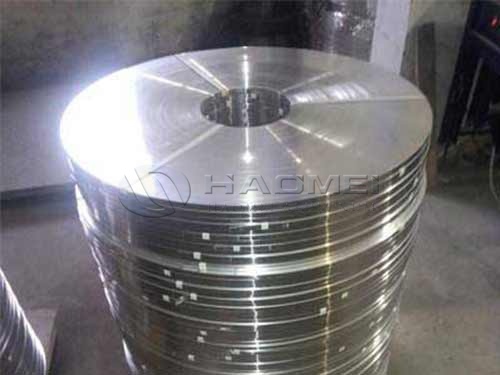
Edge quality is especially important for transformer and cable production. Sharp burrs may pierce insulating paper, polymer film, or cable layers. For this reason, deburred or round-edge aluminum strip is often specified for winding duty. Coil tension must also be uniform so the strip unwinds without telescoping, waviness, or sudden edge movement.
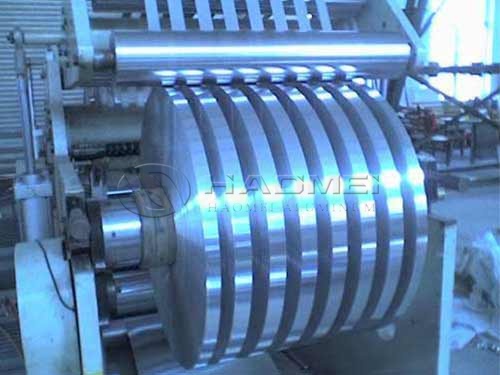
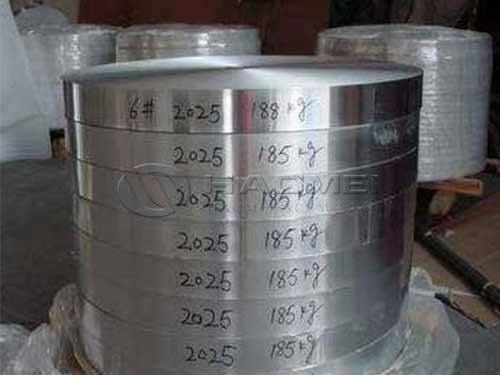
Packaging usually includes moisture-proof paper or film, inner core protection, outer wrapping, steel or plastic straps, and wooden pallets or cases. Export packaging should protect the coil against oxidation, impact, and seawater vapor during long-distance transport.
Selection Tips for Buyers
Choose 1060 or 1070 when conductivity is the main concern. Choose O temper when the strip must be wound tightly or deeply formed. Choose H14 or H18 when the part needs better shape retention after punching. For outdoor electrical structures, 5052 offers stronger corrosion resistance, while 3003 provides a practical balance of strength, forming performance, and cost.
When ordering mill finish aluminum strip for electric use, confirm alloy, temper, thickness, width, coil ID, coil weight, edge condition, conductivity target, burr limit, surface cleanliness, and applicable standard. A clear specification helps ensure stable production, lower scrap, and reliable electrical performance in the finished product.