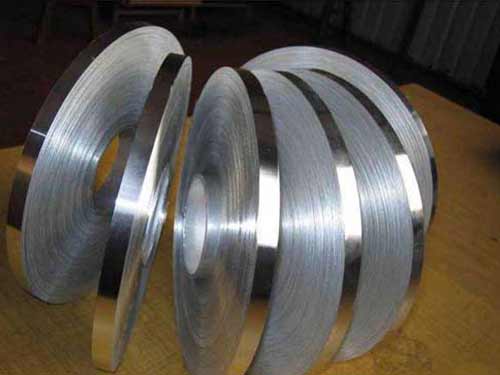
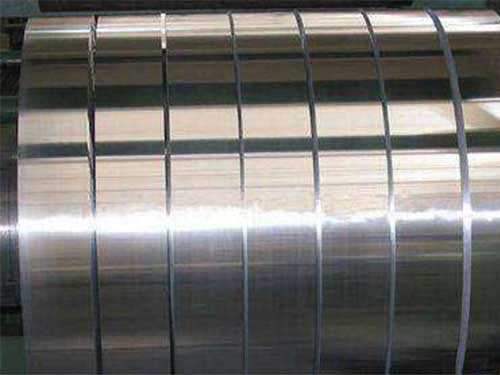
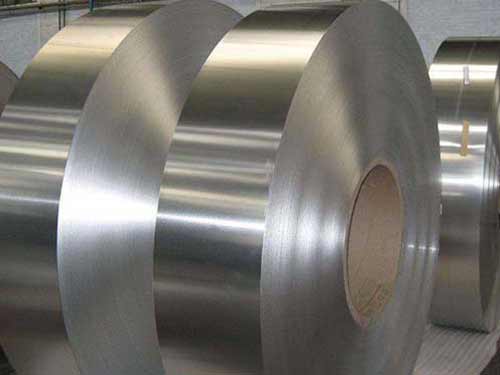
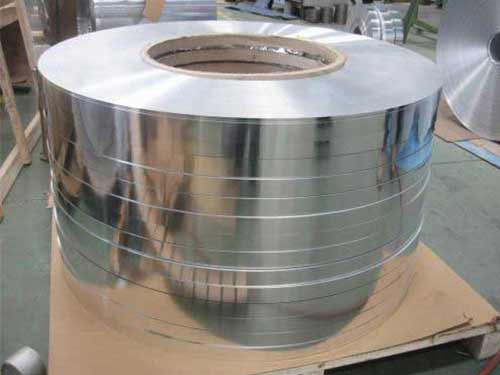
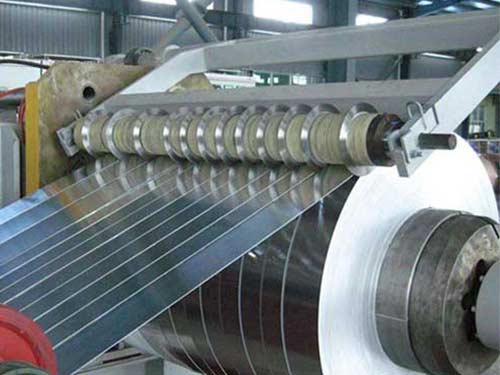
Aluminum Channel Letter Coil Strip
In a finished sign, the face color catches the eye first, but the aluminum channel letter coil strip quietly decides whether the letter keeps its shape, seals well, bends cleanly, and survives years of weather. Seen from the edge of a glowing letter, this strip is not just a narrow metal coil. It is the sidewall, the thermal path, the bending line, the paint carrier, and the structural frame of modern illuminated signage.
What the Strip Does Inside a Channel Letter
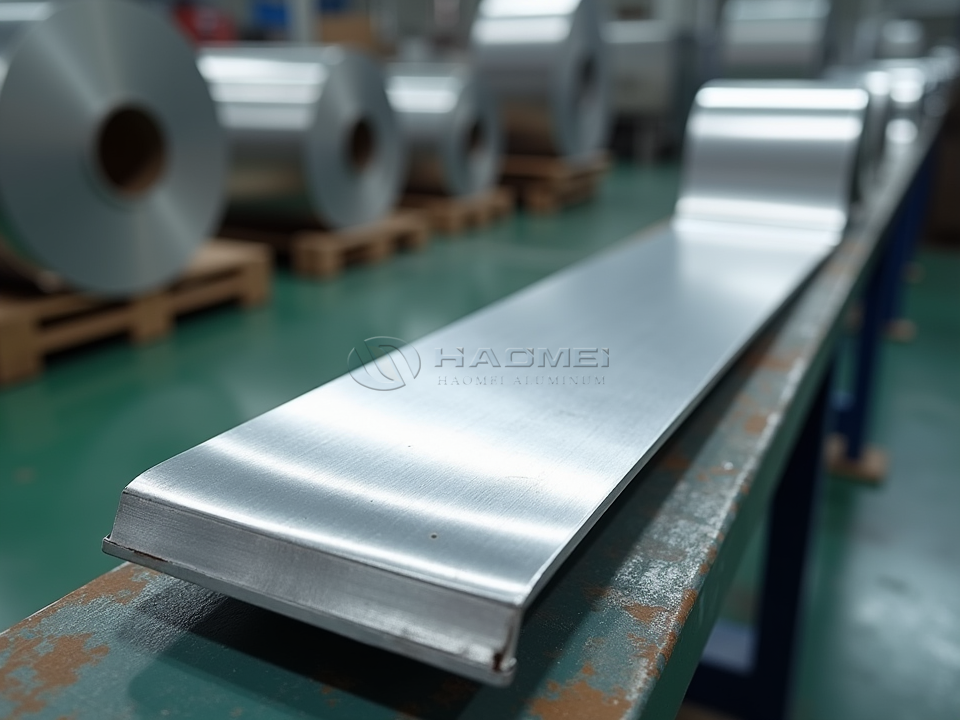
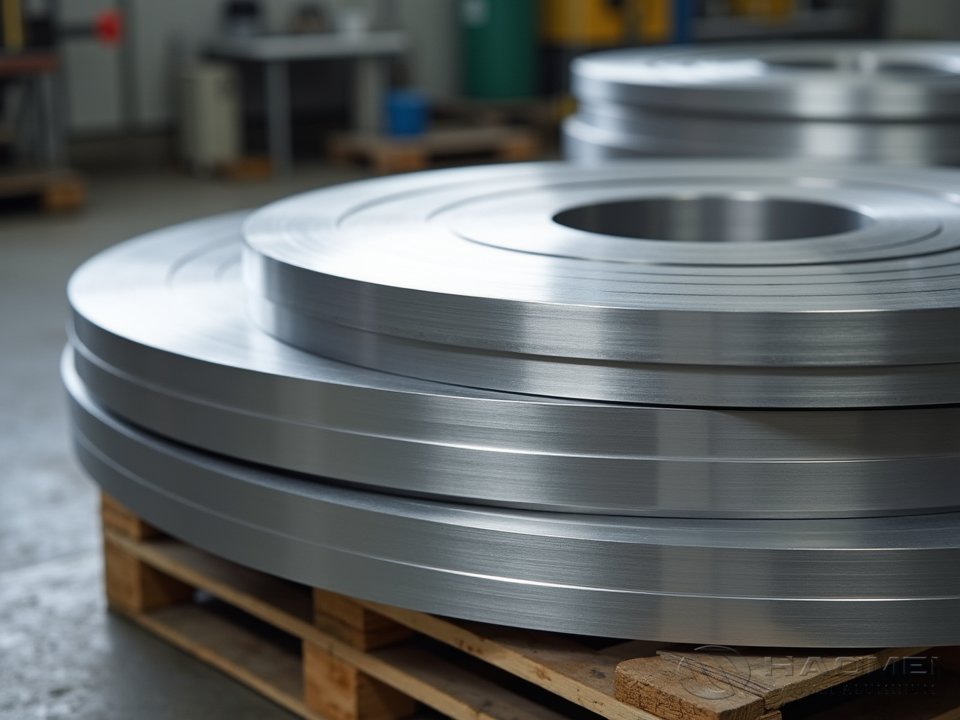
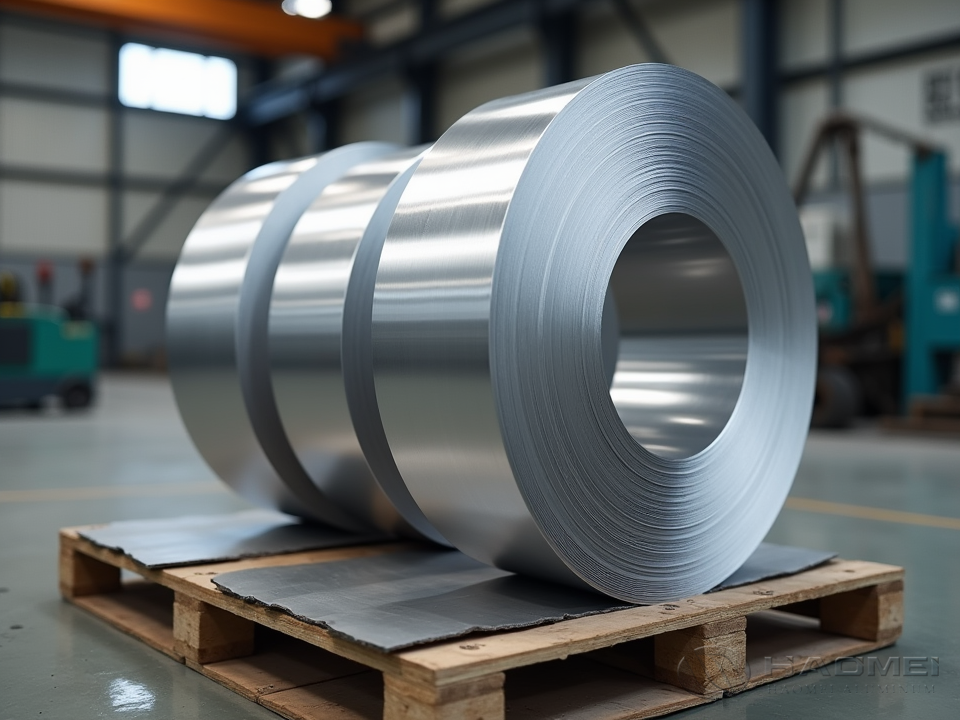
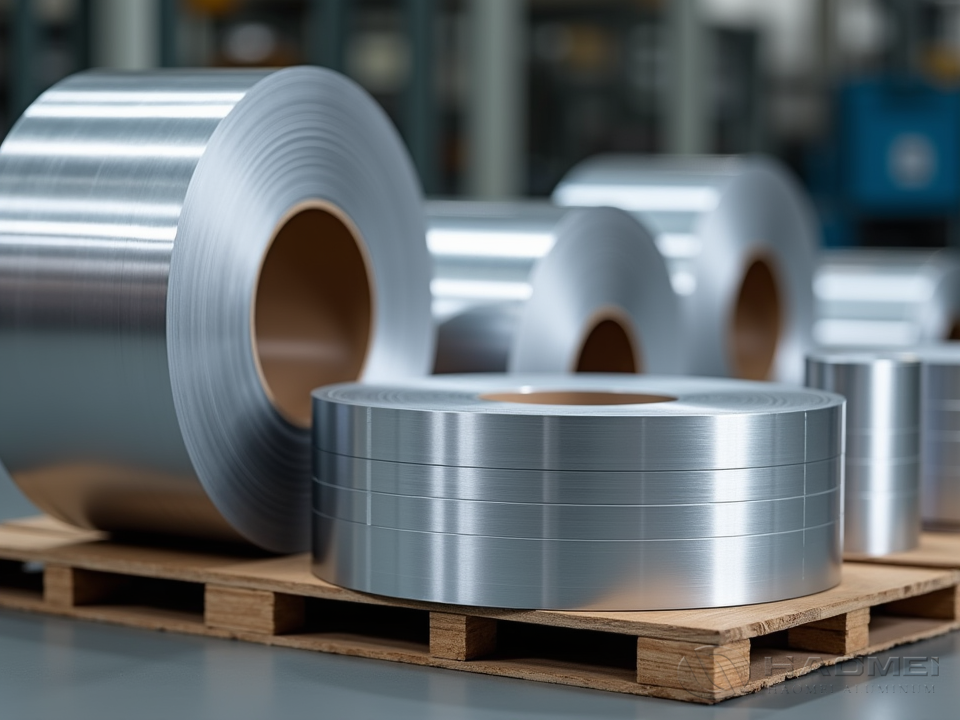
Aluminum channel letter coil strip is used to form the return of a channel letter, meaning the side depth between the sign face and the back plate. During fabrication, the strip is fed through a letter bending machine or hand-formed around templates. It must bend around tight curves without cracking, hold sharp corners without springing back excessively, and accept riveting, clinching, welding, or adhesive bonding.
Its functions are closely linked to sign performance. The strip provides edge rigidity so acrylic faces remain flat. It helps protect LED modules from rain, dust, and wind pressure. Because aluminum conducts heat far better than plastic, it also assists heat dissipation from LED systems, especially in deep or high-brightness letters. For outdoor signs, corrosion resistance is equally important. A suitable alloy and coating system reduce staining, peeling, and oxidation marks on the letter sidewall.
Why Aluminum Works Better Than Heavier Metals
Sign makers choose aluminum because it combines low weight with dependable forming behavior. A lighter return reduces load on building facades and makes large letters easier to install. Compared with steel, aluminum does not need heavy anti-rust treatment, and it is easier to cut, notch, punch, and bend. Compared with plastic sidewalls, aluminum offers better dimensional stability under sunlight and temperature change.
The most common choices include 3003 Aluminum Strip for balanced formability and corrosion resistance, and 5052 Aluminum Strip where higher strength and better marine-environment resistance are required. For ordinary indoor letters, 1050, 1060, or 1100 can also be used because of their softness and easy bending.
Typical Product Parameters
| Item | Common Range for Channel Letter Coil Strip |
|---|---|
| Alloy | 1050, 1060, 1100, 3003, 3105, 5052 |
| Temper | O, H12, H14, H16, H18, H22, H24 |
| Thickness | 0.4 mm to 1.2 mm, common 0.6 mm, 0.8 mm, 1.0 mm |
| Width | 20 mm to 200 mm, often 40 mm to 120 mm for sign returns |
| Coil ID | 300 mm, 405 mm, 500 mm, or customized |
| Coil OD | According to weight and slitting line capacity |
| Surface | Mill finish, pre-painted, anodized, brushed, mirror, laminated film |
| Color | White, black, silver, red, blue, bronze, gold, custom RAL colors |
| Edge | Slit edge, deburred edge, rounded edge on request |
| Tolerance | Thickness typically +/-0.02 mm to +/-0.05 mm, width +/-0.1 mm to +/-0.3 mm |
These values can be adjusted for automatic bending machines. For high-speed equipment, strip flatness, burr control, and coil winding tension matter as much as alloy grade. A beautiful coating is not enough if the coil telescopes, scratches during feeding, or leaves burrs that damage rollers.
Alloy and Temper Selection
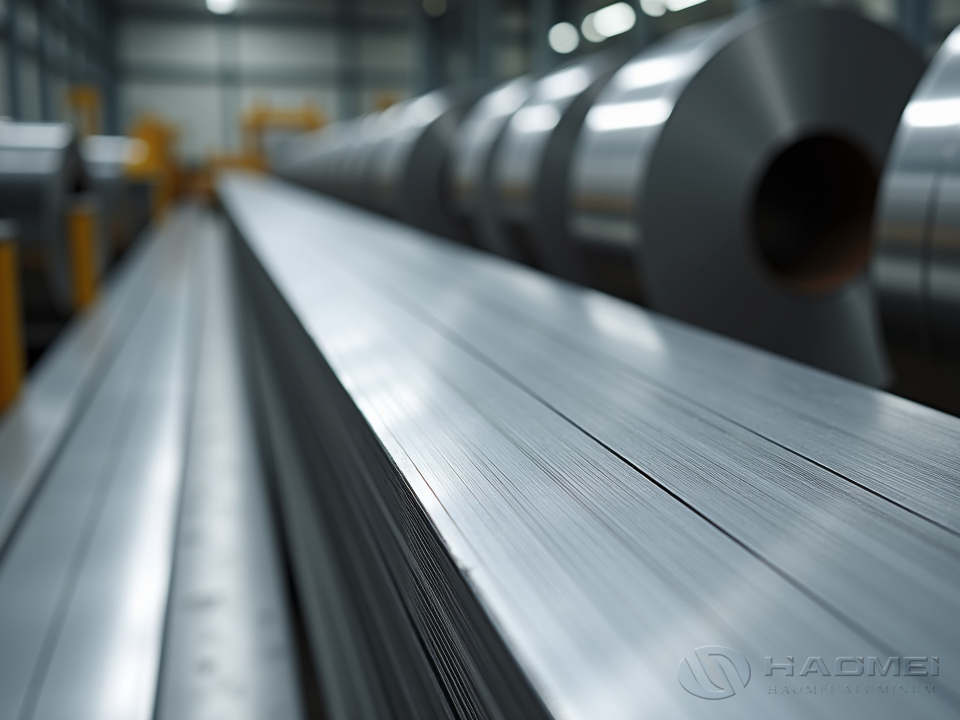
Temper defines how hard or soft the aluminum strip is after rolling and heat or strain treatment. For channel letters, the right temper depends on letter depth, bending radius, installation environment, and fabrication method.
Soft O temper offers excellent bending and is suitable for tight curves, script fonts, small letters, and complex shapes. H12 and H14 provide a practical balance between bending ability and stiffness. They are widely used for ordinary LED channel letters. H16 and H18 are harder and better for straight runs, large letters, and applications requiring stronger sidewalls, but they need larger bending radii to avoid cracking. H22 and H24 tempers are partially annealed strain-hardened states, useful when a smoother bend and moderate strength are both needed.
For deep returns, a 3003-H14 or 3105-H24 strip is often selected because it keeps the letter wall stable. For coastal storefronts, transportation hubs, or humid regions, 5052-H32 or 5052-H34 may be selected for improved resistance to salt and atmospheric corrosion.
Chemical Composition Reference
| Alloy | Al | Si | Fe | Cu | Mn | Mg | Zn | Other |
|---|---|---|---|---|---|---|---|---|
| 1050 | >=99.50 | <=0.25 | <=0.40 | <=0.05 | <=0.05 | <=0.05 | <=0.05 | <=0.03 each |
| 1060 | >=99.60 | <=0.25 | <=0.35 | <=0.05 | <=0.03 | <=0.03 | <=0.05 | <=0.03 each |
| 1100 | >=99.00 | Si+Fe <=0.95 | Si+Fe <=0.95 | 0.05-0.20 | <=0.05 | - | <=0.10 | <=0.05 each |
| 3003 | Balance | <=0.60 | <=0.70 | 0.05-0.20 | 1.00-1.50 | - | <=0.10 | <=0.05 each |
| 3105 | Balance | <=0.60 | <=0.70 | <=0.30 | 0.30-0.80 | 0.20-0.80 | <=0.40 | <=0.05 each |
| 5052 | Balance | <=0.25 | <=0.40 | <=0.10 | <=0.10 | 2.20-2.80 | <=0.10 | Cr 0.15-0.35 |
The chemistry explains the behavior. High-purity 1050 and 1060 bend very easily and resist general corrosion, while manganese in 3003 and 3105 increases strength without making the strip difficult to form. Magnesium in 5052 creates higher strength and better corrosion resistance, especially in damp or salty air.
Standards and Quality Conditions
Reliable aluminum channel letter coil strip is commonly produced according to ASTM B209, EN 485, GB/T 3880, and JIS H4000, depending on customer market requirements. Pre-painted material may also follow coating tests such as color difference control, pencil hardness, T-bend performance, cross-cut adhesion, impact resistance, solvent resistance, and salt spray testing.
For signage, practical inspection should include strip thickness consistency, width accuracy, surface gloss, color uniformity, coating adhesion, edge burr height, camber, coil winding tightness, and protective film quality. Camber is especially important because a curved strip can shift during automatic bending and cause uneven letter depth. Burr control matters because sharp edges can cut paint, scratch acrylic, or harm machine parts.
Coating, Surface, and Weather Behavior
The surface finish must match both design and service life. Mill finish is economical and can be painted after fabrication. Pre-painted strip saves labor and gives consistent color before bending. Anodized strip offers metallic texture and improved surface hardness. Brushed and mirror finishes are used for premium storefronts, hotels, shopping centers, and brand walls.
For outdoor LED letters, polyester paint is widely used for general exposure, while PVDF or high-performance coating systems are preferred for intense sunlight, coastal air, or long warranty projects. Protective film should peel cleanly after bending and installation. If the adhesive is too aggressive, it may leave marks; if too weak, the strip may scratch during processing.
Applications in Modern Sign Fabrication
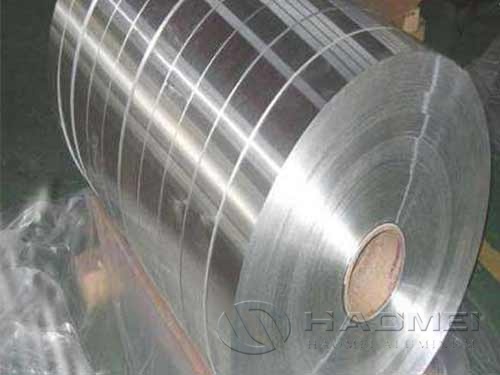
Aluminum channel letter coil strip is used in front-lit letters, back-lit halo letters, trim cap letters, trimless letters, mini letters, exposed LED letters, pylon signs, cabinet signs, interior brand walls, and architectural wayfinding systems. In retail streets, it helps create bright and lightweight storefront names. In airports and stations, it supports large-scale wayfinding signs that need clean edges and stable geometry. In restaurants and fuel stations, coated aluminum strip provides color identity while resisting outdoor exposure.
The strip also works well with acrylic, polycarbonate, stainless back plates, PVC boards, and aluminum composite panels. In production, it can be punched for drain holes, notched for corners, or grooved for easier bending. Some strips are supplied with pre-applied adhesive foam or special grooves to speed up trimless letter assembly.
Buying Notes for Fast Production
A good purchase decision starts with the bending process. Automatic machines usually need tighter width tolerance, lower burr, stable hardness, and smooth coil feeding. Hand-made letters can accept broader specifications but still require a surface that does not crack when folded. For small letters and complex fonts, choose softer temper and thinner gauge. For large outdoor letters, choose stronger temper, thicker strip, and weather-resistant coating.
The best aluminum channel letter coil strip is the one that disappears into the sign: it bends without complaint, holds the designed depth, keeps color under sunlight, and protects the lighting system behind the face. When alloy, temper, coating, and slitting quality are matched correctly, the finished letter looks simple from the street, yet performs like a carefully engineered metal component.