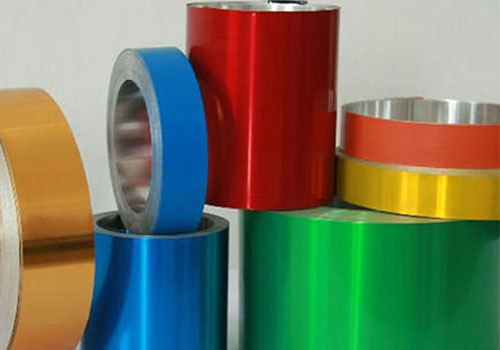
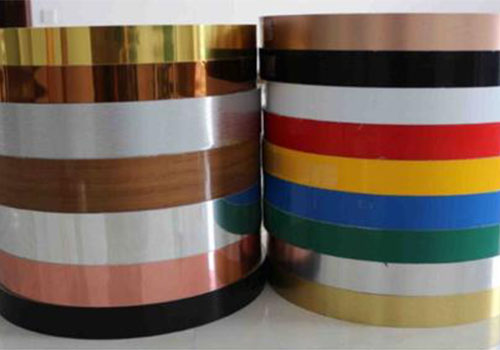
Good Gloss Color Aluminum Strip
Good Gloss Color Aluminum Strip is a pre-painted aluminum material designed for projects that require a bright visual finish, stable color, lightweight structure, and dependable forming performance. Its surface is coated with high-quality paint systems that create a clean, reflective appearance while protecting the aluminum base from moisture, oxidation, stains, and everyday wear.
This material is widely selected for decorative trim, ceiling systems, shutters, lighting parts, sign frames, appliance panels, packaging components, and building accessories. Compared with painted steel, glossy color aluminum strip offers lower weight, excellent corrosion resistance, and easier fabrication. It can be slit, bent, stamped, roll formed, embossed, and laminated while maintaining an attractive painted surface.
Bright Surface, Stable Color, Flexible Processing
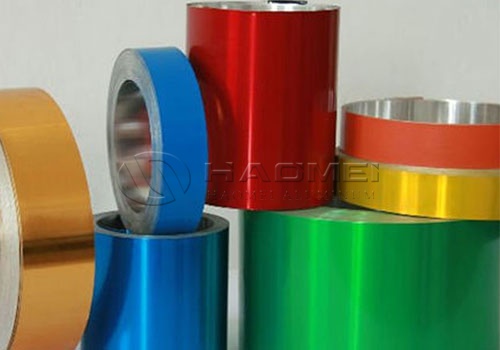
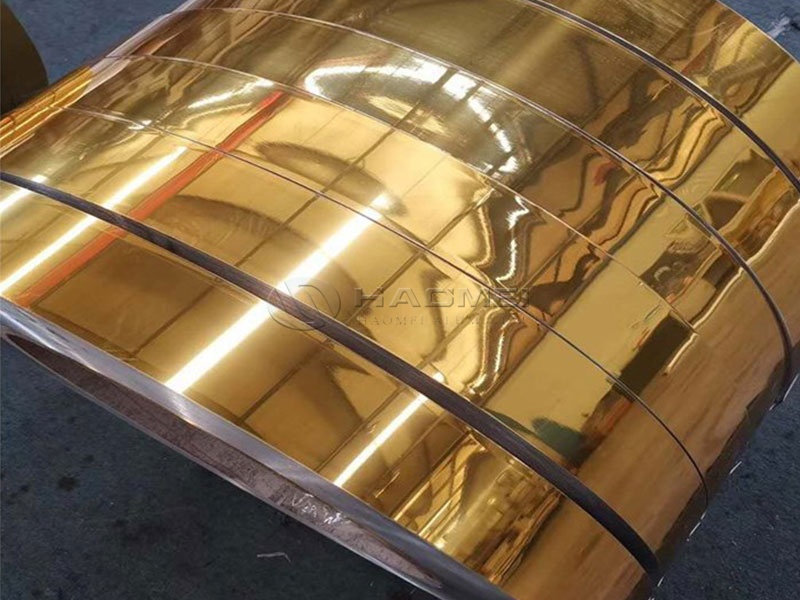
The defining characteristic of good gloss color aluminum strip is its polished visual effect. The coating reflects light smoothly, giving finished products a fresh and refined appearance. Gloss levels can be adjusted according to project requirements, from soft satin finishes to highly reflective decorative surfaces.
A carefully controlled coating process helps the strip maintain consistent color from coil to coil. This is particularly important for curtain accessories, decorative profiles, blinds, channel letters, display frames, and appliance parts where neighboring panels must match in tone and brightness.
The aluminum substrate also provides natural advantages in production. It is easy to cut into narrow widths, supports continuous roll forming, and can be shaped into curved or angular components without excessive springback. For customers producing decorative bands, edge trims, shutter slats, or metal accessories, a well-selected Color Coated Aluminum Strip can improve both appearance and processing efficiency.
Typical Technical Parameters
| Parameter | Common Range or Option |
|---|---|
| Base alloy | 1050, 1060, 1100, 3003, 3105, 5052 |
| Temper | O, H14, H16, H18, H24, H26 |
| Thickness | 0.20 mm to 1.50 mm |
| Width | 20 mm to 1,600 mm |
| Coil inner diameter | 150 mm, 300 mm, 405 mm, 508 mm |
| Surface finish | High gloss, medium gloss, satin gloss, matte optional |
| Coating type | PE, HDPE, SMP, PVDF, epoxy primer systems |
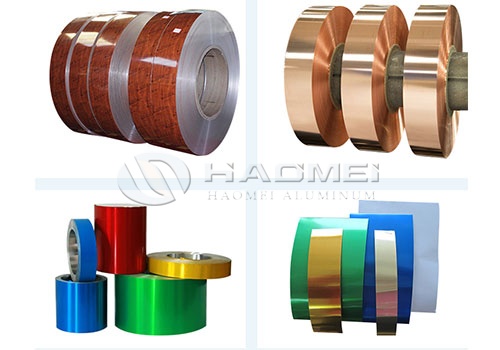
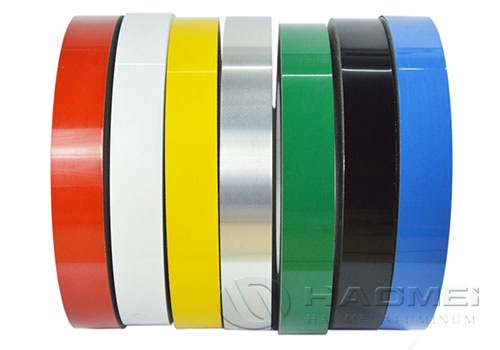
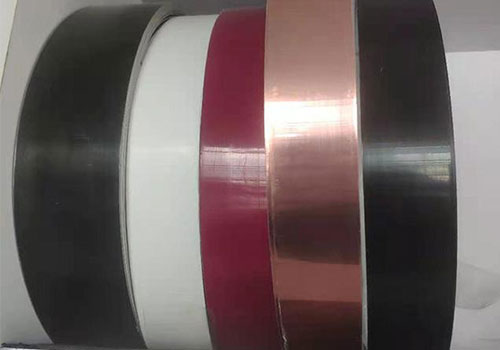
| Color options | White, black, red, blue, green, gold, silver, woodgrain, custom RAL colors |
| Protective film | Optional for scratch-sensitive fabrication |
| Coil weight | Customized according to slitting and handling requirements |
Specifications can be adapted to the production route. Narrow strips are commonly supplied for rolling shutters, electrical parts, decorative edging, and packaging lines. Wider coils may be slit locally for ceiling panels, profiles, appliance components, and architectural accessories.
Aluminum Substrate Chemistry
The alloy grade affects strength, formability, corrosion resistance, and final use suitability. Commercially pure aluminum grades are often selected for deep drawing and general decorative processing. Manganese-containing grades such as 3003 and 3105 provide improved strength for roll-formed and architectural components.
| Alloy | Main Chemical Characteristics | Suitable Uses |
|---|---|---|
| 1050 | High aluminum content, excellent ductility and conductivity | Decorative bands, lighting reflectors, general trim |
| 1060 | Good formability, soft surface, economical choice | Signage, insulation cladding, simple profiles |
| 1100 | High purity aluminum with reliable corrosion resistance | Decorative panels, household products, packaging |
| 3003 | Aluminum-manganese alloy with improved mechanical strength | Ceilings, roofing accessories, shutter components |
| 3105 | Aluminum-manganese alloy suited to coated building products | Fascia, gutters, siding trim, appliance panels |
| 5052 | Magnesium-containing alloy with higher strength | Marine-adjacent parts, durable covers, formed accessories |
For projects exposed to humidity, industrial atmospheres, or outdoor sunlight, alloy selection should be considered together with coating type, coating thickness, and expected service environment.
Coating Construction and Gloss Performance
A good gloss finish is not created by paint alone. It depends on substrate cleaning, chemical pretreatment, primer adhesion, topcoat quality, curing control, and surface tension management. A stable coating construction reduces the risk of uneven gloss, pinholes, poor adhesion, and color variation.
| Coating Layer | Typical Function |
|---|---|
| Aluminum substrate | Provides lightweight strength and forming capability |
| Chemical pretreatment | Improves corrosion protection and paint adhesion |
| Primer coat | Supports coating bond and increases durability |
| Gloss topcoat | Delivers color, shine, stain resistance, and surface protection |
| Back coat | Protects the reverse side during processing and service |
| Protective film, optional | Helps prevent handling scratches during fabrication |
PE coatings are frequently used for indoor decoration, appliance parts, signage, and general fabrication due to their economy and good color range. A PE Coated Aluminum Strip is especially suitable when bright appearance and efficient processing are more important than long-term severe-weather exposure.
For demanding outdoor environments, stronger coating systems such as PVDF, SMP, or high-durability polyester can be selected. These finishes offer improved resistance to ultraviolet exposure, chalking, fading, and environmental attack.
Advantages for Fabricators and Product Designers
Good Gloss Color Aluminum Strip helps manufacturers combine decorative value with practical performance. Its low density reduces transportation load and makes finished assemblies easier to install. Unlike heavier painted metals, aluminum can deliver a premium look without adding excessive weight to the product.
The coated surface can reduce secondary painting operations. This saves production time, limits paint waste, and helps maintain a more consistent finish across large production batches. With suitable bending radii and correct tool design, the strip can pass through forming equipment smoothly while preserving coating integrity.
Its corrosion resistance is another major benefit. Aluminum naturally forms a protective oxide layer, while the paint system provides an additional barrier against moisture and contaminants. This combination makes glossy coated strip suitable for kitchens, bathrooms, commercial interiors, transport accessories, and many semi-outdoor installations.
Common Applications
Good gloss color aluminum strip is used wherever color continuity, clean edges, and reflective decorative surfaces are desired. In construction, it can be formed into ceiling grid trim, wall panel edges, gutter components, window accessories, downspout parts, and rolling shutter slats. In interior decoration, it is used for furniture edging, cabinet details, lampshades, display systems, and partition profiles.
Appliance manufacturers use glossy aluminum strip for refrigerator trim, air conditioner covers, cooker hoods, washing machine details, and small household equipment. Sign producers value the material for channel letters, frame borders, illuminated signs, and retail display panels. Packaging and consumer-product producers may use narrow coated strip for caps, closures, labels, decorative rings, and lightweight shell components.
Gold, silver, black, white, deep blue, emerald green, and vivid red finishes are popular choices for design-focused products. Custom colors can also be matched to brand palettes, architectural themes, or existing product collections.
Handling and Fabrication Guidance
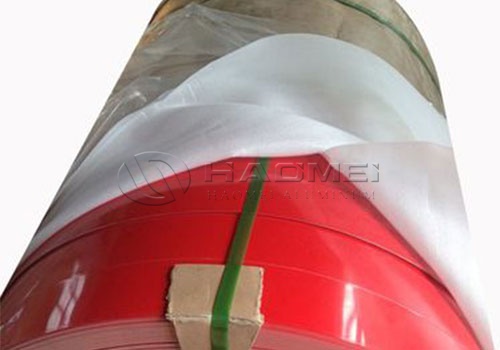
To preserve the gloss surface, coils should be stored in a dry, ventilated area away from direct water exposure and excessive temperature changes. Contact between bare coil edges and hard surfaces should be minimized during loading, slitting, and forming. Protective film is recommended when the strip will pass through multiple fabrication stages or when finished surfaces remain visible after installation.
Forming tools should be clean, smooth, and correctly aligned. Tight bends may require a softer temper, thinner gauge, or larger bend radius to prevent coating stress. For adhesive bonding, printing, or lamination, surface compatibility testing is recommended before mass production.
Good Gloss Color Aluminum Strip offers a balanced solution for customers seeking vivid color, attractive shine, low weight, corrosion resistance, and efficient fabrication. With the right alloy, coating system, thickness, and gloss level, it can bring lasting visual value to a broad range of decorative and industrial products.