Ding Aluminum Strip Panel Coated Color
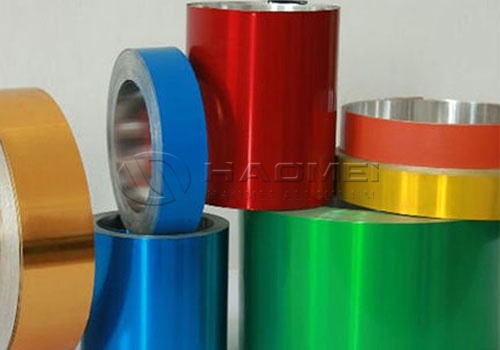
Ding Aluminum Strip Panel Coated Color is a pre-painted aluminum strip designed for projects that require a clean decorative finish, practical fabrication performance, and dependable weather resistance. It combines an aluminum substrate with a controlled coating system, allowing fabricators and project owners to create attractive panels, trims, ceiling components, shutters, signage, appliance parts, and architectural details without painting after forming.
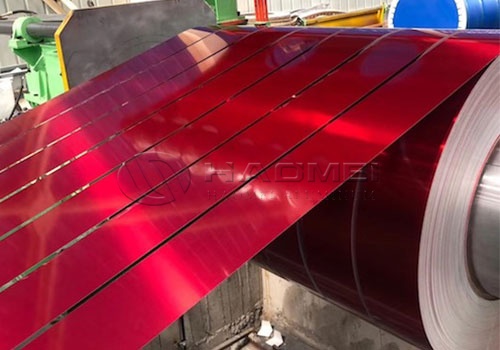
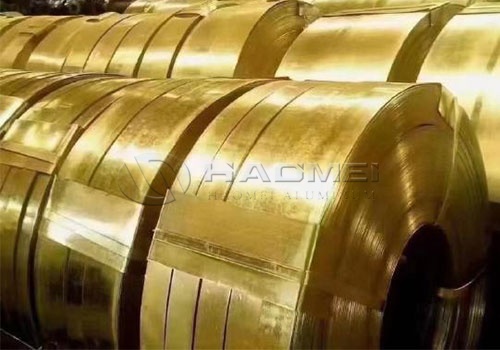
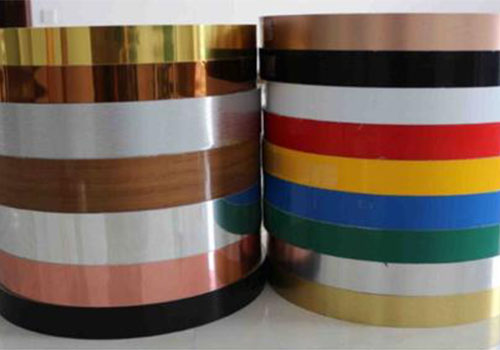
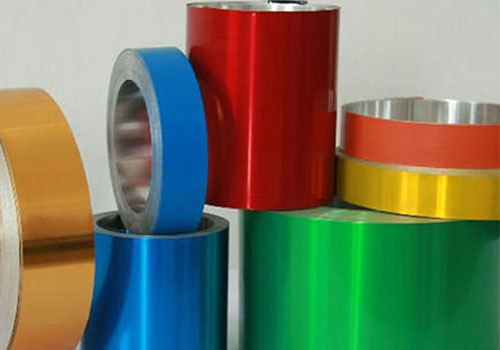
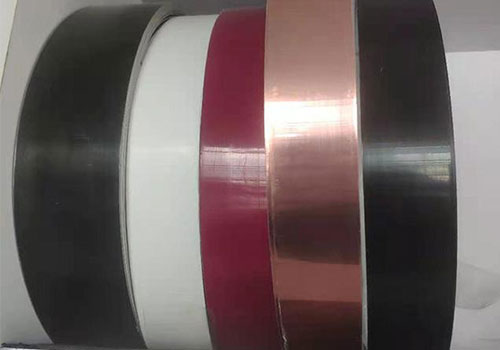
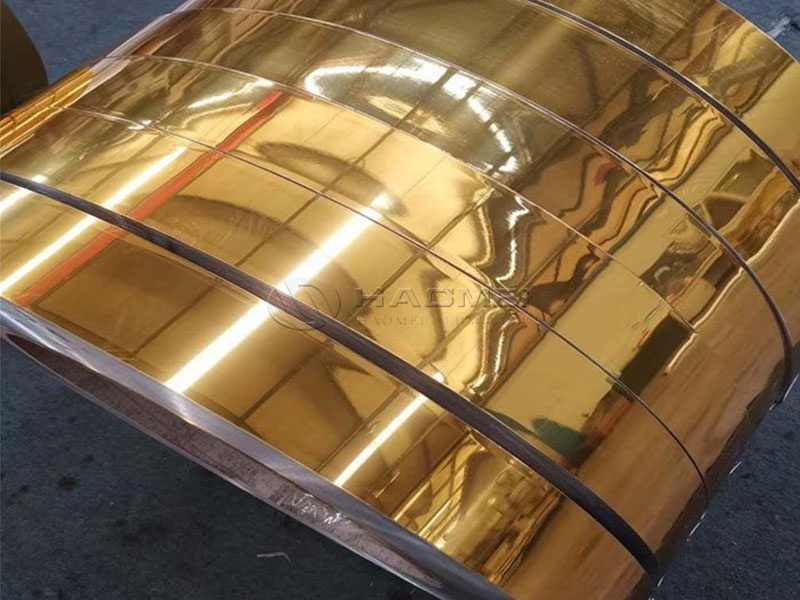
The material is supplied in coil or slit-strip form. Its smooth, colored surface helps shorten processing time, reduce finishing steps, and maintain a consistent appearance across large production batches. From bright red and warm golden tones to neutral white, gray, black, and customized colors, coated aluminum strip brings visual freedom to lightweight metal products.
Built for Appearance and Practical Processing
The value of Ding Aluminum Strip Panel Coated Color begins with its structure. Aluminum is naturally light, corrosion resistant, and easy to bend. A carefully prepared painted surface adds color retention, surface protection, and visual character. The result is a strip material that can be roll formed, pressed, folded, stamped, or laminated into finished components.
Compared with post-painted metal parts, pre-coated aluminum can provide more stable color control and cleaner production. It reduces the need for spray booths, drying ovens, solvent handling, and repainting after fabrication. For manufacturers producing repeated profiles or long panel runs, this can improve efficiency while helping maintain a uniform finish.
A well-selected Color Coated Aluminum Strip can also support detailed design work. Gloss, texture, color family, coating type, and protective film can be matched to the end use. Matte finishes can create a restrained architectural look, while high-gloss surfaces bring a brighter decorative effect to retail, display, and appliance projects.
Material Structure and Typical Specifications
Ding Aluminum Strip Panel Coated Color commonly uses 1xxx, 3xxx, or 5xxx series aluminum alloys. Alloy selection depends on thickness, bending radius, corrosion exposure, strength demand, and the intended processing route. Softer grades are often selected for deep forming and complex shapes, while stronger grades suit profiles that need better stiffness.
| Parameter | Typical Range or Option | Practical Benefit |
|---|---|---|
| Aluminum alloy | 1050, 1060, 1100, 3003, 3105, 5052 | Balances formability, strength, and corrosion resistance |
| Thickness | 0.20-1.50 mm | Suitable for thin trims through rigid panel components |
| Width | 20-1,600 mm | Can be slit to match roll-forming or stamping lines |
| Coil inner diameter | 150 mm, 300 mm, 405 mm, 508 mm | Compatible with common processing equipment |
| Surface coating | PE, HDPE, PVDF, polyester-modified systems | Matched to indoor or outdoor service conditions |
| Finish | Glossy, matte, embossed, brushed, textured | Supports decorative and functional design needs |
| Protective film | Optional | Helps prevent scratches during fabrication and installation |
The coating system normally includes pretreatment, primer, and finish coat. Pretreatment improves adhesion between aluminum and paint while supporting corrosion protection. The primer layer contributes to coating stability and flexibility. The topcoat provides the visible color, gloss, durability, and resistance to common environmental stresses.
| Coating Property | Typical Performance Consideration |
|---|---|
| Film thickness | Selected according to coating type, exposure, and required appearance |
| Adhesion | Evaluated after bending or cross-hatch testing |
| Pencil hardness | Indicates resistance to light scratches and handling marks |
| T-bend flexibility | Shows whether the coating can tolerate forming without cracking |
| Color consistency | Controlled by approved color sample, batch management, and inspection |
| Salt spray resistance | Important for humid, industrial, and coastal environments |
| UV durability | Especially important for exterior panels and sun-exposed trims |
Aluminum Chemistry and Mechanical Behavior
The substrate chemistry influences corrosion resistance, strength, and workability. For decorative strip panels, 3003 and 3105 alloys are frequently chosen because manganese improves strength while retaining good forming performance. The composition must follow the applicable alloy standard and agreed temper.
| Typical Alloy | Main Alloying Elements | Suitable Uses |
|---|---|---|
| 1050 / 1060 | High aluminum content with controlled impurities | Decorative trims, reflectors, light-duty formed parts |
| 1100 | Aluminum with controlled copper content | General forming, signage, indoor decorative uses |
| 3003 | Manganese with small controlled copper content | Roofing details, gutters, panels, insulation cladding |
| 3105 | Manganese and magnesium additions | Building panels, shutters, ceiling systems, siding |
| 5052 | Magnesium alloy | Higher-corrosion applications and stronger formed parts |
Mechanical properties vary with alloy, thickness, and temper. Soft tempers support tight bends and profile forming. Harder tempers improve flatness and stiffness but require greater attention to bend radius. During product selection, the forming method should be considered together with coating flexibility. A durable coating is only effective when it remains intact through the intended fabrication process.
Coating Choices for Different Environments
PE coatings are widely used for indoor surfaces, general decoration, and applications with moderate weather exposure. They offer a broad color range, good workability, and cost-effective performance. For indoor ceiling panels, appliance shells, shop fittings, and light-duty trim, PE Coated Aluminum Strip is often a practical option.
For exterior facades, roofing accessories, sun-exposed wall panels, and demanding climates, a higher-performance coating such as PVDF may be preferred. PVDF systems are known for stronger resistance to ultraviolet radiation, chalking, fading, and severe weathering. The final coating selection should consider installation location, expected service life, pollution level, humidity, salt exposure, and cleaning requirements.
Color can be supplied according to standard references, customer samples, or project-approved panels. Metallic, wood-grain, stone-like, brushed, and embossed effects can expand design possibilities. Since gloss level affects perceived color, it is advisable to confirm both color and gloss under suitable lighting before mass production.
Applications Across Building and Industrial Markets
Ding Aluminum Strip Panel Coated Color is highly adaptable because it offers low weight and easy conversion into finished profiles. In architecture, it is used for curtain wall trims, ceiling grids, soffits, fascia boards, rainwater systems, roller shutters, composite panel skins, wall cladding details, and roofing accessories. Its light weight reduces structural load while its coated surface supports a finished appearance.
In interior spaces, the strip is used for suspended ceiling panels, partition trims, furniture edging, cabinet components, display racks, decorative channels, and lighting housings. Smooth painted aluminum is easy to clean and can create coordinated color themes in commercial spaces, transport terminals, offices, hospitals, and retail environments.
Industrial uses include appliance components, ventilation ducts, insulation jacketing, signage blanks, instrument housings, packaging closures, and roll-formed profiles. The material can be slit to narrow widths for automated production lines, helping reduce offcut waste and improve feeding consistency.
Handling Guidance for a Long-Lasting Finish
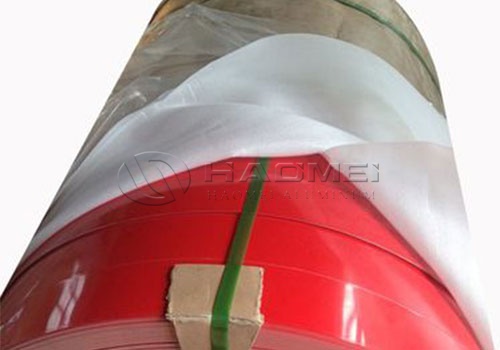
Protecting the coating during storage and fabrication is essential. Coils should be kept in a dry, ventilated area away from condensation, corrosive chemicals, and large temperature swings. Protective film should be removed within the agreed period after installation, particularly in warm outdoor conditions where prolonged exposure can make removal more difficult.
Use clean rollers, dies, gloves, and work surfaces to prevent pressure marks and contamination. During bending, apply a suitable bend radius for the selected alloy, temper, coating system, and thickness. For exterior installations, use compatible sealants, fasteners, and adjoining materials to avoid staining or galvanic corrosion.
Ding Aluminum Strip Panel Coated Color delivers a practical combination of decorative freedom, lightweight performance, fabrication flexibility, and dependable protection. With the right alloy, temper, coating, and finish, it provides an efficient material solution for modern panel and strip-based products.