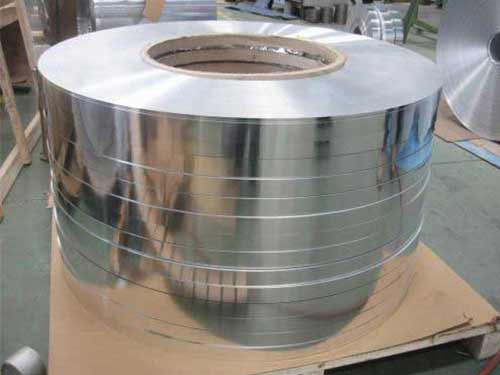
Aluminum Strip 1050 1060
Aluminum strip is often judged by thickness, width, or price. For 1050 and 1060 grades, however, the more meaningful question is what the metal must do after it leaves the coil. Will it be deeply stamped into a lamp cap? Wrapped around a cable core? Bent into a heat-transfer fin? Painted, anodized, or converted into a reflective component?
Both 1050 and 1060 aluminum strip belong to the commercially pure aluminum family. They are selected not because they offer the highest structural strength, but because they offer dependable formability, corrosion resistance, electrical conductivity, and a clean surface response. In many fabrication lines, their value is revealed quietly: fewer cracks at bends, smoother stamping, stable conductivity, and fewer finishing defects.
1050 and 1060: Similar Grades With Different Purity Targets
The difference between these alloys is small on paper but relevant in applications that rely on electrical or thermal performance. 1050 aluminum contains at least 99.50% aluminum, while 1060 contains at least 99.60%. The higher aluminum content of 1060 can support slightly better electrical conductivity and thermal conductivity. In ordinary decorative, packaging, and general forming jobs, either grade may perform well when temper and surface quality are correctly specified.
1050 aluminum strip is widely used where soft forming and a smooth finish are important. It is a practical material for chemical equipment linings, reflector components, cookware parts, signage, and general sheet-metal work. 1060 aluminum strip is frequently preferred for conductive products, transformer winding, cable shielding, heat-dissipation parts, and electrical accessories.
For sourcing consistency, buyers can compare specifications through 1050 / 1060 Aluminum Strip options suited to different strip widths, tempers, and processing requirements.
Chemical Composition
The chemical composition limits are commonly expressed as mass percentages. Trace elements influence conductivity, workability, and surface behavior, so material certificates should be reviewed when the strip is intended for electrical or sensitive forming applications.
| Element | 1050 Aluminum Strip, % | 1060 Aluminum Strip, % |
|---|---|---|
| Aluminum, Al | 99.50 min | 99.60 min |
| Silicon, Si | 0.25 max | 0.25 max |
| Iron, Fe | 0.40 max | 0.35 max |
| Copper, Cu | 0.05 max | 0.05 max |
| Manganese, Mn | 0.05 max | 0.03 max |
| Magnesium, Mg | 0.05 max | 0.03 max |
| Zinc, Zn | 0.07 max | 0.05 max |
| Titanium, Ti | 0.05 max | 0.03 max |
| Other elements, each | 0.03 max | 0.03 max |
| Other elements, total | 0.03 max | 0.03 max |
Product Parameters That Matter on the Production Floor
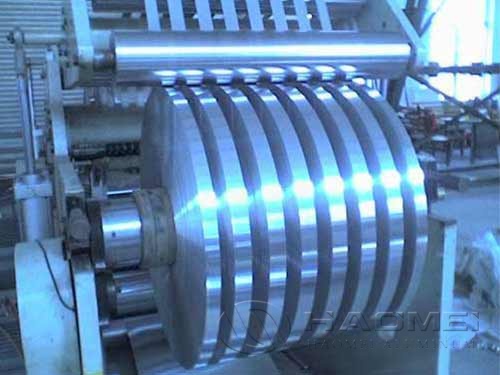
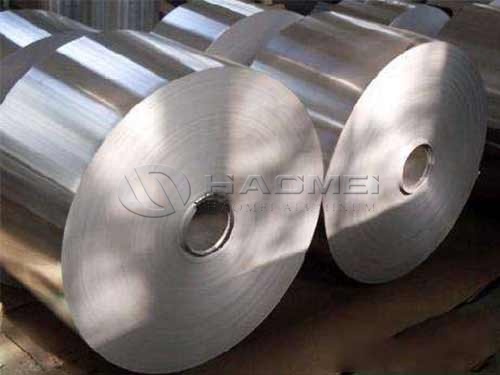
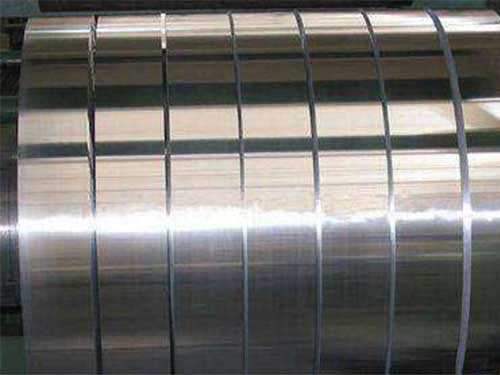
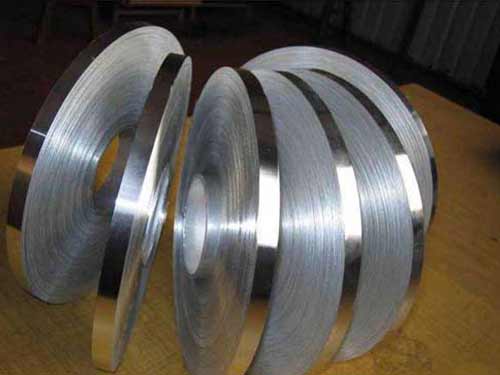
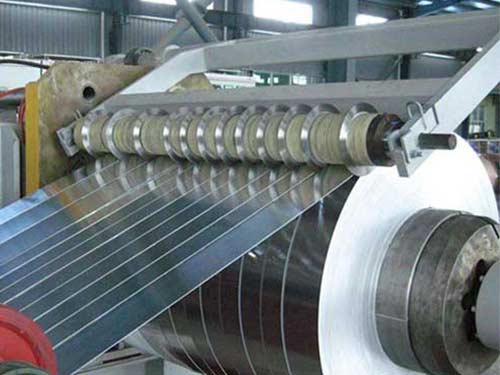
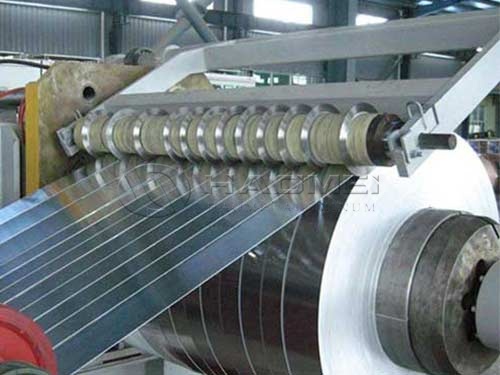
Aluminum strip is produced by rolling wide coil and slitting it into narrower widths. The final quality depends not only on alloy composition but also on edge condition, coil winding, flatness, thickness control, and surface cleanliness. For automated stamping or winding, a well-controlled coil can reduce tool wear, feeding interruptions, and scrap.
| Parameter | Typical Supply Range or Condition |
|---|---|
| Alloy | 1050, 1060 |
| Thickness | Approximately 0.10 mm to 6.00 mm |
| Width | Approximately 10 mm to 1,650 mm |
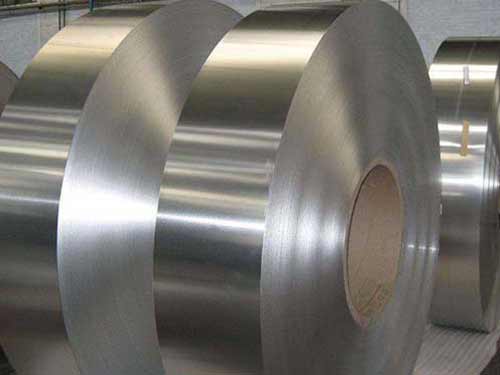
| Coil inner diameter | Commonly 150 mm, 300 mm, 400 mm, 500 mm, or customized |
| Coil weight | According to handling and processing equipment requirements |
| Surface | Mill finish, bright finish, brushed, embossed, coated, or anodized-ready |
| Edge | Mill edge, slit edge, deburred edge, rounded edge on request |
| Flatness | Controlled according to thickness, width, and end use |
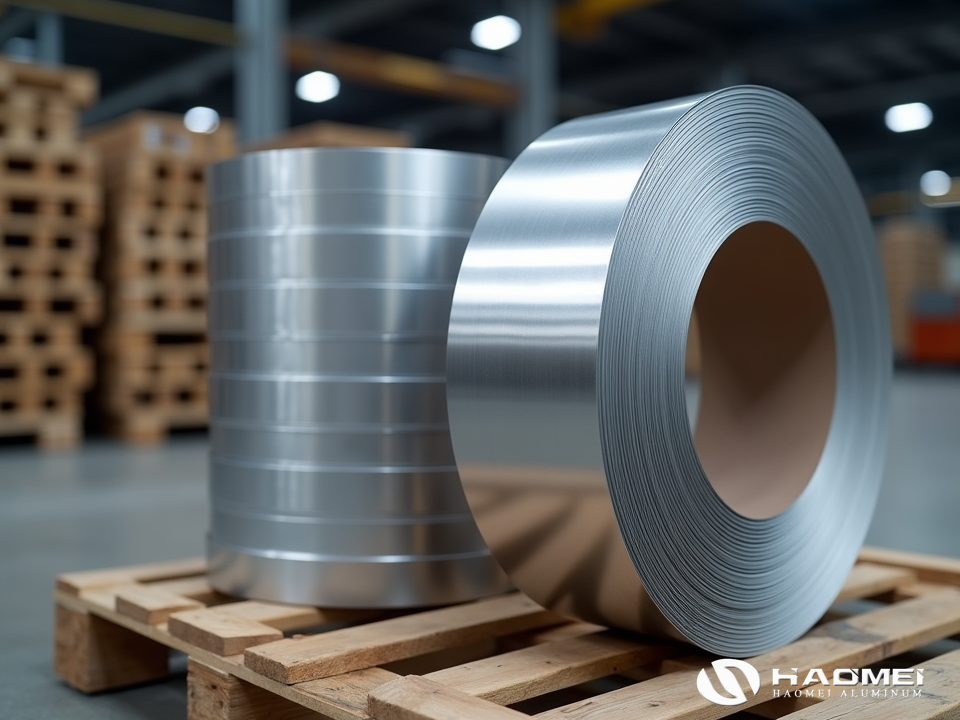
| Packaging | Moisture-resistant wrapping, protective corner materials, wooden pallet or eye-to-wall support |
Exact thickness tolerance, width tolerance, burr limits, and camber requirements should be agreed before production. This is especially important for narrow strip used in transformer coils, cable applications, or progressive die stamping.
Temper: The Choice That Changes How the Strip Behaves
Temper describes the material condition after annealing or cold rolling. It has a direct effect on strength, elongation, bending performance, and springback. Choosing the wrong temper can make a suitable alloy behave like the wrong material.
| Temper | Material Character | Typical Use |
|---|---|---|
| O | Fully annealed, very soft, highest formability | Deep drawing, spinning, bending, embossing |
| H12 | Quarter-hard | Light forming, general fabrication |
| H14 | Half-hard | Lamp caps, signage, moderate stamping |
| H16 | Three-quarter hard | Parts needing added stiffness with limited forming |
| H18 | Full-hard | Fins, shutters, stiff strip components, less severe bending |
| H19 | Extra-hard | Specialized thin strip requiring higher rigidity |
O temper is often the first choice for deep drawing because it allows metal flow without excessive cracking. H14 is a balanced commercial temper for components requiring both shape retention and reasonable bendability. H18 provides higher hardness but should not be selected for tight-radius bends unless tests confirm acceptable results.
Mechanical and Physical Characteristics
Mechanical values vary with temper, thickness, and applicable standard. The figures used for purchasing should be confirmed in the mill test certificate and agreed technical specification.
| Property | Typical 1050 / 1060 Behavior |
|---|---|
| Density | About 2.70 g/cm³ |
| Melting range | Approximately 646°C to 660°C |
| Electrical conductivity | High, especially in 1060 |
| Thermal conductivity | High, suitable for heat transfer components |
| Corrosion resistance | Excellent in normal atmospheric environments |
| Weldability | Good by common fusion welding methods |
| Formability | Excellent in O temper; good in lighter H tempers |
| Strength | Lower than manganese- or magnesium-alloyed strip |
Because these grades are soft compared with 3003 or 5052, they are not intended for load-bearing structures. Where greater strength, improved dent resistance, or more demanding corrosion performance is required, an Alloy Aluminum Strip from another series may be more suitable.
Implementation Standards and Quality References
1050 and 1060 aluminum strip may be manufactured and inspected in accordance with customer agreements and recognized material standards. Common references include ASTM B209 for aluminum and aluminum-alloy sheet and plate, EN 485 for tolerances and mechanical properties of wrought aluminum products, EN 573 for chemical composition designations, and GB/T 3880 for aluminum and aluminum alloy sheets and strips.
The selected standard should match the destination market and application. Electrical strip may require conductivity testing. Decorative strip may need surface inspection under defined lighting conditions. Deep-drawing strip may require grain structure control, elongation targets, and testing with the intended tooling.
Applications Guided by Material Behavior
1050 and 1060 strip are used in transformer windings, cable wrapping, lighting accessories, heat exchangers, insulation cladding, reflector panels, cookware components, nameplates, bottle caps, decorative trims, and stamped hardware. Their low density also helps reduce part weight without sacrificing corrosion resistance.
For a buyer, the most effective specification is not simply "1050 aluminum strip" or "1060 aluminum strip." It should state the alloy, temper, thickness, width, edge condition, coil direction, surface requirement, applicable standard, and final use. That level of detail transforms a basic coil into a reliable production material.