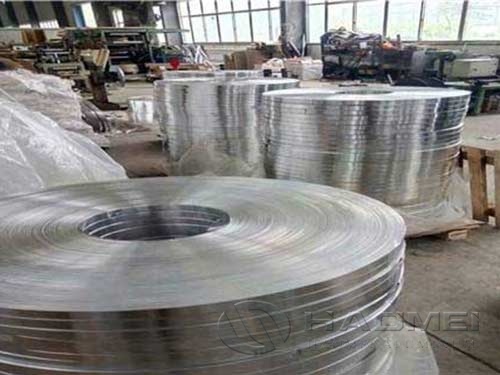
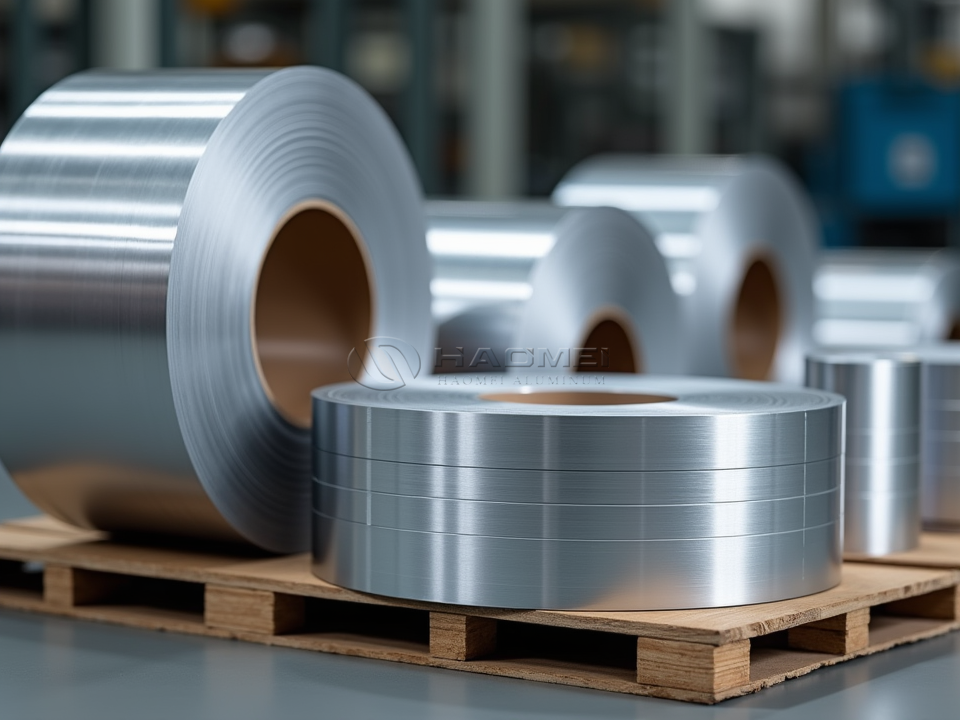
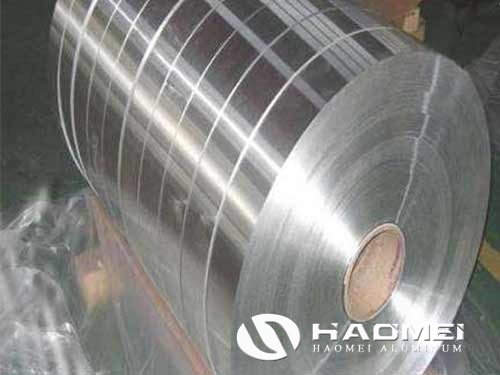
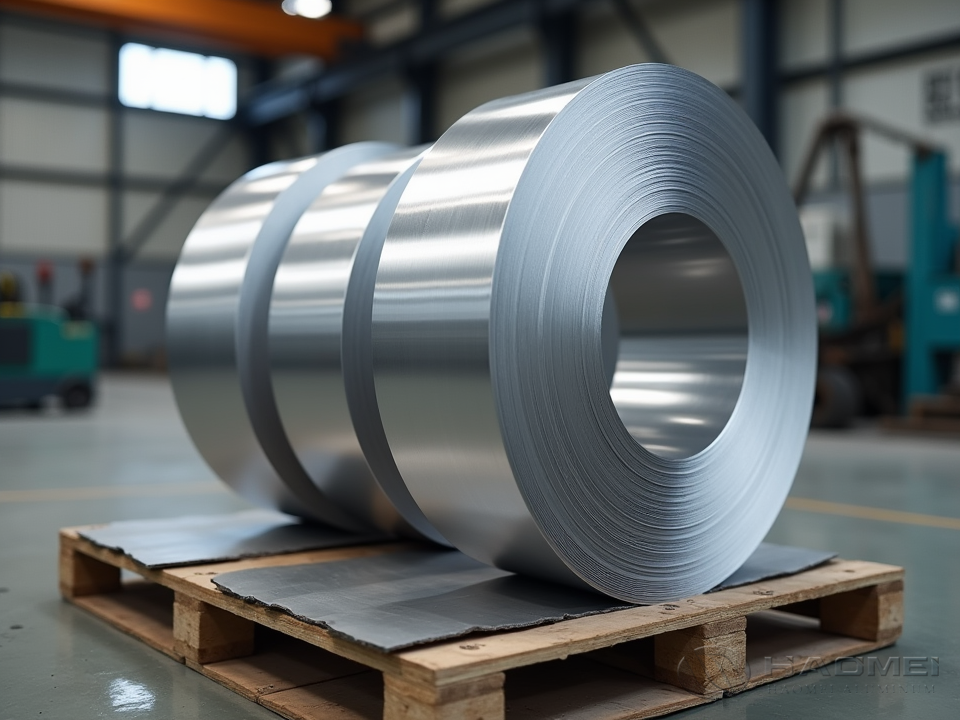
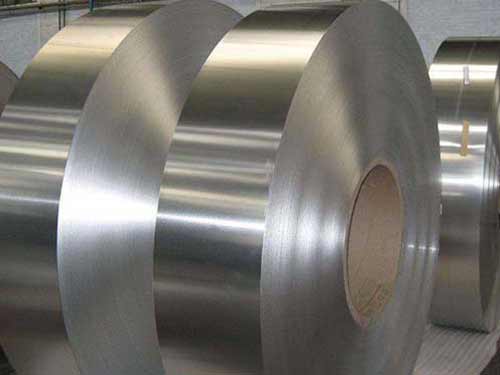
Thin 1050 1060 1070 1100 Aluminum Strips
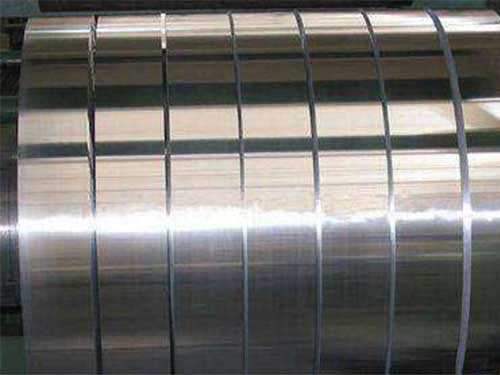
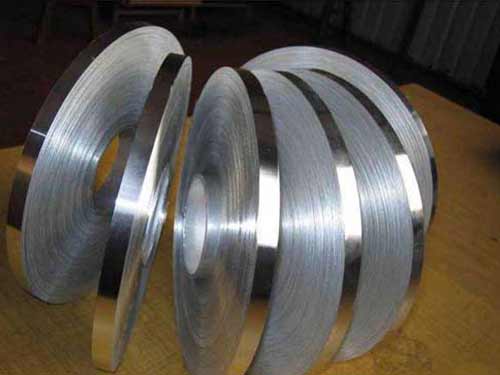
Thin 1050, 1060, 1070, and 1100 aluminum strips are commercially pure aluminum products designed for applications where clean surface quality, easy forming, low weight, and reliable conductivity matter. Produced from rolled coil and precisely slit to width, these strips provide a practical material solution for electrical components, lighting parts, heat-transfer products, packaging, decorative panels, and stamped hardware.
With aluminum content ranging from 99.0% to 99.7%, the 1xxx series offers exceptional ductility and natural corrosion resistance. Compared with higher-strength alloy grades, these strips are easier to bend, draw, emboss, and roll into complex shapes without frequent cracking. Temper, thickness tolerance, edge condition, and coil geometry can be tailored to support efficient automatic processing.
Material Characteristics
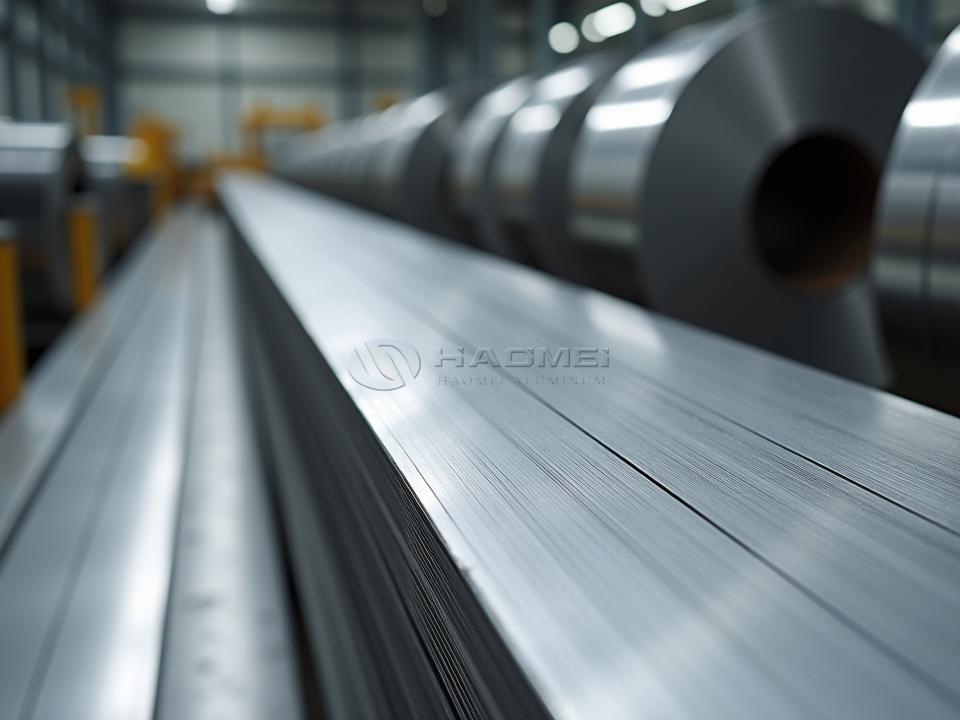
The 1xxx aluminum family is valued for purity rather than heat-treatable strength. Small additions of iron, silicon, copper, manganese, magnesium, and zinc help control processing behavior while preserving the desirable softness and conductivity of aluminum.
| Grade | Minimum Aluminum Content | Material Character | Suitable Processing |
|---|---|---|---|
| 1050 | 99.50% | Soft, highly formable, bright finish potential | Bending, spinning, stamping, reflector parts |
| 1060 | 99.60% | Balanced purity, conductivity, and economy | Electrical parts, heat sinks, cable shielding |
| 1070 | 99.70% | Higher conductivity and excellent ductility | Transformer components, conductive layers, deep drawing |
| 1100 | 99.00% | Good workability with slightly higher strength potential | General fabrication, utensils, signage, decorative parts |
For common industrial coil requirements, 1050 / 1060 Aluminum Strip is often selected where dependable formability and economical production are the main priorities. Grade 1070 is preferred when electrical performance becomes more demanding, while 1100 provides a versatile option for fabricated and decorative products.
Chemical Composition
The values shown are typical maximum or specified ranges for commercially pure aluminum grades. Final chemistry may be supplied according to the applicable ASTM, EN, JIS, GB, or customer standard.
| Grade | Si + Fe, % Max. | Cu, % | Mn, % Max. | Mg, % Max. | Zn, % Max. | Al, % Min. |
|---|---|---|---|---|---|---|
| 1050 | 0.40 | 0.05 | 0.05 | 0.05 | 0.05 | 99.50 |
| 1060 | 0.35 | 0.05 | 0.03 | 0.03 | 0.05 | 99.60 |
| 1070 | 0.20 | 0.04 | 0.03 | 0.03 | 0.04 | 99.70 |
| 1100 | 0.95 | 0.05-0.20 | 0.05 | 0.05 | 0.10 | 99.00 |
Higher aluminum purity supports electrical and thermal transfer, while the controlled impurity level contributes to stable rolling, slitting, and forming behavior. This balance is especially valuable for thin gauges, where inconsistent chemistry can affect flatness, edge quality, and stamping performance.
Technical Specifications
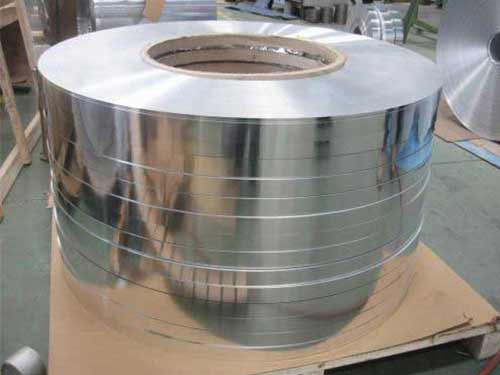
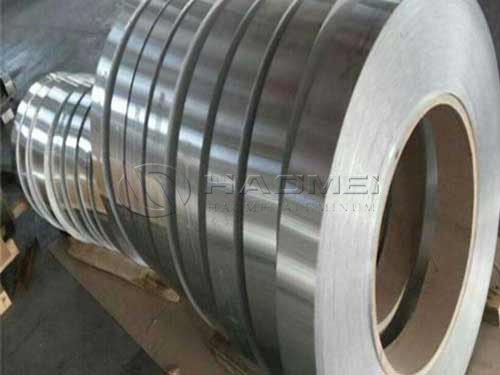
Thin aluminum strips can be supplied as slit coils, oscillated coils, or cut lengths. Exact dimensions should be matched to the customer's press tooling, winding equipment, coating line, or fabrication process.
| Parameter | Standard Supply Range | Custom Options |
|---|---|---|
| Alloy | 1050, 1060, 1070, 1100 | Grade selection by performance target |
| Thickness | 0.10-3.00 mm | Tighter gauge range available by agreement |
| Width | 10-1,600 mm | Precision narrow slit widths available |
| Coil inner diameter | 150 mm, 300 mm, 400 mm, 500 mm | Matched to customer decoiler |
| Coil weight | 50-5,000 kg | Light coils or heavy master coils |
| Temper | O, H12, H14, H16, H18, H24 | Process-specific temper selection |
| Surface | Mill finish, bright finish, brushed, coated | Protective film or paper interleave |
| Edge | Mill edge, slit edge, deburred edge | Low-burr edge for precision work |
Mechanical and Physical Performance
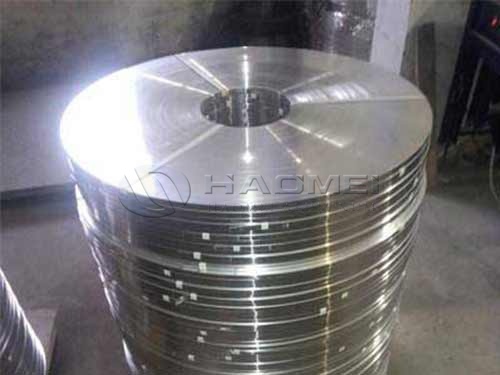
Mechanical values vary with alloy, thickness, and temper. Annealed O temper is the preferred choice for deep drawing, folding, and shaping. H14 and H18 tempers offer improved rigidity for applications requiring greater handling strength and dimensional stability.
| Property | O Temper, Typical | H14 Temper, Typical | Practical Value |
|---|---|---|---|
| Tensile strength | 60-95 MPa | 85-125 MPa | Supports forming or semi-rigid parts |
| Yield strength | 20-40 MPa | 65-105 MPa | Helps match strip stiffness to the process |
| Elongation | 20-35% | 2-10% | Indicates bending and drawing capability |
| Density | 2.71 g/cm³ | 2.71 g/cm³ | Reduces product weight |
| Electrical conductivity | 59-62% IACS | 57-61% IACS | Suitable for conductive components |
| Thermal conductivity | 218-230 W/m·K | 210-225 W/m·K | Supports heat dissipation |
| Melting range | Approx. 643-657°C | Approx. 643-657°C | Relevant for welding and thermal processing |
Processing Benefits
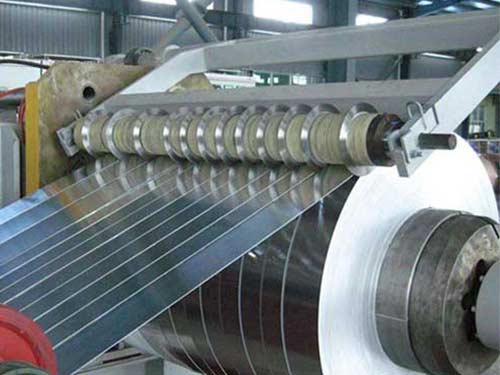
Thin 1xxx aluminum strip runs smoothly through stamping presses, roll-forming lines, bending machines, and slitting operations when the correct temper and edge quality are selected. Its low work-hardening tendency in soft tempers allows manufacturers to produce curved shells, drawn cups, lamp caps, and shaped electrical housings with fewer intermediate annealing steps.
Natural aluminum oxide forms quickly in air and protects the substrate from normal atmospheric corrosion. This makes the material suitable for indoor equipment, humid environments, and many light-duty outdoor applications. For demanding marine, chemical, or high-strength environments, an Alloy Aluminum Strip with a more specialized composition may be more appropriate.
Additional production advantages include:
- Low density for lightweight assemblies and lower transport loads
- Strong reflectivity for lighting, insulation, and decorative surfaces
- Good response to anodizing, painting, laminating, and adhesive bonding
- Clean, consistent strip edges for winding and precision assembly
- Excellent recyclability with retained material value
Typical Use Cases
| Application Area | Common Grade and Temper | Product Function |
|---|---|---|
| Transformer windings and electrical parts | 1060, 1070, O | Conductive strip, insulation-compatible winding material |
| Cable shielding and communication components | 1060, 1070, H14 | Light protective and conductive layers |
| Lamp caps and lighting reflectors | 1050, 1060, H14 | Stamped shells, reflectors, decorative surfaces |
| Heat exchangers and heat spreaders | 1050, 1060, O/H14 | Rapid heat transfer and lightweight construction |
| Packaging closures and caps | 1050, 1100, H14/H18 | Thin, clean, formable metal components |
| Nameplates, signage, and trim | 1050, 1100, H14 | Bright decorative surfaces and embossed details |
| Deep-drawn containers and hardware | 1050, 1060, 1070, O | Smooth drawing with reduced cracking risk |
Selection Guidance
Choose 1050 when high formability and an attractive surface are required at a competitive cost. Select 1060 for broad industrial use where conductivity, corrosion resistance, and stable supply must work together. Choose 1070 for more conductivity-sensitive electrical and transformer applications. Select 1100 for general fabrication where a slightly broader impurity allowance and dependable workability fit the end product.
For thin strip projects, thickness tolerance, coil set, flatness, burr level, and temper consistency are as important as alloy grade. A properly specified 1xxx aluminum strip can reduce tool wear, improve stamping yield, minimize surface defects, and create lightweight finished products with lasting value.