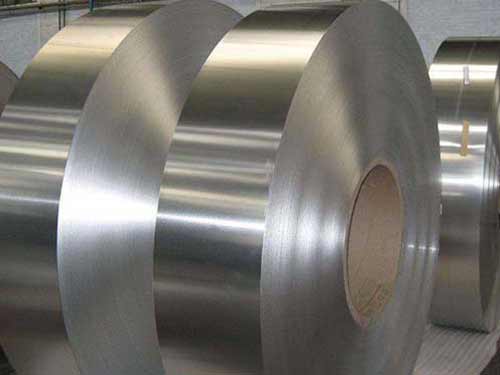
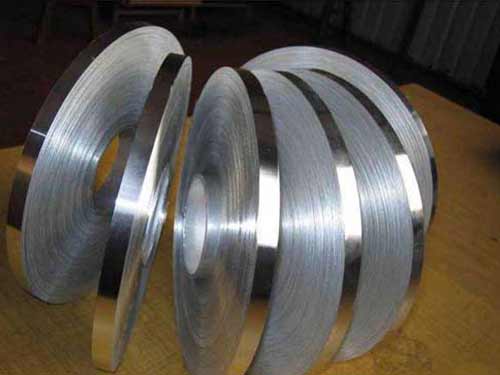
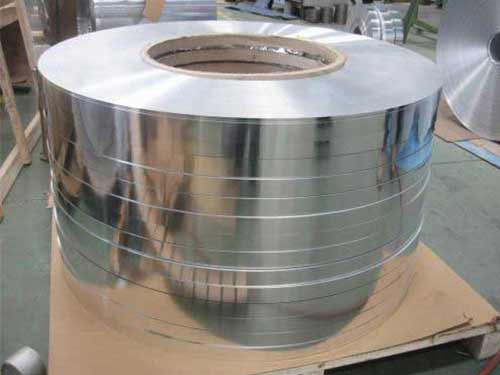
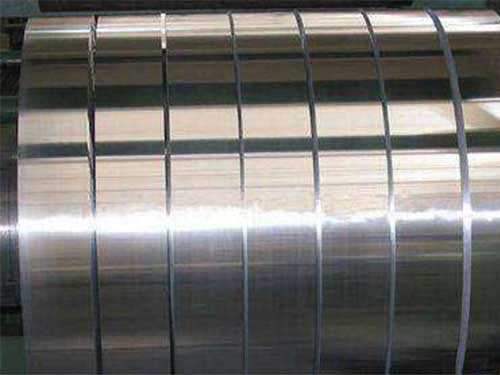
Aluminum Strip Coil 5754
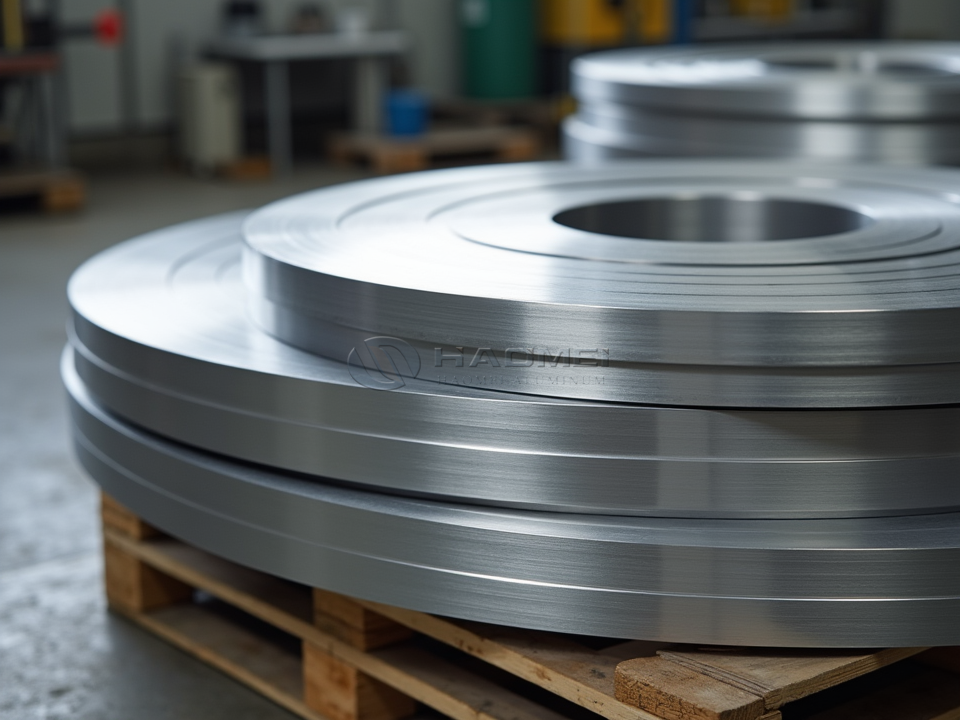
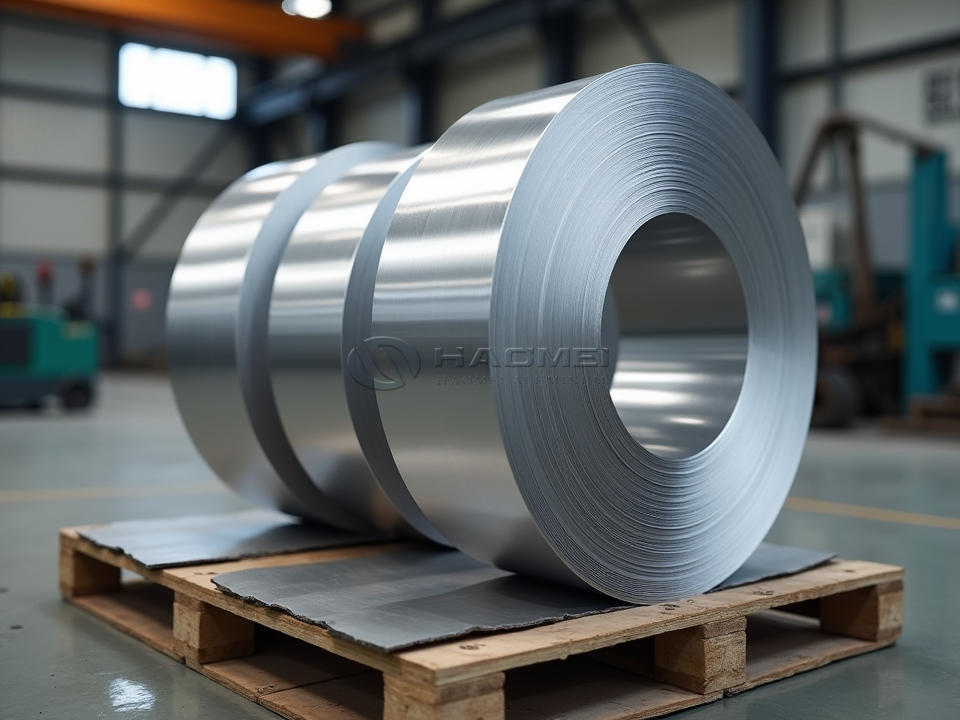
5754 aluminum strip coil is an Al-Mg alloy product valued for its strong resistance to atmospheric, industrial, and marine corrosion. With magnesium as its primary alloying element, this 5000-series strip provides a practical balance of medium strength, excellent forming behavior, low weight, and dependable weldability.
It is widely processed into narrow coils for stamping, bending, roll forming, deep drawing, and fabrication. From automotive inner panels to tanker shells and equipment housings, 5754 aluminum strip offers a durable metal solution where moisture, salt exposure, or repeated forming may challenge ordinary materials.
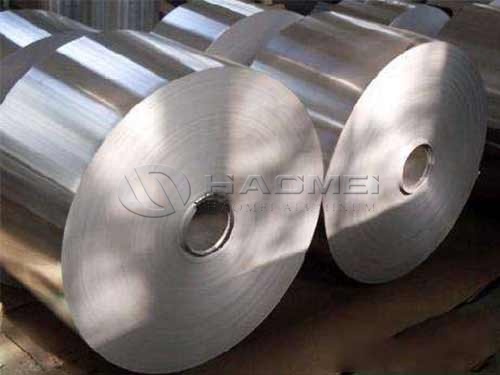
Material Characteristics
5754 alloy is a non-heat-treatable aluminum grade. Its strength is developed mainly through cold working rather than precipitation hardening. This makes temper selection especially important: softer tempers support complex forming, while harder tempers provide increased dent resistance and structural rigidity.
The alloy maintains a clean, stable surface and has good compatibility with anodizing, painting, powder coating, and conversion treatment. It can also be supplied with mill finish, lightly oiled finish, or protected surface film according to downstream processing needs.
| Performance Feature | Practical Value |
|---|---|
| Corrosion resistance | Performs well in humid, coastal, industrial, and salt-containing environments |
| Formability | Suitable for bending, press forming, stamping, profiling, and moderate deep drawing |
| Weldability | Readily welded by MIG, TIG, and resistance welding methods |
| Strength-to-weight ratio | Reduces component weight compared with steel-based alternatives |
| Surface quality | Supports decorative coating, painting, anodizing, and protective film lamination |
| Recyclability | Aluminum scrap can be efficiently recycled for lower material waste |
| Low-temperature behavior | Retains useful toughness in refrigerated and cold-service equipment |
Chemical Composition
The following composition ranges are typical for EN AW-5754 / AA 5754 aluminum alloy. Actual chemistry should be confirmed against the applicable standard, purchase agreement, and mill certificate.
| Element | Content, % by Weight |
|---|---|
| Silicon, Si | 0.40 max |
| Iron, Fe | 0.40 max |
| Copper, Cu | 0.10 max |
| Manganese, Mn | 0.50 max |
| Magnesium, Mg | 2.60-3.60 |
| Chromium, Cr | 0.30 max |
| Zinc, Zn | 0.20 max |
| Titanium, Ti | 0.15 max |
| Other elements, each | 0.05 max |
| Other elements, total | 0.15 max |
| Aluminum, Al | Balance |
The magnesium content gives 5754 its corrosion resistance and solid work-hardening response. Manganese contributes to structural stability, while tightly controlled iron and silicon help maintain surface quality and processing consistency.
Technical Specifications
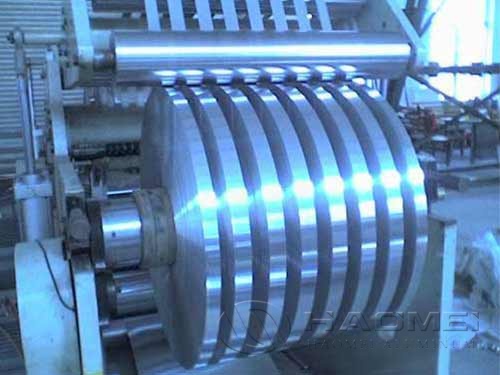
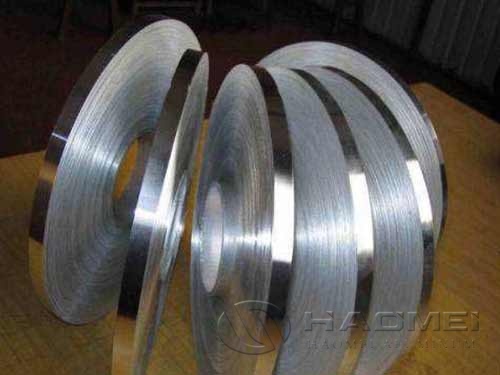
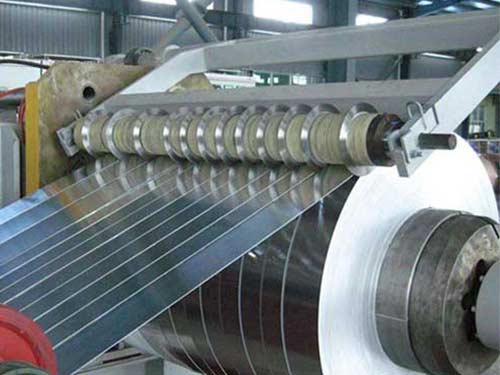
5754 aluminum strip coil can be produced as mill-edge coil, slit coil, or precision-width strip. Dimensions, tolerances, coil build, and packaging can be matched to stamping lines, roll-forming equipment, or automated feeding systems.
| Item | Typical Supply Range |
|---|---|
| Alloy | EN AW-5754, AA 5754, AlMg3 |
| Product form | Slit strip coil, narrow coil, wide coil, cut-to-length strip |
| Thickness | 0.20-6.00 mm |
| Width | 20-1,600 mm |
| Temper | O, H111, H22, H32, H34, H36, H38 |
| Coil inner diameter | 150 mm, 300 mm, 505 mm, 610 mm, or agreed size |
| Coil outer diameter | Up to approximately 2,000 mm, subject to weight and handling limits |
| Coil weight | Commonly 500-5,000 kg, customized by line capacity |
| Surface | Mill finish, brushed, oiled, coated, film-protected |
| Edge condition | Mill edge, slit edge, deburred edge, rounded edge |
| Common standards | EN 485, EN 573, ASTM B209, GB/T 3880 |
For projects requiring a broader material comparison, Alloy Aluminum Strip options can be assessed according to corrosion exposure, strength target, forming radius, and surface finish requirements.
Mechanical Performance
Mechanical values depend on thickness, temper, testing direction, and governing standard. The figures shown are representative planning values rather than a substitute for certified inspection data.
| Temper | Tensile Strength, MPa | Proof Strength Rp0.2, MPa | Elongation, % | Processing Suitability |
|---|---|---|---|---|
| O | 190-240 | 80-130 | 12-20 | Deep drawing, complex bending, formed covers |
| H111 | 190-240 | 80-130 | 10-18 | General fabrication and welded assemblies |
| H22 / H32 | 220-270 | 130-190 | 8-14 | Panels, profiles, moderate stamping |
| H24 / H34 | 240-290 | 170-230 | 6-10 | Rigid formed parts and durable cladding |
| H36 / H38 | 270-320 | 220-280 | 4-8 | Higher-strength applications with limited forming |
A softer O or H111 temper is normally preferred where draw depth, flange stretching, or tight bending radii are involved. H32 and H34 are frequently selected for truck panels, machine covers, and durable formed components because they offer more stiffness while retaining useful workability.
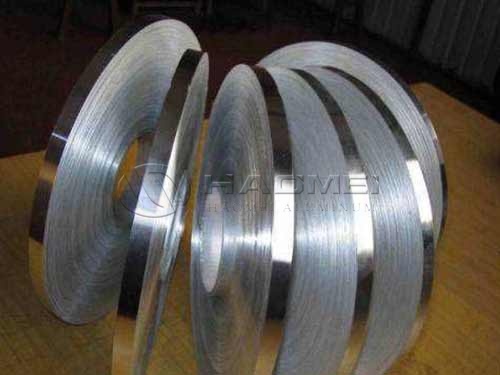
Applications and Use Cases
5754 aluminum strip coil is especially effective where corrosion resistance must remain reliable after fabrication. Its weld-friendly behavior also supports large assemblies that cannot be economically produced from a single stamped blank.
| Application Sector | Typical 5754 Strip Coil Use |
|---|---|
| Automotive | Inner door panels, reinforcement parts, floor sections, heat shields, trim structures |
| Transportation | Truck bodies, trailer side panels, bus components, rail interiors, refrigerated vehicles |
| Marine equipment | Deck fittings, lockers, protective covers, small vessel panels, coastal enclosures |
| Tank and vessel fabrication | Fuel-related components, chemical containers, water tanks, tanker skins |
| Construction | Roofing profiles, wall panels, shutters, ceiling systems, façade backing parts |
| Industrial equipment | Machine guards, cabinets, brackets, housings, conveyor covers, access panels |
| Appliances | Washing machine parts, refrigerator panels, kitchen equipment, storage units |
| Packaging and closures | Heavy-duty caps, formed closures, protective bands, specialty containers |
For applications that require similar magnesium-alloy corrosion performance with a different strength and forming balance, 5052 Aluminum Strip is also commonly considered.
Benefits for Fabricators and Buyers
5754 strip coil helps reduce fabrication risk in harsh-service parts. Its corrosion resistance can decrease the need for heavy protective systems, while its low density supports lighter assemblies and lower transport loads. The alloy also offers stable response during common metalworking operations when proper tooling, lubrication, and temper selection are used.
| Buyer Benefit | Result in Production |
|---|---|
| Lower component mass | Easier handling and improved transport efficiency |
| Long service life | Better durability in wet, salty, and outdoor conditions |
| Consistent slit widths | Smooth feeding through progressive dies and roll-forming lines |
| Good weld response | Efficient fabrication of tanks, frames, and panel assemblies |
| Flexible finishing | Supports paint systems, powder coatings, and decorative treatments |
| Available in multiple tempers | Material can be matched to forming severity and rigidity needs |
Processing Guidance
Use clean tools and controlled lubrication to reduce surface marking during stamping or bending. For tight-radius bends, choose a softer temper and align the bend direction appropriately with rolling direction when possible. Welding filler selection should be matched to joint design and corrosion requirements; 5356-type filler is commonly used for compatible 5xxx-series weldments.
Protective film is recommended for visible panels, coated products, and parts exposed to handling before final fabrication. Coils should be stored in a dry indoor area, isolated from standing water and reactive materials. Proper packaging with moisture barriers, edge protection, and reinforced coil saddles helps preserve surface quality from delivery through production.
5754 aluminum strip coil delivers a dependable combination of corrosion resistance, formability, weldability, and weight-saving performance. With the right temper, dimensions, and surface protection, it is a highly effective material for demanding formed and fabricated aluminum components.