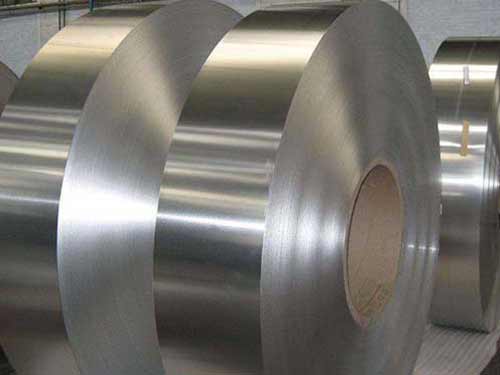
Alloy-1235 Aluminum Foil Strip Or Anodized Aluminum Sheet
Alloy-1235 aluminum foil strip and anodized aluminum sheet may both appear in lightweight metal products, yet they solve very different engineering problems. The practical choice is not simply foil versus sheet. It is a decision between a highly formable, high-purity aluminum barrier material and a surface-engineered sheet designed for durability, appearance, and long-term protection.
1235 foil strip works from the inside out. It protects, wraps, conducts heat, blocks light, and forms easily around another product. Anodized aluminum sheet works from the outside in. Its controlled oxide layer creates a decorative and corrosion-resistant skin for panels, trims, signs, consumer products, and architectural components.
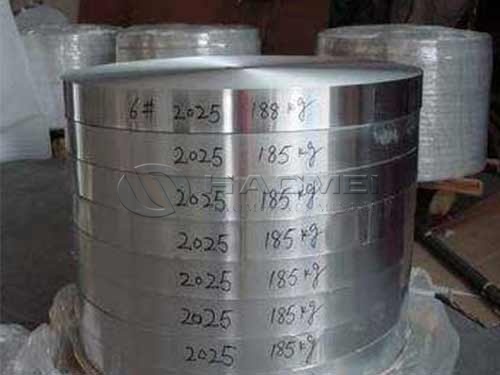
Alloy-1235 Aluminum Foil Strip: A Functional Barrier Material
Alloy 1235 belongs to the 1xxx aluminum family, meaning that aluminum is its dominant element. With a minimum aluminum content of 99.35%, it offers excellent ductility, thermal conductivity, reflectivity, and resistance to general atmospheric corrosion. It is especially valued where low thickness and reliable forming matter more than structural strength.
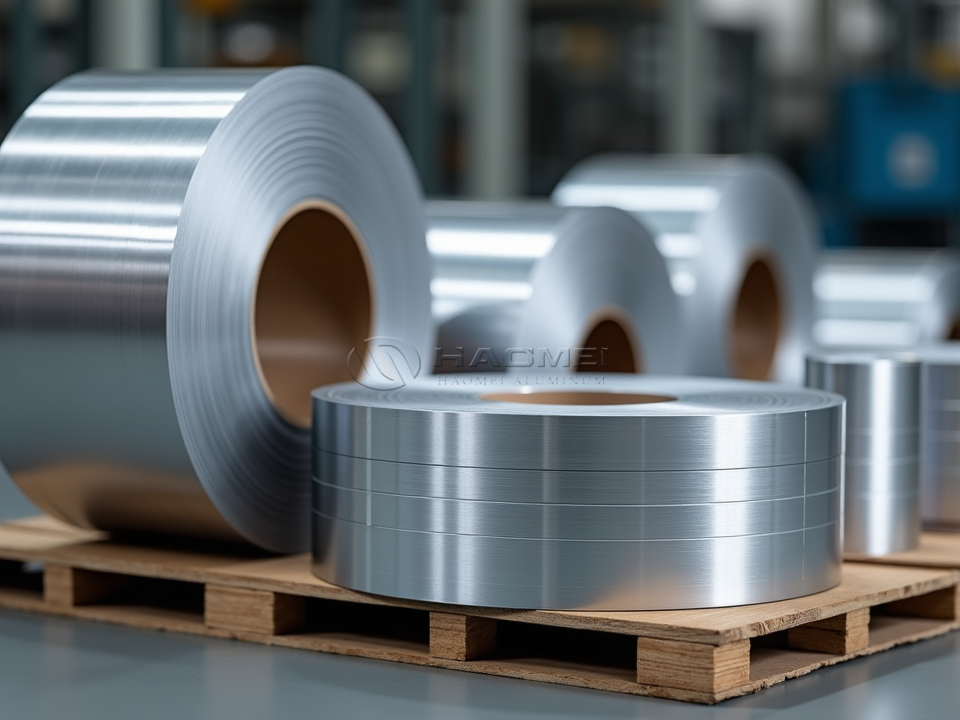
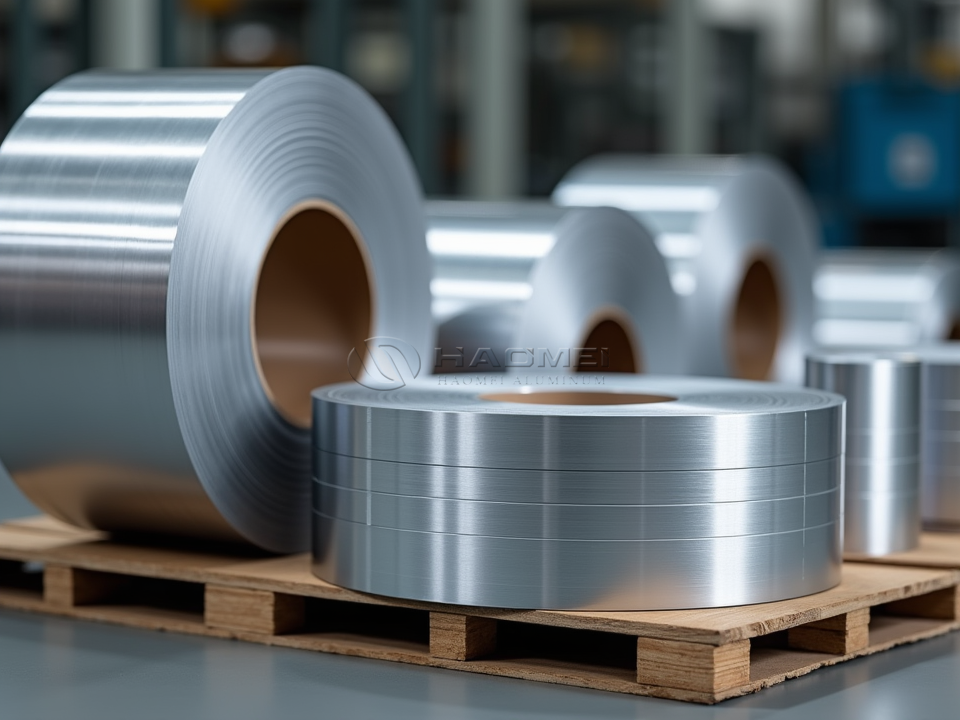
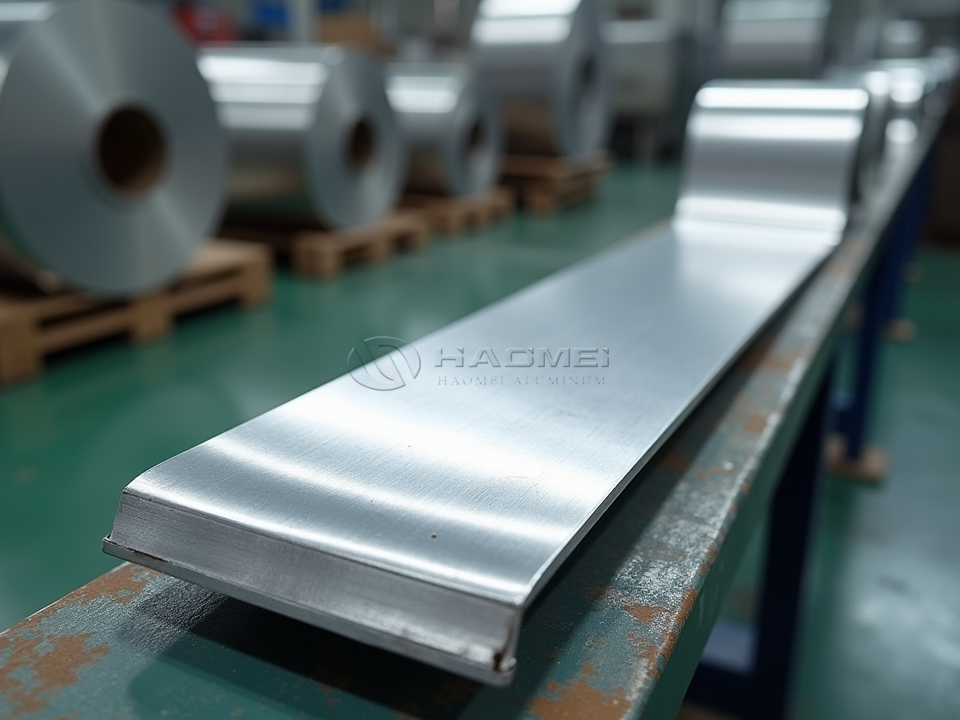
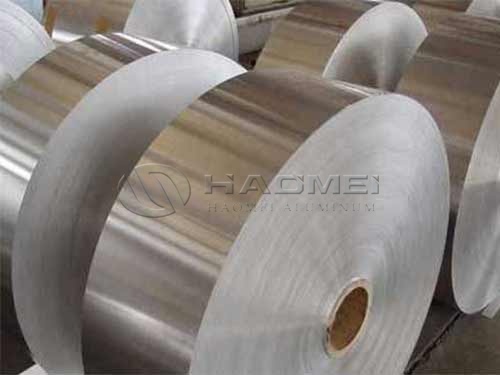
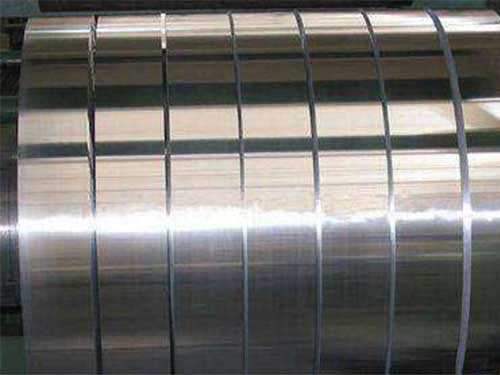
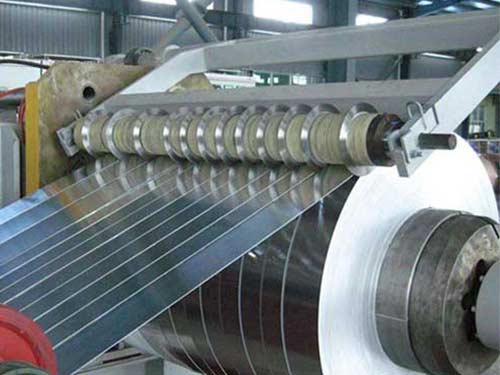
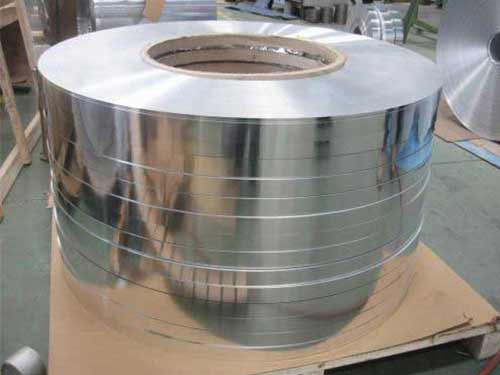
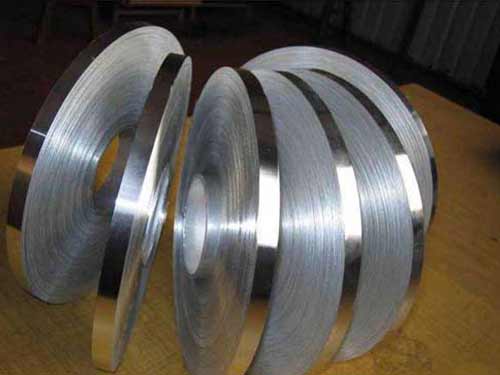
The word "strip" usually describes foil slit into narrow coils. This format helps converters run high-speed processes such as embossing, laminating, printing, folding, stamping, and wrapping. In many production lines, the strip width is as important as the alloy because it affects material yield, tooling fit, and coil handling efficiency.
Typical applications include flexible food packaging, pharmaceutical blister foil, cable wrapping, transformer insulation layers, capacitor material, cigarette foil, heat-exchanger fin stock, household foil, and laminated insulation products. When paired with paper, plastic film, or adhesive layers, 1235 aluminum foil strip becomes a strong barrier against moisture, oxygen, grease, odor, and light.
For customers seeking a wider range of rolled materials, Alloy Aluminum Strip options can be selected according to conductivity, forming behavior, corrosion resistance, and strength requirements.
Chemical Composition of Alloy 1235
The controlled chemistry of 1235 aluminum supports its soft temper response and clean rolling performance. Iron and silicon are the main residual alloying elements. Their level must remain controlled to preserve foil flexibility and reduce the risk of cracking during deep folding or converting.
| Element | Composition, % by Weight |
|---|---|
| Aluminum, Al | 99.35 min |
| Silicon + Iron, Si + Fe | 0.65 max |
| Copper, Cu | 0.05 max |
| Manganese, Mn | 0.05 max |
| Magnesium, Mg | 0.05 max |
| Zinc, Zn | 0.10 max |
| Titanium, Ti | 0.06 max |
| Other elements, each | 0.05 max |
| Other elements, total | 0.15 max |
Common Parameters for 1235 Foil Strip
Commercial dimensions depend on end use, converting equipment, and packaging design. Thin gauges are common in laminated packaging and electrical insulation, while heavier foil may be used for semi-rigid containers or specialized industrial layers.
| Property | Typical Range or Condition |
|---|---|
| Alloy | AA 1235 / EN AW-1235 |
| Thickness | 0.006 mm to 0.20 mm |
| Width | 10 mm to 1,600 mm |
| Coil inner diameter | 150 mm, 300 mm, 400 mm, 500 mm, or as agreed |
| Surface | Mill finish, bright, matte, one-side bright, lacquered, coated, embossed, or laminated |
| Temper | O, H14, H16, H18, H19, H22, H24 |
| Edge condition | Slit edge, deburred edge, or mill edge |
| Form | Jumbo roll, narrow slit coil, sheet, or customized coil weight |
The O temper is fully annealed and provides the greatest softness, making it suitable for folding, embossing, and deep deformation. H14 and H16 offer moderate work hardening for improved handling. H18 and H19 provide harder foil with better stiffness, often preferred where web tension and shape retention are important.
A 1235 foil strip should also be evaluated for pinholes, oil residue, thickness tolerance, flatness, edge burr, coil telescoping, and surface wettability. These details are often more influential than nominal thickness when the foil will be printed, laminated, or bonded.
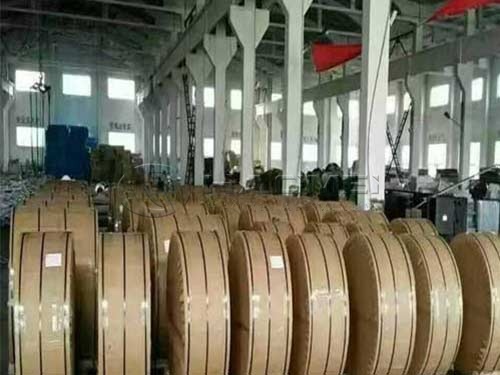
Anodized Aluminum Sheet: When the Surface Must Perform
Anodized aluminum sheet is not defined by one alloy alone. It is aluminum sheet that has undergone an electrochemical treatment to grow a stable aluminum oxide layer on the surface. Unlike paint, this oxide layer is integrated with the base metal rather than applied as a separate coating.
The anodized layer improves corrosion resistance, provides a refined metallic appearance, increases surface hardness, and creates a receptive base for coloring or sealing. Depending on the required appearance and service environment, anodized sheet can be supplied in natural silver, bronze, black, gold, champagne, brushed, mirror, matte, or other decorative finishes.
Common base alloys include 1050, 1060, 1100, 3003, 3105, 5005, and 5052. High-purity grades such as 1050 / 1060 Aluminum Strip are often selected where a bright, consistent anodized finish is required. Alloy 5005 is frequently used for architectural anodizing because it can provide an even visual tone across larger panels.
Typical Anodized Aluminum Sheet Specifications
| Property | Typical Range or Condition |
|---|---|
| Base alloy | 1050, 1060, 1100, 3003, 3105, 5005, 5052 |
| Thickness | 0.30 mm to 6.00 mm |
| Width | 100 mm to 1,650 mm |
| Temper | H14, H24, H32, H34, H38, O, T4, T6 depending on alloy |
| Anodic film thickness | 5 μm to 25 μm or as specified |
| Finish | Bright, brushed, satin, mirror, embossed, colored, sealed |
| Film sealing | Hot-water sealing, nickel acetate sealing, or other qualified process |
| Product form | Coil, cut sheet, slit strip, decorative panel |
Thin anodized sheet is used for nameplates, appliance facings, lighting reflectors, cosmetic packaging, electronics housings, and decorative trim. Medium and heavier gauges are widely used for curtain walls, ceiling systems, transport interiors, control panels, shop fittings, and signage.
Standards and Inspection Conditions
Material compliance should match the customer's market and application. Aluminum sheet and strip are commonly produced in accordance with ASTM B209, EN 485, EN 573, GB/T 3880, or customer-specific specifications. Aluminum foil may follow ASTM B479, EN 546, GB/T 3198, and relevant packaging or electrical material requirements.
For anodized products, ISO 7599 is widely referenced for anodized aluminum and its coatings. Architectural projects may also require AAMA 611 performance criteria, including coating thickness, color consistency, abrasion behavior, corrosion resistance, and sealing quality.
Inspection commonly includes chemical analysis, tensile properties, dimensional tolerance, surface appearance, anodic film thickness, color difference, coating adhesion where applicable, and packaging condition. For foil strip, pinhole testing and wetting tension tests may be requested. For anodized sheet, visual consistency across coils or sheets should be agreed before production, particularly for large visible installations.
Selecting the Right Material Path
Choose Alloy-1235 aluminum foil strip when the product needs light weight, flexibility, barrier protection, heat reflection, electrical insulation support, or easy lamination. It is the working layer inside packaging, cable systems, and composite insulation structures.
Choose anodized aluminum sheet when the visible surface must resist handling, moisture, weathering, fingerprints, and decorative aging. It is the material for products where the metal itself should remain part of the design language.
The best specification combines alloy, temper, thickness, width, surface condition, and applicable standard rather than relying on alloy name alone. This approach helps the material perform efficiently from coil processing through final service.