Aluminum Sheet Alloy 3003, H14 - Aluminium Strip 3003
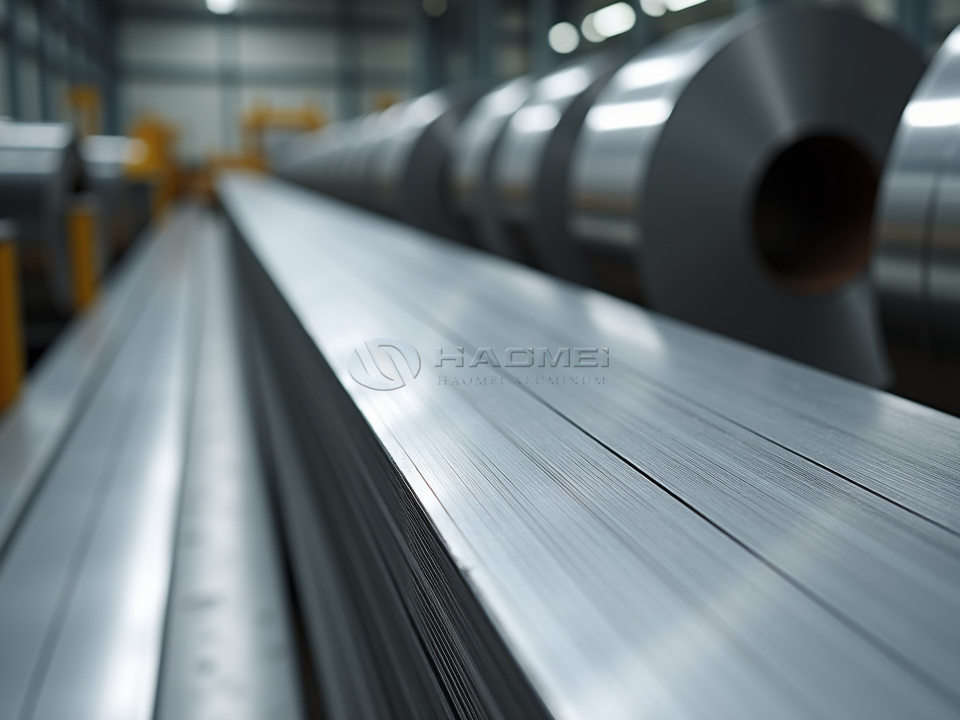
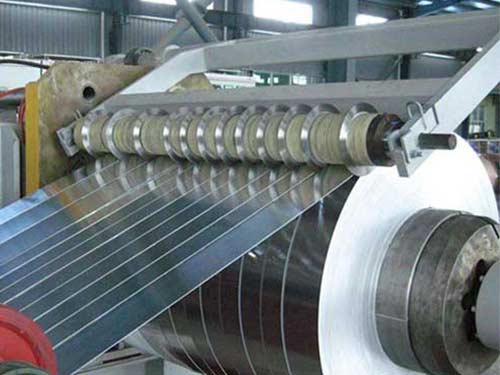
Aluminum Sheet Alloy 3003 H14 is often chosen when a project needs more strength than pure aluminum but still requires dependable forming, corrosion resistance, and a clean metallic surface. In strip form, 3003 aluminum becomes especially practical: it can be slit into narrow coils for stamping, roll forming, roofing accessories, heat-transfer parts, lamp components, insulation cladding, and general fabrication.
The character of Aluminium Strip 3003 comes from manganese. While the alloy remains predominantly aluminum, a controlled manganese addition improves strength without making the material difficult to bend or process. This balanced behavior makes 3003 H14 a dependable middle ground between highly soft commercial aluminum and higher-strength structural alloys.
Why 3003 H14 Performs Well in Sheet and Strip Processing
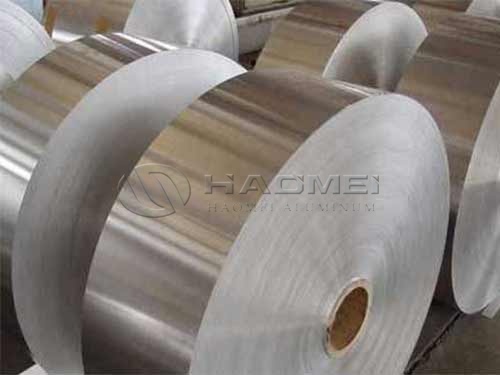
Alloy 3003 belongs to the aluminum-manganese family. It is a non-heat-treatable alloy, meaning its strength is developed mainly through cold working rather than precipitation hardening. The H14 temper indicates that the metal has been strain hardened to a half-hard condition.
For many buyers, H14 is the practical temper because it holds shape better than annealed O temper material while retaining enough ductility for moderate bends, press forming, punching, and profiling. It is commonly specified for parts that need a stable finish after fabrication, without requiring the stiffness of H18 full-hard strip.
Aluminum Sheet Alloy 3003 H14 also offers a naturally protective oxide film. This surface film helps the material resist moisture and many normal atmospheric conditions. For outdoor trim, roofing panels, ducting, insulation jackets, and transport-related components, this corrosion resistance reduces maintenance concerns and improves service life.
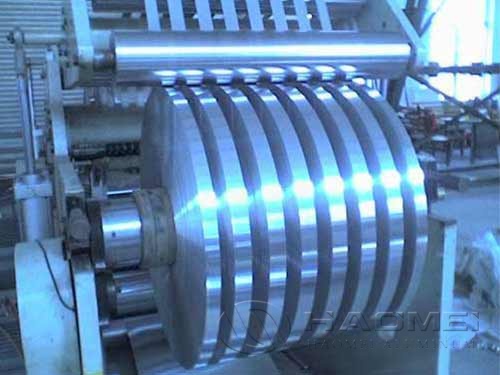
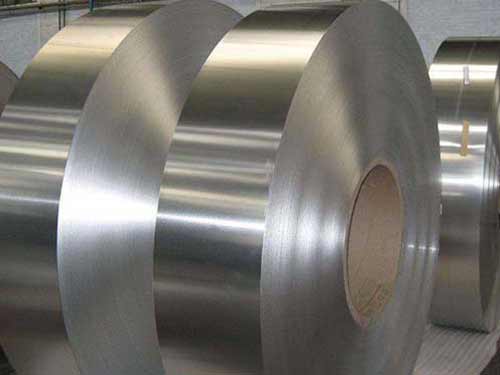
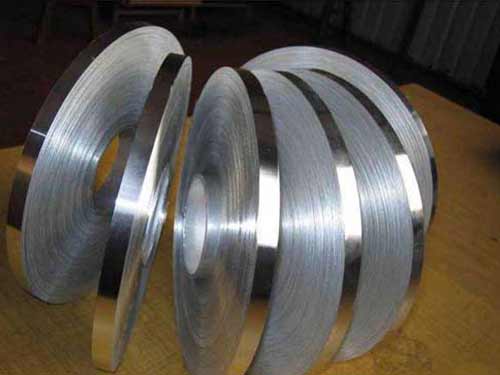
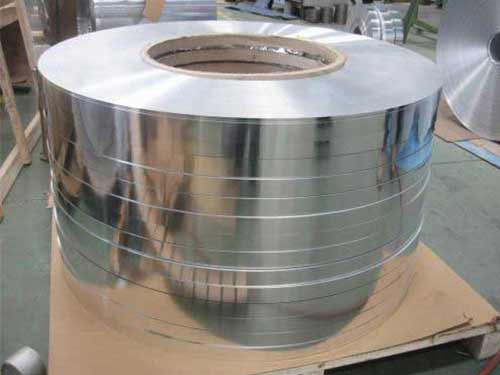
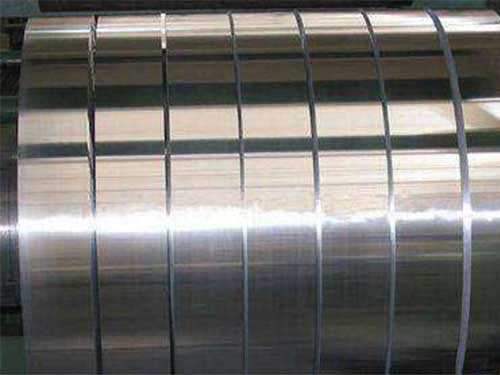
When a job requires a slit product rather than broad sheet, 3003 Aluminum Strip can be supplied in widths suited to progressive stamping lines, roll-forming equipment, and coil-fed production. The material remains the same alloy; the distinction is mainly in width, coil format, edge condition, and intended processing route.
Chemical Composition of Aluminum Alloy 3003
The controlled chemistry of 3003 alloy gives it its familiar combination of formability and moderate strength. Manganese is the principal alloying element, while copper is present in a limited amount. Iron and silicon are controlled as residual elements.
| Element | Content, % by Weight |
|---|---|
| Silicon, Si | 0.60 max |
| Iron, Fe | 0.70 max |
| Copper, Cu | 0.05-0.20 |
| Manganese, Mn | 1.00-1.50 |
| Zinc, Zn | 0.10 max |
| Other elements, each | 0.05 max |
| Other elements, total | 0.15 max |
| Aluminum, Al | Remainder |
Manganese contributes to strength and helps 3003 retain better resistance to deformation than 1050 or 1060 grades. However, where electrical conductivity is the central requirement, pure aluminum grades may be more suitable. For applications combining shaping ability with a stronger finished profile, 3003 is often the more appropriate choice.
H14 Temper Meaning and Available Tempers
The letter H identifies strain-hardened aluminum. The first digit after H indicates strain hardening only, while the second digit indicates the degree of hardening. H14 means half-hard. It is produced by rolling the aluminum after annealing, creating a stronger structure through controlled deformation.
Common tempers for Aluminium Strip 3003 include:
- O temper for maximum softness, deep drawing, and demanding forming operations
- H12 temper for quarter-hard material with improved flexibility
- H14 temper for half-hard strip and sheet with balanced formability and rigidity
- H16 temper for three-quarter-hard applications requiring added stiffness
- H18 temper for full-hard strip where forming requirements are limited
- H24 temper for strain-hardened and partially annealed material where controlled mechanical properties are needed
The selection should be based on the fabrication method rather than strength alone. A stamped bracket with shallow bends may work well in H14. A deeply drawn housing or vessel component may require O temper. A narrow roll-formed section that must hold a crisp profile may benefit from H16 or H18, subject to bend-radius testing.
Typical Mechanical and Physical Properties
Mechanical values vary with thickness, testing direction, specifications, and production conditions. The following figures are typical reference values for 3003 H14 aluminum sheet and strip.
| Property | Typical Value |
|---|---|
| Tensile strength | 130-180 MPa |
| Yield strength | 115 MPa minimum, typical range varies by thickness |
| Elongation | 3-10%, depending on thickness and gauge length |
| Density | 2.73 g/cm³ |
| Melting range | Approx. 643-654°C |
| Thermal conductivity | Approx. 160 W/m·K |
| Electrical conductivity | Approx. 40-50% IACS |
| Modulus of elasticity | Approx. 69 GPa |
Compared with steel, 3003 H14 has much lower density. This can reduce component weight significantly in cladding, transportation equipment, packaging, and fabricated enclosures. It also transfers heat effectively, making it useful for heat shields, evaporator-related parts, cooking equipment, and thermal management assemblies where high-strength aerospace alloys are unnecessary.
Product Parameters for 3003 H14 Sheet and Strip
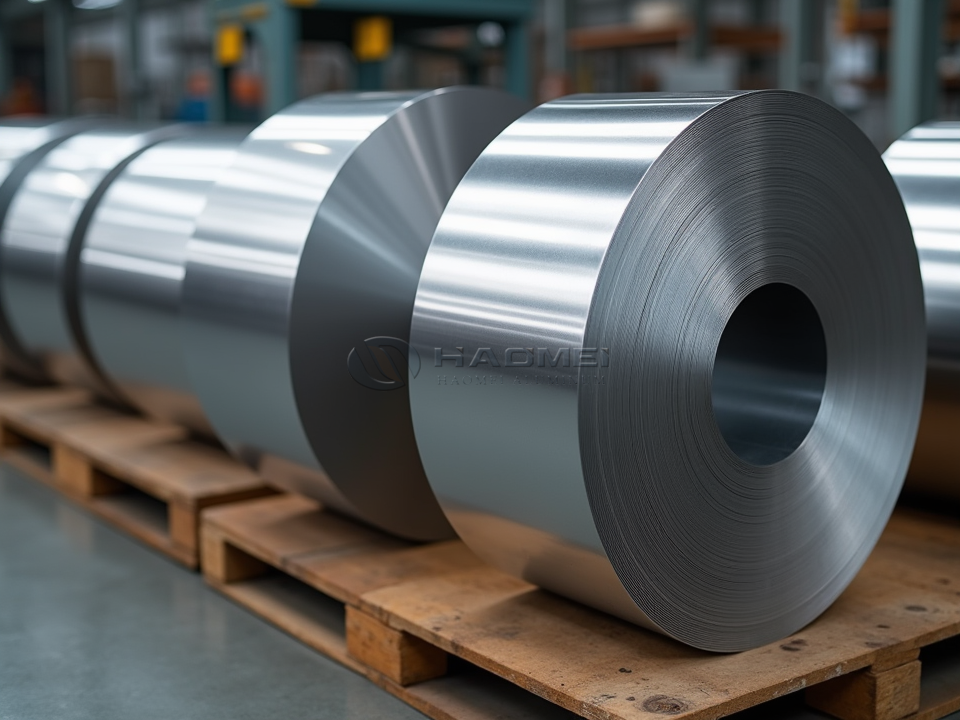
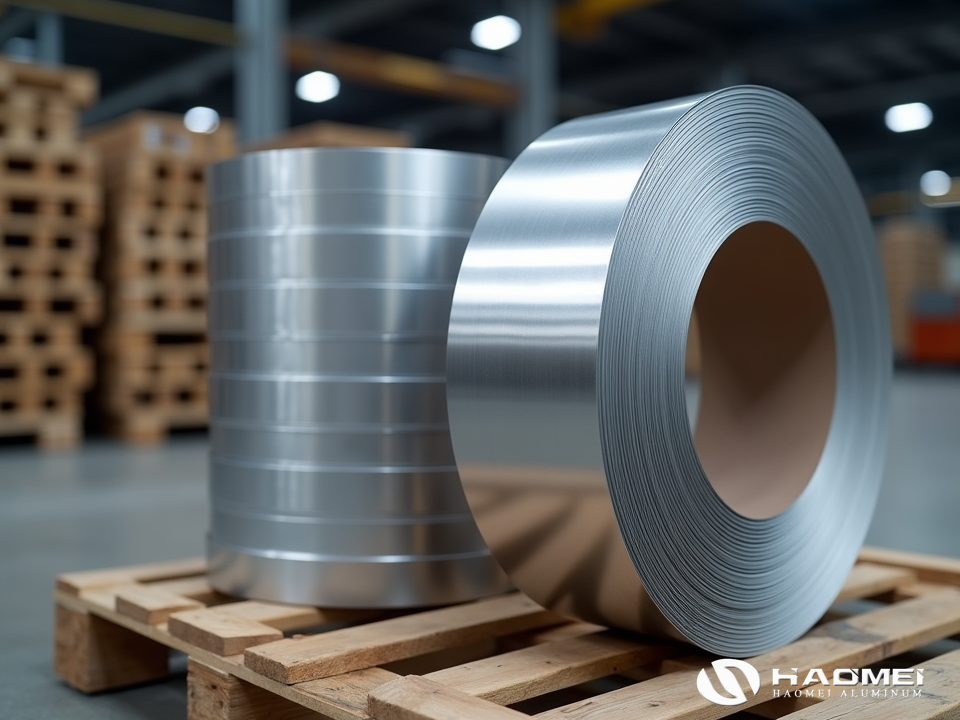
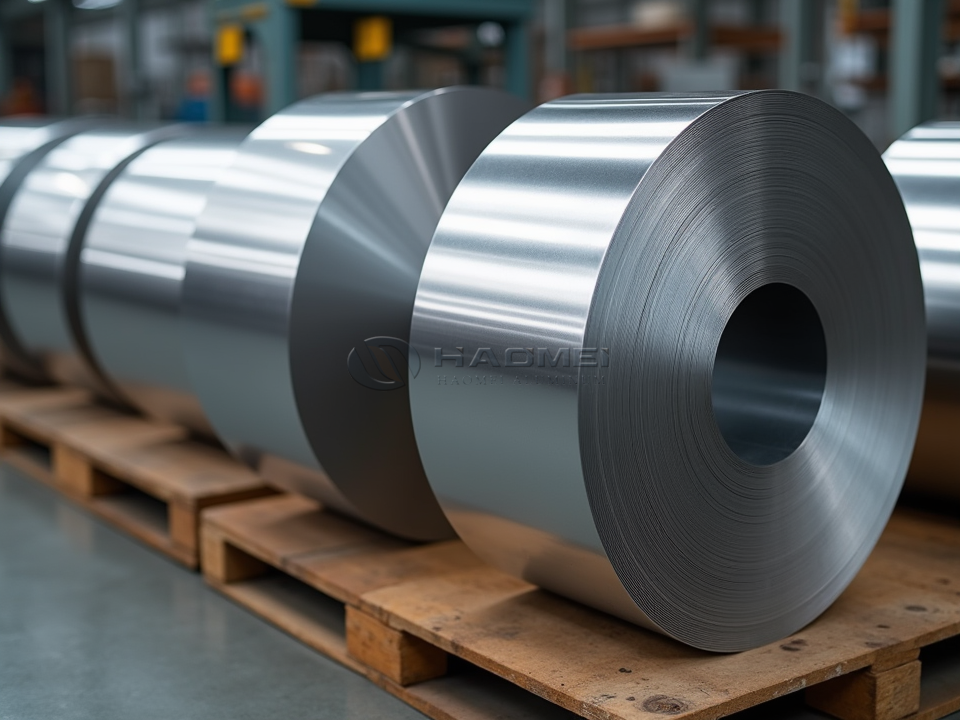
Aluminum Sheet Alloy 3003 H14 can be supplied as flat sheets, coils, slit coils, circles, and custom blanks. Actual availability depends on mill capability, thickness range, width, coil weight, and surface requirements.
| Parameter | Common Supply Range |
|---|---|
| Thickness | 0.20-6.00 mm for strip and sheet; wider ranges available by request |
| Strip width | 10-1,600 mm, subject to slitting capability |
| Sheet width | Up to 2,000 mm in many standard supply programs |
| Sheet length | 500-6,000 mm or custom cut length |
| Coil inner diameter | Commonly 150 mm, 300 mm, 405 mm, or 508 mm |
| Coil outer diameter | According to weight, packaging, and handling limits |
| Surface finish | Mill finish, bright finish, brushed, stucco embossed, coated, or laminated |
| Edge condition | Mill edge, slit edge, deburred edge, or rounded edge |
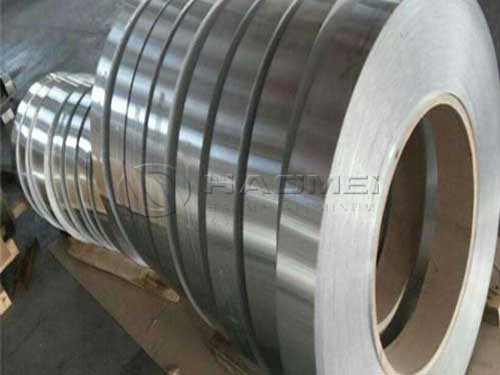
For narrow coil conversion, edge quality matters as much as the alloy itself. A clean slit edge can reduce burr-related issues during high-speed stamping and protect operators during manual handling. Customers should specify width tolerance, camber tolerance, coil direction, allowable burr, and surface protection when the strip enters automated equipment.
Standards and Quality Conditions
Aluminum 3003 sheet and strip are commonly produced and inspected in accordance with recognized international standards. The applicable standard should match the destination market, end use, and contractual requirements.
| Standard | Scope |
|---|---|
| ASTM B209 | Aluminum and aluminum-alloy sheet and plate |
| EN 485-2 | Mechanical properties of wrought aluminum sheet, strip, and plate |
| EN 573-3 | Chemical composition and alloy designation |
| ISO 6361 | Wrought aluminum and aluminum-alloy sheets, strips, and plates |
| GB/T 3880 | Aluminum and aluminum-alloy sheets and strips |
Typical inspection items include alloy composition, temper, thickness, width, flatness, tensile performance, surface cleanliness, coil winding, edge burr, and packaging condition. For sensitive applications, extra requirements may include protective interleaving paper, PVC film, oil-free surface treatment, RoHS documentation, or specific surface roughness limits.
Fabrication Guidance for Aluminium Strip 3003
3003 H14 can be bent, stamped, punched, riveted, roll formed, and welded using common methods. TIG and MIG welding are generally suitable when compatible filler metals and correct procedure controls are used. The alloy is not intended for heat treatment to raise strength, so fabrication planning should rely on its supplied temper and work-hardening response.
For tight-radius bends, test samples are advisable because bend behavior changes with thickness, grain direction, and surface condition. Bending transverse to the rolling direction generally reduces cracking risk. Lubrication during stamping can also improve die life and surface appearance.
For applications requiring stronger marine corrosion resistance, 5052 Aluminum Strip may be considered. Yet for general forming, decorative panels, insulation systems, and moderately loaded parts, 3003 H14 remains a cost-effective and highly workable choice.
Choosing the Right 3003 H14 Material Condition
A successful purchase specification does more than state "3003 H14." It should identify thickness, width, length or coil weight, temper, applicable standard, surface finish, edge type, dimensional tolerances, packaging method, and intended application. These details ensure that the aluminum arrives ready for the production line rather than requiring adjustment after delivery.
Aluminum Sheet Alloy 3003 H14 and Aluminium Strip 3003 bring together light weight, moderate strength, corrosion resistance, and reliable workability. In a fabrication environment, that balance is often more valuable than maximum strength: the material can be processed efficiently, shaped with confidence, and used across a broad range of industrial and commercial products.