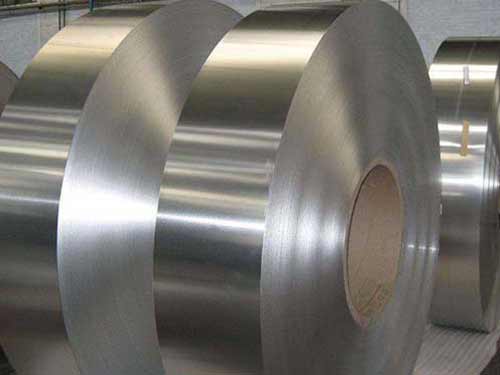
Mirror Finish Aluminium Sheet for Strip
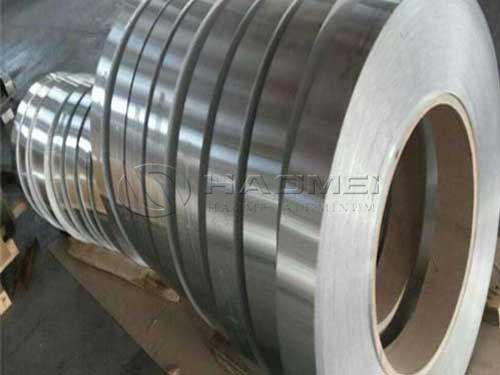
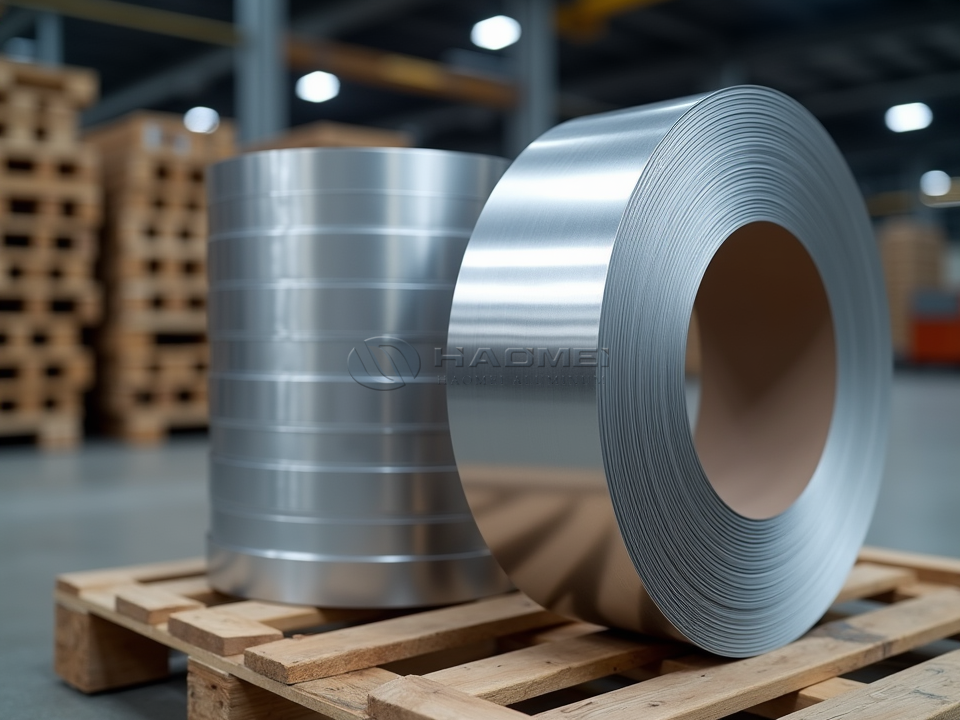
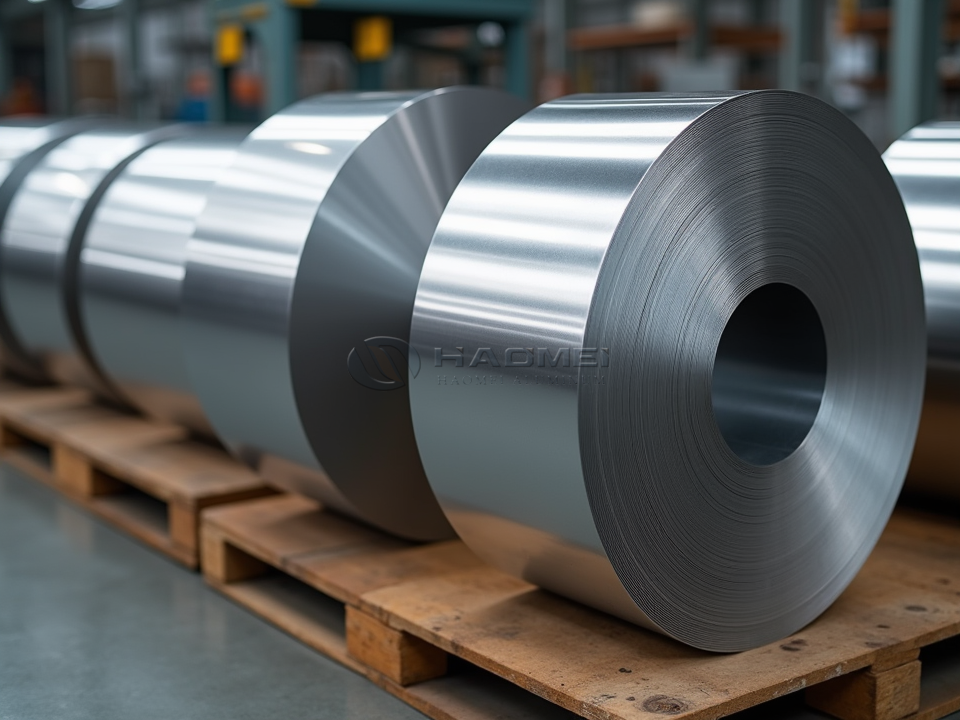
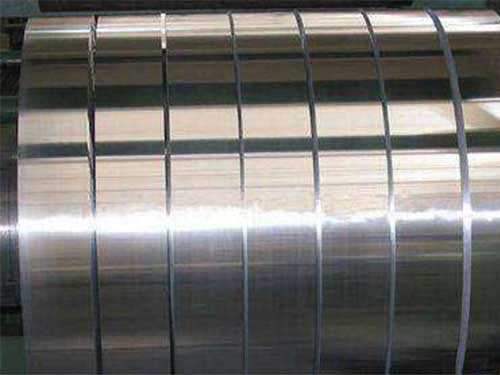
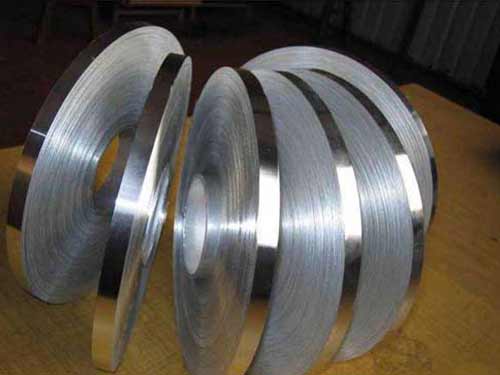
Mirror Finish Aluminium Sheet for Strip is a bright, highly reflective aluminium product designed for conversion into narrow coils, stamped parts, decorative panels, lighting components, and architectural trim. Its polished surface creates a clean metallic appearance while the aluminium substrate provides low weight, good corrosion resistance, efficient heat transfer, and reliable forming behavior.
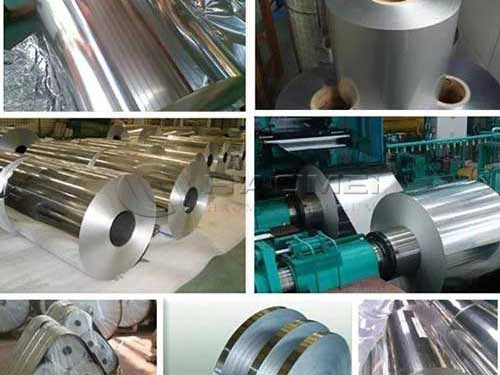
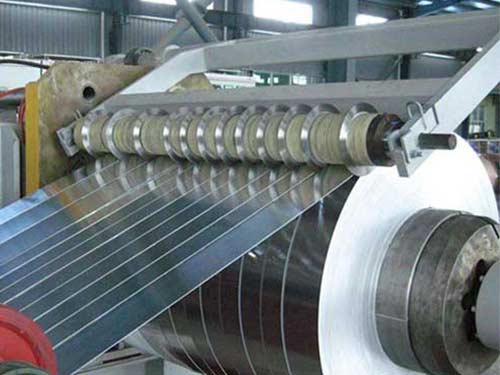
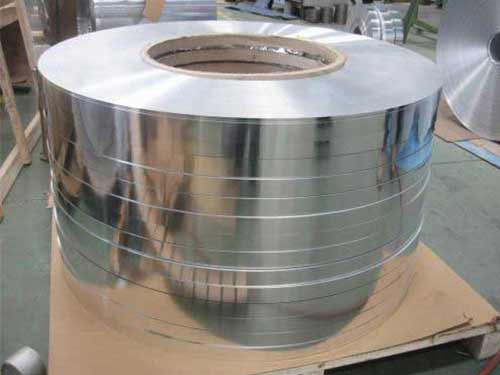
Produced from carefully selected aluminium coil, the material is rolled, polished or chemically brightened, and protected with film or interleaving paper where required. It can be supplied as sheet, slit strip, coil, or cut-to-length blanks according to fabrication needs.
Core Characteristics
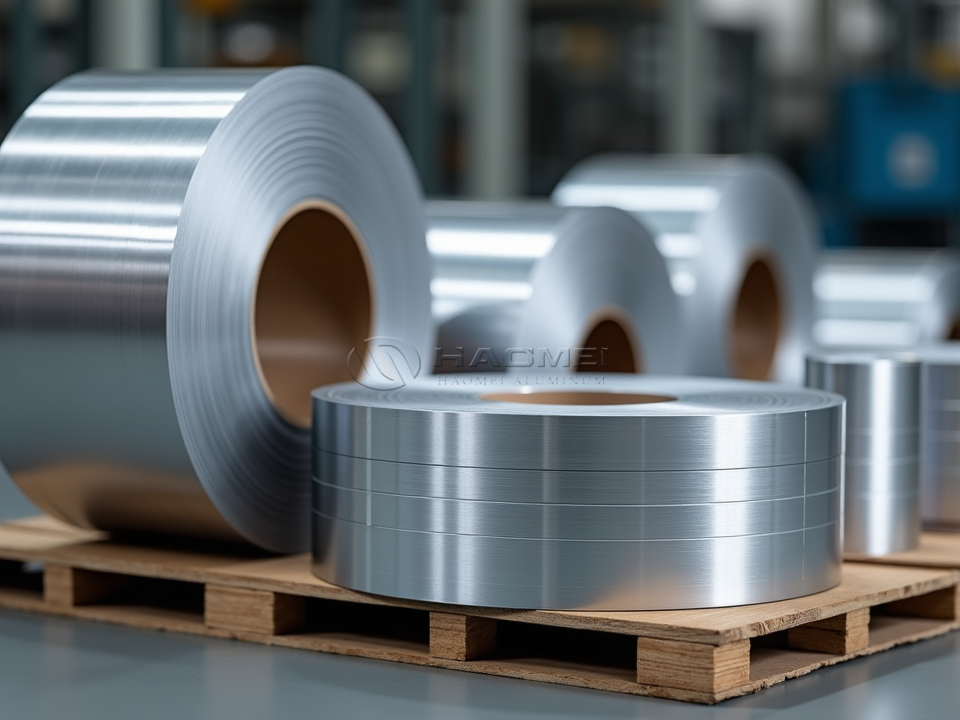
The mirror surface is created through controlled rolling and finishing processes that reduce surface roughness and improve light reflection. Depending on the selected grade and finishing route, the product may provide a bright reflective appearance for decorative use or enhanced optical reflection for lighting systems.
| Characteristic | Customer Value |
|---|---|
| High surface brightness | Delivers a premium metallic appearance for visible components |
| Excellent reflectivity | Improves light utilization in lamp reflectors, luminaires, and solar-related parts |
| Low density | Reduces component weight compared with steel-based reflective materials |
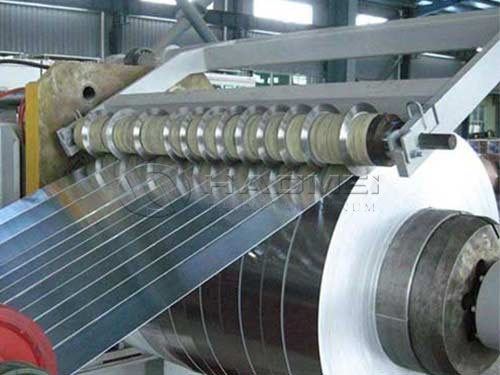
| Precision slitting | Supports clean edges and stable dimensions for automated stamping and roll forming |
| Good formability | Suitable for bending, shallow drawing, profiling, and light stamping |
| Corrosion resistance | Performs reliably in normal indoor, commercial, and lightly humid environments |
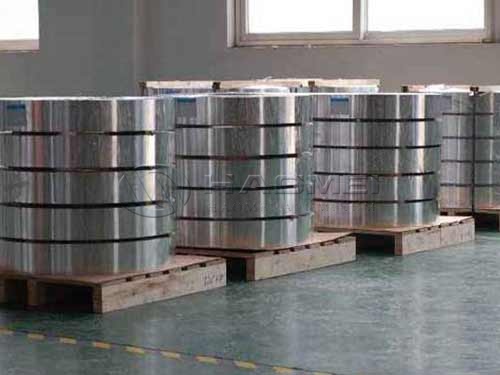
| Protective surface options | PE film, paper interleaving, or export packaging helps prevent scratches during processing |
The reflective face should be handled with clean gloves and non-abrasive tools. Surface protection is especially important when the strip will be used in consumer-facing decorative assemblies or optical reflector products.
Recommended Alloys and Chemical Composition
Pure aluminium grades such as 1050, 1060, and 1100 are commonly selected when brightness, conductivity, and formability are the primary requirements. Magnesium-containing grades may be considered where greater strength or improved corrosion performance is needed, although their mirror appearance and forming response should be confirmed for the intended application.
For bright, formable strip, 1050 / 1060 Aluminum Strip is a practical option for lighting, decorative trim, cable shielding, and general fabrication. The following values are typical alloy limits in weight percent and may vary according to the governing standard and order specification.
| Alloy | Si | Fe | Cu | Mn | Mg | Zn | Ti | Al |
|---|---|---|---|---|---|---|---|---|
| 1050 | ≤0.25 | ≤0.40 | ≤0.05 | ≤0.05 | ≤0.05 | ≤0.05 | ≤0.03 | ≥99.50 |
| 1060 | ≤0.25 | ≤0.35 | ≤0.05 | ≤0.03 | ≤0.03 | ≤0.05 | ≤0.03 | ≥99.60 |
| 1100 | Si + Fe ≤0.95 | Included | 0.05-0.20 | ≤0.05 | - | ≤0.10 | - | ≥99.00 |
| 5052 | ≤0.25 | ≤0.40 | ≤0.10 | ≤0.10 | 2.2-2.8 | ≤0.10 | - | Balance |
Technical Specifications
Mirror Finish Aluminium Sheet for Strip can be tailored to the final converting process. Thickness, width tolerance, coil direction, edge condition, and protective film should be confirmed before production, particularly for high-speed stamping lines or narrow slitting requirements.
| Parameter | Typical Supply Range | Notes |
|---|---|---|
| Alloy | 1050, 1060, 1100, 3003, 5052 | Selected by brightness, strength, and forming demand |
| Temper | O, H12, H14, H16, H18, H24, H32 | Softer tempers favor forming; harder tempers favor stiffness |
| Thickness | 0.20-3.00 mm | Other gauges available by agreement |
| Sheet width | 300-1,600 mm | Suitable for shearing, blanking, and panel fabrication |
| Slit strip width | 10-1,500 mm | Narrow widths available for specialized components |
| Coil inner diameter | 150 mm, 300 mm, 400 mm, 505 mm, 508 mm | Matched to decoiling equipment |
| Coil outer diameter | Up to approximately 1,800 mm | Controlled by weight and handling limitations |
| Surface finish | Mirror, bright polished, high-gloss | One-side or two-side finish available |
| Surface protection | PE film, PVC film, paper interleaving | Recommended for scratch-sensitive applications |
| Edge condition | Mill edge, slit edge, deburred edge | Chosen according to safety and stamping needs |
Mechanical and Physical Performance
Mechanical values depend on alloy, thickness, temper, and test direction. Soft O temper material provides excellent bending and drawing behavior, while H14 or H18 material offers improved rigidity for flat decorative parts and roll-formed profiles.
| Alloy and Temper | Tensile Strength | Yield Strength | Elongation | Typical Forming Behavior |
|---|---|---|---|---|
| 1050 O | 60-95 MPa | ≥20 MPa | ≥25% | Very good for bending and shallow drawing |
| 1050 H14 | 85-115 MPa | ≥75 MPa | ≥5% | Balanced stiffness and workability |
| 1060 O | 60-95 MPa | ≥15 MPa | ≥25% | Suitable for reflector and decorative forming |
| 1100 H14 | 95-125 MPa | ≥75 MPa | ≥5% | Stable for general stamped parts |
| 5052 H32 | 195-245 MPa | ≥130 MPa | ≥8% | Higher-strength option for formed trim |
| Physical Property | Typical Value |
|---|---|
| Density | Approximately 2.70 g/cm³ |
| Thermal conductivity, 1050/1060 | Approximately 220-235 W/m·K |
| Electrical conductivity, 1050/1060 | Approximately 59-61% IACS |
| Melting range | Approximately 640-660°C, alloy dependent |
| Thermal expansion | Approximately 23.5 × 10⁻⁶ /°C |
Surface Quality and Processing Guidance
A mirror surface is visually demanding. The finished face is inspected for scratches, roll marks, dents, oil residue, color variation, and edge damage. Minor process marks may be acceptable for industrial reflectors, while decorative panels and appliance trim often require tighter visual standards.
For bending operations, use polished tooling, suitable bend radii, and clean guides to reduce surface marking. For stamping, maintain stable lubricant control and remove metal particles from dies. Laser cutting, guillotine shearing, turret punching, and roll forming can all be used, but protective film should remain in place whenever possible until final assembly.
Where improved strength and moisture resistance are required, 5052 Aluminum Strip can provide a durable alternative for transport trim, equipment housings, and formed components exposed to more demanding service conditions.
Typical Applications
| Application Area | Typical Use | Product Advantage |
|---|---|---|
| Lighting | Lamp reflectors, LED housings, luminaire interiors | High brightness supports efficient light distribution |
| Decoration | Ceiling strips, wall trim, signage, display elements | Clean mirror appearance creates visual impact |
| Home appliances | Cooker panels, refrigerator trim, small appliance covers | Lightweight, easy to fabricate, easy to protect during assembly |
| Automotive accessories | Interior trim, reflector parts, decorative moldings | Low mass and good formability support complex profiles |
| Solar and energy equipment | Reflective panels and heat-management parts | Combines reflectivity with thermal conductivity |
| Packaging and closures | Decorative caps, seals, cosmetic components | Suitable for slitting and precision stamping |
| Furniture and retail displays | Edge bands, panel accents, exhibition structures | Bright finish adds a modern metallic character |
Benefits for Fabricators and Buyers
Mirror Finish Aluminium Sheet for Strip offers more than a polished appearance. It can reduce finishing steps because the bright surface arrives ready for conversion. Its low weight lowers transportation and handling loads, while its corrosion resistance reduces the need for heavy protective coatings in many indoor applications. Precision slit widths also help improve material utilization and reduce trimming waste during progressive stamping or roll forming.
For best results, specify alloy, temper, thickness, finished width, surface side, reflectivity expectation, film type, coil weight, and permitted surface defects at the enquiry stage. A clearly defined specification ensures that the mirror aluminium product performs consistently from coil processing through final installation.