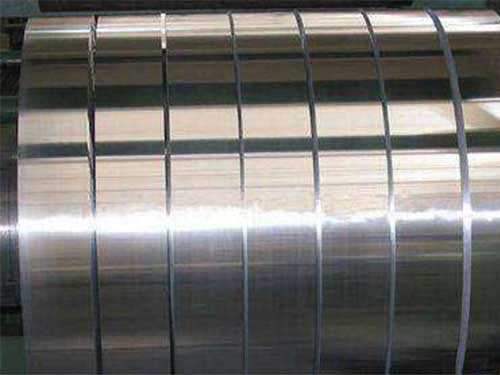
Aluminum Strip Channel Letter
An aluminum strip channel letter is not just a narrow coil used to bend sign edges. It is the hidden frame that decides whether a letter looks sharp at noon, glows evenly at night, and survives years of rain, UV exposure, cleaning chemicals, and thermal movement. In illuminated signage, the strip works like a light duct, a structural rib, and a weather barrier at the same time.
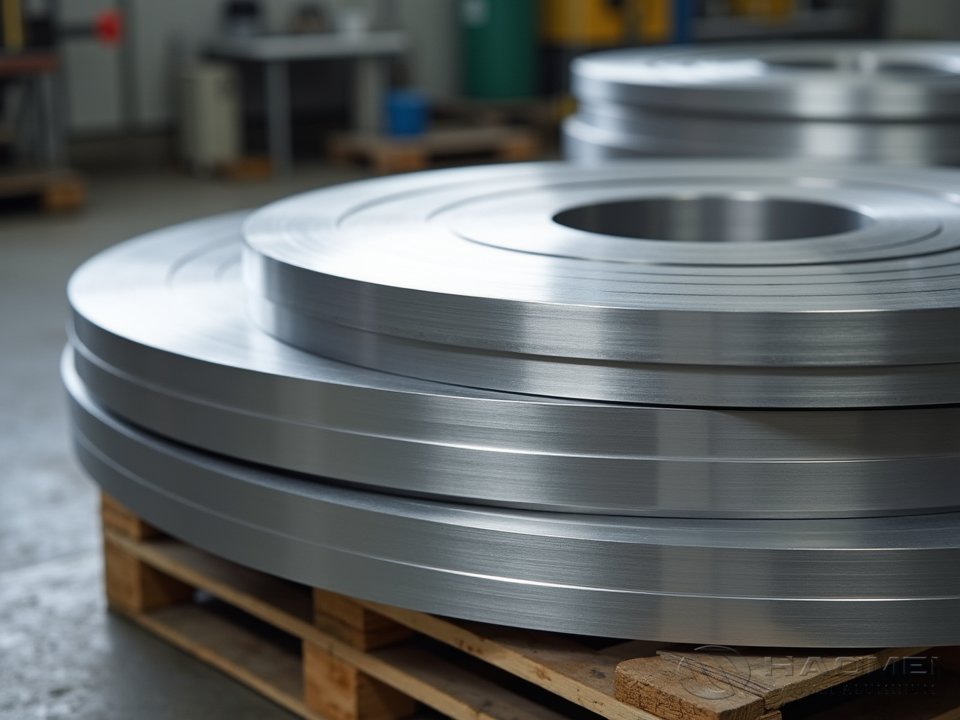
For sign makers, the most valuable property of aluminum strip is balance. It must be soft enough to bend into tight curves for letters such as S, G, and R, yet stable enough to hold a clean sidewall without waviness. It must accept paint, adhesive, rivets, screws, or welding, while keeping the channel letter light enough for facade installation. This is why alloy choice, temper, slit edge quality, and coating behavior matter as much as the visible color.
What the strip does inside a channel letter
The sidewall of a channel letter carries more responsibility than its thin profile suggests. It connects the acrylic or polycarbonate face to the back plate, controls letter depth, protects LEDs, and gives the sign its three-dimensional shape. A good aluminum strip allows automatic bending machines to form repeatable curves without cracking the coating or distorting the edge.
In front-lit letters, the strip forms the return, usually paired with an acrylic face and trim cap or trimless adhesive system. In back-lit halo letters, it blocks forward light and guides LEDs toward the wall, creating a soft glow. In exposed outdoor letters, it provides a corrosion-resistant metal skin that does not rust like steel. In indoor retail signs, it gives crisp geometry while keeping weight low.
The material is also part of the optical design. A white, brushed, anodized, or color-coated inner wall changes light reflection. For LED modules, reflective inner aluminum can reduce dark areas, while matte dark finishes help create controlled halo effects.
Common parameters for channel letter aluminum strip
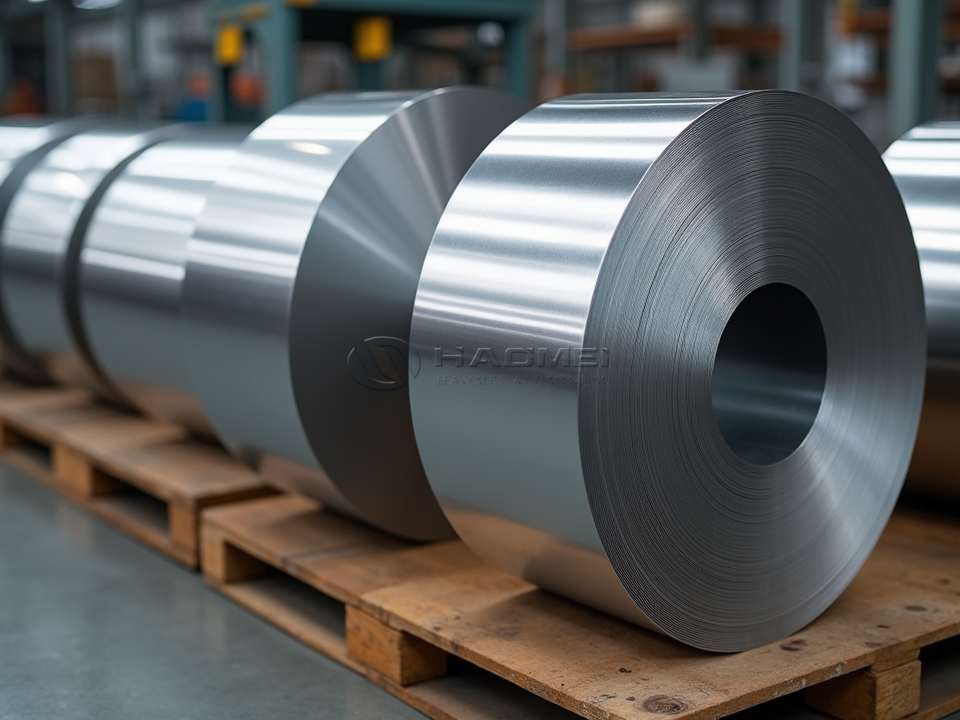
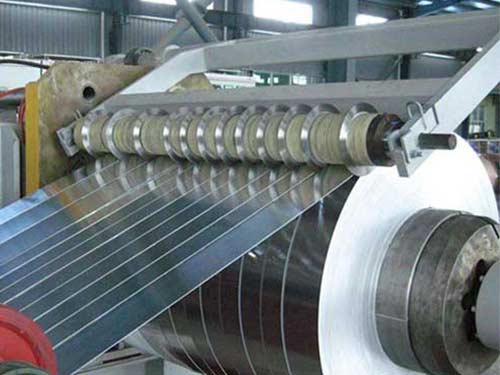
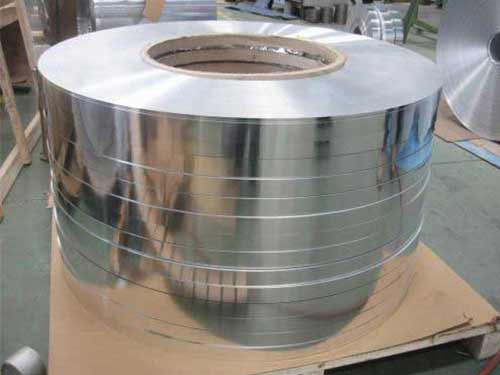
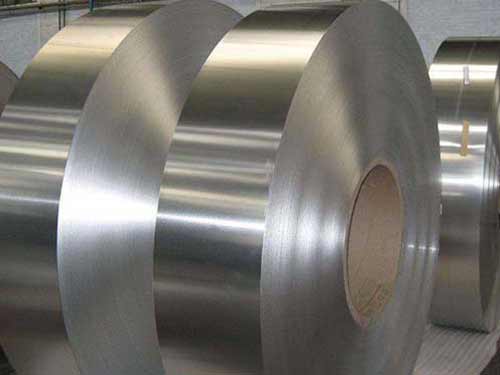
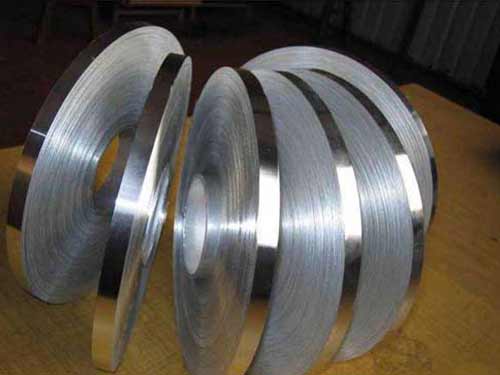
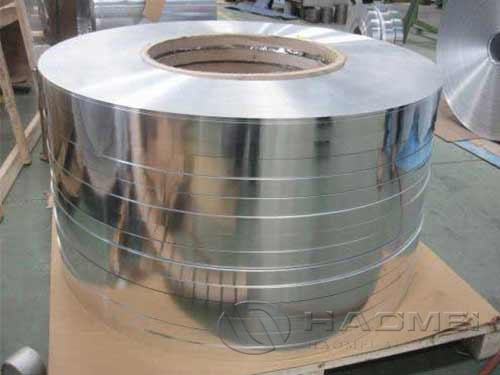
Typical channel letter strip is supplied in coil form for manual tools, CNC bending machines, and automatic letter forming equipment. Specifications vary by sign depth, letter size, installation environment, and bending radius.
| Parameter | Common range for channel letters | Practical meaning |
|---|---|---|
| Alloy | 1050, 1060, 1100, 3003, 3105, 5052 | From high formability to stronger outdoor use |
| Temper | O, H12, H14, H16, H18, H24, H32 | Controls softness, springback, and stiffness |
| Thickness | 0.4 mm to 1.2 mm | Thinner for small letters, thicker for deep or large signs |
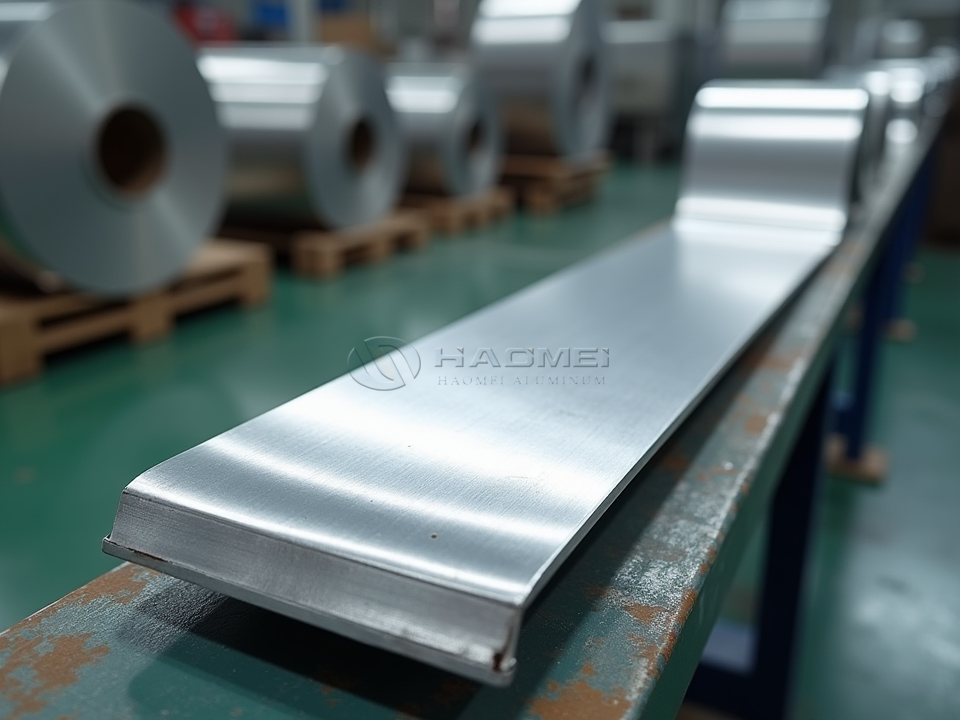
| Width | 30 mm to 200 mm | Defines letter depth and visual side profile |
| Coil inner diameter | 300 mm, 405 mm, 508 mm | Must match decoiler or bending machine |
| Slitting tolerance | Often within +/-0.05 mm to +/-0.15 mm | Helps consistent trim cap fit and machine feeding |
| Burr height | Low-burr or deburred edge preferred | Reduces scratches, hand injury, and coating damage |
| Surface | Mill finish, anodized, PE/PVDF coated, brushed | Chosen by appearance and weather demand |
| Coating thickness | PE about 18-25 microns, PVDF about 25-35 microns | Affects UV resistance and bend durability |
For small indoor letters, 0.5 mm to 0.7 mm strip is often enough. Large outdoor signs, deep returns, and windy building fronts may need 0.8 mm to 1.2 mm material. Wider strip increases letter depth, improves visibility from the side, and creates more internal volume for LED modules.
Alloy and temper selection from a sign maker's viewpoint
Pure aluminum grades such as 1050 and 1060 are popular because they bend easily, resist corrosion, and provide clean surfaces for coating. They are suitable for tight curves, small characters, and automated forming. For projects needing excellent softness and predictable bending, 1050 / 1060 Aluminum Strip is a practical option.
1100 aluminum offers similar workability with slightly different impurity limits and is widely used in decorative and light fabrication. 3003 adds manganese, giving higher strength than commercially pure aluminum while keeping good formability. It is useful when letters are larger, deeper, or more exposed to handling during installation. Many sign producers select 3003 Aluminum Strip when they want better rigidity without moving into hard-to-form material.
3105 is often chosen for pre-painted strip because it accepts coating well and performs reliably outdoors. 5052, with magnesium as its main alloying element, has stronger corrosion resistance, especially in coastal or humid locations, but it requires attention to bending radius and temper.
Temper is the language of metal memory. O temper is annealed and highly bendable, but it may feel too soft for large returns. H14 and H24 are common middle choices, giving better shape retention while still bending cleanly. H16 and H18 increase stiffness but may show more springback or coating stress on sharp curves. For 5052, H32 is often used where strength and corrosion resistance are required.
Chemical composition reference
Composition affects bending behavior, corrosion resistance, strength, and surface finishing. The values shown are typical maximum or range references and should be confirmed by mill certificate for each order.
| Alloy | Al | Si | Fe | Cu | Mn | Mg | Zn | Main behavior in signage |
|---|---|---|---|---|---|---|---|---|
| 1050 | >=99.50 | <=0.25 | <=0.40 | <=0.05 | <=0.05 | <=0.05 | <=0.05 | Very high formability and corrosion resistance |
| 1060 | >=99.60 | <=0.25 | <=0.35 | <=0.05 | <=0.03 | <=0.03 | <=0.05 | Soft bending, clean finish, good conductivity |
| 1100 | >=99.00 | Si+Fe <=0.95 | Si+Fe <=0.95 | 0.05-0.20 | <=0.05 | - | <=0.10 | Decorative surface and general fabrication |
| 3003 | Balance | <=0.60 | <=0.70 | 0.05-0.20 | 1.00-1.50 | - | <=0.10 | Higher strength with good bendability |
| 3105 | Balance | <=0.60 | <=0.70 | <=0.30 | 0.30-0.80 | 0.20-0.80 | <=0.40 | Good for coated outdoor sign strip |
| 5052 | Balance | <=0.25 | <=0.40 | <=0.10 | <=0.10 | 2.20-2.80 | <=0.10 | Strong corrosion resistance and higher strength |
Aluminum naturally forms a thin oxide film in air. This passive layer helps resist corrosion and improves service life in outdoor signage. The metal is non-magnetic, easy to recycle, and resistant to many atmospheric conditions. However, alkaline cleaners, strong acids, and galvanic contact with dissimilar metals can damage the surface, so proper fasteners and sealants are important.
Standards and quality conditions
Reliable strip should be produced and inspected according to recognized standards such as ASTM B209, EN 485, GB/T 3880, JIS H4000, or customer-specific sign material requirements. For coated aluminum strip, color difference, coating adhesion, pencil hardness, impact resistance, solvent resistance, and bend performance should be checked. Outdoor color-coated strip may also refer to AAMA 2603, AAMA 2604, or AAMA 2605 performance levels depending on resin system and project demand.
For channel letter manufacturing, the certificate is only the starting point. The coil must feed smoothly, unwind without edge wave, and bend without orange peel, paint cracking, or sidewall twist. Surface cleanliness is essential because adhesive tapes, liquid adhesives, and trimless faces need stable bonding. Oil residue, powder, or uneven coating can cause face separation after temperature cycling.
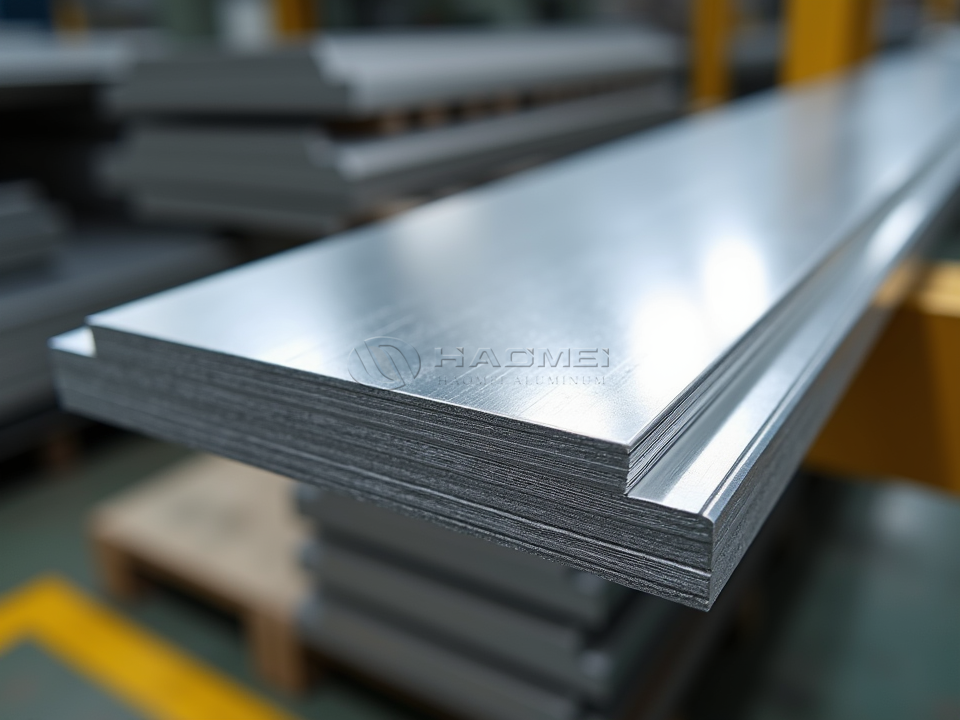
Important supply conditions include flatness, low camber, uniform width, controlled tensile strength, and safe packaging. Coil edges should be protected because even small dents can mark the visible side of a letter. Moisture-proof wrapping helps prevent water stains before fabrication.
Applications beyond standard shopfront signs
Aluminum strip channel letter material appears in retail logos, hotel signs, fuel station identity systems, stadium wayfinding, shopping mall letters, airport signage, bank logos, automotive dealership signs, and architectural light boxes. It is also used for mini letters, resin-filled letters, trimless illuminated characters, and halo-lit brand walls.
The same strip can serve very different visual goals. A narrow white-coated strip can make clean indoor letters for cosmetics stores. A deep black strip can create strong contrast for luxury storefronts. Brushed or anodized aluminum can give corporate signage a metallic architectural finish. For coastal resorts, magnesium-bearing alloys or durable PVDF-coated strip help withstand salt-laden air.
Choosing material with fewer production surprises
A practical selection starts with the smallest bending radius in the design, the required letter depth, indoor or outdoor exposure, and the forming method. Automatic bending usually needs tighter control of width tolerance and coil shape than manual fabrication. If the design has many tight curves, a softer temper can reduce scrap. If the sign is large and flat-sided, a harder temper may improve straightness.
Color also affects performance. Dark colors absorb more heat, increasing expansion during the day and contraction at night. This makes coating flexibility and adhesive compatibility more important. For deep outdoor letters, drainage and ventilation should be considered so moisture does not remain inside the channel.
The best aluminum strip channel letter material disappears after installation in the right way: the viewer sees a clean glowing brand, not the metal engineering behind it. Yet that clean result depends on chemistry, temper, coating, slitting, packaging, and fabrication behavior working together in a narrow coil that must bend exactly where the design demands.