4mm PVDF Aluminium Strip Panel ACP
A 4mm PVDF Aluminium Strip Panel ACP is a lightweight composite cladding material built for durable architectural surfaces. It combines two pre-finished aluminium skins with a mineral-filled or polymer core, creating a flat panel with excellent weather resistance, color retention, and fabrication flexibility. The exterior aluminium face is protected by a PVDF coating system, making it suitable for demanding façade, canopy, signage, and renovation projects.
For building envelopes exposed to sunlight, rain, airborne pollutants, and temperature cycling, PVDF offers a dependable finish with long-term visual stability. Compared with uncoated sheet, the coated surface reduces maintenance demands while giving designers broad freedom in color, gloss, metallic appearance, stone patterns, and custom finishes.
Panel Construction and Material Design
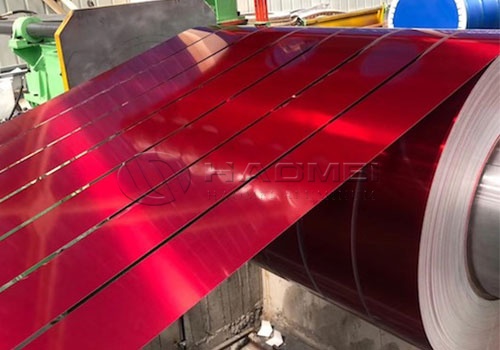
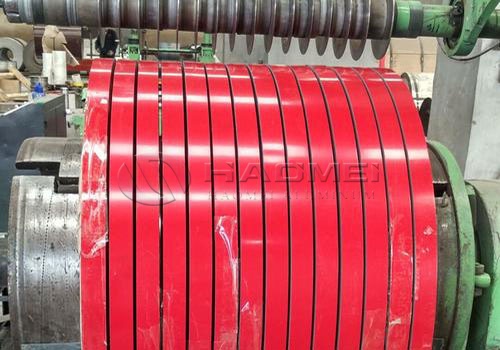
The standard 4mm configuration is engineered to balance rigidity, low weight, and processing convenience. Aluminium coil is slit into strips, coated, laminated to the core, and cut into architectural panel sizes. The aluminium skins contribute corrosion resistance and surface quality, while the core provides thickness, panel stiffness, and impact support.
| Layer | Typical Material | Typical Thickness | Function |
|---|---|---|---|
| Front face | PVDF-coated aluminium alloy | 0.21-0.50 mm | Weather-facing decorative and protective surface |
| Adhesive film | High-strength polymer adhesive | 0.03-0.08 mm | Bonds aluminium skin to core |
| Core | PE, FR, or A2 mineral core | Approx. 3.0-3.5 mm | Provides thickness, rigidity, and fire-performance options |
| Rear face | Polyester-coated or mill-finish aluminium | 0.18-0.40 mm | Balances panel structure and protects the rear surface |
| Total panel | Aluminium composite panel | 4.0 mm nominal | Finished cladding panel |
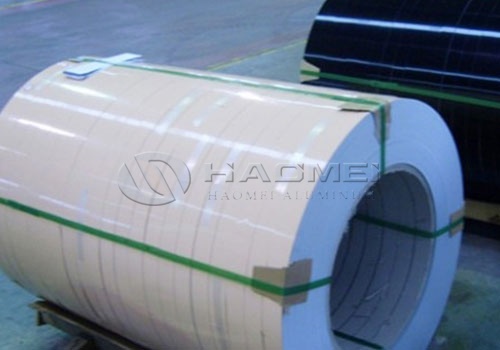
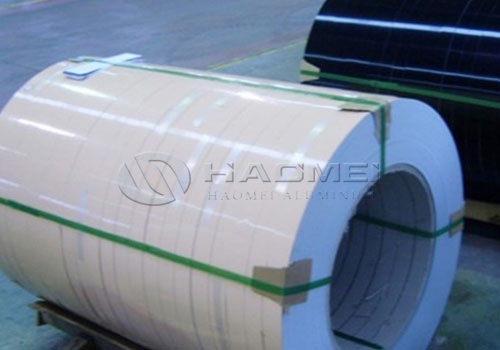
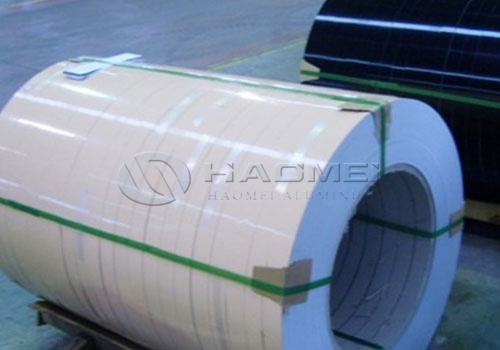
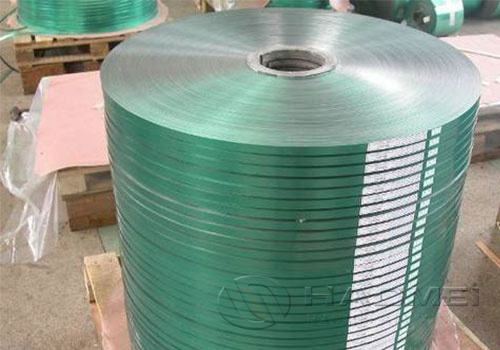
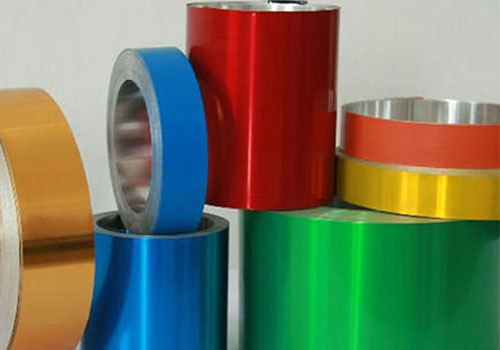
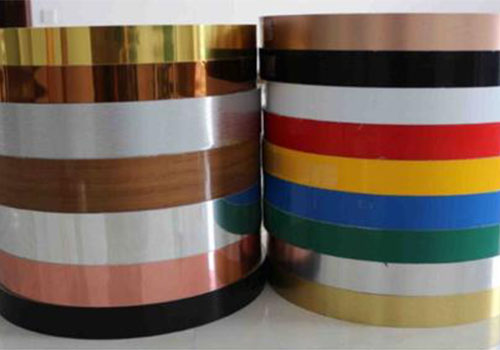
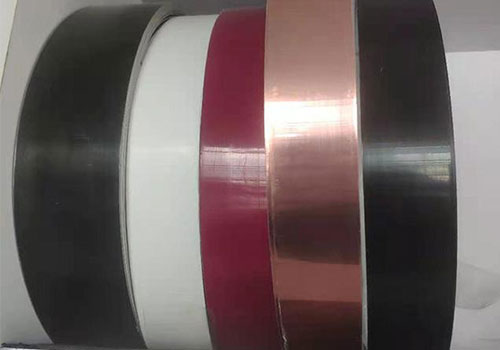
The visible face can be produced from PVDF Coated Aluminum Strip, selected for its fluoropolymer resin system and its resistance to ultraviolet exposure. Back-face treatment is commonly polyester coated, although higher-performance systems can be specified where rear-side exposure is expected.
PVDF Surface Performance
PVDF, often based on 70% fluorocarbon resin formulations, is widely used on exterior architectural aluminium. Its dense molecular structure helps resist chalking, fading, staining, and moisture intrusion. A properly cured coating forms a smooth, stable barrier over the aluminium substrate.
| Performance Item | Typical PVDF Panel Value | Customer Benefit |
|---|---|---|
| Coating system | 2-coat or 3-coat PVDF | Choice of economy, color depth, and durability |
| Dry film thickness | 25-35 μm | Robust coverage for exterior exposure |
| Pencil hardness | 2H minimum | Improved scratch resistance during handling |
| Adhesion | 0 grade, cross-hatch test | Coating remains firmly bonded to aluminium |
| Impact resistance | 50 kg·cm or as specified | Helps resist minor handling and installation damage |
| Gloss range | 10-80% | Supports matte, satin, and glossy designs |
| Service temperature | -50°C to +80°C | Suitable for varied climates |
| UV resistance | Excellent | Better color and gloss retention outdoors |
PVDF finishes are particularly valuable for high-rise façades and large public buildings, where cleaning or recoating can be costly. The surface can also be specified with anti-graffiti, easy-clean, low-gloss, brushed-metal, or textured effects to suit the visual and maintenance needs of a project.
Aluminium Alloy and Chemical Composition
Panel skins are commonly produced from AA3003, AA3105, or AA5005 aluminium alloys. Alloy selection depends on required formability, panel width, coating appearance, local climate, and fabrication method. AA3003 and AA3105 are frequently used for coated architectural panel skins because they provide stable forming behavior and good corrosion resistance.
| Element | AA3003 Typical Range | AA3105 Typical Range | Role in the Alloy |
|---|---|---|---|
| Aluminium | Balance | Balance | Base metal providing low weight and corrosion resistance |
| Manganese | 1.0-1.5% | 0.30-0.80% | Improves strength and durability |
| Magnesium | 0.05% maximum | 0.20-0.80% | Supports strength and forming characteristics |
| Iron | 0.70% maximum | 0.70% maximum | Controlled impurity element |
| Silicon | 0.60% maximum | 0.60% maximum | Controlled impurity element |
| Copper | 0.05-0.20% | 0.30% maximum | Contributes to alloy strength when controlled |
| Zinc | 0.10% maximum | 0.40% maximum | Controlled impurity element |
Actual composition should be confirmed by the mill test certificate for each production batch. For coastal or chemically aggressive environments, project teams should also consider panel edge treatment, drainage design, compatible fasteners, and sealant selection.
Technical Specifications
| Specification | Standard Option | Custom Capability |
|---|---|---|
| Panel thickness | 4 mm | 3 mm, 5 mm, 6 mm and other project requirements |
| Standard width | 1,220 mm | 1,000 mm, 1,250 mm, 1,500 mm, or customized width |
| Standard length | 2,440 mm | Cut-to-length panels up to project limits |
| Front aluminium thickness | 0.21-0.50 mm | Heavier skins for enhanced flatness and durability |
| Panel weight | Approx. 5.5-7.5 kg/m² | Depends on skin thickness and core type |
| Surface coating | PVDF | Solid, metallic, matte, wood, stone, brushed, and custom colors |
| Color matching | RAL, Pantone, or sample matching | Subject to minimum order quantity |
| Protective film | PE removable film | Logo printing and project-specific protection available |
| Core option | PE, FR, A2 | Selected according to local fire regulations |
A 4mm panel offers practical rigidity while remaining easier to transport and install than solid aluminium plate. It can be routed, folded, cut, drilled, punched, bent, and cassette-formed using suitable ACP fabrication equipment. Finished panels should be handled with clean gloves and stored in dry, ventilated conditions to preserve the protective film and coating surface.
Suitable Applications
4mm PVDF Aluminium Strip Panel ACP is widely specified where a clean architectural finish and reliable weathering performance are required. Its low mass reduces dead load on supporting structures, while the finished surface supports fast installation and consistent visual results.
| Application Area | Typical Use | Product Advantage |
|---|---|---|
| Curtain walls | External façade cladding | Flat appearance, low weight, broad color selection |
| Building renovation | Covering aged concrete, tiles, or masonry | Refreshes building appearance with limited structural burden |
| Canopies and soffits | Entrance roofs and underside ceiling systems | Moisture resistance and easy cleaning |
| Commercial signage | Shop fronts, pylon signs, display panels | Smooth printable surface and durable color |
| Transport terminals | Wall linings and exterior details | Durable, clean visual finish for public spaces |
| Interior feature walls | Lobbies, retail areas, partitions | Metal appearance with simple fabrication |
| Column covers | Architectural wraps and decorative casings | Easy shaping into folded cassette forms |
For long exterior service, Coated Aluminum Strip quality matters as much as the panel core. Consistent coil thickness, coating cure, color control, and adhesive bonding help the finished ACP retain flatness and appearance across large installed areas.
Practical Benefits for Customers
The product delivers a balanced solution for architects, fabricators, contractors, and property owners. Its large-format coverage can reduce visible joints and accelerate installation. The PVDF face supports long-lasting color performance, while the aluminium composite construction is easier to process than thick solid metal sheets.
Additional benefits include low routine maintenance, strong decorative versatility, recyclable aluminium skins, and compatibility with cassette, tray, riveted, and rail-mounted installation systems. Fire-rated core selection allows the panel system to be matched to project codes, but final compliance must always be evaluated against local regulations, system testing, building height, and façade design.
Selection Guidance
When specifying a 4mm PVDF Aluminium Strip Panel ACP, confirm the aluminium skin thickness, core classification, PVDF coating thickness, color tolerance, gloss level, panel dimensions, and required test documentation. Exterior projects benefit from heavier front skins, premium fluorocarbon coatings, and properly engineered fixing details. For tall buildings or regulated public facilities, select an FR or A2 core only after reviewing the applicable façade fire requirements.
With the right material configuration, this panel provides a refined metal appearance, dependable exterior protection, and efficient fabrication for modern architectural cladding.