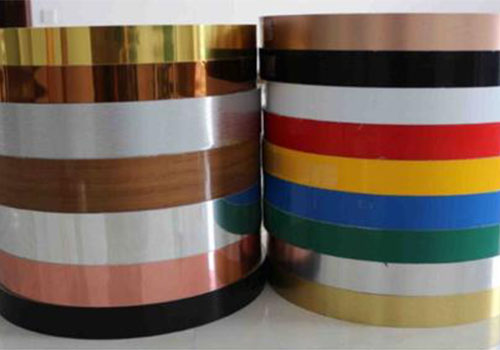
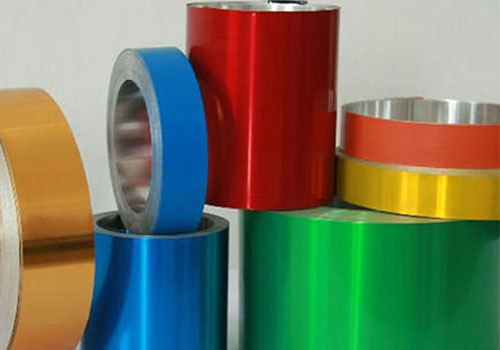
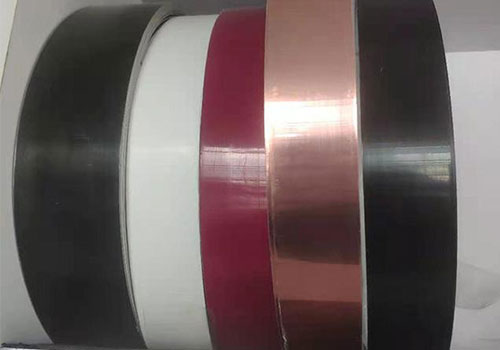
Aluminum Color Coil for Aluminium Strip
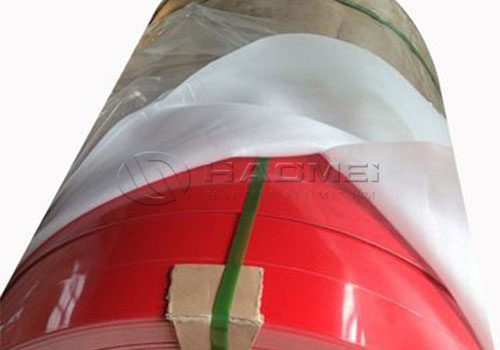
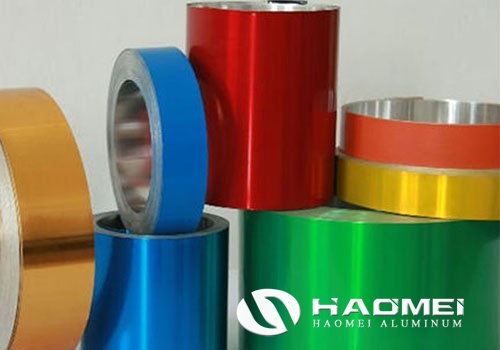
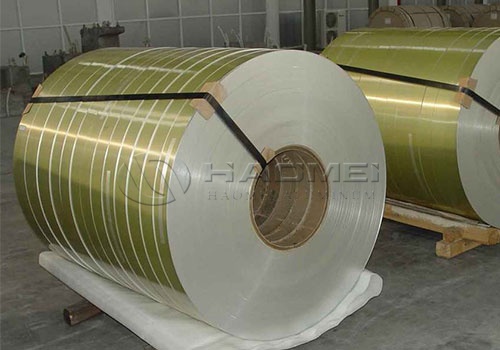
Aluminum color coil for aluminium strip is more than painted metal supplied in a roll. It is a pre-finished material engineered to retain color, surface integrity, formability, and corrosion resistance after slitting, bending, stamping, or roll forming. For manufacturers, the real value lies in moving the finishing process upstream: instead of painting narrow aluminium strip after fabrication, they start with a consistent coil surface designed for production efficiency.
This approach is especially useful where visual appearance and repeatable processing must work together. A strip used for shutter slats, ceiling grids, cable wrapping, decorative edging, HVAC components, signage, appliance trims, and building accessories needs a coating system that survives conversion without cracking, peeling, or losing gloss.
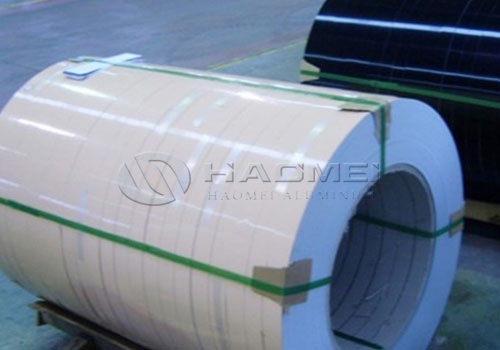
A Coil Designed to Become a Functional Strip
The practical difference between ordinary aluminium coil and color-coated coil appears during processing. A narrow strip has exposed edges, repeated bends, and frequent contact with rollers, dies, guides, and packaging materials. Its coating must be selected not only for visual color but also for the way the strip will be transformed.
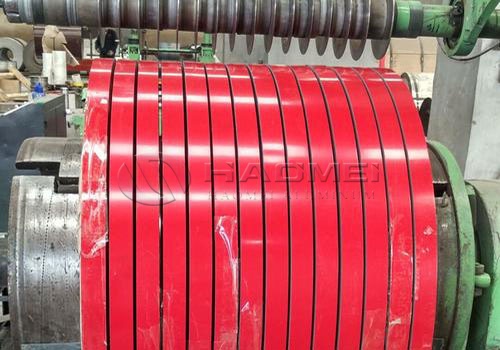
A properly prepared aluminum color coil normally passes through cleaning, chemical conversion treatment, primer application, finish-coat application, oven curing, cooling, and inspection. This continuous process creates a stable painted surface before the material is slit into aluminium strip widths. The result is more uniform than many post-painting methods, especially for high-volume production.
For applications needing balanced cost and indoor durability, PE Coated Aluminum Strip is commonly selected. Polyester coatings offer good flexibility, smooth appearance, and reliable performance for interior trim, lighting channels, ceilings, appliance panels, and general decorative strip applications.
Where the strip will be installed outdoors, coating chemistry becomes more important. Sunlight, heat, moisture, industrial contaminants, and salt exposure can gradually reduce gloss and color stability. In these situations, PVDF Coated Aluminum Strip provides improved weather resistance and is often used for façade accessories, roof-edge parts, outdoor shutters, signage frames, and architectural profiles.
Common Parameters for Aluminum Color Coil
Color-coated aluminium can be supplied as parent coil or slit strip. Specifications should be chosen based on forming radius, final width, coating environment, and mechanical requirements.
| Parameter | Typical Range or Option |
|---|---|
| Base metal thickness | 0.20 mm to 1.50 mm |
| Common strip width | 10 mm to 1,600 mm |
| Coil width before slitting | Up to 1,600 mm |
| Inner diameter | 150 mm, 300 mm, 405 mm, 505 mm, or 508 mm |
| Coil weight | Usually 1 to 8 metric tons, subject to handling requirements |
| Front coating thickness | About 15 to 35 μm for PE; 25 to 35 μm or more for PVDF systems |
| Back coating thickness | About 5 to 10 μm, depending on use |
| Surface finish | Glossy, matt, high gloss, embossed, brushed, wood grain, marble pattern |
| Color control | RAL, Pantone, customer sample, or project-specific color |
Thickness tolerance, width tolerance, camber, burr height, coating adhesion, gloss, and color difference should be agreed before production. For narrow aluminium strip, slitting quality matters as much as coating quality. A clean edge reduces risks during stamping, insulation winding, and automated feeding.
Alloy and Temper Selection from a Processing Viewpoint
Alloy choice affects more than strength. It determines how the coil behaves when bent, punched, drawn, or exposed to corrosive conditions. The coating protects the surface, while the alloy supplies the mechanical foundation.
| Alloy | Typical Temper | Material Character | Suitable Uses |
|---|---|---|---|
| 1050 | H14, H18, O | High purity, soft, highly formable | Decorative strip, lamp parts, cable wrapping, reflective products |
| 1060 | H14, H18, O | Good conductivity and workability | Transformer strip, channel trim, general forming |
| 1100 | H14, H16, H18 | Good corrosion resistance and ductility | Signage, decorative panels, light-duty components |
| 3003 | H14, H24 | Better strength than 1xxx series, good corrosion resistance | Roofing accessories, ceiling systems, shutters, appliance parts |
| 3105 | H14, H24 | Good forming behavior and coating compatibility | Building trim, rainwater systems, siding accessories |
| 5052 | H32, H34 | Higher strength and strong marine corrosion resistance | Outdoor equipment, transport trim, humid or coastal installations |
Temper should match the intended fabrication route. H14 and H24 are widely used when moderate strength and bendability are both needed. Softer O temper is suitable for deep forming, but it can be more vulnerable to surface marking during handling. Harder H18 temper improves stiffness for simple profiles, though small-radius bending may require careful testing to prevent coating stress.
Typical Chemical Composition of Base Alloys
The following table gives typical maximum or controlled composition limits in percent by weight. Actual values should follow the ordered alloy specification and mill certificate.
| Alloy | Si | Fe | Cu | Mn | Mg | Zn | Al |
|---|---|---|---|---|---|---|---|
| 1050 | 0.25 | 0.40 | 0.05 | 0.05 | 0.05 | 0.05 | 99.50 min |
| 1060 | 0.25 | 0.35 | 0.05 | 0.03 | 0.03 | 0.05 | 99.60 min |
| 1100 | Si + Fe 0.95 max | Included | 0.05-0.20 | 0.05 max | - | 0.10 max | 99.00 min |
| 3003 | 0.60 max | 0.70 max | 0.05-0.20 | 1.0-1.5 | - | 0.10 max | Balance |
| 3105 | 0.60 max | 0.70 max | 0.30 max | 0.30-0.80 | 0.20-0.80 | 0.40 max | Balance |
| 5052 | 0.25 max | 0.40 max | 0.10 max | 0.10 max | 2.2-2.8 | 0.10 max | Balance |
Standards and Quality Controls
Aluminum color coil for aluminium strip may be produced in accordance with EN 485, EN 573, ASTM B209, ASTM B928, JIS H4000, GB/T 3880, or project-specific requirements. Coating performance may also be evaluated against standards such as EN 13523 for coil-coated metals.
Important inspection items include coating thickness, color consistency, gloss level, T-bend performance, pencil hardness, impact resistance, solvent resistance, boiling-water resistance, adhesion, and salt-spray performance. Outdoor coated coil may also require accelerated weathering tests to assess color retention and chalking resistance.
Applications Where Pre-Coated Strip Adds Value
Color-coated aluminium strip brings efficiency to products that need both a finished look and fast manufacturing. In ceiling and wall systems, it creates clean linear details without secondary painting. In roller shutters and blinds, it supports repeated forming while providing lasting color. In electrical and HVAC equipment, coated strip helps separate, protect, and identify components. For packaging closures, appliance edging, furniture trim, and display systems, the coil can be matched to a specified color before fabrication begins.
The best specification is not simply the thickest coating or strongest alloy. It is the combination of alloy, temper, coating type, surface finish, strip width, and forming demand. When these conditions are matched correctly, aluminum color coil becomes a dependable production material that delivers visual consistency from the first slit strip to the final installed component.