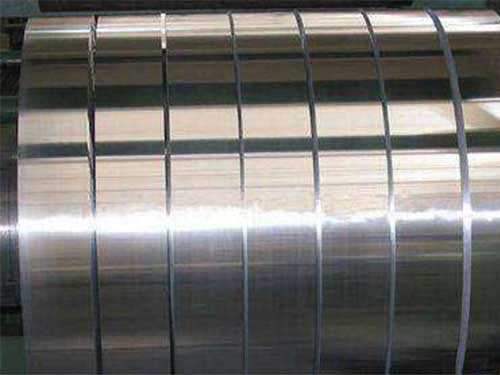
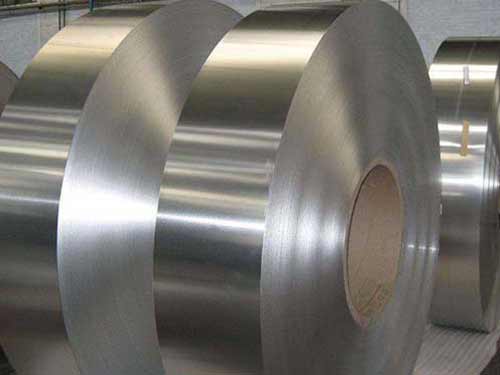
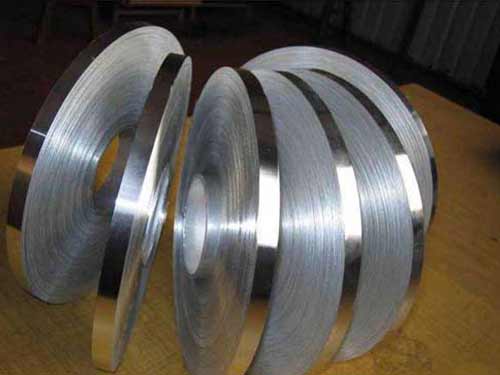
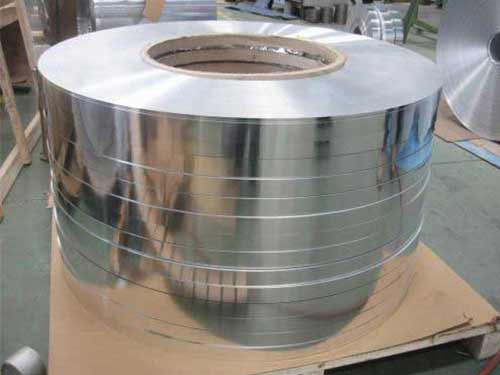
1060 1070 1350 Aluminum Foil Strip
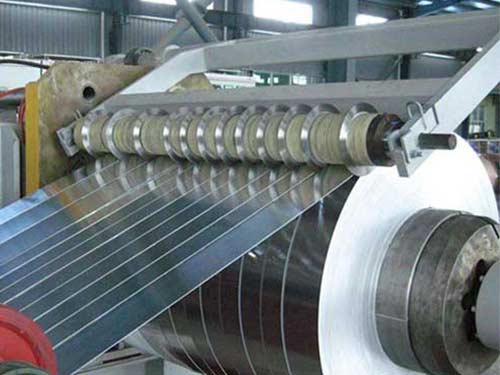
1060, 1070, and 1350 aluminum foil strip are high-purity aluminum materials valued for conductivity, corrosion resistance, light weight, and excellent formability. Produced by rolling aluminum coil into thin, narrow widths, these strips provide a dependable solution for electrical components, transformer windings, cable shielding, packaging, stamping, and precision fabrication.
Their aluminum content is generally above 99.5%, giving them a clean metallic surface, stable processing behavior, and strong performance where electrical or thermal transfer is important. Compared with higher-alloy aluminum grades, 1060, 1070, and 1350 foil strips prioritize purity and ductility rather than high structural strength.
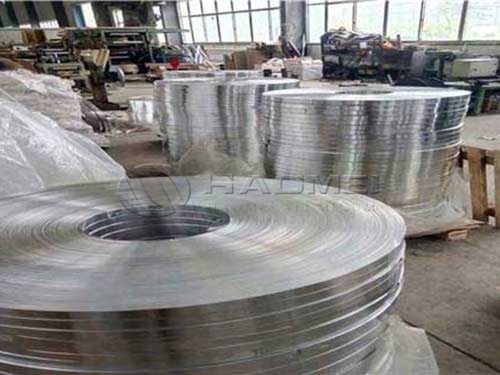
Material Characteristics and Grade Selection
Although these three grades belong to the commercially pure aluminum family, their chemistry and typical end uses differ slightly. Grade selection should consider conductivity requirements, bending radius, required temper, surface quality, and the intended manufacturing process.
| Alloy | Minimum Aluminum Content | Typical Focus | Common Uses |
|---|---|---|---|
| 1060 | 99.60% | Balanced conductivity and formability | Lamp parts, packaging, heat transfer fins, stamped pieces |
| 1070 | 99.70% | Higher purity and excellent ductility | Capacitor foil, decorative parts, electronic shielding, deep drawing |
| 1350 | 99.50% | Electrical-grade conductivity | Transformer windings, busbars, cable conductors, electrical shielding |
1060 aluminum foil strip is widely selected for general industrial conversion. It bends easily, resists atmospheric corrosion, and can be stamped or formed into detailed shapes with a suitable soft temper. For customers needing reliable coil material for general fabrication, 1050 / 1060 Aluminum Strip provides a compatible option across a broad range of widths and thicknesses.
1070 aluminum foil strip contains slightly more aluminum than 1060, supporting excellent drawing performance and a bright finished appearance. It is often used when a clean surface and greater softness are required for delicate forming operations.
1350 aluminum foil strip is recognized as an electrical conductor alloy. Its low impurity level supports high electrical conductivity, making it especially suitable for windings, conductive laminations, power-distribution components, and cable-related products.
Chemical Composition
The chemical composition is controlled to preserve aluminum purity and limit elements that may reduce conductivity or affect forming quality. Actual values can be tailored to applicable standards and mill test certificate requirements.
| Element | 1060, % Max. | 1070, % Max. | 1350, % Max. |
|---|---|---|---|
| Silicon + Iron | 0.35 | 0.20 | 0.40 |
| Iron | 0.35 | 0.20 | 0.40 |
| Copper | 0.05 | 0.04 | 0.05 |
| Manganese | 0.03 | 0.03 | 0.01 |
| Magnesium | 0.03 | 0.03 | 0.01 |
| Zinc | 0.05 | 0.04 | 0.05 |
| Titanium | 0.03 | 0.03 | 0.02 |
| Other elements, each | 0.03 | 0.03 | 0.03 |
| Aluminum | 99.60 min. | 99.70 min. | 99.50 min. |
Technical Specifications
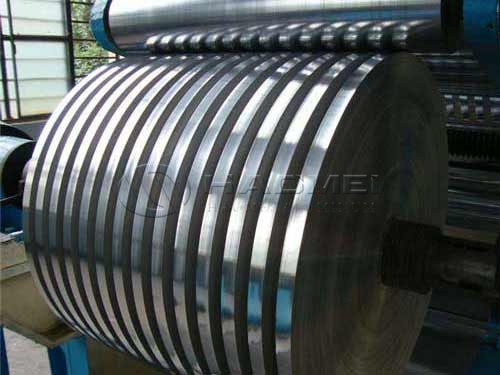
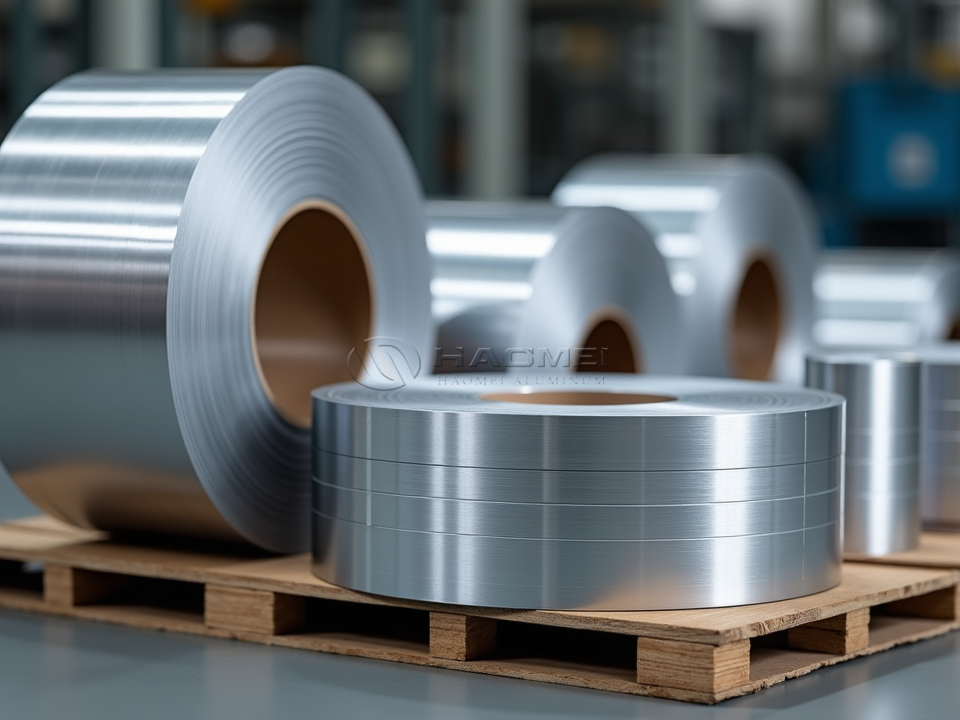
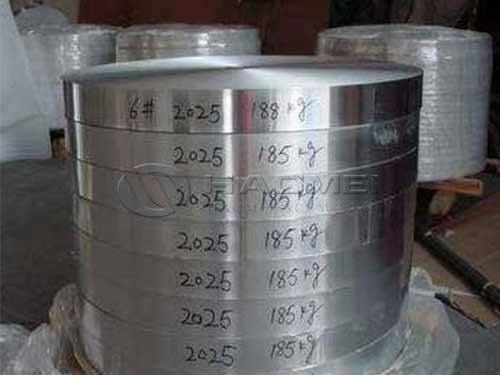
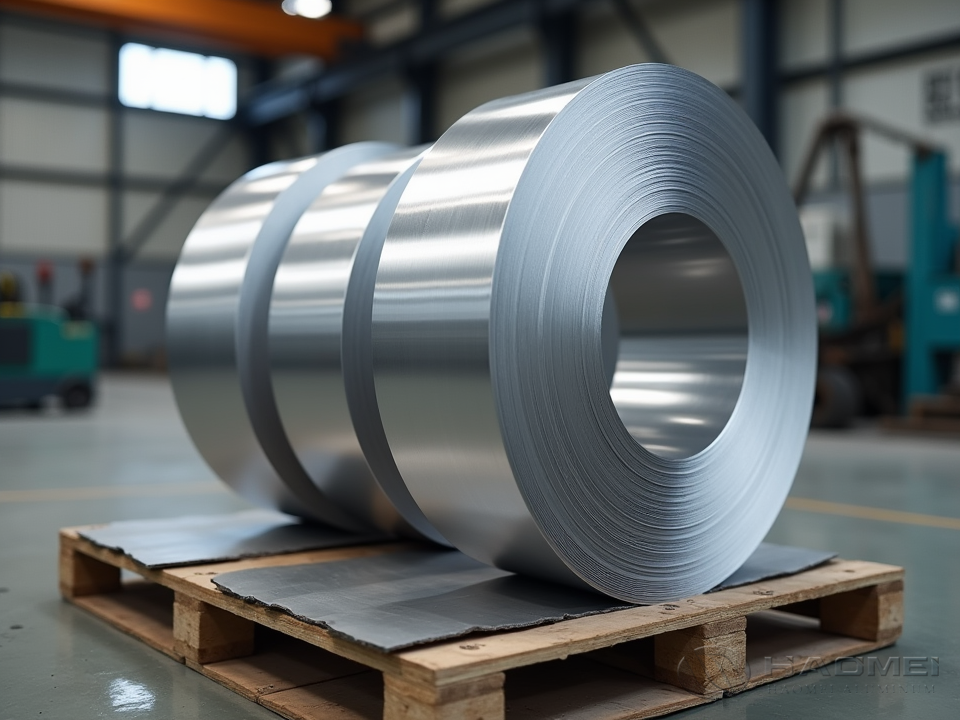
Aluminum foil strip can be supplied in slit coils, traverse-wound coils, or cut lengths. Dimensional tolerances, inner diameter, coil weight, edge condition, and surface treatment can be agreed according to the downstream equipment and conversion method.
| Parameter | Typical Supply Range | Notes |
|---|---|---|
| Thickness | 0.006-0.20 mm | Thinner gauges are used for foil, insulation, and shielding applications |
| Width | 5-1,600 mm | Narrow slit widths are available for winding and stamping lines |
| Coil inner diameter | 150 mm, 300 mm, 400 mm, 500 mm, 508 mm | Selected to match customer uncoilers and winding machines |
| Coil outer diameter | Up to 1,800 mm | Depends on thickness, width, and safe coil weight |
| Coil weight | 50-5,000 kg | Small coils and heavy master coils can be arranged |
| Surface | Mill finish, bright, degreased, coated, embossed | Surface condition is matched to the application |
| Edge | Mill edge, slit edge, deburred edge | Burr control is important for electrical winding and stamping |
| Flatness | Controlled according to gauge and width | Helps prevent wrinkles and tracking issues during processing |
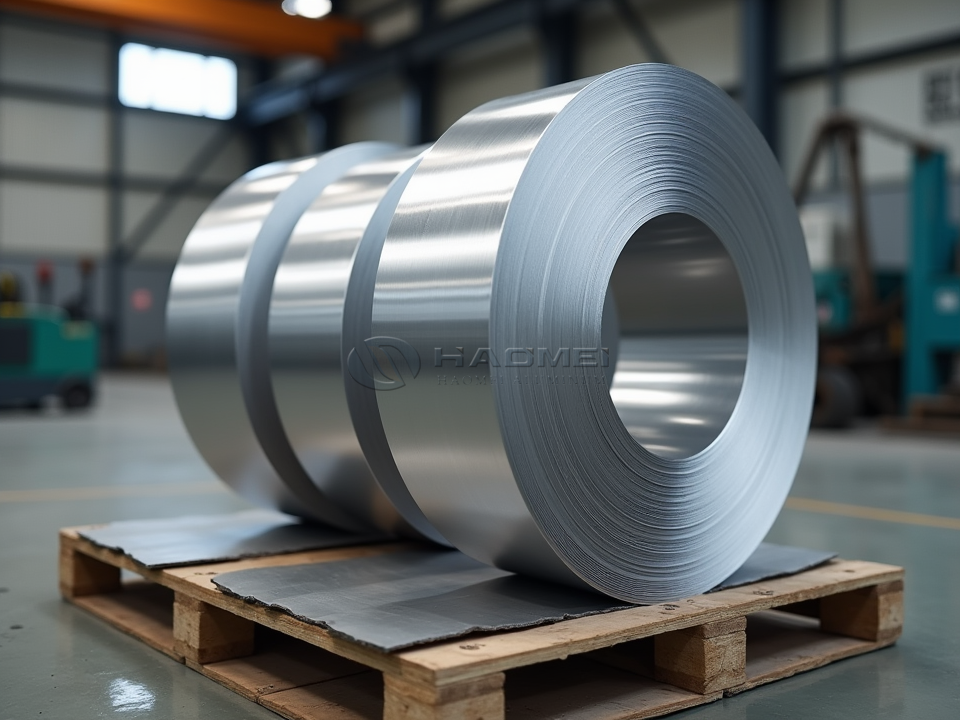
Temper Conditions and Mechanical Performance
These alloys are non-heat-treatable. Their strength is developed mainly through cold rolling, while softness is restored through annealing. The correct temper has a direct impact on forming, winding, springback, and strip stability.
| Temper | Condition | Typical Tensile Strength, MPa | Typical Elongation | Suitable Processing |
|---|---|---|---|---|
| O | Fully annealed, soft | 60-95 | 20-35% | Deep drawing, folding, embossing, tight-radius bending |
| H12 / H14 | Strain hardened, half hard | 85-115 | 8-18% | General stamping, packaging, shaped parts |
| H16 / H18 | Strain hardened, hard | 105-135 | 2-8% | Flat components, stiff shields, formed channels |
| H22 / H24 | Strain hardened and partially annealed | 75-110 | 10-22% | Moderate forming with improved shape retention |
Mechanical values vary with thickness, alloy chemistry, testing direction, and production standard. Soft O temper is generally preferred for transformer winding and deep drawing because it reduces cracking risk and allows the strip to conform smoothly during coiling.
Electrical and Physical Properties
High-purity aluminum foil strip combines low density with effective electrical and thermal transfer. This creates a practical material for lightweight conductors and heat-sensitive assemblies.
| Property | 1060 | 1070 | 1350 |
|---|---|---|---|
| Density | 2.70 g/cm³ | 2.70 g/cm³ | 2.70 g/cm³ |
| Electrical conductivity | Approx. 61% IACS | Approx. 62% IACS | Approx. 61% IACS min. |
| Electrical resistivity at 20°C | Approx. 0.0282 Ω·mm²/m | Approx. 0.0278 Ω·mm²/m | Approx. 0.0280 Ω·mm²/m |
| Thermal conductivity | Approx. 230 W/m·K | Approx. 230 W/m·K | Approx. 225 W/m·K |
| Melting range | Approx. 655-660°C | Approx. 655-660°C | Approx. 655-660°C |
| Corrosion resistance | Excellent | Excellent | Excellent |
Standards and Quality Controls
Production may comply with international aluminum sheet, strip, and electrical conductor specifications. The required standard should be confirmed before manufacture, particularly for electrical applications with conductivity or impurity limits.
| Standard | Typical Relevance |
|---|---|
| ASTM B209 | Aluminum and aluminum-alloy sheet and plate requirements |
| ASTM B947 | Aluminum alloy electrical conductor requirements |
| EN 485 | Aluminum and aluminum alloys, sheet, strip, and plate technical conditions |
| EN 573 | Aluminum alloy designation and chemical composition |
| GB/T 3190 | Wrought aluminum and aluminum alloy chemical composition |
| GB/T 3880 | Aluminum and aluminum alloy sheet and strip products |
| IEC-related customer specifications | Electrical winding, insulation, and conductor performance requirements |
Quality inspection commonly includes chemical analysis, thickness measurement, width inspection, coil weight verification, surface examination, tensile testing, elongation testing, conductivity testing where required, and burr evaluation. For winding-grade strip, clean edges and controlled camber help reduce insulation damage and improve line efficiency.
Applications of 1060, 1070, and 1350 Aluminum Foil Strip
These foil strips serve industries where a thin, conductive, corrosion-resistant material is needed. In transformer and reactor production, 1350 foil strip can replace copper in selected low-voltage winding designs, supporting lower material weight and economical conductor construction. It is also used in cable shielding layers, electrical connectors, busbar laminations, and battery-related conductive parts.
1060 and 1070 foil strip are common in packaging, lamp caps, reflective components, cookware details, decorative trim, heat-exchanger fins, vapor barriers, and stamped hardware. Their smooth rolling surface supports coating, laminating, printing, adhesive bonding, and anodizing when the final product requires added protection or appearance.
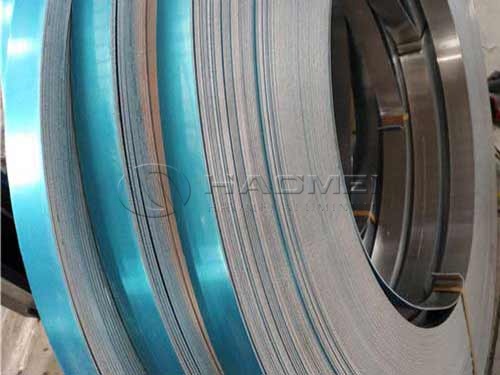
Processing and Handling Guidance
For the best conversion results, select thickness and temper according to the forming depth and equipment speed. Softer material should be protected from scratches and handled with clean gloves. Slit edges should be specified carefully for winding applications, while a degreased surface may be preferred before lamination, painting, or bonding.
Stored coils should remain dry, wrapped, and elevated from floor moisture. Condensation can cause water staining, especially when cold material is opened in warm, humid environments. With suitable alloy choice, temper control, precise slitting, and careful packaging, 1060, 1070, and 1350 aluminum foil strip provide efficient performance across electrical and industrial production lines.