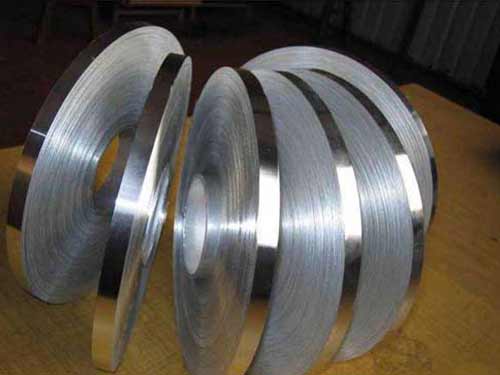
Aluminium Sheet Cover Strip
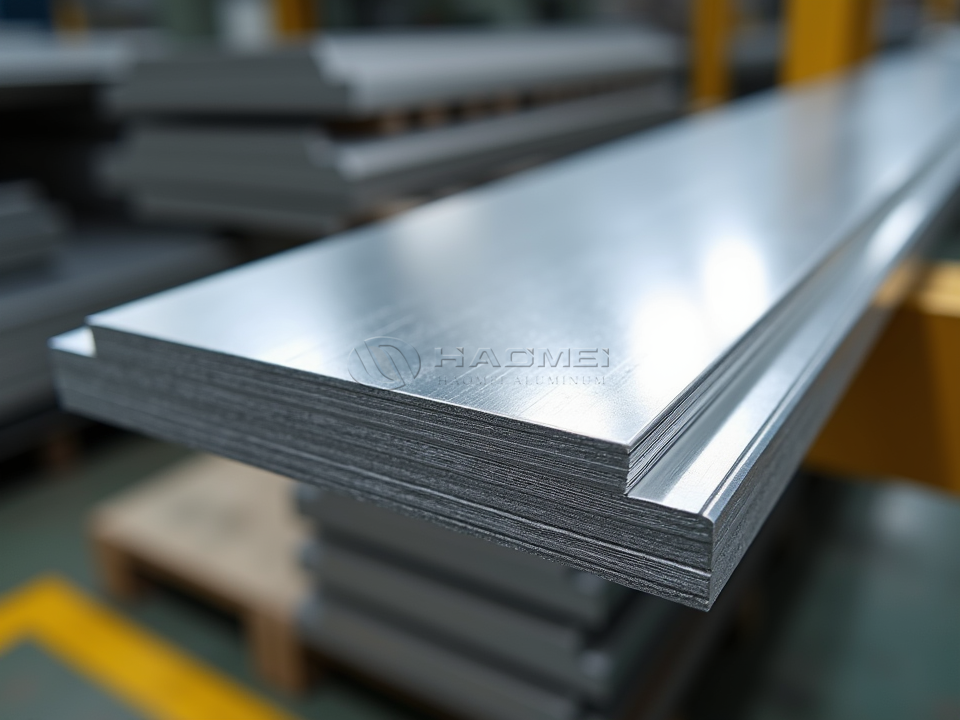
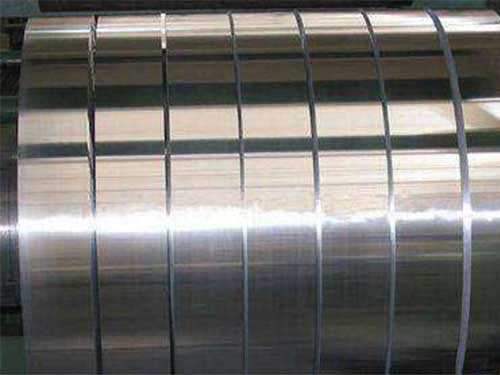
An aluminium sheet cover strip is a slim, flat or lightly formed metal strip used to cover gaps, protect exposed edges, bridge sheet joints, and create a clean finished line across panels. It is often seen in building interiors, vehicle bodies, trailer panels, signage, appliances, cabinets, and light industrial assemblies. The product looks simple, yet its value is practical: it hides uneven seams, reduces wear at panel edges, improves appearance, and adds a corrosion-resistant protective layer without adding much weight.
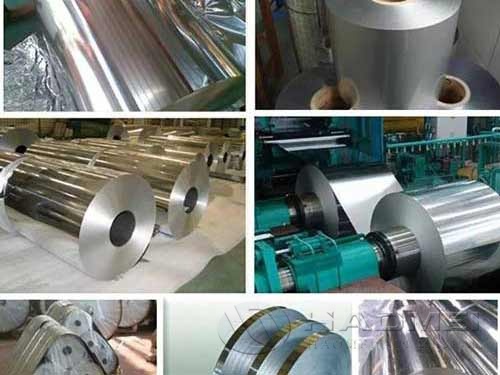
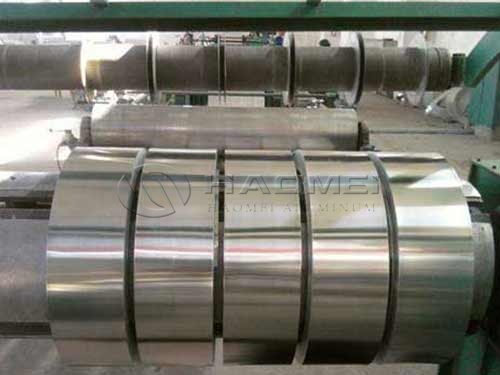
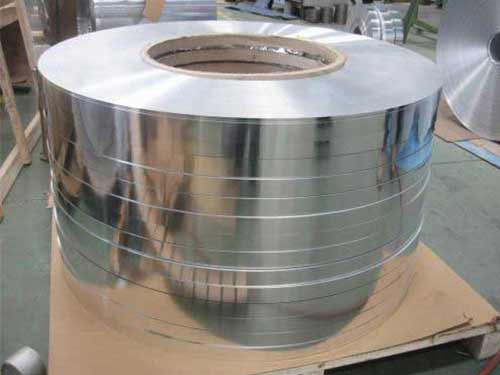
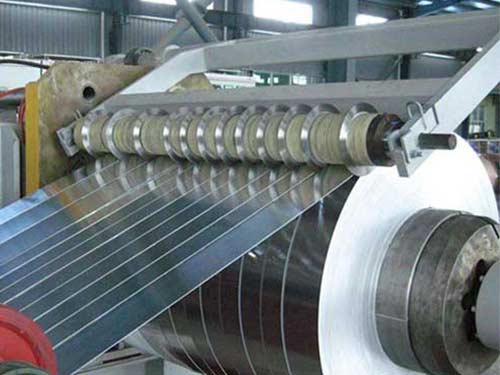
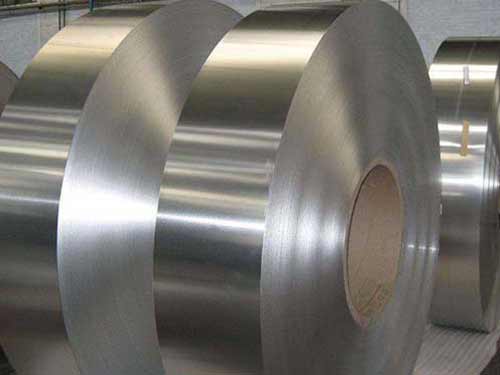
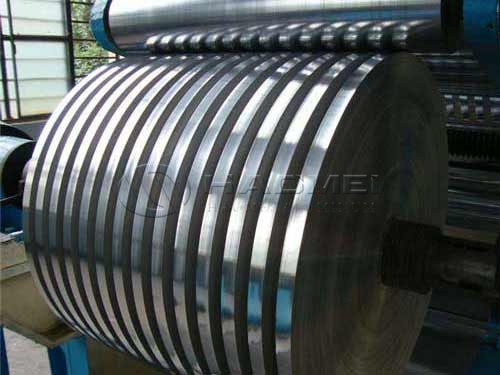
Unlike heavier steel trim, aluminium cover strip is easy to cut, drill, bend, rivet, screw, bond, or form into shallow profiles. It can be supplied in straight lengths, slit coil, or cut-to-size pieces, depending on installation speed and production method. For customers who need a neat finish with dependable service life, it is one of the most efficient sheet metal accessories.
Main Features Customers Notice First
Aluminium sheet cover strip combines a clean surface with a high strength-to-weight ratio. It is light enough for manual installation and strong enough for repeated handling, vibration, and outdoor exposure when the correct alloy and temper are selected.
| Feature | Customer Benefit | Typical Result |
|---|---|---|
| Low weight | Easier transport and installation | Reduced labour effort on panels and long joints |
| Natural corrosion resistance | Performs well in humid air and many outdoor settings | Longer service life with less maintenance |
| Smooth, bright surface | Improves visible finishing | Clean trim lines for decorative and functional use |
| Good formability | Can be bent, punched, drilled, or rolled | Flexible design for straight or shaped cover profiles |
| Recyclable material | Supports lower-waste projects | Suitable for modern sustainable fabrication |
| Stable dimensions | Helps maintain joint coverage | Better fit during assembly and after thermal movement |
The strip can be supplied with mill finish, brushed finish, anodised surface, painted coating, protective film, or custom colour coating. For visible decorative work, surface consistency is important. For hidden protective work, burr control, flatness, and dimensional accuracy are often more critical than brightness.
Common Alloy Options
Different installations require different aluminium grades. Soft, commercially pure grades are chosen for easy forming and bright appearance. Manganese and magnesium alloys bring better strength, dent resistance, or weathering performance.
| Alloy | Main Character | Suitable Cover Strip Use |
|---|---|---|
| 1050 / 1060 | Very good formability, high aluminium purity, clean surface | Interior trim, light-duty seam covers, decorative edging |
| 1100 | Soft, workable, corrosion resistant | General cover strips, appliance trim, cabinet finishing |
| 3003 | Better strength than pure aluminium, good corrosion resistance | Building panels, roof edge strips, trailer wall joints |
| 3105 | Good painted surface performance | Colour-coated trim, exterior cladding accessories |
| 5052 | Higher strength, excellent marine and weather resistance | Transport panels, outdoor covers, equipment enclosures |
| 5754 | Stronger non-heat-treatable alloy with good corrosion resistance | Heavy-duty exterior and vehicle applications |
For simple bending and decorative indoor covers, many customers choose 1050 / 1060 Aluminum Strip because it forms easily and provides a neat surface. For stronger panel joints and exterior building trim, 3003 Aluminum Strip is often selected because it balances formability, strength, and corrosion resistance.
Typical Chemical Composition Reference
Chemical composition affects strength, forming behaviour, corrosion resistance, and surface finishing. The values shown are general reference ranges and should be confirmed against the project standard or purchase specification.
| Alloy | Al | Si | Fe | Cu | Mn | Mg | Zn |
|---|---|---|---|---|---|---|---|
| 1060 | 99.60 min | 0.25 max | 0.35 max | 0.05 max | 0.03 max | 0.03 max | 0.05 max |
| 1100 | 99.00 min | Si+Fe 0.95 max | Si+Fe 0.95 max | 0.05-0.20 | 0.05 max | - | 0.10 max |
| 3003 | Balance | 0.60 max | 0.70 max | 0.05-0.20 | 1.00-1.50 | - | 0.10 max |
| 5052 | Balance | 0.25 max | 0.40 max | 0.10 max | 0.10 max | 2.20-2.80 | 0.10 max |
Pure aluminium grades are easier to form into tight shapes, while 3003 and 5052 provide more resistance to denting and deformation. Where the strip will be exposed to rain, salt air, cleaning chemicals, or frequent touch, surface treatment and alloy choice should be considered together.
Size, Temper, and Surface Choices
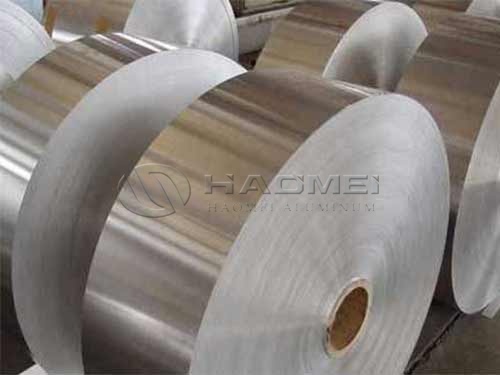
Aluminium sheet cover strip can be produced in many thicknesses and widths. Thin strips suit light decorative trim, while thicker strips are used where the cover also needs to resist impact or hold fasteners.
| Parameter | Common Range | Notes for Selection |
|---|---|---|
| Thickness | 0.3 mm-3.0 mm | Thicker material gives better rigidity and dent resistance |
| Width | 10 mm-300 mm | Narrow widths cover edges; wider widths cover panel seams |
| Length | Cut length or coil | Coil is efficient for continuous fabrication lines |
| Temper | O, H12, H14, H16, H18, H24 | Softer temper bends more easily; harder temper feels stiffer |
| Surface | Mill, brushed, anodised, coated, embossed | Chosen according to appearance, wear, and environment |
| Edge condition | Slit edge, deburred edge, rounded edge | Important for hand safety and visible trim quality |
For fastening, the strip may be pre-punched or supplied plain. Screw-fixed strips are convenient for maintenance access. Riveted strips suit permanent assemblies. Adhesive bonding gives a clean surface with no visible fastener heads, but it requires clean substrate preparation and compatible adhesive.
Where Aluminium Sheet Cover Strip Is Used
In construction, cover strip is used on wall panels, ceilings, roofing details, aluminium composite panels, partitions, stair nosing edges, and expansion joint covers. Its clean line helps conceal tolerances between panels while allowing the design to look intentional rather than patched.
In transport, it appears on truck bodies, trailers, caravans, buses, railway interiors, and service vehicles. It can cover the join between side panels, protect exposed sheet edges, and reduce the chance of water or dirt collecting in open seams. When vibration is present, correct fastening spacing and strip thickness become especially important.
In signage and display systems, aluminium cover strip frames the edge of printed panels, acrylic sheets, light boxes, and exhibition boards. The metal border gives a tidy finish and helps prevent chipping at corners during handling.
In appliances and light equipment, the strip works as a trim band, protective rail, lid edge, cabinet seam cover, or decorative face piece. It is easy to match with brushed stainless-style finishes, painted housings, or anodised aluminium parts.
In workshops and fabrication plants, cover strip is also used for repair work. It can bridge small gaps, reinforce worn sheet edges, and improve the appearance of refurbished panels without replacing an entire sheet.
Performance in Real Service
Good cover strip performance depends on more than alloy grade. Flatness, edge quality, surface protection, and installation method all affect the final result. A strip that is too soft may show dents in busy areas. A strip that is too hard may crack during sharp bending. A strip that is too narrow may fail to cover thermal movement or panel tolerance.
For outdoor use, drainage should be considered. Cover strips should not trap water behind them, especially on horizontal or inclined surfaces. If sealant is used, it should remain flexible and compatible with aluminium. In coastal or chemical environments, anodising, powder coating, or a marine-grade alloy can improve durability.
How to Choose the Right Cover Strip
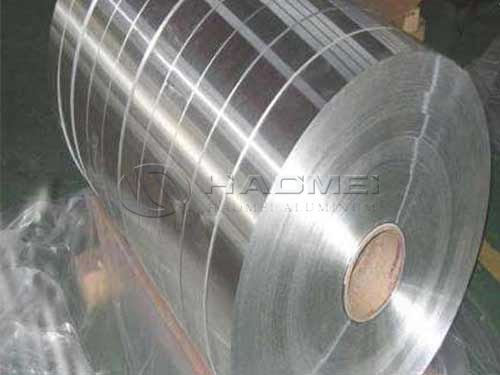
Customers can make a faster decision by thinking about appearance, load, environment, and installation method. For a light indoor decorative seam, a thin 1060 or 1100 strip in mill or brushed finish may be enough. For exterior cladding, a 3003 or 3105 coated strip is usually more dependable. For vehicle panels or harsh weather, 5052 offers higher strength and corrosion resistance.
It is also worth checking the contact materials. Aluminium should be isolated from strongly dissimilar metals in wet environments to reduce galvanic corrosion. Plastic washers, sealant, coating, or proper drainage can help protect the joint.
Packaging and Delivery Notes
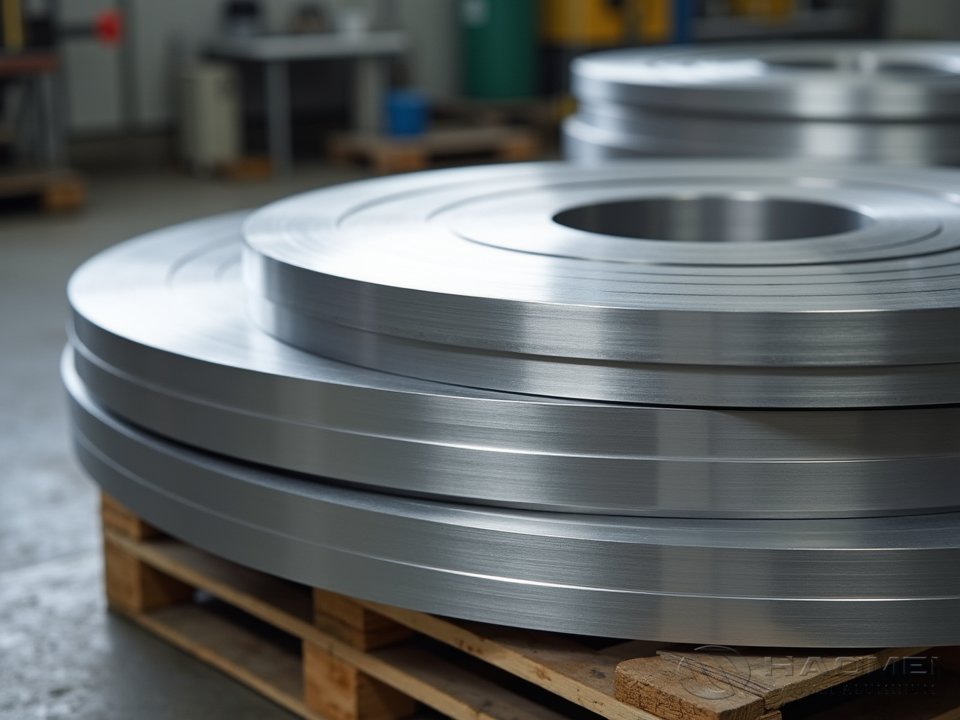
To preserve surface quality, aluminium sheet cover strip is commonly packed with interleaving paper, protective film, moisture-resistant wrapping, wooden pallets, or coil eye protection. Visible trim products should be handled with gloves and stored in a dry, clean area before installation.
A well-specified aluminium sheet cover strip improves both function and appearance. It protects edges, covers seams, supports clean assembly, and adapts easily to architectural, transport, signage, appliance, and industrial uses. With the right alloy, temper, surface, and edge finish, it becomes a small component that makes the whole panel system look sharper and last longer.