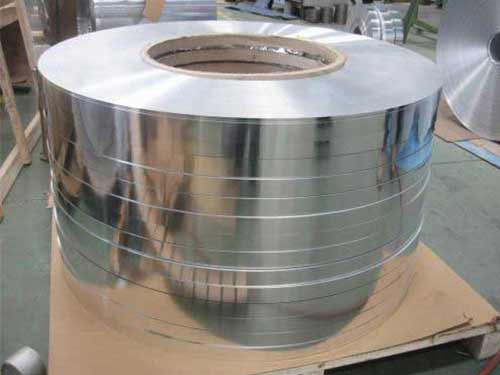
3003 1 5 Zn Zr Aluminum Fin Strip for Radiators
A radiator fin looks simple: a folded silver ribbon sitting between tubes. In service, however, that ribbon works like a thermal nerve system. It must accept heat quickly, spread it through a wide surface area, survive vibration, resist road salt, and keep its shape after forming and brazing. This is where 3003 1.5 Zn Zr aluminum fin strip for radiators becomes valuable.
The name often used by radiator manufacturers, 3003 1.5 Zn Zr, refers to a 3003-type Al-Mn fin stock adjusted with zinc and zirconium. Standard 3003 is known for formability and corrosion resistance, while about 1.5% Zn is commonly used to create a sacrificial corrosion effect. Zr helps refine grain structure and stabilize strength during heat exposure. In practical terms, the fin is designed to age gracefully inside a radiator rather than simply pass a room-temperature test.
Why Radiator Fins Need More Than Conductivity
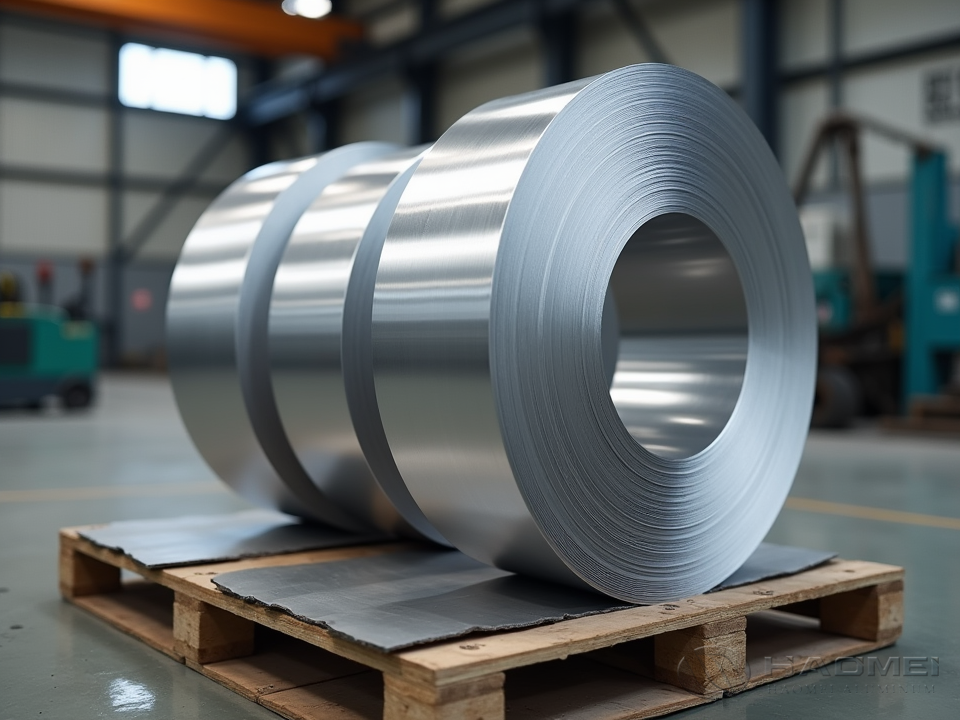
Pure aluminum conducts heat very well, but radiator fins are not judged by conductivity alone. A fin strip must be rolled extremely thin, slit cleanly, corrugated without tearing, and brazed without collapse. If the alloy is too soft, the fin may deform during assembly. If it is too hard, fin dies wear faster and edge cracking increases. If corrosion potential is not controlled, the fin may fail before the tube.
3003 modified with Zn and Zr gives a balanced answer. Manganese provides strength without making the strip brittle. Zinc makes the fin more anodic than nearby tube material, helping it corrode preferentially and protect the pressure-carrying parts. Zirconium forms fine dispersoids that reduce grain coarsening during thermal cycles. For buyers comparing standard 3003 Aluminum Strip with radiator-grade fin stock, this small chemical adjustment can make a large difference in service life.
Typical Product Parameters
The exact specification depends on radiator design, fin pitch, brazing route, and corrosion test target. The following ranges are commonly requested for automotive, agricultural, generator, and industrial radiator fin production.
| Item | Typical Range or Condition |
|---|---|
| Alloy type | 3003-type Al-Mn with Zn and Zr modification |
| Common designation | 3003 1.5 Zn Zr aluminum fin strip |
| Thickness | 0.05 mm to 0.20 mm, with tighter ranges by agreement |
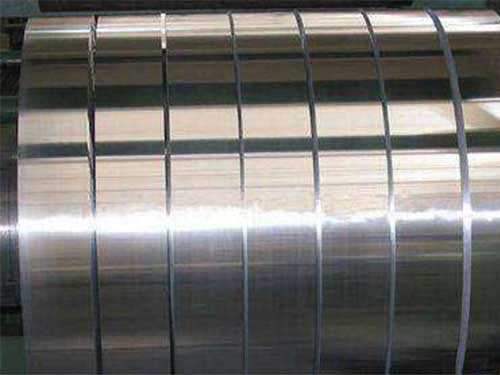
| Width | 16 mm to 1200 mm after slitting |
| Coil ID | 150 mm, 300 mm, 405 mm, 500 mm, or custom |
| Surface | Mill finish, clean, dry, low oil, no black spot, no serious scratch |
| Edge | Slit edge, burr controlled for high-speed fin forming |
| Camber | Controlled according to strip width and customer line speed |
| Application | Radiator fins, heater cores, intercooler fins, heat exchanger fins |
| Brazing suitability | Suitable for controlled atmosphere brazing when surface and temper are specified |
The most important buying detail is not only thickness tolerance but consistency through the coil. A fin mill can usually adjust to one stable material condition, but it struggles with sudden changes in hardness, burr, camber, or surface oil. Good fin strip should run quietly through the fin press.
Chemical Composition and Modified 3003 Logic
Because the Zn and Zr version may fall outside ordinary AA3003 limits, it is usually supplied by agreed technical condition. The table shows a practical composition window often used for radiator fin stock. Final values should follow the purchase specification, local standard, and corrosion performance requirements.
| Element | Typical Mass Fraction % | Function in Radiator Fin Strip |
|---|---|---|
| Si | 0.20 to 0.60 | Affects brazing behavior and strength |
| Fe | 0.30 to 0.70 | Controlled impurity; excess may reduce ductility |
| Cu | 0.05 to 0.20 | Adds strength, controlled for corrosion balance |
| Mn | 1.00 to 1.50 | Main strengthening element of 3003-type alloy |
| Mg | 0.05 max | Usually kept low for brazing and corrosion control |
| Zn | 1.20 to 1.80 | Provides sacrificial corrosion behavior |
| Zr | 0.05 to 0.20 | Grain refinement and thermal stability |
| Ti | 0.10 max | Grain refining support when required |
| Others, each | 0.05 max | Controlled residuals |
| Others, total | 0.15 max | Controlled residuals |
| Al | Remainder | Heat transfer base metal |
Zinc is the element customers notice first, but zirconium is the quiet stabilizer. During brazing or long thermal exposure, Zr-containing dispersoids help hold the microstructure. This is helpful for thin fins because the strip has very little thickness to spare. Once a fin loses shape, air-side heat transfer falls quickly.
Tempering Conditions and Mechanical Behavior
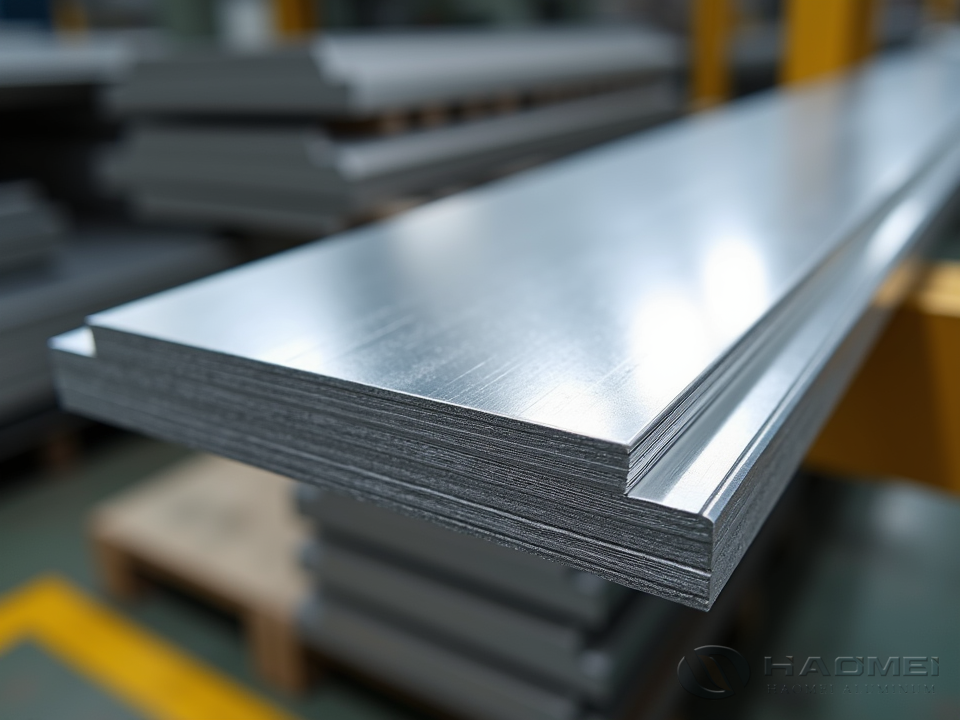
Radiator fin strip is commonly ordered in O, H14, H16, or H18 temper. The choice depends on fin height, fin pitch, forming speed, and whether the assembly will pass through brazing.
| Temper | Typical Tensile Strength MPa | Typical Yield Strength MPa | Typical Elongation | Use Character |
|---|---|---|---|---|
| O | 95 to 130 | 35 to 55 | 18% to 25% | Maximum ductility for demanding forming |
| H14 | 145 to 185 | 120 to 155 | 3% to 8% | Good balance for common radiator fins |
| H16 | 165 to 205 | 145 to 175 | 2% to 6% | Higher fin rigidity and line stability |
| H18 | 185 to 230 | 170 to 210 | 1% to 4% | Stiffer fins, used when design allows lower elongation |
These values are typical, not a universal guarantee. Thin-gauge testing can vary with sample preparation and measurement method. For export supply, mechanical properties should be confirmed according to the agreed standard and test direction.
Implementation Standards and Test References
3003 1.5 Zn Zr aluminum fin strip is often produced under a combination of international standards and customer drawings. Standard 3003 references may include ASTM B209/B209M, EN 485, EN 573, GB/T 3190, GB/T 3880, and JIS H4000. Since Zn and Zr modification changes the chemistry, the supply contract should clearly state whether the material is ordered as standard 3003, 3003 modified, or a customer-specific radiator fin alloy.
Common inspection items include chemical composition, tensile strength, yield strength, elongation, thickness tolerance, width tolerance, surface quality, edge burr, coil inner diameter, coil weight, and packaging condition. For heat exchanger plants, additional checks may include fin forming trial, sag resistance after heating, brazing discoloration, and salt spray or SWAAT corrosion testing.
Within a broader Alloy Aluminum Strip procurement plan, radiator fin material should be treated as a performance strip rather than a simple commodity coil.
Surface, Slitting, and Packaging Matter
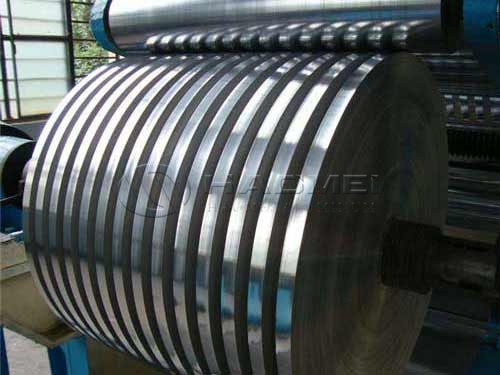
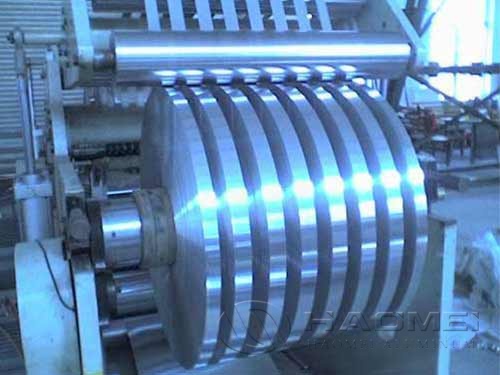
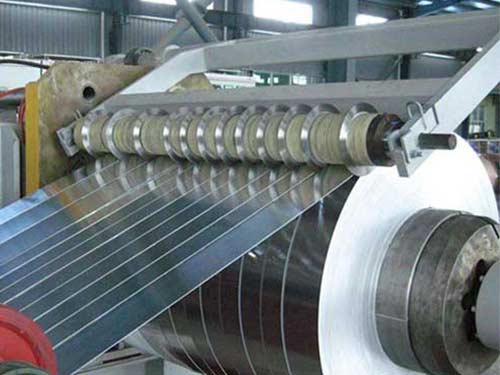
The strip surface should be clean enough for brazing and stable enough for high-speed forming. Heavy rolling oil, water stains, oxide patches, black spots, and uneven edge burrs can interrupt production. Even when chemistry is correct, poor coil handling may create telescoping, edge wave, or scratches that later appear as fin fractures.
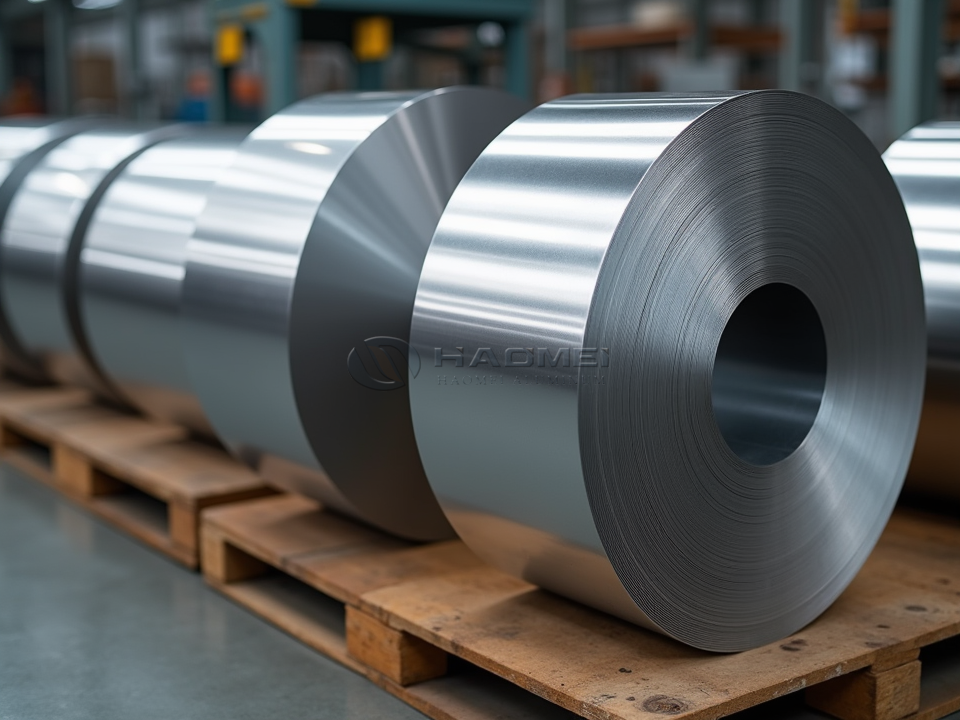
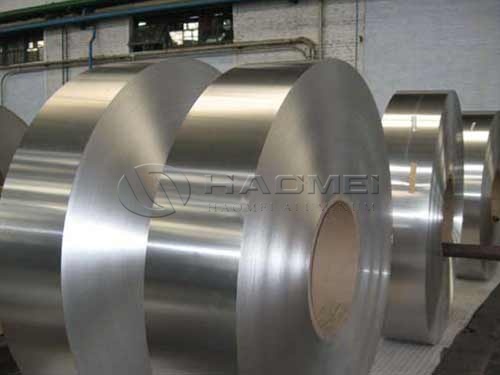
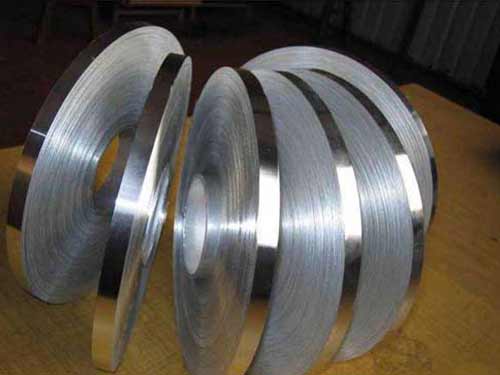
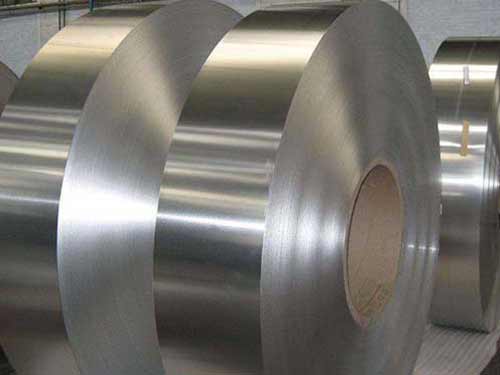
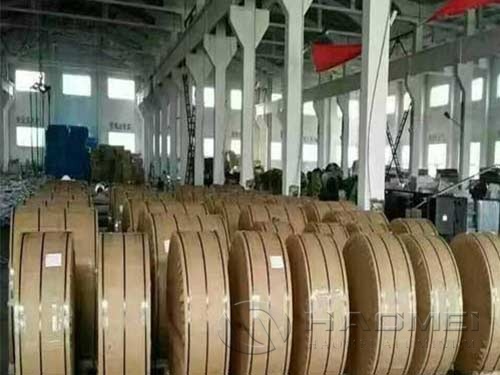
For export delivery, coils are usually packed with moisture-proof paper or film, plastic protection, hardboard, steel or wooden pallets, and secure strapping. The aim is simple: the coil should arrive with the same geometry it had after slitting.
A Buyer-Friendly Way to Specify This Material
When requesting a quotation, it is helpful to provide alloy condition, Zn and Zr target, thickness, width, temper, coil ID, coil weight, surface oil requirement, edge burr limit, intended radiator type, and brazing condition. If a corrosion target is required, mention the test method and acceptance level. If the fin die is already fixed, share fin height and pitch so the supplier can recommend a suitable temper.
3003 1.5 Zn Zr aluminum fin strip for radiators is not just a thin aluminum coil. It is a controlled combination of chemistry, temper, surface, and slitting accuracy. When these factors work together, the fin forms cleanly, brazes steadily, transfers heat efficiently, and helps protect the radiator core through long service.