Fire Rated Aluminium Strip Panel Sheet
Fire rated aluminium strip panel sheet is not simply decorative metal cladding. It is the protective outer skin that helps an engineered panel system retain stability, limit flame spread, resist heat exposure, and maintain a clean architectural finish. Used in facades, ceilings, partitions, tunnel linings, transport interiors, and equipment enclosures, aluminium strip provides the formable, corrosion-resistant surface needed for modern fire-conscious construction.
The most important point is that aluminium itself is non-combustible, but a finished panel's fire rating depends on the full construction. The aluminium strip, mineral core, adhesive layer, insulation, fastening method, cavity design, and substrate must be assessed as a system. A premium aluminium face sheet cannot independently make a panel fire rated if the core or installation design permits rapid flame spread.
How Aluminium Strip Works in a Fire Rated Panel
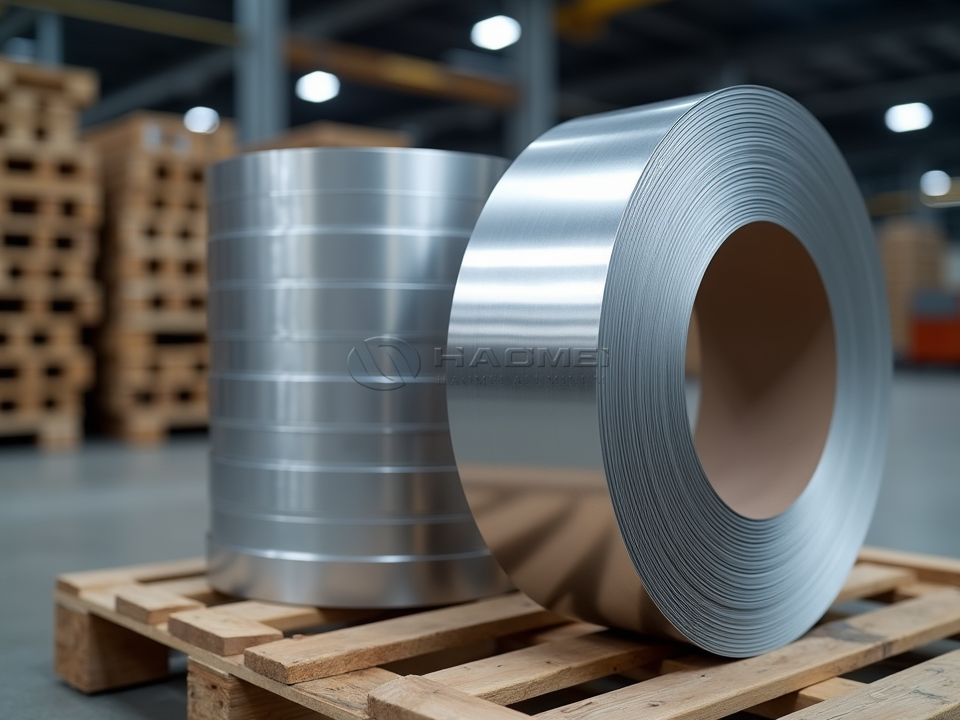
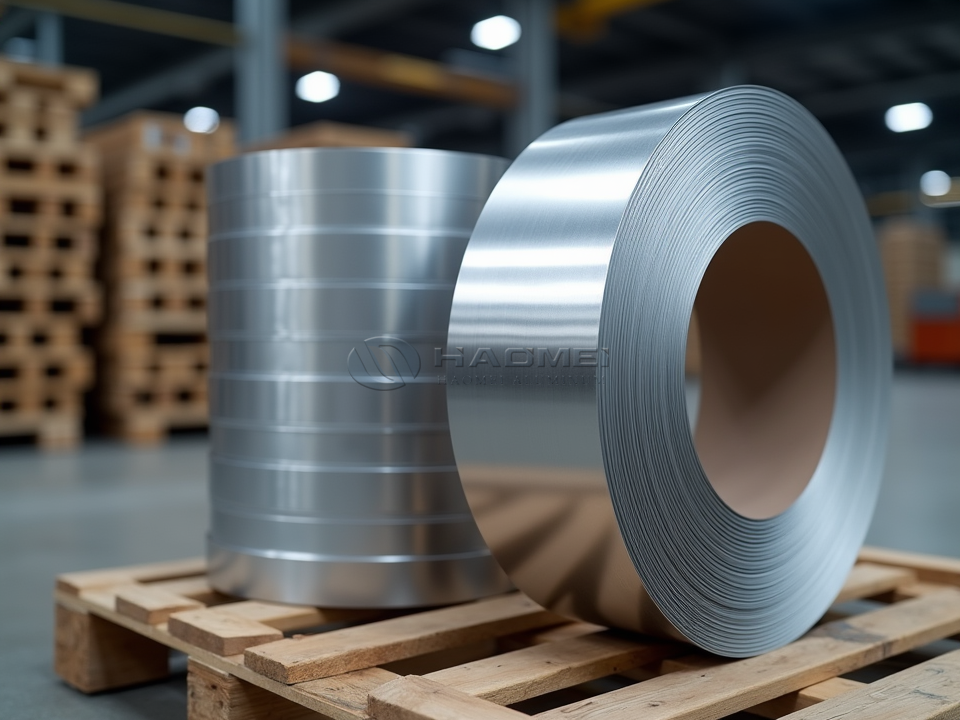
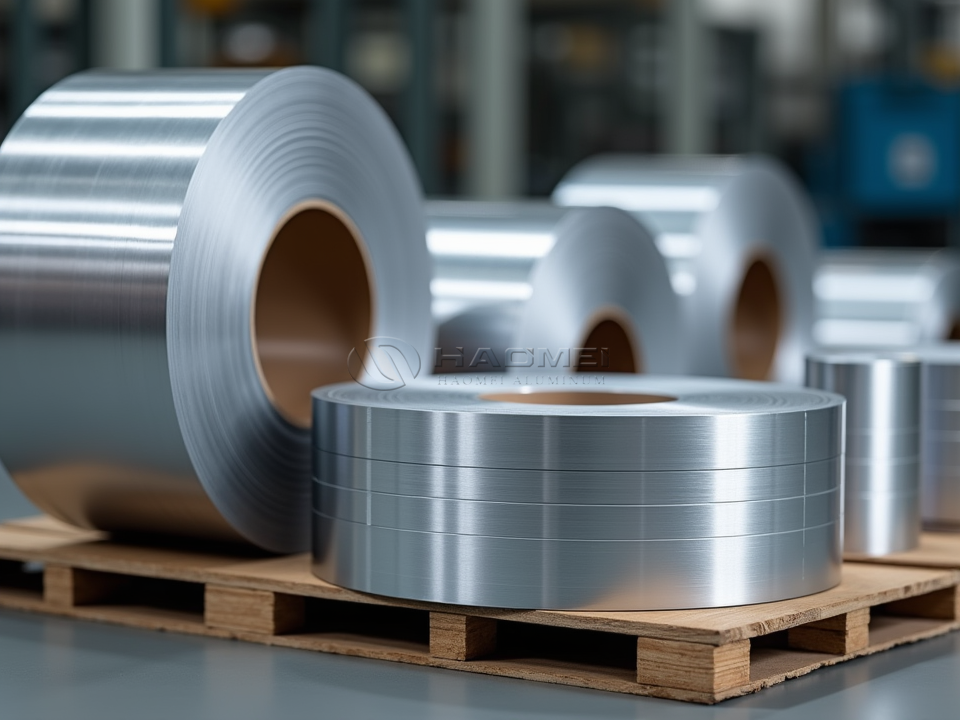
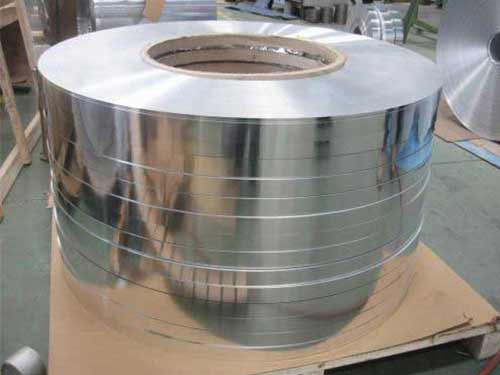
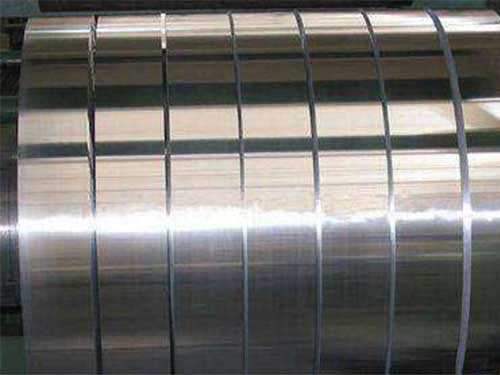
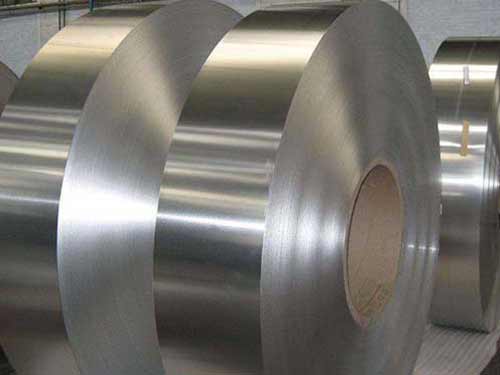
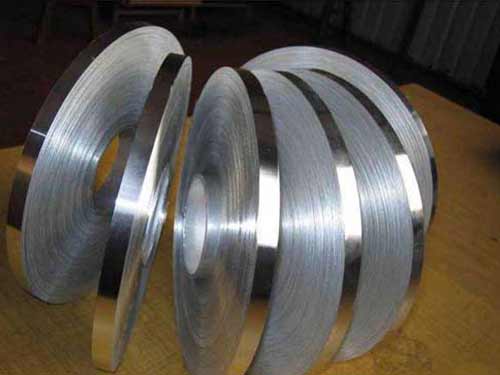
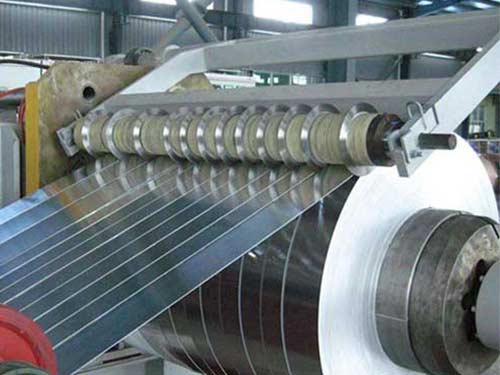
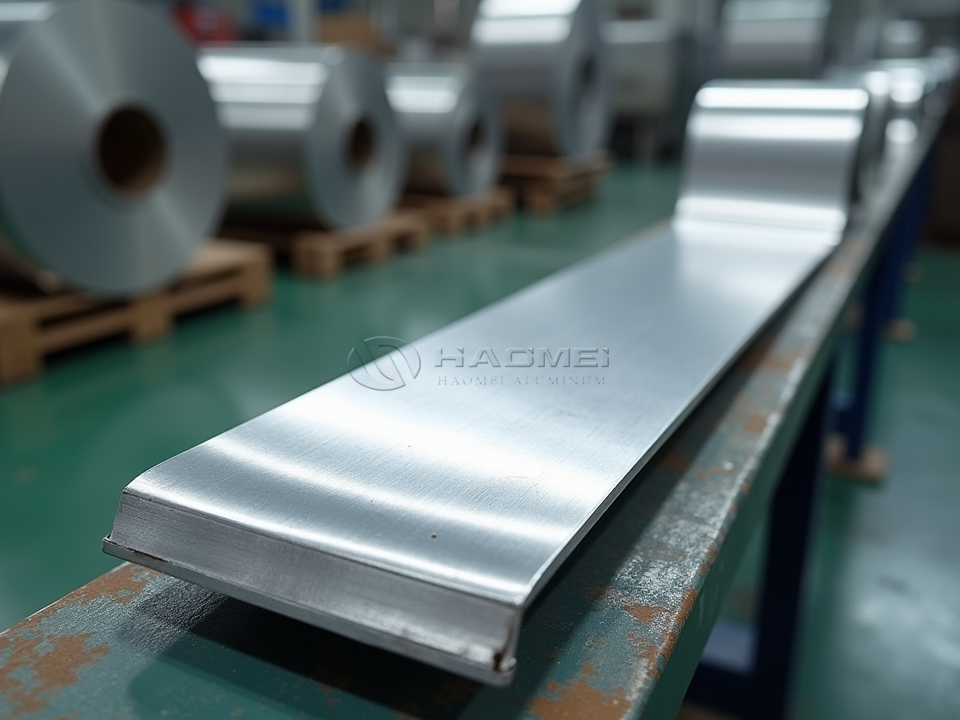
In a composite or cassette panel, aluminium strip is usually coil-coated, slit to width, and laminated or mechanically assembled with a non-combustible or limited-combustibility core. The strip serves several practical functions at once.
It creates a durable barrier against weather, humidity, impact, and airborne pollutants. Its smooth surface accepts PVDF, FEVE, polyester, powder coating, anodizing, or protective film, allowing the panel to retain color and appearance in exposed architectural environments. Because aluminium has low density, the panel remains significantly lighter than steel-based alternatives, reducing loads on supporting frames and simplifying installation.
During a fire event, the aluminium skin does not act as fuel. It reflects part of the radiant heat and shields the core from direct exposure during the early stages of fire. Aluminium will lose mechanical strength as temperatures rise and melts at approximately 660°C, so it should not be confused with a structural fire barrier. Its value lies in being part of a correctly engineered panel assembly that uses mineral-filled, A2-grade, or non-combustible cores and appropriate fire stops.
Fire Performance Is an Assembly Property
Fire rated aluminium strip panel sheet is often specified for high-rise buildings, airports, hospitals, schools, metro stations, commercial centers, clean rooms, and industrial facilities. Yet the phrase "fire rated" should always be supported by test documents for the exact panel construction.
For European projects, EN 13501-1 classifies reaction-to-fire performance. Systems may be classified as A1, A2-s1,d0, B-s1,d0, and other combinations. The letter rating addresses combustibility contribution, while "s" identifies smoke production and "d" identifies flaming droplets or particles. A2-s1,d0 is frequently requested for high-performance architectural panel systems because it indicates very limited contribution to fire, minimal smoke development, and no flaming droplets under test conditions.
For North American specifications, ASTM E84 evaluates surface burning characteristics, while NFPA 285 may be required for wall assemblies containing combustible materials. ASTM B209 is commonly referenced for aluminium sheet and strip material requirements. EN 485, EN 573, EN 1396, and EN 14782 are also relevant depending on whether the strip is supplied as bare rolled material, prepainted coil, or self-supporting metal sheet for construction.
The correct technical question is not "Is the aluminium strip fireproof?" Instead, buyers should ask whether the complete installed panel system has passed the standard required by the building code and project specification.
Typical Material Parameters
Fire rated panel face sheets are usually produced from 1xxx, 3xxx, or 5xxx series aluminium alloys. Alloy selection affects bending performance, coating adhesion, corrosion resistance, panel flatness, and final fabrication behavior.
| Parameter | Common Range or Option | Practical Effect |
|---|---|---|
| Aluminium strip thickness | 0.30-1.20 mm | Thicker skins improve stiffness and dent resistance |
| Common panel skin thickness | 0.40-0.70 mm | Suitable for facade and interior composite panels |
| Strip width | 20-1,600 mm | Slit width is matched to panel production lines |
| Coil inner diameter | 405 mm or 505 mm | Selected for decoiling equipment compatibility |
| Coil weight | 1-8 tonnes | Depends on line capacity and transport limits |
| Temper | H14, H16, H18, H24, H26, H32, H34 | Balances strength, flatness, and forming ability |
| Surface finish | Mill finish, coated, anodized, brushed | Supports aesthetics and environmental resistance |
| Coating thickness | 18-35 μm typical | Provides color retention and weather protection |
| Flatness requirement | Project-specific | Important for broad facade panels and cassette fabrication |
For sharply folded cassette panels, H24 or H26 tempers are often preferred because they provide controlled hardness while preserving bendability. H14 and H16 are suitable when deeper forming is required. H18 material has greater hardness but reduced forming tolerance, making it more suitable for flatter profiles or applications with limited bending.
Alloy Selection for Panel Skins
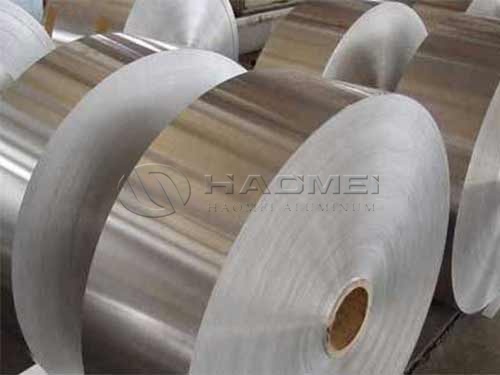
AA 3003 is widely used for coated panel skins because manganese improves strength compared with commercially pure aluminium while preserving good formability and corrosion resistance. Projects requiring this balance can source 3003 Aluminum Strip for coated cladding and panel fabrication.
AA 3105 is another practical choice for architectural coil coating. Its strength and coating compatibility make it suitable for ceiling panels, corrugated sheets, façade cassettes, and insulated wall panels. AA 5052 offers improved resistance in humid, coastal, or industrial atmospheres due to its magnesium content. For demanding external environments, 5052 Aluminum Strip can provide an effective skin material where corrosion resistance is prioritized.
| Alloy | Si | Fe | Cu | Mn | Mg | Zn | Al |
|---|---|---|---|---|---|---|---|
| 1050 | ≤0.25 | ≤0.40 | ≤0.05 | ≤0.05 | ≤0.05 | ≤0.05 | Balance |
| 3003 | ≤0.60 | ≤0.70 | 0.05-0.20 | 1.0-1.5 | ≤0.05 | ≤0.10 | Balance |
| 3105 | ≤0.60 | ≤0.70 | ≤0.30 | 0.30-0.80 | 0.20-0.80 | ≤0.40 | Balance |
| 5052 | ≤0.25 | ≤0.40 | ≤0.10 | ≤0.10 | 2.2-2.8 | ≤0.10 | Balance |
Chemical composition values are expressed as mass percentages and should be verified against the purchase standard, mill certificate, and project tolerance requirements.
Processing Details That Influence Fire Rated Panel Quality
Panel performance begins before lamination. Aluminium strip should have stable thickness, controlled camber, clean edges, low oil residue, and consistent surface tension for reliable coating or adhesive bonding. Poor slit edges may create stress concentrations during folding. Uneven coil tension can cause waviness, oil canning, or visible distortion after panel fabrication.
Prepainted aluminium often uses a conversion coating and primer before the final color coat. PVDF systems are preferred for exterior facades with strong UV exposure, while polyester coatings can be economical for interior panels and protected applications. Coating selection affects weathering rather than fire classification, but a stable finish prevents premature degradation that could expose the panel surface to moisture and contaminants.
For fire-rated composite panels, mineral-filled cores need consistent bonding across the full panel width. Delamination, gaps, inconsistent adhesive application, or exposed panel edges can weaken both durability and fire behavior. Perimeter closures, fire barriers, mechanical fixing layouts, and ventilation cavity design should follow the tested system details.
Where Fire Rated Aluminium Strip Panel Sheet Delivers Value
Exterior curtain walls and rainscreen facades benefit from aluminium's light weight, color flexibility, and resistance to rain, frost, and UV exposure. Interior wall linings, elevator lobbies, hospital corridors, and airport terminals use coated aluminium panel sheet for hygienic, easy-clean surfaces with controlled fire performance. Ceiling systems use narrow aluminium strip because it offers straightness, low maintenance, and fast installation. Rail vehicles, marine interiors, machinery rooms, and energy facilities also use fire-conscious aluminium panels where low mass and corrosion resistance matter.
Selecting fire rated aluminium strip panel sheet means matching alloy, temper, thickness, coating, core type, and installation method to the actual service environment. When these elements work together, aluminium strip becomes more than a decorative face layer. It becomes a dependable part of a safer, cleaner, longer-lasting building envelope.