Aluminum Strip Sheet for Heating
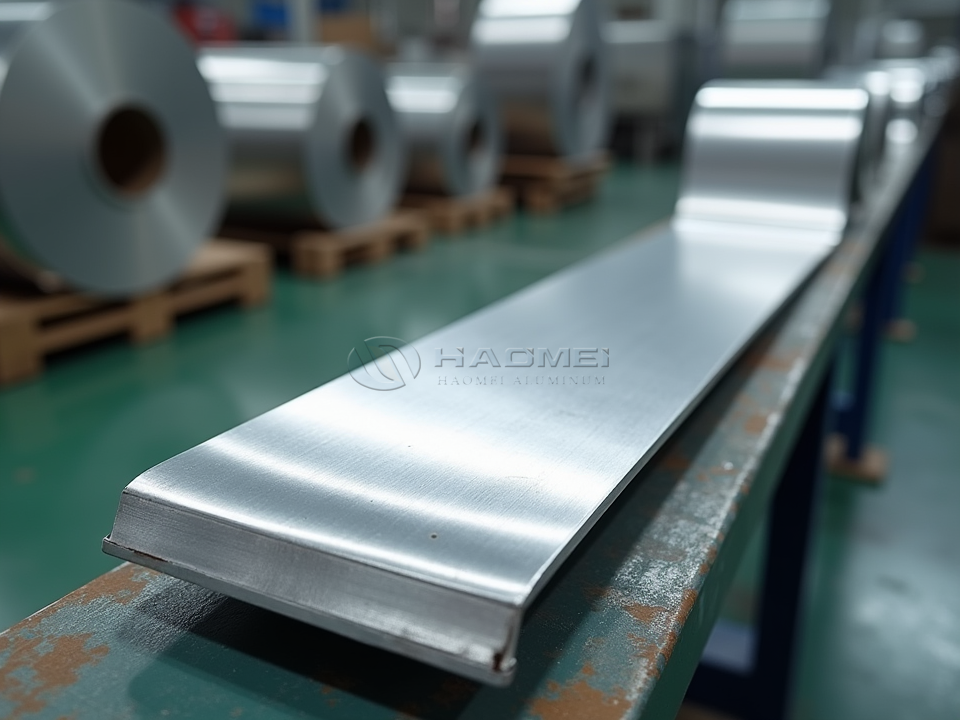
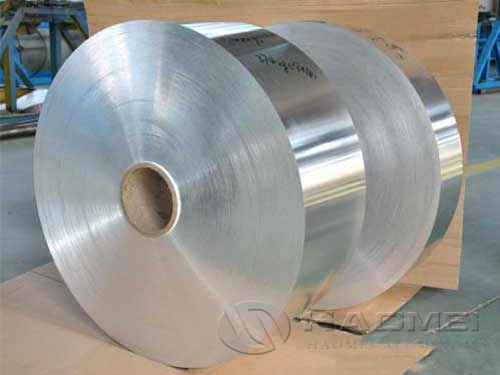
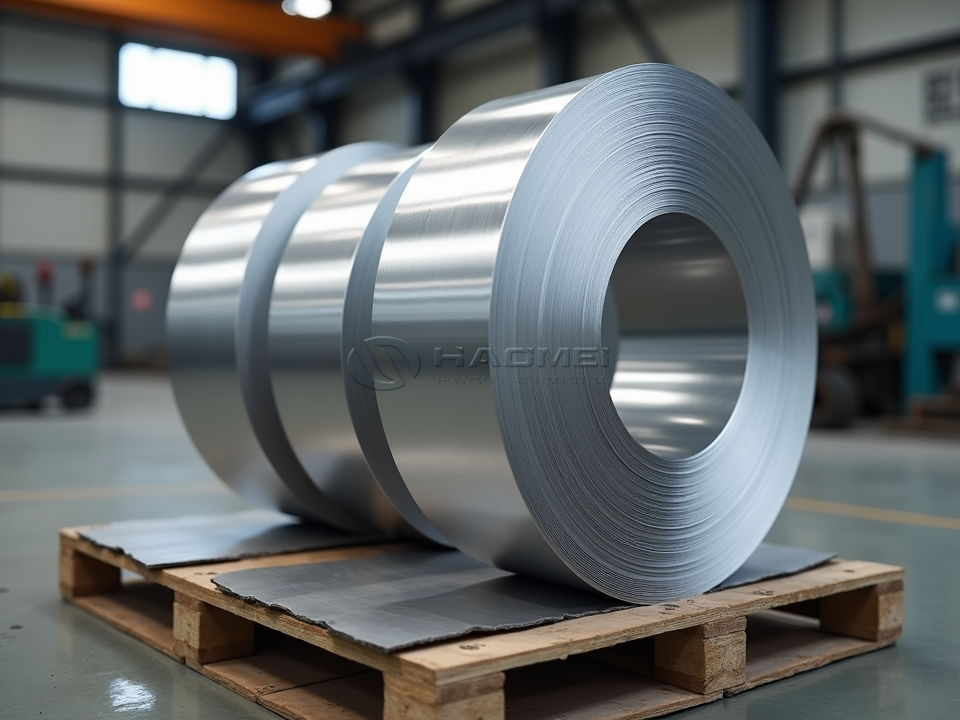
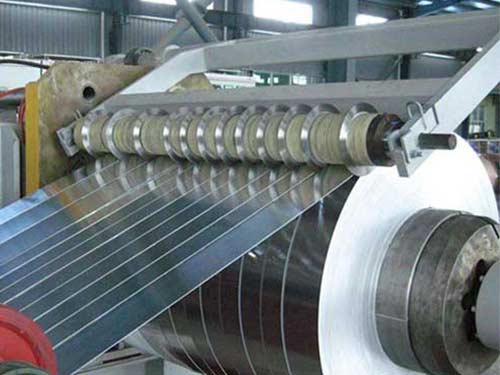
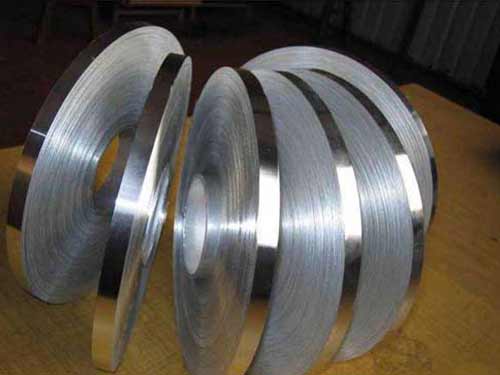
Aluminum strip sheet for heating is a lightweight, highly conductive metal material used to spread, transfer, retain, or shield heat in electric and thermal equipment. Produced in coil or cut-sheet form, it can be stamped, bent, embossed, bonded, laminated, or formed into heat-spreading components. Its combination of rapid thermal response, low density, corrosion resistance, and easy fabrication makes it a practical choice for heating assemblies across domestic appliances, automotive systems, industrial equipment, and electronics.
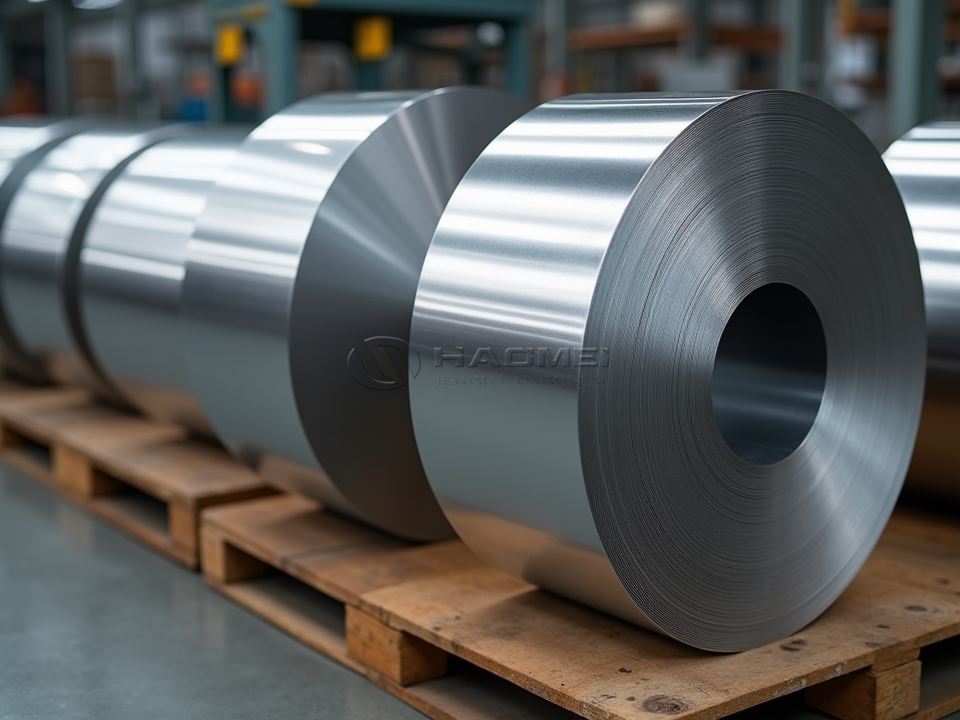
Aluminum is not generally used as the resistive conductor in conventional high-temperature heating elements, because its electrical resistance is low compared with nichrome or FeCrAl wire. Instead, aluminum strip sheet performs an essential thermal-management role around the heating source. It distributes heat from resistance wire, PTC ceramic, heating film, or heating cartridges to the working surface. This helps reduce localized hot spots, improve temperature uniformity, and shorten warm-up time.
Thermal Performance and Material Features
The most valuable property of aluminum strip in heating equipment is thermal conductivity. Pure aluminum grades can conduct heat several times faster than common stainless steels. When attached closely to a heater, the strip acts as a thermal bridge, carrying energy across a broader surface with minimal delay.
Its low density, approximately 2.70 g/cm³, is equally beneficial where equipment weight matters. Heating panels, battery warming plates, portable appliances, and HVAC components can remain light without sacrificing heat-spreading capacity. Aluminum also develops a natural oxide film that protects the surface under ordinary atmospheric conditions.
Important advantages include:
- Fast heat diffusion for more even surface temperature
- Low weight for portable and vehicle-mounted thermal assemblies
- Excellent formability for channels, fins, trays, covers, and stamped brackets
- Good compatibility with adhesive films, insulating layers, thermal pads, and mechanical fasteners
- Reflective surface options for radiant heat control
- Recyclable material with strong value in circular manufacturing
Surface finish affects the final heating behavior. Bright rolled aluminum provides good reflectivity, while matte, embossed, anodized, coated, or painted surfaces may be selected for improved bonding, appearance, emissivity, or corrosion protection. For direct-contact electrical heating structures, an insulating coating or dielectric layer is normally required to separate aluminum from live electrical conductors.
Common Alloy Choices
Alloy selection depends on conductivity, forming complexity, operating environment, and required strength. The 1xxx series is preferred when heat transfer is the main concern. The 3xxx series offers higher strength and good corrosion resistance for formed components, while selected 5xxx grades are useful in humid or more demanding environments.
| Alloy Grade | Main Characteristics | Typical Heating Use |
|---|---|---|
| 1050 | Very high aluminum content, excellent conductivity, soft and formable | Heat spreaders, foil heaters, reflective thermal parts |
| 1060 | High conductivity, smooth surface quality, easy stamping | Heating plates, appliance liners, thermal contact strips |
| 1100 | Good corrosion resistance and fabrication behavior | Heat shields, formed covers, general heat-transfer parts |
| 3003 | Manganese-containing alloy with improved strength | Heating ducts, fins, stamped housings, industrial equipment |
| 3004 | Higher strength than 3003 with good workability | Reinforced heating trays and formed structural panels |
| 5052 | Strong corrosion resistance and moderate strength | Moisture-exposed heater cases and automotive thermal parts |
| 8011 | Good processing performance for thinner-gauge products | Laminated heating foil and protective layers |
For applications demanding rapid heat movement, 1050 / 1060 Aluminum Strip is often the preferred material family. Where the part requires deeper forming, better dent resistance, or a more robust stamped profile, 3003 Aluminum Strip provides a balanced alternative.
Typical Technical Specification Range
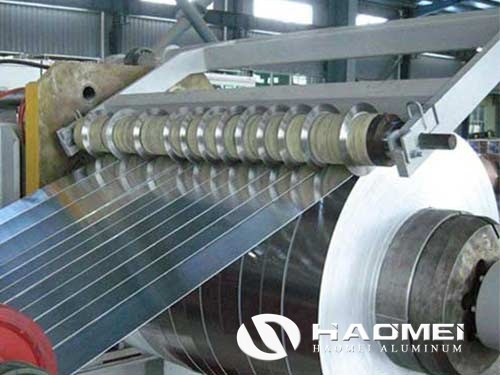
Aluminum strip sheet can be supplied to match heating equipment geometry, forming route, and assembly method. Tighter thickness and width tolerances are especially valuable where material must fit narrow grooves, laminated heater structures, or automated stamping lines.
| Parameter | Common Range or Option |
|---|---|
| Alloy | 1050, 1060, 1100, 3003, 3004, 5052, 8011 |
| Temper | O, H14, H16, H18, H22, H24 |
| Thickness | 0.10 mm to 6.00 mm |
| Width | 10 mm to 1,600 mm |
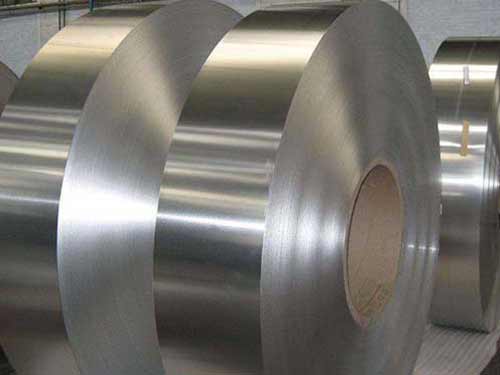
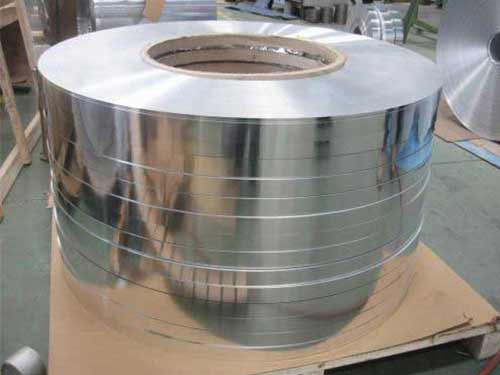
| Coil inner diameter | 150 mm, 300 mm, 400 mm, 500 mm, or customized |
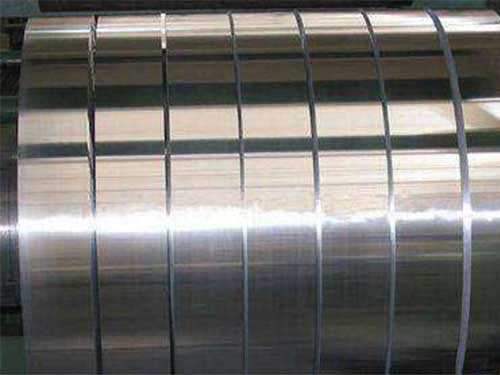
| Surface | Mill finish, bright, brushed, embossed, coated, anodized |
| Edge condition | Slit edge, deburred edge, rounded edge, trimmed edge |
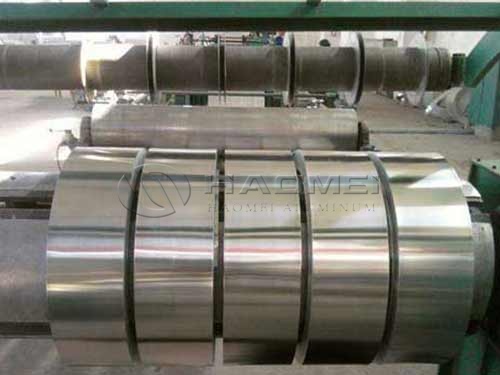
| Supply form | Coil, narrow slit coil, sheet, blank, stamped part |
The selected temper should match the processing route. O temper is suitable for deep bending and complex shapes. H14 or H24 tempers provide more rigidity while maintaining practical formability. Harder tempers can be useful for flat heat shields or narrow strips that must retain shape, although bend radii must be controlled to avoid cracking.
Applications in Heating Equipment
Aluminum strip sheet is widely used wherever heat must move evenly from a localized source to a larger area. In electric floor warming systems, thin aluminum layers distribute energy from heating cables or carbon heating films, helping prevent concentrated temperature bands. In wall panels and ceiling heaters, aluminum sheets serve as conductive backing plates that create a more consistent radiant surface.
Domestic appliances use aluminum in heating bases, warming trays, rice cooker components, coffee-machine thermal plates, bread-making equipment, and heat-reflective liners. Its fast response supports efficient cycling of thermostatic controls. For ovens and cooking equipment, aluminum can be applied as a reflector, diffusion layer, or structural panel, depending on the service temperature and insulation design.
In PTC heaters, aluminum strip or plate is often combined with ceramic heating elements and corrugated fins. The aluminum structure rapidly transfers heat into moving air, making it suitable for fan heaters, automobile cabin heaters, battery conditioning units, and compact air-warming devices. Good contact pressure and clean mating surfaces are important because air gaps can sharply reduce thermal transfer.
Automotive and new-energy systems also benefit from aluminum heat-spreading parts. Battery warming plates, seat-heating supports, mirror defrosting assemblies, sensor heaters, and cabin climate modules may use thin aluminum strip sheet to balance heat distribution while limiting mass. In battery thermal management, material thickness and bonding design must be coordinated carefully so heat is distributed efficiently without creating excessive thermal inertia.
Industrial uses include drum heaters, pipe-tracing jackets, plastic processing equipment, drying modules, packaging machinery, laboratory heating platforms, and temperature-controlled enclosures. Aluminum strip can be perforated or embossed to improve mechanical engagement with insulation, adhesives, or molded compounds.
Design and Processing Considerations
Heat-transfer efficiency depends on more than alloy chemistry. The interface between the heater and aluminum must be controlled. Flatness, surface cleanliness, contact pressure, thermal adhesive quality, and insulation thickness all influence final performance. A thin aluminum strip with intimate contact can outperform a thicker sheet separated by an uneven adhesive layer.
For electrical safety, designers should consider dielectric strength, grounding arrangement, insulation aging, and edge protection. Bare aluminum must not contact an energized conductor unless the circuit design specifically permits it. When heating systems operate in humid, salty, or chemically active environments, coated aluminum or corrosion-resistant alloys may provide a longer service life.
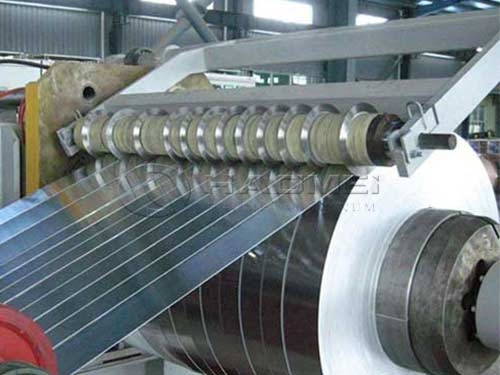
Edge quality also matters. Burrs can damage insulating films, interfere with automated assembly, or create stress points during bending. Slitting, deburring, and protective packaging should be specified according to the downstream process. Coils intended for continuous laminating or stamping benefit from stable camber, controlled coil set, and consistent surface condition.
Selecting the Right Material
A suitable aluminum strip sheet for heating should be chosen from the actual thermal design rather than thickness alone. High-conductivity 1xxx aluminum is effective for fast and uniform heat spreading. Stronger 3xxx material is often appropriate for formed heater casings, airflow fins, and durable structural parts. Surface treatment, temper, width tolerance, and edge condition should all support the planned fabrication method.
With the right alloy and construction, aluminum strip sheet helps heating equipment respond quickly, operate more evenly, and maintain a lighter, cleaner design. It is a dependable material platform for modern thermal products where controlled heat transfer is as important as the heating source itself.