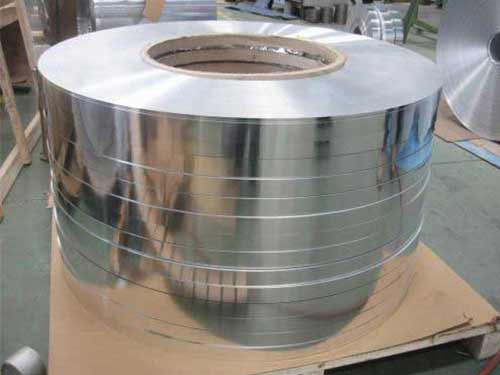
Design 5mm Aluminium Strip Panel
A 5mm aluminium strip panel is not simply a thick decorative sheet cut into narrow widths. It is a functional material platform that can become a façade element, equipment guard, transport lining, acoustic backing, machinery cover, cabinet wall, or structural-facing panel. At 5mm thickness, aluminium strip gains meaningful stiffness while preserving the low weight, corrosion resistance, and fabrication flexibility that make aluminium valuable in modern construction and manufacturing.
The most practical way to design a 5mm aluminium strip panel is to start with its working environment rather than its visual finish. A rain-exposed exterior panel needs corrosion resistance and coating adhesion. A formed machinery cover needs bendability and controlled flatness. A vehicle body or marine enclosure may need greater strength, vibration endurance, and resistance to salt-bearing air. The alloy, temper, width tolerance, edge condition, and surface treatment should therefore serve the panel's real job.
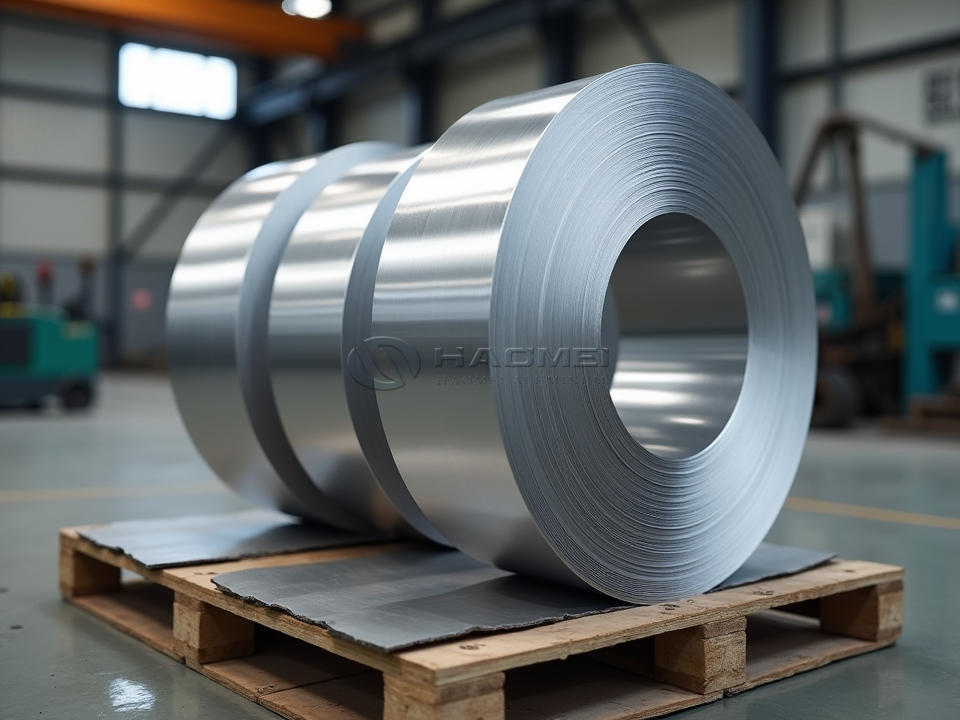
Why 5mm Thickness Changes Panel Performance
Thin aluminium strip is often selected for flashing, insulation cladding, packaging, and lightweight trim. A 5mm aluminium strip panel belongs to a different performance range. It provides higher section rigidity, better dent resistance, improved screw-holding behavior, and greater stability across wide unsupported spans.
For panel designers, thickness acts like a structural multiplier. Bending stiffness rises sharply as thickness increases, helping reduce oil-canning, vibration, and visible waviness. This makes 5mm material suitable for flat architectural faces, protective doors, electrical housings, industrial partitions, and precision-cut components.
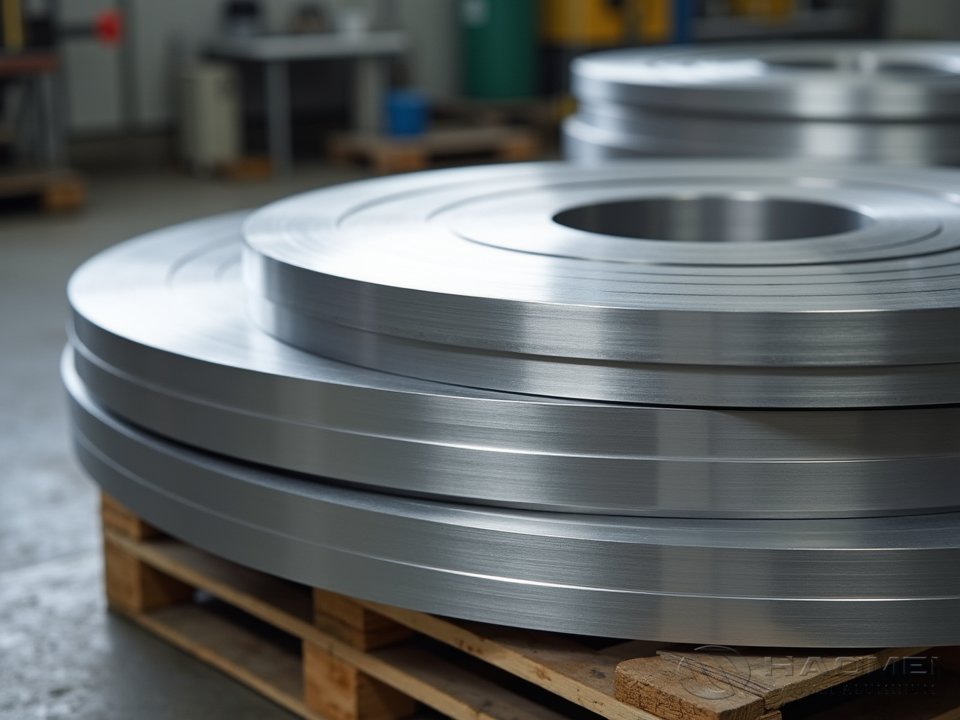
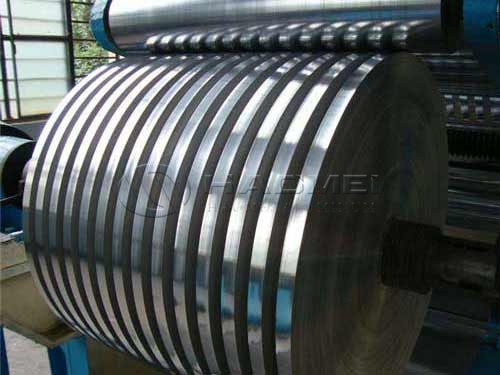
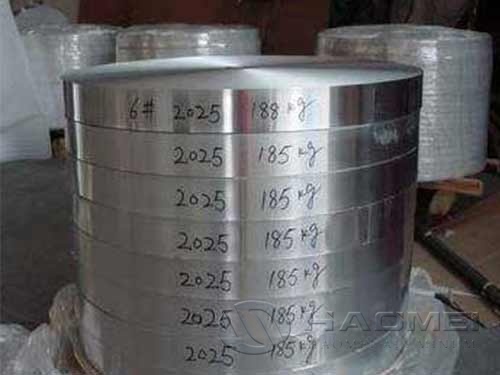
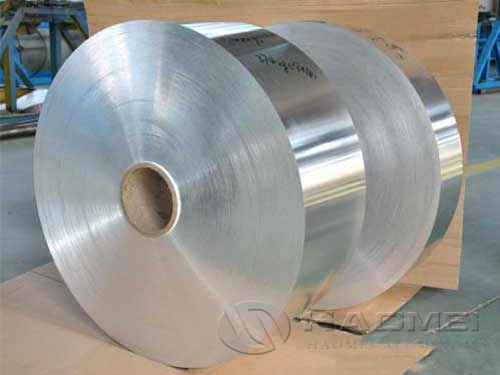
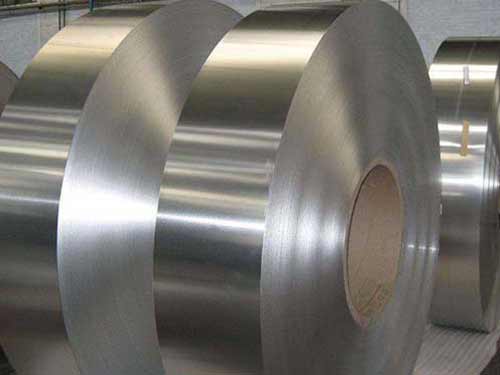
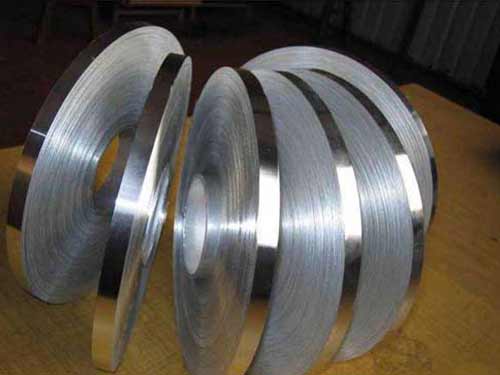
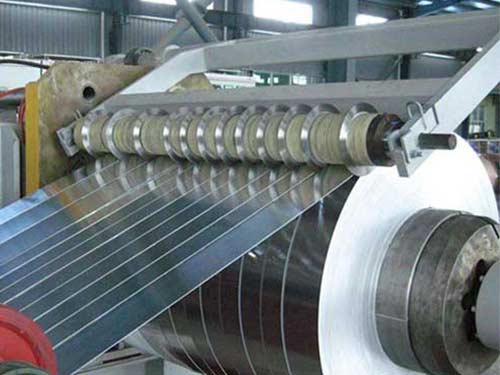
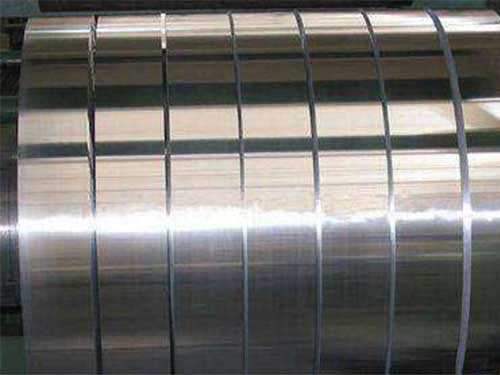
A panel may be produced from a wide rolled plate and slit to strip width, or supplied as heavy-gauge coil where equipment capacity permits. Typical widths range from 20mm to 1,500mm, while narrower strips are often used for folded edges, reinforcing rails, trims, and modular assembly parts. Final dimensions should account for laser cutting, routing, punching, bending, or welding allowances.
Alloy Selection Through the Lens of Panel Function
The most suitable alloy depends on whether the panel must form, carry load, resist corrosion, or accept a painted finish. Commercially pure grades such as 1050 and 1060 offer excellent corrosion resistance, high thermal conductivity, and easy forming. They are commonly chosen for decorative panels, reflectors, chemical equipment linings, and fabricated covers where very high strength is not required. For projects requiring clean forming behavior, 1050 / 1060 Aluminum Strip provides a practical material option.
The 3000 series, especially 3003 and 3105, uses manganese to improve strength while retaining good formability. These alloys work well for painted building panels, roofing components, cabinet skins, and general fabrication.
The 5000 series is often the preferred family for demanding environments. Magnesium-bearing 5052 and 5754 alloys offer stronger corrosion resistance than common 1000 or 3000 series materials, particularly in humid, coastal, transport, and marine-related settings. A 5mm 5052 Aluminum Strip panel can be an effective choice where strength, weldability, and atmospheric durability must operate together.
The 6000 series, including 6061, offers higher strength and good machinability. It is appropriate for brackets, reinforced frames, precision-machined panels, and load-bearing covers. However, temper selection is especially important because high-strength tempers do not bend as easily as softer material.
Typical Parameters for 5mm Aluminium Strip Panels
| Property | Typical Specification Range |
|---|---|
| Thickness | 5.00mm, commonly controlled to agreed rolling tolerance |
| Width | 20mm to 1,500mm, subject to slitting and handling capability |
| Alloy options | 1050, 1060, 1100, 3003, 3105, 5052, 5754, 6061 |
| Tempers | O, H12, H14, H16, H18, H22, H24, H32, H34, T4, T6 |
| Surface | Mill finish, brushed, embossed, anodized, powder-coated, PVDF-coated, PE protective film |
| Edge condition | Mill edge, slit edge, deburred edge, rounded edge |
| Coil or sheet form | Heavy-gauge coil, cut-to-length sheet, precision slit strip |
| Density | Approximately 2.70g/cm³ |
| Melting range | Approximately 600°C to 660°C, depending on alloy |
Temper: The Balance Between Forming and Strength
Temper describes how the aluminium has been annealed, strain-hardened, or heat-treated. It is as important as alloy selection because it controls how the 5mm strip panel behaves during fabrication.
The O temper is fully annealed and offers maximum ductility. It is suitable for deep bends, curved profiles, stamped details, and panels with complex folds. H14 and H24 tempers provide medium strength with workable formability, making them common for general architectural and industrial panel work.
H32 and H34 tempers are frequently used with 5052 and 5754 alloys. They deliver stronger mechanical performance while retaining practical bending capability. T6 temper, commonly associated with 6061, offers high strength but should be used with an appropriate bend radius to prevent cracking at tight folds.
For a visible panel, flatness should be specified separately from thickness. Wide 5mm strips may retain internal rolling stress, especially after slitting. Stretch leveling, tension leveling, protective film, and suitable packing can help preserve panel appearance through fabrication and installation.
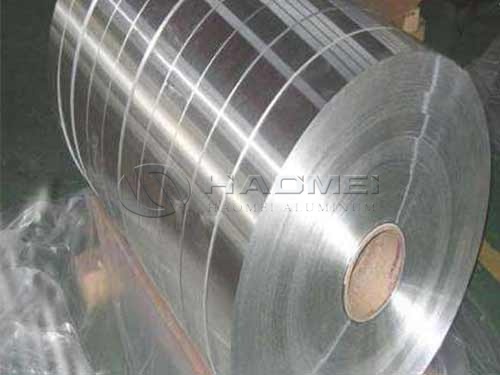
Chemical Properties of Common Panel Alloys
The following table shows typical chemical composition limits in percent by weight. Exact requirements should be confirmed against the selected material standard and purchase specification.
| Alloy | Si | Fe | Cu | Mn | Mg | Cr | Zn | Al |
|---|---|---|---|---|---|---|---|---|
| 1050 | ≤0.25 | ≤0.40 | ≤0.05 | ≤0.05 | ≤0.05 | - | ≤0.05 | ≥99.50 |
| 1060 | ≤0.25 | ≤0.35 | ≤0.05 | ≤0.03 | ≤0.03 | - | ≤0.05 | ≥99.60 |
| 3003 | ≤0.60 | ≤0.70 | ≤0.20 | 1.0-1.5 | ≤0.05 | - | ≤0.10 | Balance |
| 5052 | ≤0.25 | ≤0.40 | ≤0.10 | ≤0.10 | 2.2-2.8 | 0.15-0.35 | ≤0.10 | Balance |
| 5754 | ≤0.40 | ≤0.40 | ≤0.10 | ≤0.50 | 2.6-3.6 | ≤0.30 | ≤0.20 | Balance |
| 6061 | 0.40-0.80 | ≤0.70 | 0.15-0.40 | ≤0.15 | 0.80-1.20 | 0.04-0.35 | ≤0.25 | Balance |
Standards and Quality Conditions
A 5mm aluminium strip panel can be ordered to recognized standards including ASTM B209, EN 485, EN 573, EN 515, GB/T 3880, and JIS H4000. ASTM B209 is commonly used for aluminium and aluminium-alloy sheet and plate. EN 573 addresses chemical composition, EN 485 covers mechanical properties and tolerances, while EN 515 defines temper designations.
A complete purchase specification should state alloy, temper, thickness tolerance, width tolerance, flatness expectation, surface grade, protective film requirement, edge condition, coil inner diameter if applicable, and inspection documentation. For outdoor coated panels, coating thickness, gloss level, color reference, salt-spray expectation, and adhesion requirements should also be defined.
From Strip to Finished Panel
Fabrication may include CNC routing, laser cutting, waterjet cutting, punching, press-brake bending, TIG or MIG welding, riveting, and adhesive bonding. Aluminium's oxide layer provides natural protection, but exposed cut edges, welded zones, and contact with dissimilar metals should be considered during system design. Isolation washers, sealants, and compatible fasteners help limit galvanic corrosion.
For exterior cladding, a folded return edge can significantly improve stiffness without adding a secondary frame. For machinery panels, hemmed edges improve handling safety. For acoustic or ventilation systems, perforations can be combined with a backing layer while maintaining the 5mm panel's durable outer face.
A well-designed 5mm aluminium strip panel is therefore a controlled combination of alloy chemistry, temper, thickness, finish, and fabrication logic. When these conditions match the application, the panel delivers a clean visual surface and dependable long-term performance.