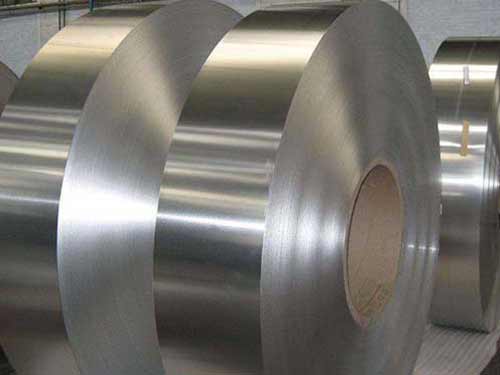
Prepainted Strip Aluminum Coil Or 5052 5754 3105 Stucco
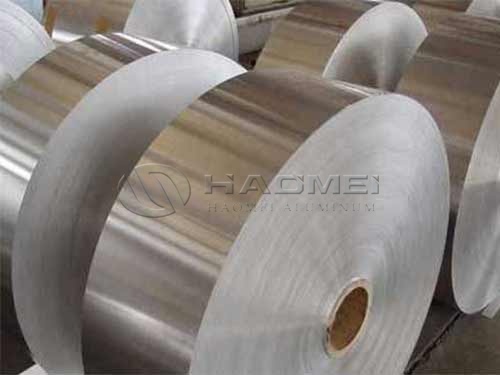
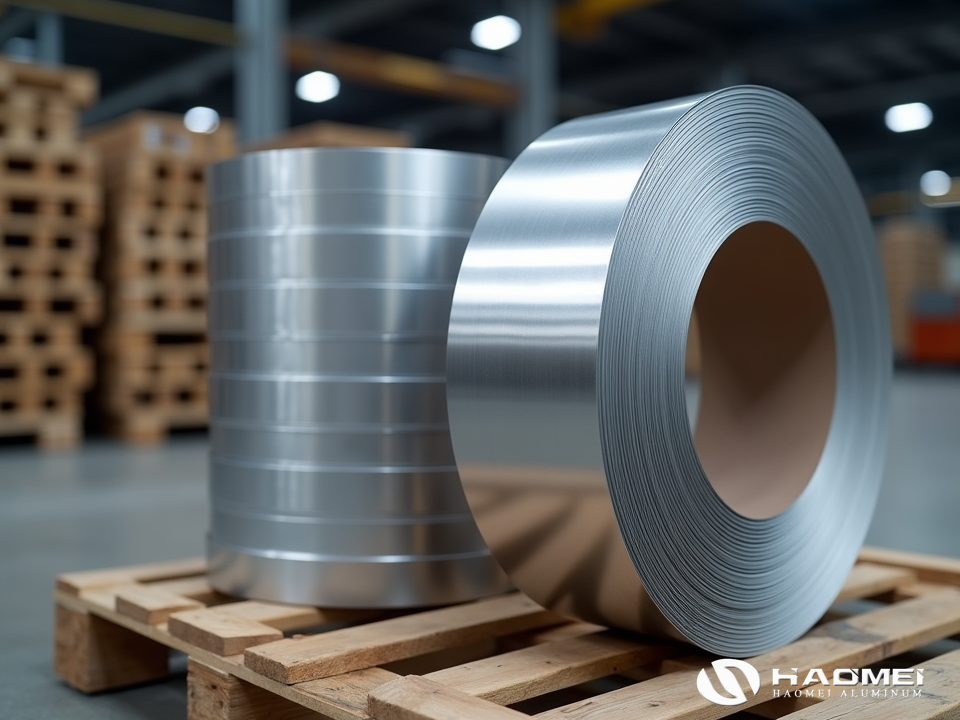
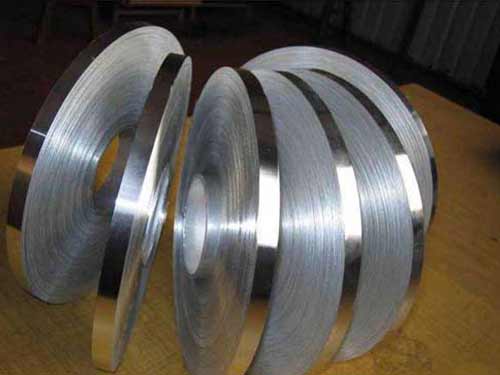
Prepainted strip aluminum coil combines the low weight, corrosion resistance, and formability of aluminum with a durable decorative coating. When supplied with a stucco-embossed surface, the material also provides a textured appearance that reduces glare, improves rigidity, and helps conceal minor handling marks. Common alloy choices include 5052, 5754, and 3105, each selected according to the required strength, forming behavior, service environment, and finished appearance.
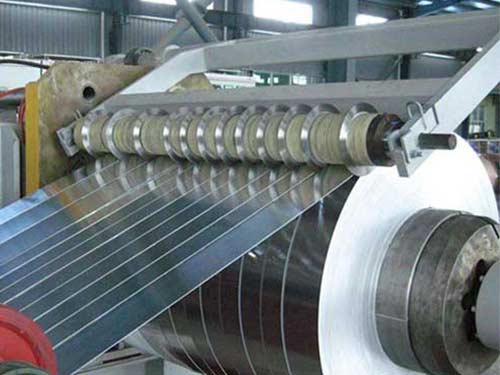
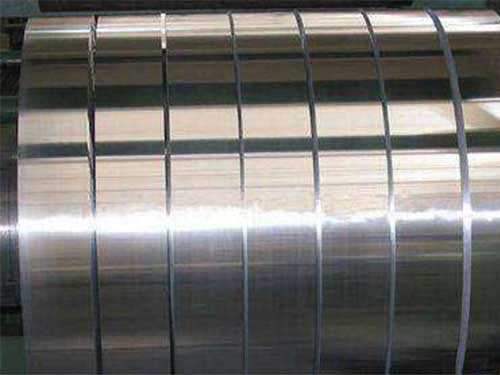
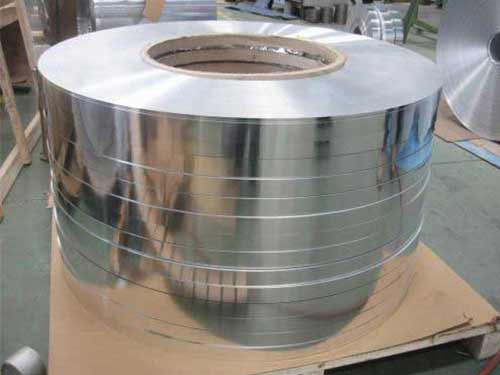
This material is slit to narrow widths or supplied as wider coil for further processing. It is widely converted into roofing accessories, insulation jacketing, trailer panels, building trims, appliance components, decorative cladding, and industrial coverings.
Product Structure and Working Functions
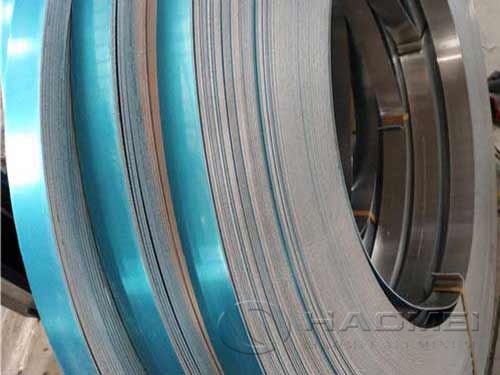
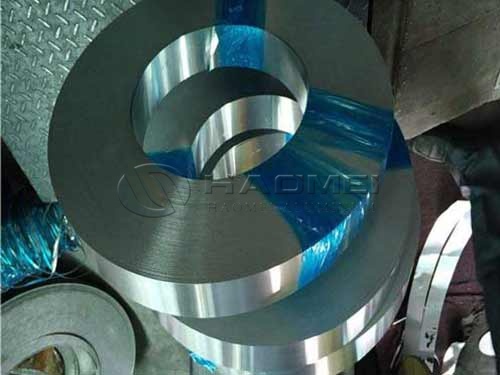
A prepainted aluminum strip begins with rolled aluminum coil. The metal surface is cleaned, chemically treated, primed, and coated by a continuous coil-coating process. After curing, the strip can be slit, embossed, recoiled, and packed for delivery. Stucco embossing is typically created by passing the coil through patterned rolls, producing a hammered or orange-peel-like texture.
| Layer or Feature | Function in Service |
|---|---|
| Aluminum substrate | Provides low density, thermal conductivity, corrosion resistance, and forming capability |
| Chemical conversion treatment | Promotes paint adhesion and improves resistance to under-film corrosion |
| Primer coat | Creates a stable bond between aluminum and finish coat |
| Color topcoat | Supplies color, weather resistance, stain resistance, and decorative value |
| Back coat | Protects the reverse side during fabrication and installation |
| Stucco embossing | Reduces reflected light, adds visual texture, and improves panel stiffness |
The coated surface can be supplied in smooth, stucco, orange-peel, or customized embossed patterns. For products exposed to sunlight, polyester, SMP, PVDF, or other specified coating systems can be selected according to climate and expected service life.
Alloy Selection for Prepainted and Stucco Coils
5052 and 5754 belong to the Al-Mg family. They offer stronger corrosion resistance and higher mechanical strength than many general-purpose aluminum grades. They are especially suitable for humid, marine-adjacent, transport, and industrial environments. Alloy 3105 is an Al-Mn-Mg alloy with good forming behavior, practical strength, and excellent suitability for painted architectural products.
| Alloy | Alloy Family | Main Advantages | Typical Uses |
|---|---|---|---|
| 5052 | Al-Mg | Strong corrosion resistance, good fatigue performance, moderate-to-high strength | Trailer skins, marine-related covers, equipment panels, tank cladding |
| 5754 | Al-Mg | Good weldability, corrosion resistance, and forming performance | Vehicle panels, flooring components, industrial enclosures, insulation jacketing |
| 3105 | Al-Mn-Mg | Good paintability, economical processing, reliable forming | Roofing trim, gutters, fascia, siding, ceiling systems, appliance panels |
For fabrication requiring a balanced combination of strength and bendability, 5052 Aluminum Strip is frequently specified for durable formed parts and protective panels.
Chemical Composition
The values shown are typical maximum or controlled composition limits aligned with commonly used international alloy designations. Exact chemistry should be confirmed against the purchase specification and applicable standard.
| Alloy | Si % | Fe % | Cu % | Mn % | Mg % | Cr % | Zn % | Ti % | Al % |
|---|---|---|---|---|---|---|---|---|---|
| 5052 | 0.25 max | 0.40 max | 0.10 max | 0.10 max | 2.2-2.8 | 0.15-0.35 | 0.10 max | 0.15 max | Balance |
| 5754 | 0.40 max | 0.40 max | 0.10 max | 0.50 max | 2.6-3.6 | 0.30 max | 0.20 max | 0.15 max | Balance |
| 3105 | 0.60 max | 0.70 max | 0.30 max | 0.30-0.80 | 0.20-0.80 | 0.20 max | 0.40 max | 0.10 max | Balance |
Magnesium gives 5052 and 5754 their enhanced strength and corrosion performance. Manganese contributes to the structural stability and forming characteristics of 3105, while its modest magnesium content supports improved mechanical properties compared with basic commercial-purity grades.
Technical Specifications
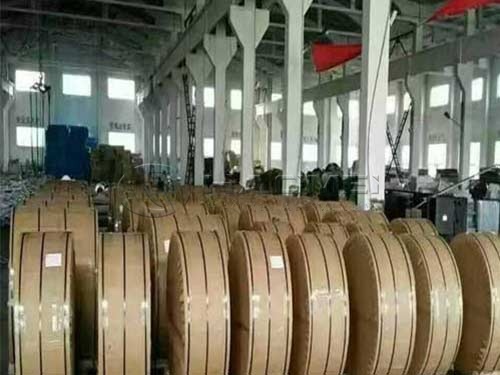
Prepainted strip aluminum coil can be tailored for roll forming, stamping, bending, wrapping, drawing, or insulation installation. Width, thickness, coating thickness, coil weight, and embossing pattern should match the downstream equipment and end-use requirements.
| Parameter | Common Supply Range | Notes |
|---|---|---|
| Alloy | 5052, 5754, 3105 | Other alloys available for selected applications |
| Thickness | 0.20-3.00 mm | Thinner gauges are common for trim and jacketing; heavier gauges suit panels and transport parts |
| Width | 20-1,600 mm | Narrow slit strip or mill-width coil available |
| Coil inner diameter | 150 mm, 300 mm, 405 mm, 505 mm, 508 mm | Selected to suit uncoiling equipment |
| Coil weight | 0.5-8.0 metric tons | Depends on thickness, width, and handling limits |
| Surface finish | Prepainted smooth, prepainted stucco, mill finish stucco | Protective film can be added where required |
| Topcoat thickness | 15-35 μm typical | Higher coating builds available for demanding environments |
| Back coat thickness | 5-15 μm typical | Can be modified for bonding or lamination requirements |
| Color | RAL, Pantone, custom sample | Color tolerance subject to coating system and agreed sample |
| Embossed pattern | Stucco, orange peel, customized pattern | Pattern depth is agreed according to application |
Temper Conditions and Mechanical Properties
Temper selection directly affects bending radius, stamping response, panel flatness, and load capacity. Softer tempers are preferred for deep forming and tight bends, while H-series tempers are used where greater strength is needed.
| Alloy | Common Tempers | Typical Tensile Strength | Typical Yield Strength | Elongation | Suitable Processing |
|---|---|---|---|---|---|
| 5052 | O, H32, H34 | 170-280 MPa | 65-215 MPa | 5-25% | Bending, stamping, roll forming, panel fabrication |
| 5754 | O, H22, H24, H111 | 190-280 MPa | 80-190 MPa | 8-25% | Forming, welding, vehicle and industrial panels |
| 3105 | H14, H16, H18, H24 | 125-190 MPa | 105-165 MPa | 2-12% | Roofing profiles, gutters, trims, cladding |
Mechanical values vary with gauge, temper, test direction, and production route. For critical formed products, the required bend test, cup test, hardness range, and dimensional tolerances should be stated in the order.
Implementation Standards and Quality Control
Production can be controlled according to regional material and coating standards. The appropriate standard depends on the destination market, end-use industry, and contractual requirements.
| Standard | Scope |
|---|---|
| ASTM B209 | Aluminum and aluminum-alloy sheet and plate requirements |
| EN 485 | Tolerances, mechanical properties, and technical conditions for aluminum sheet, strip, and plate |
| EN 573 | Aluminum alloy chemical composition and alloy designation system |
| ASTM B928/B928M | High-magnesium aluminum alloy sheet and plate for marine service, when applicable |
| EN 13523 | Test methods for coil-coated metals, including gloss, bend, impact, and corrosion testing |
| GB/T 3880 | Aluminum and aluminum-alloy sheets, strips, and plates for general industrial use |
Quality inspection commonly covers thickness, width, edge condition, coil shape, color consistency, coating adhesion, gloss, film thickness, embossing uniformity, and surface cleanliness. Coating performance may be checked through T-bend testing, reverse impact testing, pencil hardness testing, solvent resistance, neutral salt spray exposure, and humidity resistance tests.
Applications and Processing Guidance
Prepainted 3105 stucco aluminum is widely used for roofing sheets, rainwater systems, wall trims, suspended ceilings, heat-insulation cladding, and decorative facades. Its paint-friendly nature supports stable color reproduction and economical architectural fabrication.
5052 and 5754 stucco coils are preferred where the finished part needs additional strength or stronger resistance to moisture and industrial exposure. Typical examples include refrigerated vehicle panels, trailer linings, protective machine covers, anti-glare walkways, duct coverings, and insulation barriers.
During processing, use clean rolls, controlled tension, and tooling with smooth contact surfaces to protect the painted face. Maintain an appropriate bend radius for the selected temper and coating system. If the coil will be stored before use, keep it dry, ventilated, and away from condensation to prevent water staining or coating damage.
Prepainted strip aluminum coil in 5052, 5754, and 3105 stucco finishes provides an efficient route to lighter, cleaner-looking, corrosion-resistant fabricated products. Matching alloy, temper, coating system, and embossed texture to the intended environment delivers dependable performance from coil processing through final installation.