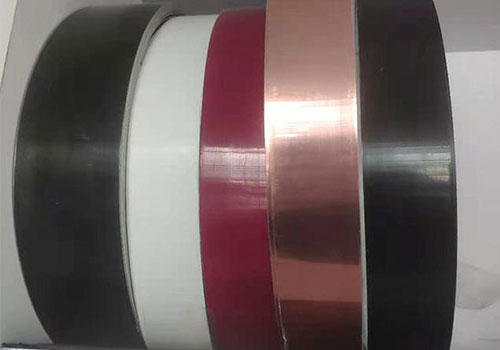
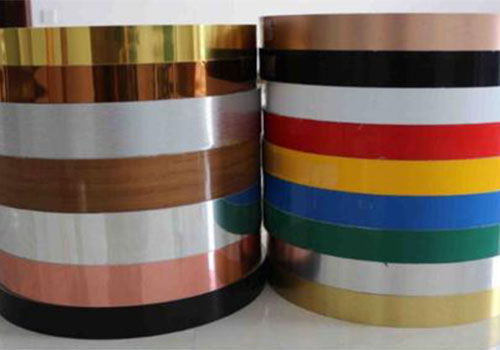
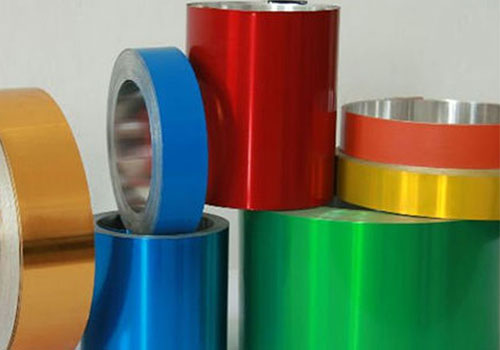
Coated Al Aluminum Strip Coil
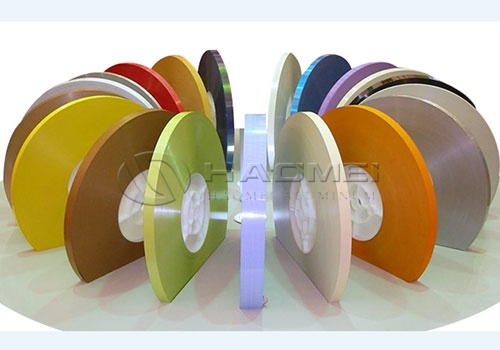
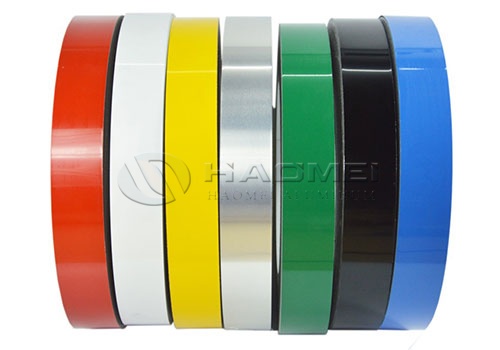
Coated al aluminum strip coil is a prepainted aluminum material engineered for parts that require a clean decorative surface, low weight, dependable corrosion resistance, and efficient forming. It combines aluminum strip with a carefully controlled coating system, allowing fabricators to produce colored profiles, trims, shutters, ceiling components, rainwater systems, appliance panels, and packaging parts without a separate painting stage.
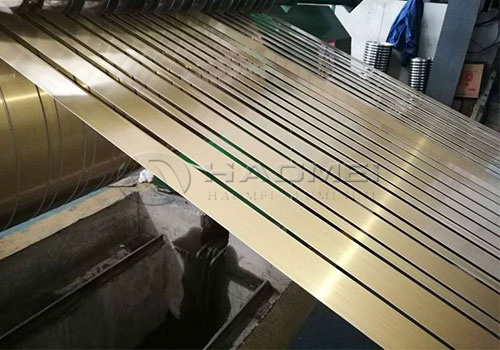
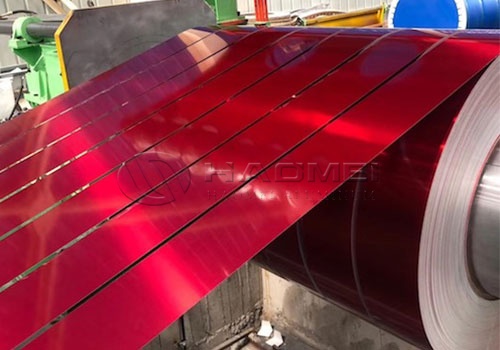
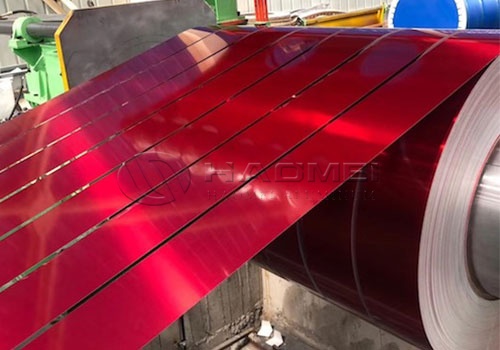
Unlike plain aluminum strip, coated coil arrives ready for slitting, roll forming, bending, stamping, or profiling. This reduces processing time, helps maintain consistent color from batch to batch, and minimizes paint-related waste in downstream workshops. A broad selection of colors, gloss levels, and coating types makes the material suitable for both visible architectural details and functional industrial components.
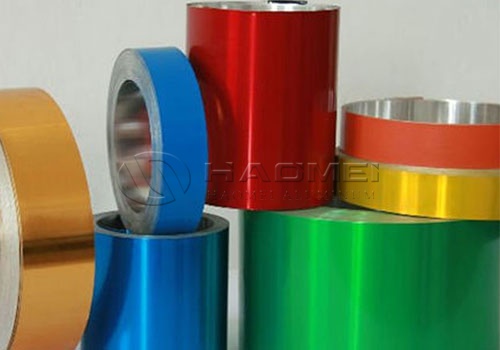
Material Structure and Coating Performance
A coated aluminum strip coil normally begins with a rolled aluminum substrate. The surface is cleaned and chemically treated to improve adhesion, then covered with primer and a finish coat. The painted strip passes through an oven to cure the coating into a continuous, bonded film. Back-side coatings may also be applied where additional protection, adhesion, or processing performance is needed.
The finished surface can be smooth, matte, high-gloss, textured, embossed, wood-grain, marble-like, or metallic. This flexibility allows designers to coordinate color and appearance with surrounding building materials while retaining aluminum's practical advantages.
| Layer | Function | Typical Benefit |
|---|---|---|
| Aluminum substrate | Provides strength, formability, and low density | Easy handling and fabrication |
| Chemical treatment | Improves coating bonding and corrosion resistance | Better paint adhesion |
| Primer coat | Creates a stable connection between metal and topcoat | Improved durability after forming |
| Topcoat | Delivers color, gloss, weathering performance, and surface protection | Attractive finished appearance |
| Back coating | Protects the reverse side or supports bonding processes | Added processing versatility |
For general indoor or moderate outdoor use, PE Coated Aluminum Strip provides practical color retention, smooth appearance, and economical processing. For exterior surfaces exposed to intense sunlight, rain, pollution, or coastal air, a fluorocarbon option such as PVDF Coated Aluminum Strip offers stronger weatherability and long-term gloss stability.
Common Technical Specifications
Coated al aluminum strip coil can be tailored to the forming method, end-use environment, and visual target. Thickness, width, alloy, temper, coating thickness, and coil weight should be selected together rather than in isolation.
| Parameter | Common Range | Notes |
|---|---|---|
| Alloy | 1050, 1060, 1100, 3003, 3105, 5052 | Alloy selection affects strength and corrosion behavior |
| Thickness | 0.20-1.50 mm | Thinner strip suits light trims; thicker gauges support rigid profiles |
| Width | 20-1,600 mm | Narrow widths are often slit from wider parent coils |
| Temper | O, H14, H16, H18, H24 | Softer tempers favor deep forming; harder tempers increase stiffness |
| Top coating thickness | 15-35 microns | Higher film thickness can improve exterior protection |
| Back coating thickness | 5-15 microns | Selected according to service conditions and processing needs |
| Coil inner diameter | 150 mm, 300 mm, 405 mm, 508 mm | Must match the customer's decoiling equipment |
| Surface finish | Glossy, matte, textured, embossed, patterned | Chosen for visual and functional requirements |
Typical Aluminum Chemical Composition
The substrate chemistry is important because it influences strength, weldability, bending response, and resistance to corrosion. Values shown are typical maximum or nominal ranges; final requirements should be confirmed against the requested alloy standard.
| Alloy | Mn | Mg | Si | Fe | Cu | Al |
|---|---|---|---|---|---|---|
| 1050 | 0.05% | 0.05% | 0.25% | 0.40% | 0.05% | Balance |
| 1060 | 0.03% | 0.03% | 0.25% | 0.35% | 0.05% | Balance |
| 3003 | 1.0-1.5% | 0.05% | 0.60% | 0.70% | 0.20% | Balance |
| 3105 | 0.30-0.80% | 0.20-0.80% | 0.60% | 0.70% | 0.30% | Balance |
| 5052 | 0.10% | 2.2-2.8% | 0.25% | 0.40% | 0.10% | Balance |
Alloy 1050 and 1060 are highly formable choices for decorative applications and light-duty sections. Alloy 3003 and 3105 provide higher strength for roll-formed profiles, shutters, and building accessories. Alloy 5052 is often selected when superior corrosion resistance and tougher mechanical performance are required.
Features That Support Efficient Production
The most visible benefit of coated aluminum strip is its ready-finished color. Fabricators can eliminate or reduce post-forming painting, shortening lead time and avoiding uneven spray coverage. The coil format also supports continuous manufacturing, making it well suited to high-output roll-forming lines and automated presses.
Aluminum's low density helps reduce transportation loads and makes finished products easier to install. Despite its light weight, the correct alloy-temper combination can provide reliable rigidity for channels, trims, louvers, blinds, and enclosure parts. The oxide layer on aluminum, combined with the applied paint film, creates a durable barrier against moisture and normal atmospheric exposure.
Good flexibility is another practical advantage. When coating quality and bend radius are properly matched, the strip can be folded, profiled, and shaped with reduced risk of cracking at the bend. This is especially valuable for narrow decorative edging and complex formed sections.
Applications Across Building and Industry
In construction, coated aluminum strip coil is widely used for gutter and downspout systems, roof edging, fascia, soffit panels, shutters, garage door slats, curtain-wall trims, ceiling grids, insulated panel accessories, and exterior sign frames. Color consistency helps these components blend with roofing, wall cladding, window systems, and architectural accents.
For interior spaces, the material appears in suspended ceilings, partition trims, lighting housings, display fixtures, blind components, furniture edges, and decorative channels. Matte, textured, and low-gloss finishes can reduce glare while creating a refined visual effect.
Industrial users employ coated strip for electrical cabinet details, appliance facings, transportation interiors, ventilation accessories, equipment covers, and packaging closures. In these settings, the coating protects the metal while supplying a finished surface that can be cleaned easily.
Selection and Handling Guidance
Choose the alloy and temper according to the forming severity. Tight bends and deep shapes generally need a softer, more ductile temper, while long straight profiles may benefit from higher hardness. Coating type should reflect the installation environment: PE is suitable for many standard decorative uses, while PVDF is preferred for demanding exterior exposure.
Before production, confirm color code, gloss tolerance, protective film requirements, thickness tolerance, width tolerance, and acceptable coil weight. For projects requiring visual continuity, coils should be ordered from the same production batch whenever possible.
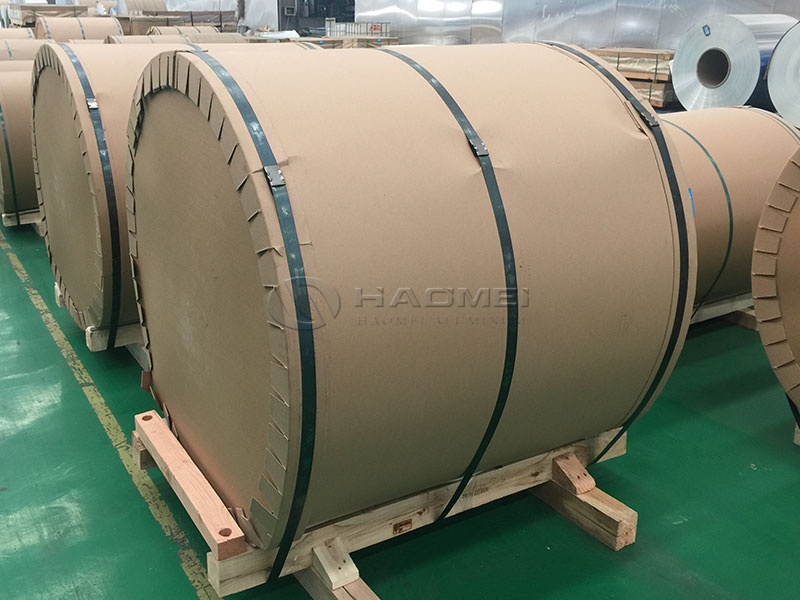
Store coils in a dry, ventilated area away from standing water, corrosive chemicals, and sharp temperature swings. During processing, use clean rolls and properly adjusted tooling to prevent scratches, pressure marks, or edge damage. Protective film should be removed promptly after installation rather than left in place for extended outdoor exposure.
Coated al aluminum strip coil offers an effective balance of appearance, formability, corrosion protection, and manufacturing efficiency. With the right substrate, coating system, and dimensions, it delivers durable color-finished components for architectural, commercial, and industrial production.