Color Coated Aluminum Strips (1050 1060)
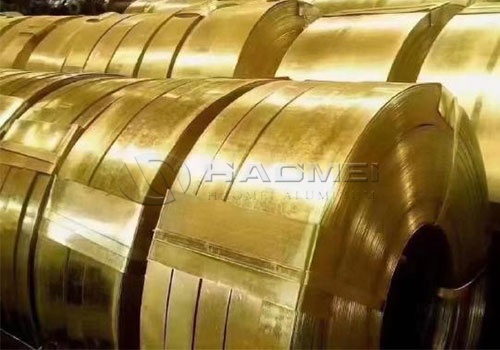
Color coated aluminum strips made from 1050 and 1060 alloy deliver a practical combination of lightweight performance, smooth surface quality, corrosion resistance, and decorative flexibility. These strips are produced from high-purity aluminum substrate, cleaned and chemically pretreated, then coated with durable paint systems in controlled production lines.
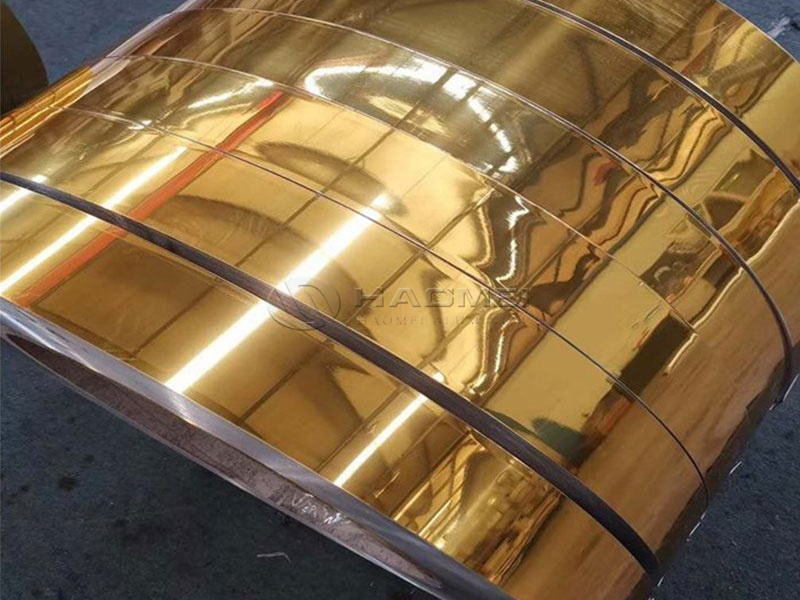
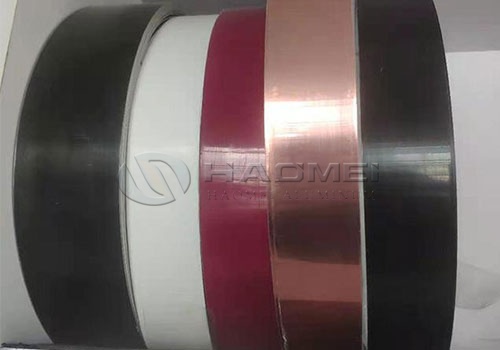
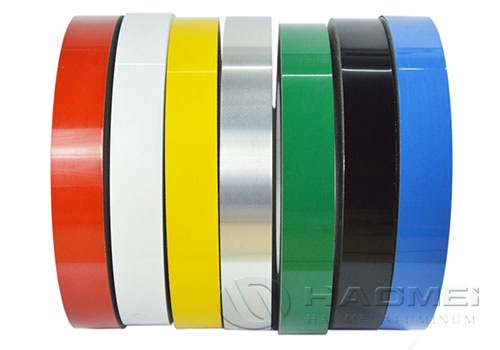
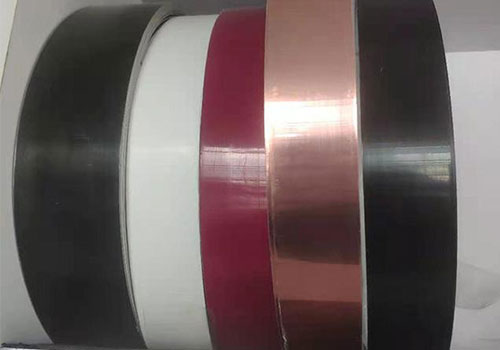
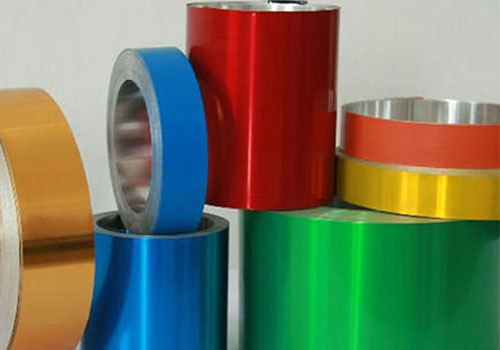
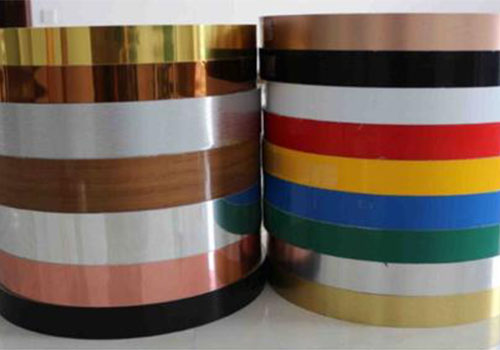
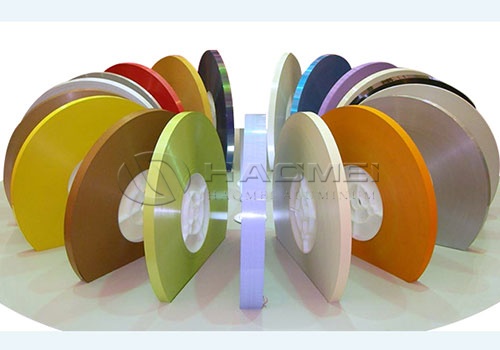
Available in white, black, red, yellow, green, gold, grey, and custom RAL colors, the material is widely used where appearance, bendability, and long-term service reliability must work together. Compared with painted steel, color coated aluminum reduces structural weight and does not develop red rust. Compared with plain aluminum, it provides a finished visual surface without requiring additional painting after fabrication.
Material Characteristics
1050 and 1060 are commercially pure aluminum grades. Their high aluminum content gives them excellent workability and a clean, reflective base for coating. They are especially suitable for slitting, roll forming, stamping, folding, deep drawing, and edge trimming.
| Property | 1050 Color Coated Strip | 1060 Color Coated Strip | Customer Value |
|---|---|---|---|
| Minimum aluminum content | 99.50% | 99.60% | High ductility and corrosion resistance |
| Formability | Excellent | Excellent | Suitable for bending and profiling |
| Electrical conductivity | High | High | Suitable for selected electrical and thermal uses |
| Weight | About 2.71 g/cm³ | About 2.71 g/cm³ | Easier handling and lower dead load |
| Corrosion behavior | Very good | Very good | Reliable in normal indoor and outdoor environments |
| Surface appearance | Smooth and uniform | Smooth and uniform | Consistent painted finish |
The small difference in purity means both grades perform similarly in most coated-strip applications. 1060 is often selected where higher conductivity or slightly higher aluminum purity is preferred. 1050 is a highly economical choice for general decorative, architectural, and fabrication uses.
Chemical Composition
Chemical limits may vary slightly according to applicable standards, substrate source, and customer agreement. The following values represent commonly used limits for 1050 and 1060 aluminum strip.
| Element, % by Weight | 1050 Aluminum | 1060 Aluminum |
|---|---|---|
| Aluminum, Al | ≥ 99.50 | ≥ 99.60 |
| Silicon + Iron, Si + Fe | ≤ 0.40 | ≤ 0.35 |
| Copper, Cu | ≤ 0.05 | ≤ 0.05 |
| Manganese, Mn | ≤ 0.05 | ≤ 0.03 |
| Magnesium, Mg | ≤ 0.05 | ≤ 0.03 |
| Zinc, Zn | ≤ 0.05 | ≤ 0.05 |
| Titanium, Ti | ≤ 0.03 | ≤ 0.03 |
| Other elements, each | ≤ 0.03 | ≤ 0.03 |
| Other elements, total | ≤ 0.10 | ≤ 0.10 |
Paint System and Surface Performance
A quality paint system is more than a color layer. It includes surface degreasing, chemical conversion treatment, primer, finish coat, and controlled oven curing. This layered structure strengthens paint adhesion and helps protect the aluminum base from moisture, airborne contaminants, and daily wear.
For indoor fabrication, PE-coated material provides an economical and attractive solution. For exterior cladding, fascia, roofing accessories, and demanding weather exposure, PVDF coating offers stronger color retention and resistance to ultraviolet radiation. Customers can compare coating choices through our PE Coated Aluminum Strip and PVDF Coated Aluminum Strip options.
| Coating Property | PE Finish | PVDF Finish | Typical Benefit |
|---|---|---|---|
| Dry film thickness | 15-25 μm | 25-35 μm | Protection matched to service conditions |
| Gloss range | 10-90 GU | 10-80 GU | Matte, satin, or glossy visual effects |
| Pencil hardness | ≥ HB | ≥ HB | Resistance to light surface abrasion |
| T-bend performance | 0-2T | 0-2T | Coating remains intact during forming |
| Impact resistance | ≥ 50 kg·cm | ≥ 50 kg·cm | Better resistance to handling damage |
| Salt spray resistance | Typically ≥ 500 h | Typically ≥ 1,000 h | Enhanced corrosion protection |
| Weather resistance | Suitable for indoor and moderate exterior use | Suitable for long-term exterior exposure | Stable appearance in sunlight and rain |
Technical Specifications
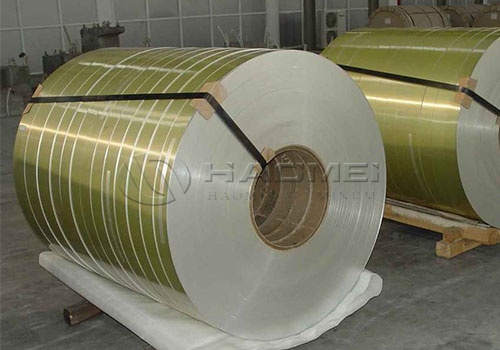
Color coated aluminum strip can be supplied in coils, narrow slit coils, or cut lengths. Dimensional control is important because narrow strips are frequently processed at high speed in roll-forming lines, ceiling equipment, shutter production, and trim fabrication.
| Specification | Standard Supply Range | Custom Options |
|---|---|---|
| Alloy | 1050, 1060 | Other 1xxx alloys upon request |
| Temper | O, H12, H14, H16, H18 | Selected temper according to forming need |
| Thickness | 0.20-3.00 mm | Tighter ranges by agreement |
| Strip width | 10-1,600 mm | Narrow precision slitting available |
| Coil inner diameter | 405 mm, 508 mm | Custom core sizes available |
| Coil weight | 0.5-5.0 tonnes | Managed to suit equipment capacity |
| Color | RAL colors, metallic, woodgrain, brushed effects | Sample-matched colors possible |
| Surface film | Optional PE protective film | Transparent or colored film options |
| Edge condition | Mill edge or slit edge | Deburred edge on request |
Mechanical Properties
Mechanical values depend on thickness, temper, and final processing route. Softer tempers are preferred for deep bending and shaped profiles, while harder tempers provide improved rigidity for flatter panels and narrow decorative sections.
| Temper | Tensile Strength | Yield Strength | Elongation | Recommended Fabrication |
|---|---|---|---|---|
| O | 60-95 MPa | ≥ 20 MPa | ≥ 25% | Deep drawing, tight bending, embossing |
| H14 | 85-125 MPa | ≥ 75 MPa | ≥ 5% | General roll forming and trim parts |
| H16 | 100-135 MPa | ≥ 90 MPa | ≥ 3% | Stiffer profiles and panels |
| H18 | 120-150 MPa | ≥ 110 MPa | ≥ 2% | Flat, rigid sections with limited forming |
Typical Applications
Color coated 1050 and 1060 strips support a broad range of finished products. Their clean edges, easy forming, and ready-to-use painted surface can shorten manufacturing cycles by removing post-fabrication painting steps.
- Ceiling grids, suspended ceiling strips, and decorative ceiling panels
- Window shutter slats, roller shutter covers, and blind components
- Roofing flashings, gutter accessories, fascia trims, and soffit systems
- Aluminum composite panel accessories and architectural edge profiles
- Refrigerator panels, appliance trims, lighting housings, and signage frames
- Insulation jacketing, pipe cladding bands, and HVAC finishing components
- Furniture edging, cabinet strips, display fixtures, and interior partitions
- Traffic signs, advertising boards, channel letters, and decorative fabrication
Benefits for Fabricators and Project Owners
The low density of aluminum lowers transport effort and makes installation easier, particularly for long architectural strips. The coated surface arrives ready for use, helping reduce paint-shop labor, solvent consumption, and production lead time. Strong adhesion and flexible film performance also help prevent cracking during normal bending operations.
Color consistency is particularly valuable for visible trim and continuous-profile production. Coils can be matched by color code, gloss level, coating type, and surface treatment so that different batches integrate cleanly within the same project. For projects needing a standard painted substrate, our Coated Aluminum Strip range provides additional finish and processing choices.
Selection Considerations
Choose alloy temper according to the required forming radius. Select PE coating for cost-sensitive indoor products or sheltered applications. Select PVDF for exterior projects exposed to strong sunlight, humidity, pollution, or significant temperature variation. Thickness should be matched to span, profile shape, stiffness requirements, and installation method.
For best processing results, store coils in a dry, ventilated area, keep them away from corrosive chemicals, and remove protective film promptly after installation. Proper coil handling and clean forming tools preserve the painted surface and support a refined final appearance.