8011 Color Prepainted Aluminum Coil Strips for Bottle Caps
A bottle cap is a small component with a large responsibility. It protects flavor, prevents leakage, supports brand identity, and must run smoothly through high-speed capping equipment. 8011 color prepainted aluminum coil strips for bottle caps are developed for this demanding role, combining lightweight aluminum substrate performance with decorative and protective surface coatings.
Rather than treating cap stock as a simple metal strip, it is better understood as a functional packaging surface. The aluminum provides formability and strength, while the prepainted coating delivers color, gloss, print compatibility, and resistance to handling. This combination makes 8011 alloy a widely used material for ROPP caps, pilfer-proof caps, beverage closures, pharmaceutical caps, cosmetic closures, and food container lids.
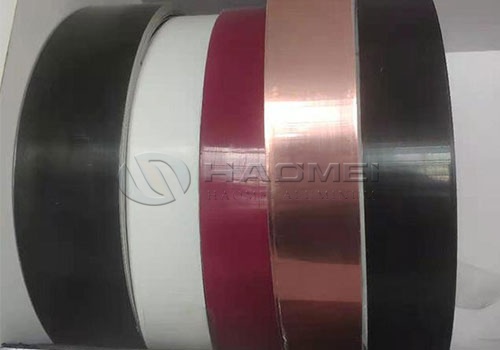
Why 8011 Alloy Fits Bottle Cap Production
8011 is an aluminum-iron-silicon alloy from the 8xxx series. Its composition supports stable rolling performance, good elongation, and dependable deep drawing behavior. For bottle cap conversion, this means the strip can be stamped, curled, threaded, embossed, and shaped without excessive cracking at the skirt or shoulder area.
Compared with harder aluminum alloys, 8011 offers a practical balance between strength and ductility. A cap blank must remain sufficiently soft to form accurately, yet sufficiently strong to maintain its geometry after capping. The selected temper is therefore closely connected to cap diameter, shell height, thread profile, liner system, and production speed.
Common bottle cap applications include:
- Wine and spirits ROPP closures
- Carbonated beverage and juice bottle caps
- Olive oil and vinegar closures
- Mineral water caps
- Pharmaceutical screw caps
- Cosmetic and personal care packaging caps
- Food jar and condiment closures
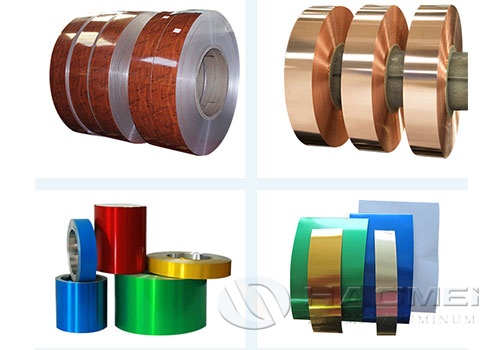
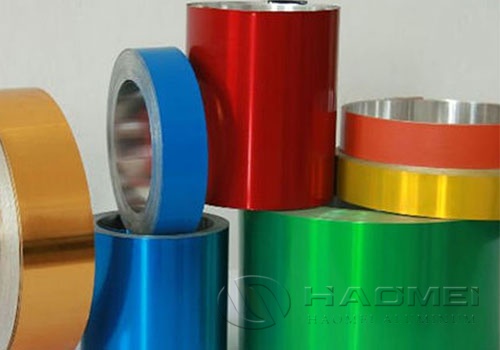
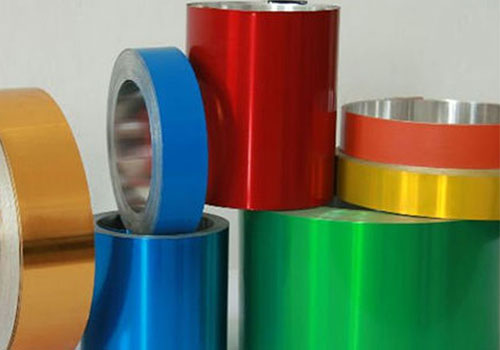
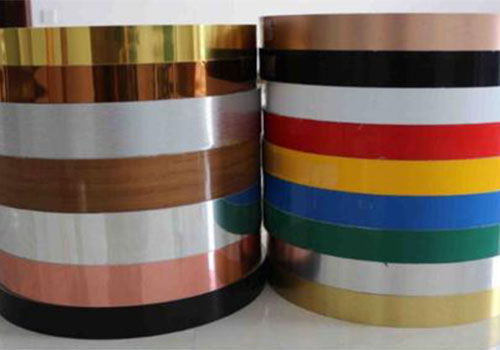
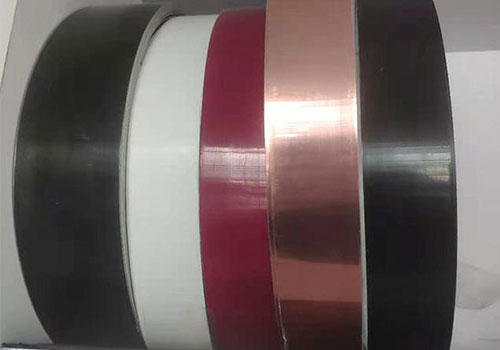
For brands, the colored surface is more than decoration. A consistent red, gold, black, white, green, or metallic finish improves shelf recognition. For converters, coating quality influences stamping friction, scratch resistance, ink adhesion, and the appearance of the finished closure.
Typical Product Parameters
The following ranges are commonly specified for 8011 prepainted aluminum cap stock. Final dimensions should be matched to the cap-making line, tooling design, and customer drawings.
| Property | Typical Range or Requirement |
|---|---|
| Alloy | AA 8011 / EN AW-8011 |
| Temper | H14, H16, H18, H22, H24, H26, H28, O |
| Thickness | 0.16 mm to 0.30 mm |
| Common thickness | 0.18 mm, 0.20 mm, 0.22 mm, 0.24 mm |
| Strip width | 50 mm to 1,300 mm |
| Coil inner diameter | 300 mm, 405 mm, 505 mm, or customized |
| Coil outer diameter | Subject to coil weight and equipment limits |
| Coil weight | Commonly 1 to 5 tonnes, customized on request |
| Surface finish | Prepainted, mill finish, lacquered, printed, embossed |
| Coating type | PE, epoxy, polyester, modified polyester, food-contact lacquer |
| Color options | Solid colors, metallic colors, matte, gloss, custom shades |
| Coating thickness | Usually 5 to 25 μm, depending on the coating system |
Thickness tolerance and width tolerance should be agreed before production. Tight dimensional control improves feeding stability and helps reduce trimming waste during blanking and shell forming. A flat, clean strip with uniform coating thickness also assists automatic vision inspection systems used by cap converters.
Chemical Composition of 8011 Aluminum Alloy
The chemistry of 8011 is designed to provide reliable processing characteristics. Iron and silicon are the principal alloying elements, contributing to strength and grain structure control while retaining the workability needed for closure applications.
| Element | Content, % |
|---|---|
| Silicon, Si | 0.50 - 0.90 |
| Iron, Fe | 0.60 - 1.00 |
| Copper, Cu | 0.10 max |
| Manganese, Mn | 0.20 max |
| Magnesium, Mg | 0.05 max |
| Zinc, Zn | 0.10 max |
| Titanium, Ti | 0.08 max |
| Other elements, each | 0.05 max |
| Other elements, total | 0.15 max |
| Aluminum, Al | Balance |
The final chemical range can vary slightly according to the applicable standard and material certificate. For cap applications, chemistry alone is not enough; rolling quality, grain consistency, mechanical properties, cleanliness, and coating adhesion are equally important.
Temper Selection from the Cap-Making Perspective
Temper describes the material condition after rolling and annealing. It directly affects how the strip behaves under stamping and threading forces.
H14 and H16 tempers are often selected where higher formability is required. They are suitable for deeper cap shells, complex embossing, or designs with more severe drawing operations. Their softer condition helps reduce the risk of edge cracking during forming.
H18 is a frequently used temper for standard bottle cap stock because it provides a firmer surface and good dimensional stability. It can be suitable for many ROPP and screw cap processes when tooling and lubricant conditions are properly adjusted.
H22 and H24 conditions provide an intermediate balance. These tempers may be specified when producers need controlled springback together with dependable shaping performance. O temper is softer and can be considered for special deep-drawing uses, though it requires careful handling to avoid deformation during transport and processing.
The proper temper should always be confirmed through forming trials. A material that appears suitable on a certificate may still require adjustment if the cap design has sharp shoulders, deep knurling, aggressive embossing, or unusually high line speed.
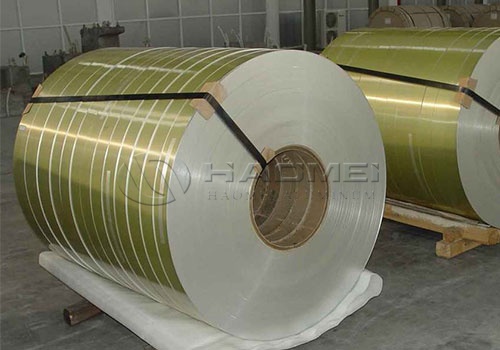
Coating Performance: Where Appearance Meets Production Efficiency
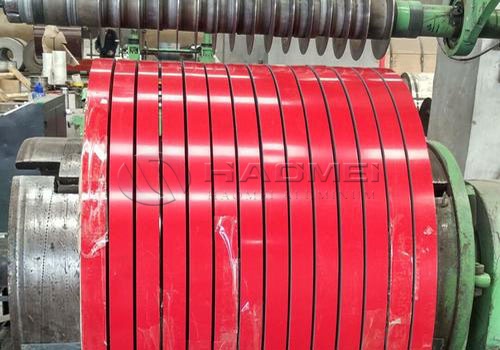
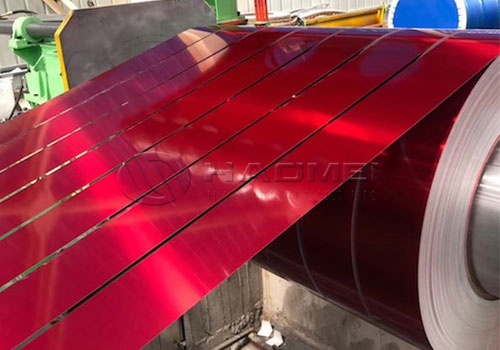
The outer coating of bottle cap stock must endure more than visual inspection. During slitting, stamping, shell formation, curling, printing, and filling, the surface experiences repeated contact with dies, guides, chutes, and transport systems. A poor coating can scratch, peel, transfer color, or create excess friction.
A quality Color Coated Aluminum Strip for bottle caps generally requires stable color consistency, strong adhesion, flexible film behavior, and resistance to common packaging conditions. Polyester and modified polyester coatings are often used for decorative cap surfaces. Epoxy or food-contact lacquer systems may be applied where additional chemical resistance or internal protection is necessary.
Important coating checks can include:
- Coating thickness measurement
- Cross-hatch adhesion testing
- Pencil hardness testing
- T-bend flexibility testing
- MEK or solvent resistance testing
- Gloss measurement
- Color difference control
- Boiling water or pasteurization resistance
- Salt spray resistance when required
For products exposed to moisture, acidic foods, alcohol, oils, or repeated refrigeration cycles, the coating and internal lacquer should be selected according to the actual filling environment. Wine, edible oil, carbonated drinks, and pharmaceuticals can create very different chemical demands.
Standards and Quality Conditions
8011 aluminum coil strips for bottle caps can be manufactured in accordance with relevant international standards and customer-specific technical agreements. Frequently referenced standards include ASTM B209, EN 485, EN 573, GB/T 3880, and ISO-based quality control procedures.
Material supply normally includes verification of alloy, temper, thickness, width, coil weight, surface condition, and mechanical properties. For prepainted material, coating color, gloss, film thickness, adhesion, and forming performance should also be included in the inspection plan.
Surface requirements are particularly strict for premium closure markets. The strip should be free from oil stains, dents, edge waves, coating voids, roller marks, corrosion spots, and visible scratches that could affect the finished cap. Slit edges should be neat and burr-controlled to support smooth feeding and protect operators during handling.
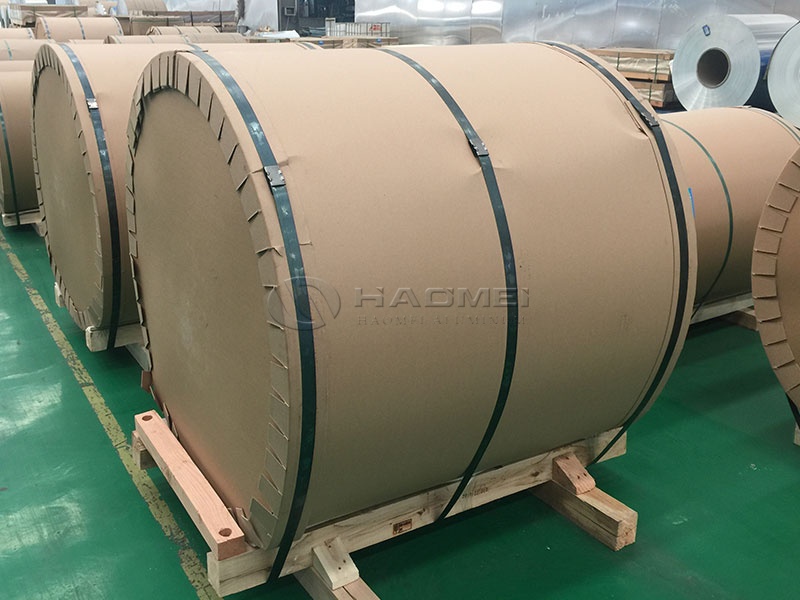
A well-designed Coated Aluminum Strip program also considers packaging. Moisture-proof wrapping, reinforced edge protection, coil eye protection, and secure palletization help preserve the painted surface during ocean shipping and warehouse storage.
A Practical Material for Functional Brand Packaging
8011 color prepainted aluminum coil strips bring together forming reliability and decorative freedom. They enable manufacturers to produce closures that seal effectively while carrying a polished brand image from filling line to retail shelf.
When selecting cap stock, buyers should evaluate more than alloy grade and thickness. Cap geometry, temper, coating chemistry, color tolerance, internal lacquer requirements, production equipment, and end-use environment all shape the correct specification. With these factors aligned, 8011 prepainted aluminum strip becomes a dependable foundation for attractive, durable, and high-performing bottle caps.