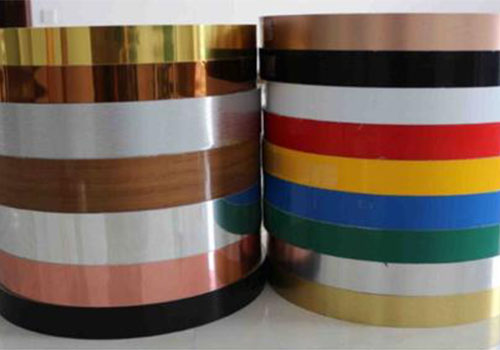
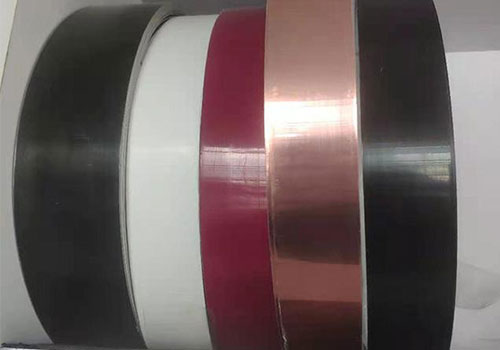
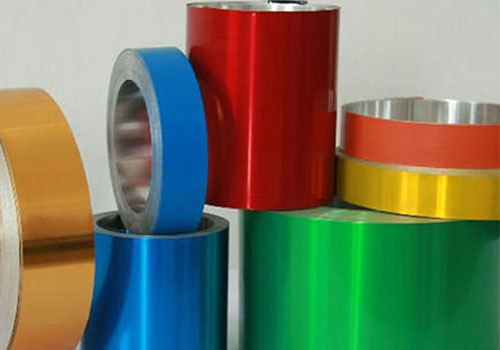
Brush Gold Color Painted Aluminum Strips
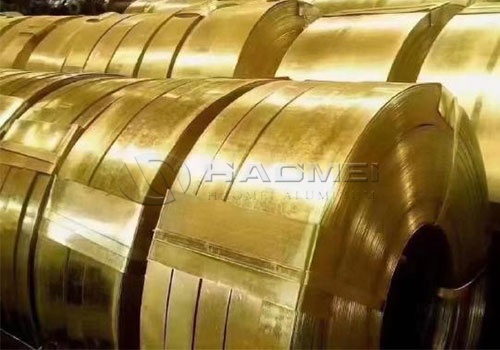
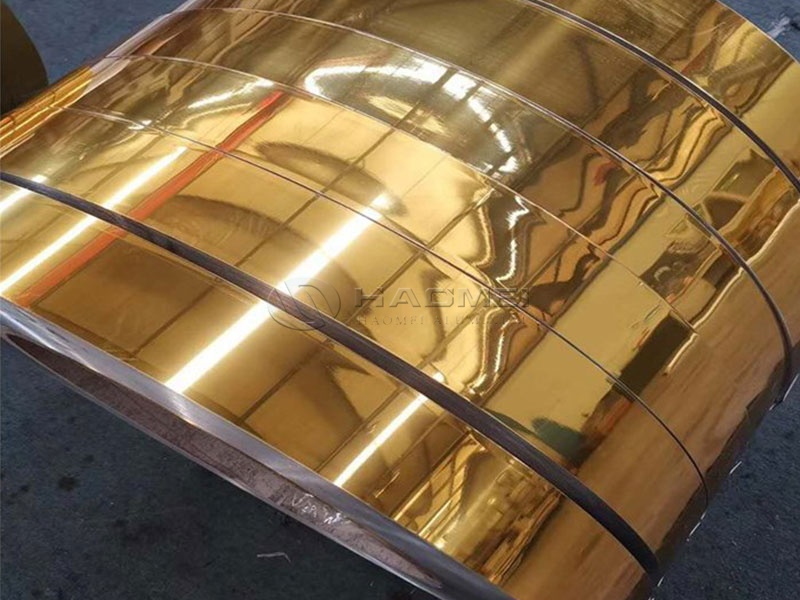
Brush gold color painted aluminum strips combine the warm visual appeal of gold with the clean, directional texture of brushed metal. Produced from aluminum strip and finished with a decorative color coating system, this material offers a premium metallic appearance without the weight, cost, or maintenance demands of solid brass or stainless steel.
The surface presents subtle linear grain patterns that create depth under changing light. It is widely selected for architectural trims, ceiling systems, decorative panels, appliance components, lighting products, signs, furniture edging, and packaging details. With controlled coating thickness and stable aluminum substrate quality, brush gold painted strip supports efficient roll forming, bending, stamping, and slitting.
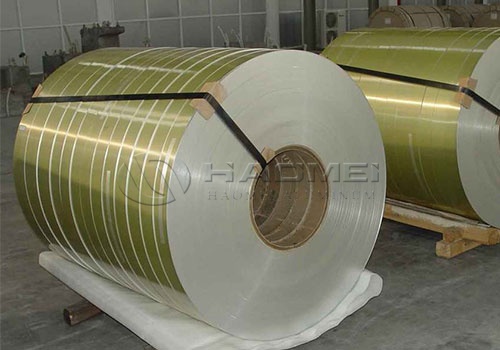
Main Product Characteristics
| Characteristic | Product Value |
|---|---|
| Surface appearance | Brushed gold, satin metallic, hairline grain, or customized decorative texture |
| Base material | Aluminum alloy strip, commonly 1050, 1060, 1100, 3003, or 3105 |
| Coating options | PE, HDPE, SMP, PVDF, epoxy primer, polyester finish |
| Processing suitability | Slitting, roll forming, bending, punching, stamping, profiling |
| Decorative effect | Warm gold tone with controlled metallic reflection and directional grain |
| Weight advantage | Much lighter than stainless steel, brass, or plated steel alternatives |
| Corrosion behavior | Strong resistance when matched with an appropriate coating system |
| Supply form | Coil, slit strip, sheet, or custom-width narrow strip |
Compared with plated metal, painted aluminum provides more flexible color matching and a more economical route for large-area decorative applications. The brushed texture also helps soften glare and can make small handling marks less noticeable than a mirror-polished finish.
Substrate Chemistry
Brush gold color painted aluminum strips can be manufactured on several alloy grades. Alloy selection should match the intended forming level, strength requirement, corrosion exposure, and end-use environment. The values in the table represent typical composition ranges for commonly selected substrate alloys.
| Alloy | Aluminum | Silicon | Iron | Copper | Manganese | Magnesium | Zinc | Typical Use |
|---|---|---|---|---|---|---|---|---|
| 1050 | Balance | ≤0.25% | ≤0.40% | ≤0.05% | ≤0.05% | ≤0.05% | ≤0.05% | Deep drawing, decorative trim |
| 1060 | Balance | ≤0.25% | ≤0.35% | ≤0.05% | ≤0.03% | ≤0.03% | ≤0.05% | General decorative and forming work |
| 1100 | Balance | Si + Fe ≤0.95% | Included | 0.05%–0.20% | ≤0.05% | - | ≤0.10% | Panels, reflectors, formed parts |
| 3003 | Balance | ≤0.60% | ≤0.70% | ≤0.20% | 1.0%–1.5% | - | ≤0.10% | Roofing trim, ceiling, appliance panels |
| 3105 | Balance | ≤0.60% | ≤0.70% | ≤0.30% | 0.30%–0.80% | 0.20%–0.80% | ≤0.40% | Building decoration and roll-formed products |
The 3003 and 3105 series are often preferred where additional strength is needed for formed profiles, cladding accessories, and long decorative strips. Pure aluminum grades offer excellent workability and are suitable for applications requiring tight bends or complex shaping.
Coating Structure and Surface Performance
A stable brush gold finish depends on more than color. It is built through substrate cleaning, chemical pretreatment, primer application, decorative top coating, and controlled curing. The brushed pattern may be embossed, printed, mechanically textured, or created through a specialized coating design.
| Coating Layer | Typical Function | Typical Dry Film Thickness |
|---|---|---|
| Chemical pretreatment | Improves adhesion and corrosion protection | Conversion layer |
| Primer coating | Supports topcoat adhesion and edge protection | 4–8 μm |
| Brush gold topcoat | Provides color, metallic effect, and grain pattern | 15–25 μm |
| Protective film, optional | Reduces handling scratches during fabrication | 30–80 μm |
| PVDF decorative system | Provides enhanced weather resistance for exterior use | 25–35 μm total coating |
For indoor applications, polyester and PE systems provide an attractive balance of appearance, formability, and cost. For sun-exposed façades, exterior signs, curtain-wall accessories, and high-humidity environments, PVDF Coated Aluminum Strip options provide stronger resistance to UV exposure, fading, chalking, and weathering.
Technical Specifications
| Parameter | Standard Range | Custom Capability |
|---|---|---|
| Thickness | 0.20–1.50 mm | Thinner or thicker gauges on request |
| Width | 20–1,600 mm | Precision slit widths available |
| Coil inner diameter | 150 mm, 300 mm, 405 mm, 508 mm | Matched to customer equipment |
| Coil weight | 0.5–5.0 tonnes | Small coils or jumbo coils available |
| Temper | O, H14, H16, H18, H24, H26 | Selected for forming demand |
| Color | Champagne gold, bright gold, antique gold, titanium gold | Sample-matched shades available |
| Gloss | 10–80 GU at 60° | Matte, satin, or semi-gloss finish |
| Surface protection | PE protective film or interleaf paper | Laser-compatible film available |
| Edge condition | Mill edge, slit edge, deburred edge | Controlled burr direction available |
Mechanical and Functional Performance
| Performance Item | Typical Level | Practical Benefit |
|---|---|---|
| Tensile strength | 70–190 MPa, depending on alloy and temper | Supports handling and formed profiles |
| Yield strength | 25–170 MPa, depending on alloy and temper | Allows selection between softness and rigidity |
| Elongation | 2%–30% | Supports bending and shape formation |
| Pencil hardness | HB–2H | Helps resist everyday surface abrasion |
| Coating adhesion | 0–1 grade by cross-hatch testing | Coating remains stable after fabrication |
| Impact resistance | ≥50 kg·cm, typical | Reduces coating damage during processing |
| T-bend performance | 0T–3T, coating dependent | Indicates bendability without cracking |
| Salt spray resistance | 500–1,000 hours, coating dependent | Useful for humid or mildly corrosive settings |
Actual performance should be confirmed against the selected alloy, temper, paint system, coating thickness, and project standard. Exterior projects may require enhanced testing for humidity, UV aging, color retention, and corrosion resistance.
Applications That Benefit From the Brushed Gold Finish
Brush gold painted strip gives products a polished appearance while preserving aluminum's easy fabrication advantages. It can be used in:
- Ceiling grids, suspended ceiling trims, wall panel borders, and interior partitions
- Door frames, window accessories, skirting profiles, and decorative molding
- Appliance fascia, kitchen equipment panels, range hood components, and cabinet edging
- Retail displays, shelving accents, store fixtures, exhibition structures, and sign frames
- Lighting housings, elevator trims, furniture profiles, and electronic equipment casings
- Packaging closures, cosmetic containers, label strips, and premium consumer goods details
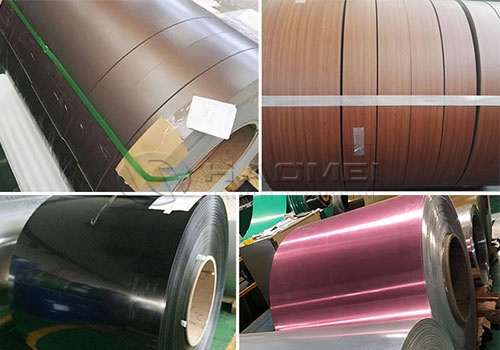
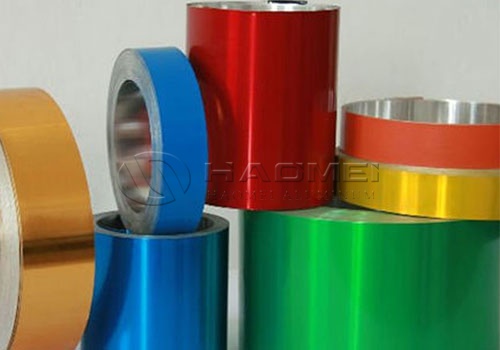
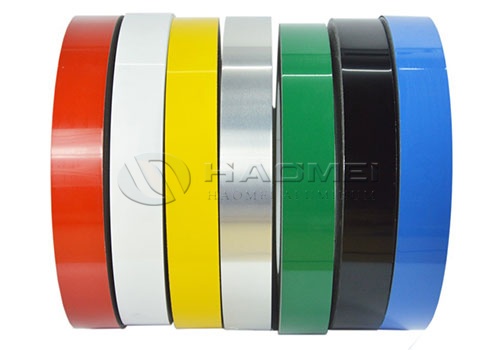
For projects requiring a broader palette of colors and finish types, Color Coated Aluminum Strip materials can be matched with coordinated solid colors, woodgrain surfaces, marble patterns, and other decorative designs.
Benefits for Fabricators and Product Designers
The brush gold surface brings a premium visual identity without relying on complex secondary finishing after fabrication. Pre-painted aluminum reduces painting operations, shortens production cycles, and helps maintain consistent color from batch to batch. The strip can be slit to narrow widths for trims or supplied in wider coils for panel production.
Aluminum also contributes low weight, which can simplify installation and reduce transportation loads. Its natural corrosion resistance works together with the coating system to support long-term decorative service. Unlike heavier metal alternatives, brush gold painted aluminum can be shaped into detailed profiles using conventional roll-forming and press equipment when the appropriate temper is selected.
Handling and Storage Guidance
To protect the decorative face, coils should be stored in dry, ventilated areas away from direct moisture, chemical vapors, and major temperature swings. Protective film should remain in place through forming and installation, then be removed promptly after completion. Avoid dragging sheets or strips across each other, as trapped dust can mark the surface.
For best visual consistency, use material from the same production batch on visible continuous surfaces. Confirm grain direction before cutting or installation, particularly on large panels, long trims, and architectural elements where alignment affects the final decorative effect.
Brush gold color painted aluminum strips deliver a sophisticated metallic finish, dependable processing performance, and flexible specification options for decorative products that need both style and practical durability.