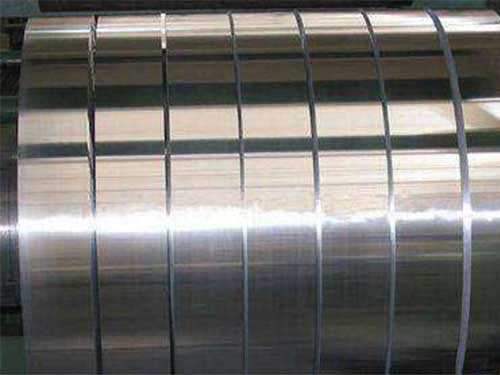
Aluminium Strip 3003 5052 6061 7075
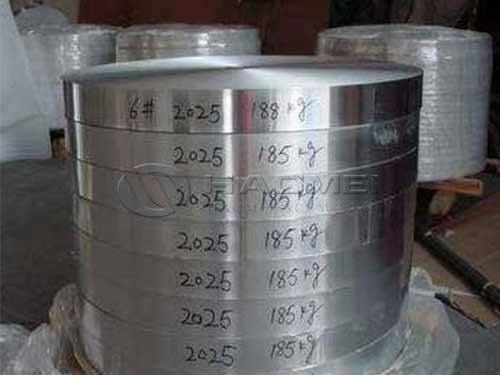
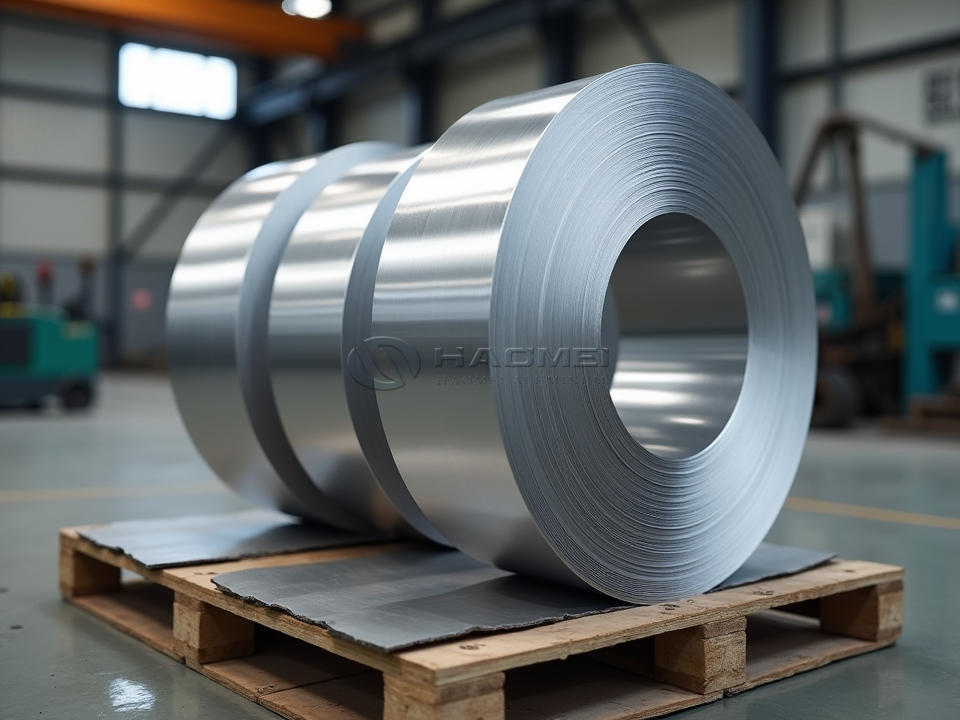
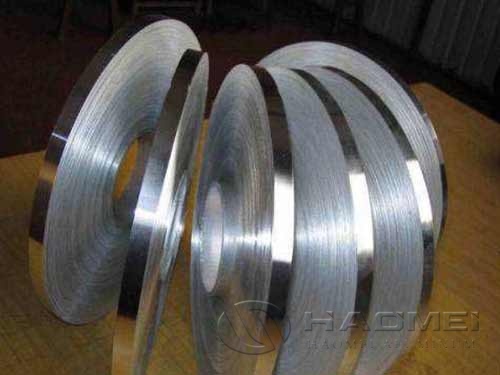
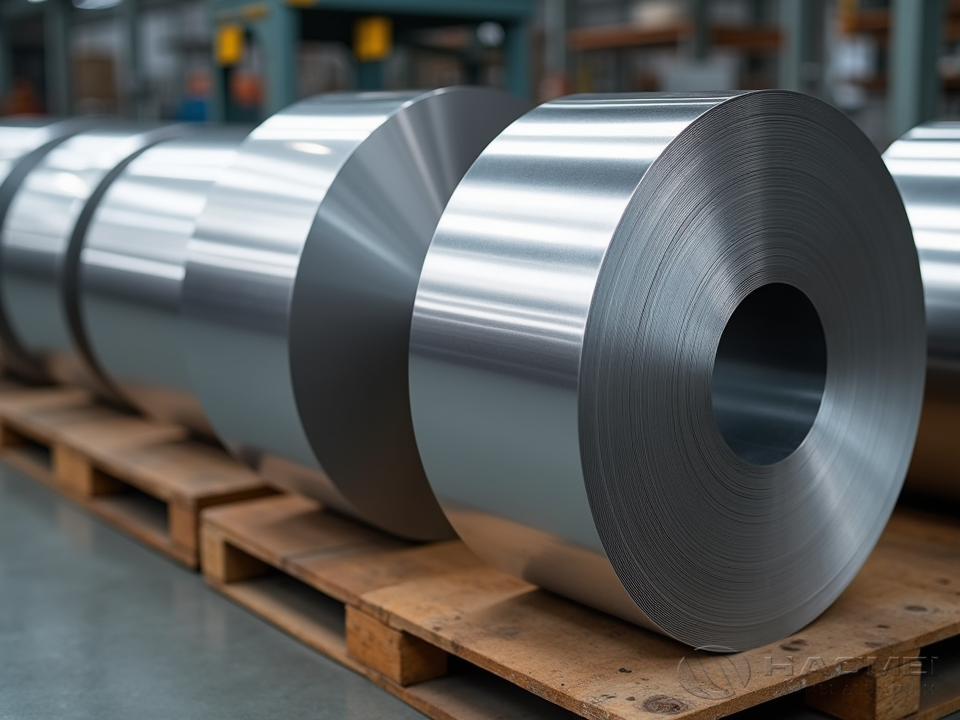
Aluminium strip in 3003, 5052, 6061, and 7075 alloys gives fabricators a practical range of strength, formability, corrosion resistance, and machinability. Supplied in slit coils or cut lengths, these alloys support everything from drawn housings and marine panels to structural brackets and high-strength aerospace components.
Selecting the correct grade starts with the service environment and fabrication route. 3003 is valued for easy forming and economical corrosion resistance. 5052 is a dependable choice for wet, salty, and chemically active environments. 6061 provides a balanced structural material with heat-treatable strength. 7075 delivers exceptionally high strength where weight reduction and load capacity are critical.
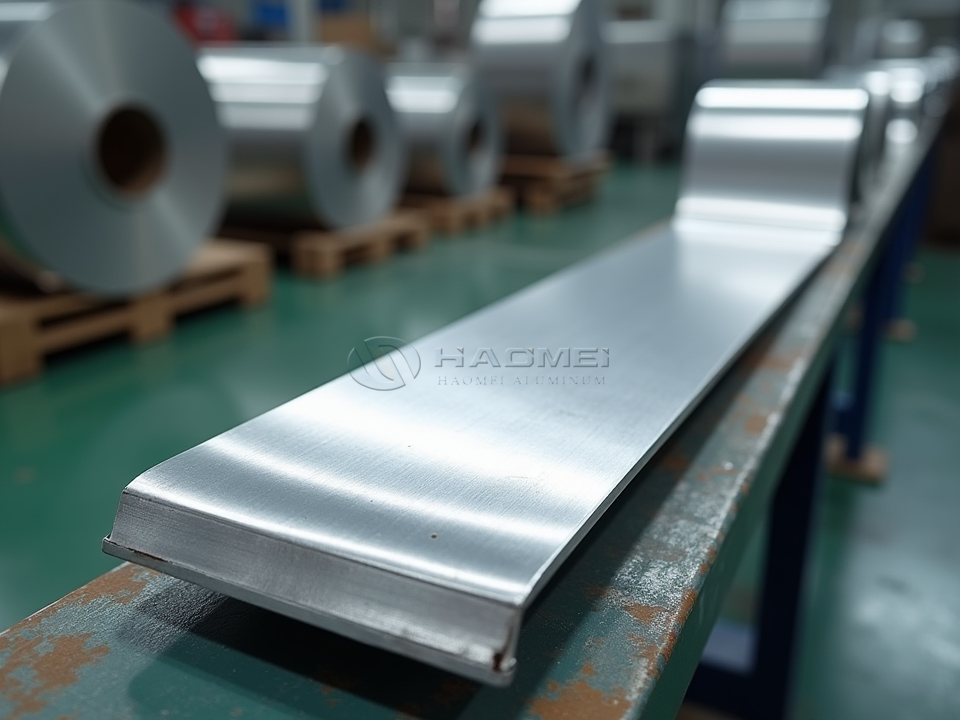
Alloy Characteristics at a Glance
| Alloy | Main Alloying Elements | Defining Advantage | Typical Tempers | Suitable Fabrication Routes |
|---|---|---|---|---|
| 3003 | Mn, Cu | Excellent workability and moderate strength | O, H14, H16, H18 | Bending, stamping, deep drawing, roll forming |
| 5052 | Mg, Cr | Strong corrosion resistance and good fatigue behavior | O, H32, H34, H36 | Forming, bending, welding, marine fabrication |
| 6061 | Mg, Si, Cu, Cr | Heat-treatable structural strength | O, T4, T6, T651 | Machining, forming, welding, structural assembly |
| 7075 | Zn, Mg, Cu, Cr | Very high strength-to-weight ratio | O, T6, T651 | Machining, precision components, high-load parts |
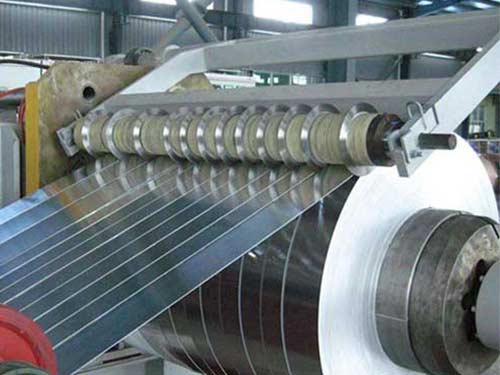
The four grades are available as precision-slit strip for automated stamping and roll-forming lines. Width, thickness tolerance, edge condition, coil weight, surface finish, and temper can be selected to match downstream processing requirements.
Chemical Composition
Composition values shown are typical specification limits in weight percent. Actual certificates should be reviewed for project-specific purchasing requirements.
| Element | 3003 | 5052 | 6061 | 7075 |
|---|---|---|---|---|
| Silicon, Si | 0.60 max | 0.25 max | 0.40-0.80 | 0.40 max |
| Iron, Fe | 0.70 max | 0.40 max | 0.70 max | 0.50 max |
| Copper, Cu | 0.05-0.20 | 0.10 max | 0.15-0.40 | 1.20-2.00 |
| Manganese, Mn | 1.00-1.50 | 0.10 max | 0.15 max | 0.30 max |
| Magnesium, Mg | 0.05 max | 2.20-2.80 | 0.80-1.20 | 2.10-2.90 |
| Chromium, Cr | 0.05 max | 0.15-0.35 | 0.04-0.35 | 0.18-0.28 |
| Zinc, Zn | 0.10 max | 0.10 max | 0.25 max | 5.10-6.10 |
| Titanium, Ti | - | - | 0.15 max | 0.20 max |
| Aluminum, Al | Balance | Balance | Balance | Balance |
Mechanical Performance
Mechanical values depend on thickness, temper, testing direction, and applicable standard. The figures provide useful selection guidance for common strip conditions.
| Alloy and Temper | Tensile Strength, MPa | Yield Strength, MPa | Elongation, % | Relative Formability | Relative Corrosion Resistance |
|---|---|---|---|---|---|
| 3003-H14 | 145-180 | 115 min | 4-10 | Excellent | Good |
| 5052-H32 | 195-240 | 130 min | 7-15 | Very good | Excellent |
| 6061-T6 | 260-310 | 240 min | 8-12 | Moderate | Good |
| 7075-T6 | 510-570 | 435 min | 5-11 | Limited | Moderate |
3003 strip is normally selected where production speed and clean forming matter more than maximum load capacity. Its manganese-based composition improves strength over pure aluminum while retaining a smooth response in bending, pressing, spinning, and shallow drawing operations. It is widely used for heat shields, appliance parts, insulation cladding, lamp components, decorative panels, and general fabrication. For material designed around this balance, see 3003 Aluminum Strip.
5052 strip contains magnesium, giving it higher strength than 3003 and excellent resistance to atmospheric, marine, and industrial corrosion. It performs well in brake forming and can be welded effectively using appropriate filler metal. Typical uses include fuel tanks, boat fittings, transport panels, electrical enclosures, pressure vessels, refrigeration parts, and chemical-processing equipment. Projects requiring robust corrosion performance can use 5052 Aluminum Strip for formed or welded components.
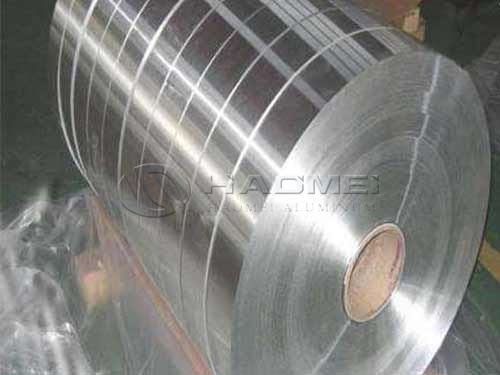
6061 aluminium strip is a heat-treatable alloy frequently specified for medium-to-high-strength structures. In T6 temper, it offers a favorable combination of strength, machinability, dimensional stability, and corrosion resistance. While its forming capability is lower than annealed 3003 or 5052, it is highly effective for brackets, rails, frames, machine guards, electrical bus structures, vehicle parts, and architectural hardware. When tight bends are required, O or T4 temper may be preferable before final heat treatment.
7075 aluminium strip is built for demanding load-bearing applications. Zinc and magnesium create very high strength after solution treatment and aging, allowing lighter sections than many conventional aluminum grades. It is commonly used for aerospace fittings, sporting equipment, precision tooling, defense components, high-performance vehicle parts, and mechanical assemblies. Because 7075 has lower corrosion resistance than 5052 and reduced weldability, protective finishing and mechanical fastening are often preferred in exposed assemblies.
Technical Specifications
| Parameter | Standard Supply Range | Custom Options |
|---|---|---|
| Thickness | 0.20-6.00 mm | Thinner foil strip or heavier gauge on request |
| Width | 10-1,600 mm | Precision slit widths for stamping and roll forming |
| Coil inner diameter | 150 mm, 300 mm, 405 mm, 505 mm | Matched to uncoiler equipment |
| Coil weight | 100-5,000 kg | Controlled coil mass for line handling limits |
| Edge condition | Mill edge, slit edge, deburred edge | Low-burr and precision edge processing |
| Surface | Mill finish, bright finish, brushed, coated | Protective film, anodizing-ready surface |
| Standards | ASTM B209, EN 485, EN 573, GB/T 3880 | Documentation to project standards |
Choosing the Right Strip
| Production Need | Recommended Alloy | Reason |
|---|---|---|
| Deep drawing, light-duty formed parts | 3003 | Easy deformation, stable processing, economical cost |
| Salt spray, moisture, chemical exposure | 5052 | Magnesium alloy chemistry supports durable corrosion resistance |
| Structural frames and machined parts | 6061 | Heat-treated strength with good machining response |
| Maximum strength at minimum weight | 7075 | High tensile and yield strength for demanding loads |
The value of aluminium strip comes from matching alloy behavior to the final part rather than simply choosing the strongest grade. A well-selected temper reduces cracking during forming, improves part consistency, limits scrap, and supports durable service performance. Specify alloy, temper, thickness tolerance, width tolerance, surface condition, edge requirement, coil direction, and packaging method so the strip arrives ready for efficient production.
For applications involving bending, stamping, welding, machining, or corrosive exposure, 3003, 5052, 6061, and 7075 aluminium strip provide a flexible material platform across commercial, transportation, marine, industrial, and aerospace sectors.