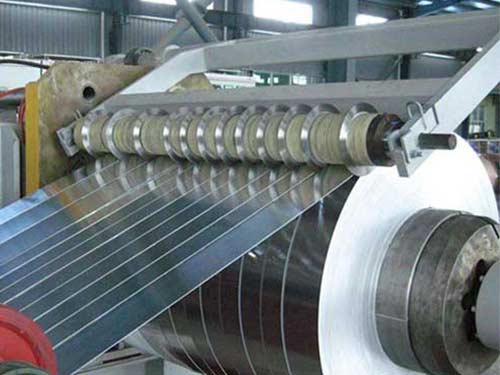
4x8 Aluminum Sheet for Aluminum Strip
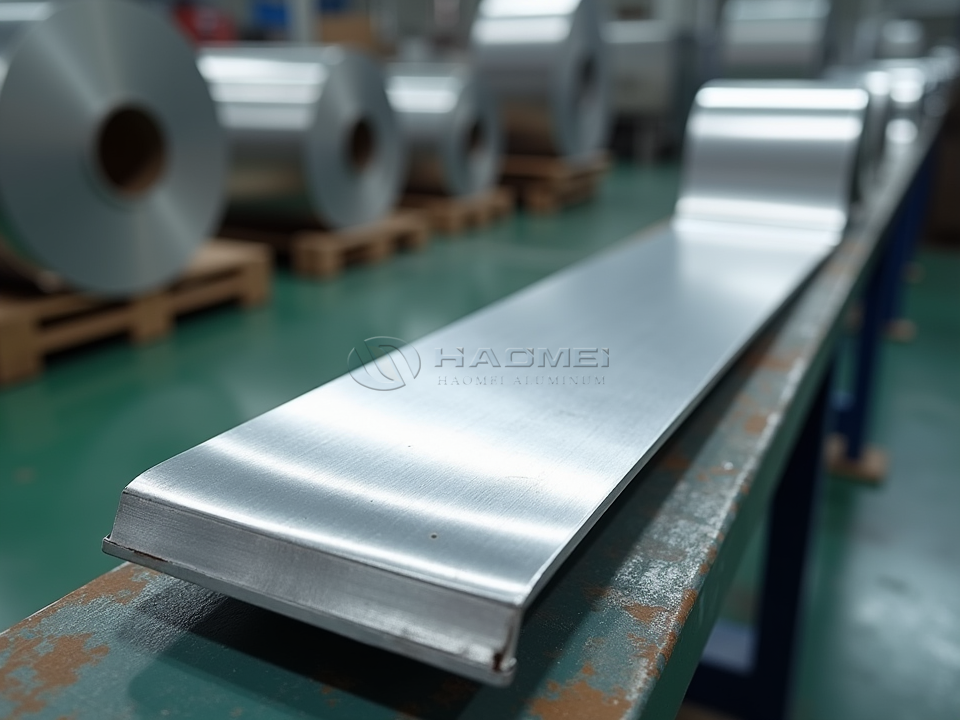
A 4x8 aluminum sheet is more than a flat metal panel. In aluminum strip production, it can serve as a controlled starting format for short-run slitting, prototype development, stamping preparation, repair work, and applications where coil handling is impractical. Measuring 4 feet by 8 feet, or approximately 1,220 x 2,440 mm, this sheet format gives processors a familiar, manageable platform for converting wide aluminum material into narrower strip widths.
The practical value of 4x8 aluminum sheet for aluminum strip lies in control. A fabricator can inspect surface quality, confirm grain direction, test forming behavior, and produce limited strip quantities without committing to a full coil. This makes the format especially useful for electrical parts, lamp caps, cable wrapping, decorative trim, packaging components, HVAC accessories, and stamped products.
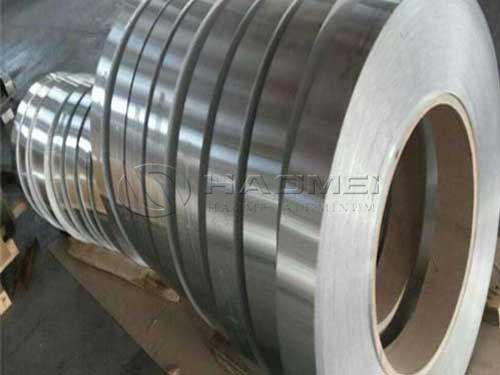
From 4x8 Sheet to Functional Aluminum Strip
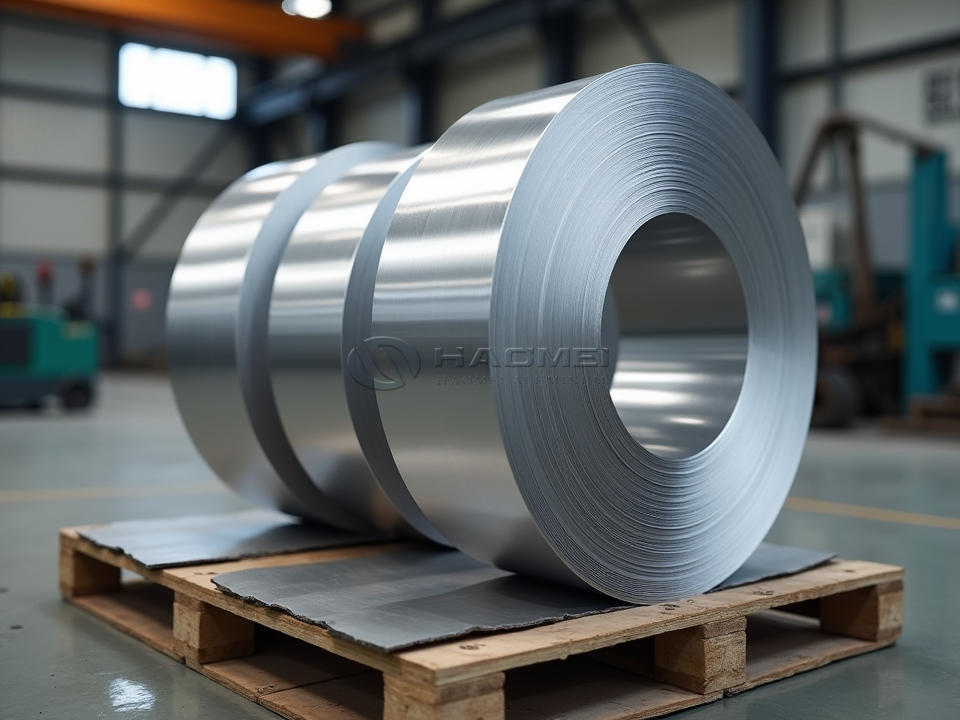
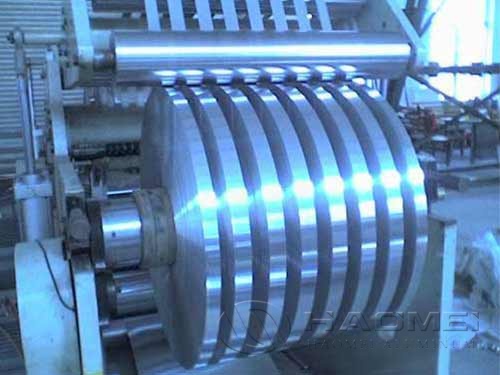
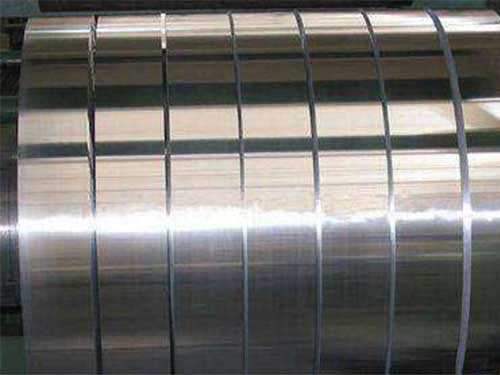
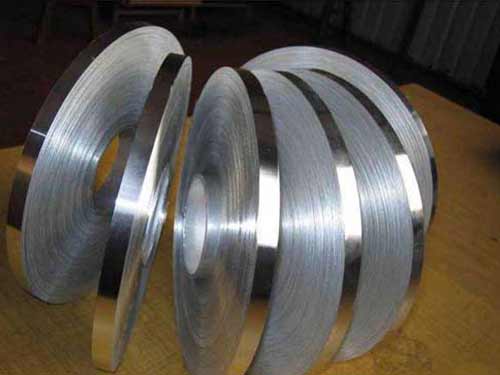
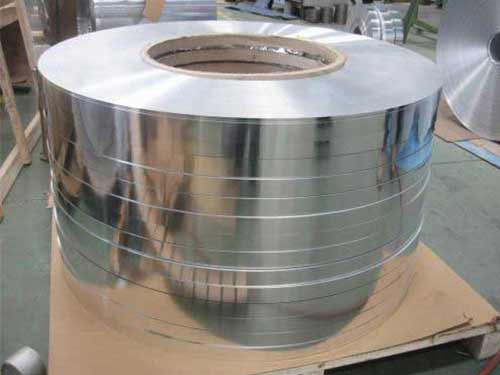
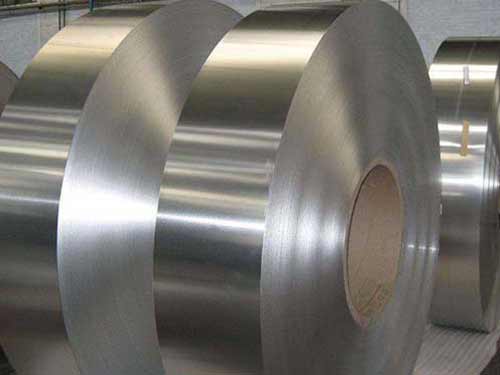
The conversion process normally includes cutting or slitting the sheet into narrower bands. The final strip can be used directly, recoiled where equipment allows, or fed into punching, bending, drawing, insulation laminating, and roll-forming operations. Strip quality is not determined by width alone. Edge condition, flatness, burr height, surface cleanliness, and temper consistency all affect downstream efficiency.
For example, a soft 1050 or 1060 alloy sheet can be slit into strip for transformer winding, lighting reflectors, and deep-drawn components. Its high aluminum content supports good electrical conductivity and excellent formability. Customers seeking this material may select 1050 / 1060 Aluminum Strip when conductivity, bending performance, and a bright finish are priorities.
Stronger alloy sheets such as 3003, 3105, 5052, and 5754 are selected when the strip must resist moisture, vibration, moderate mechanical stress, or outdoor exposure. In particular, 5052 Aluminum Strip is widely used for marine-adjacent equipment, appliance parts, vehicle trim, enclosures, and formed brackets because magnesium improves corrosion resistance and strength.
Common Parameters for 4x8 Aluminum Sheet
The standard 4x8 format is 1,220 x 2,440 mm, although inch-based production may be supplied as 48 x 96 inches. Thickness selection depends on the target strip application and processing method.
| Parameter | Typical Range or Condition |
|---|---|
| Sheet size | 1,220 x 2,440 mm, 4 x 8 ft |
| Thickness | 0.20-6.00 mm for common sheet-to-strip conversion |
| Strip width after slitting | 10-1,200 mm, depending on equipment and thickness |
| Surface | Mill finish, bright, brushed, embossed, coated, PVC protected |
| Edge condition | Mill edge, trimmed edge, slit edge, deburred edge |
| Flatness | Controlled according to thickness, alloy, temper, and end use |
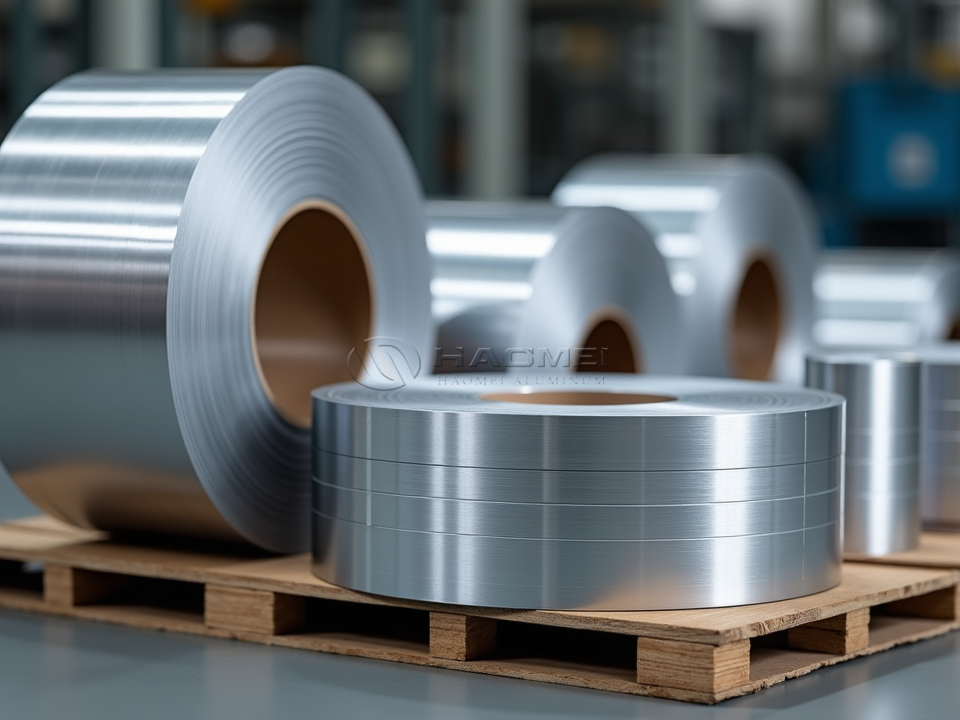
| Packaging | Wooden pallet, moisture-proof paper, plastic film, corner protection |
Thin gauges are common in electrical, packaging, insulation, and decorative strip. Medium gauges are suitable for stamping and roll forming. Heavier sheet is often cut into wider strips for structural brackets, transportation components, and fabrication stock.
A narrow strip cut from a 4x8 sheet should be evaluated as a finished engineering material rather than as a leftover. Excessive burr can damage insulation during transformer winding. Camber can interrupt automated feeding. Oil residue can reduce paint or adhesive bonding. For this reason, slitting clearance, blade sharpness, sheet flatness, and protective packaging deserve attention from the first production step.
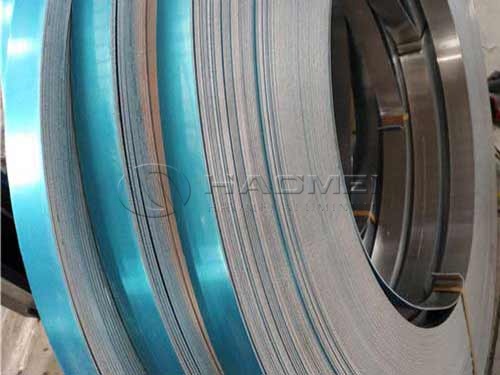
Alloy and Temper Selection
Alloy identifies the chemical foundation of the aluminum sheet. Temper describes the mechanical condition created by rolling, annealing, strain hardening, or heat treatment. Together, they determine whether the resulting strip bends smoothly, holds its shape, resists denting, or survives deep drawing.
| Alloy | Typical Temper | Functional Character | Common Strip Uses |
|---|---|---|---|
| 1050 | O, H14, H24 | High conductivity, soft forming, reflective surface | Transformer strip, lamp parts, chemical equipment |
| 1060 | O, H14, H18 | Very high aluminum content, good ductility | Electrical strip, cable shielding, nameplates |
| 1100 | O, H14, H24 | Good corrosion resistance and workability | Deep drawing, cooking utensils, decorative parts |
| 3003 | O, H14, H24 | Higher strength than pure aluminum | Roofing accessories, heat exchangers, stamped strip |
| 5052 | H32, H34, H36 | Strong corrosion resistance and fatigue performance | Vehicle parts, cabinets, marine-related components |
| 8011 | O, H14, H18 | Stable processing behavior and foil compatibility | Packaging, closures, cable and insulation products |
O temper is fully annealed and offers the greatest softness. It is preferred for deep drawing, folding, spinning, and severe bending. H14 and H24 tempers provide moderate strength while retaining workable formability. H18 is harder and better suited to applications requiring stiffness, though it has less tolerance for sharp bends. For heat-treatable 6xxx series materials, T4 and T6 conditions may be considered where higher strength is needed, although they are less common for highly flexible strip work.
Chemical Properties and Their Practical Effects
Chemical composition influences more than strength. Silicon and iron affect intermetallic particles and surface behavior. Manganese raises strength and improves resistance to certain forms of deformation. Magnesium contributes corrosion resistance and work-hardening response. Copper can increase strength in limited amounts but may reduce corrosion resistance if used excessively.
The table shows representative composition limits in weight percent. Actual mill certificates should be used for contract confirmation.
| Alloy | Si | Fe | Cu | Mn | Mg | Cr | Zn | Al |
|---|---|---|---|---|---|---|---|---|
| 1050 | Si+Fe ≤0.40 | Si+Fe ≤0.40 | ≤0.05 | ≤0.05 | ≤0.05 | - | ≤0.05 | ≥99.50 |
| 1060 | Si+Fe ≤0.35 | Si+Fe ≤0.35 | ≤0.05 | ≤0.03 | ≤0.03 | - | ≤0.05 | ≥99.60 |
| 1100 | Si+Fe ≤0.95 | Si+Fe ≤0.95 | 0.05-0.20 | ≤0.05 | - | - | ≤0.10 | ≥99.00 |
| 3003 | ≤0.60 | ≤0.70 | 0.05-0.20 | 1.00-1.50 | - | - | ≤0.10 | Balance |
| 5052 | ≤0.25 | ≤0.40 | ≤0.10 | ≤0.10 | 2.20-2.80 | 0.15-0.35 | ≤0.10 | Balance |
| 8011 | 0.50-0.90 | 0.60-1.00 | ≤0.10 | ≤0.20 | ≤0.05 | - | ≤0.10 | Balance |
Standards and Inspection Requirements
4x8 aluminum sheet intended for strip conversion is commonly produced in accordance with ASTM B209 or ASTM B209M for aluminum and aluminum-alloy sheet and plate. EN 485-2 covers mechanical properties, while EN 573-3 defines chemical composition requirements for wrought aluminum alloys. GB/T 3880 is also frequently referenced for aluminum sheet and strip in international supply projects.
Inspection should include alloy verification, temper confirmation, thickness measurement, width and length tolerance, diagonal accuracy, flatness, surface condition, and edge quality. For critical electrical or forming work, customers may also require conductivity testing, tensile testing, elongation data, coil-direction marking, and restricted oil levels.
Selecting the Right 4x8 Sheet for Strip Production
Choose high-purity 1050 or 1060 sheet when electrical performance and soft forming matter most. Choose 3003 when added strength is needed without losing practical workability. Choose 5052 when moisture, salt exposure, vibration, or stronger formed parts are involved. Select O temper for drawing and sharp bending, while H14 or H24 is a balanced choice for general stamped strip.
A properly specified 4x8 aluminum sheet creates a dependable path to aluminum strip production. By matching alloy chemistry, temper, thickness, surface condition, and slitting requirements to the final application, manufacturers can reduce waste, protect tooling, and achieve consistent performance from the first cut to the finished component.