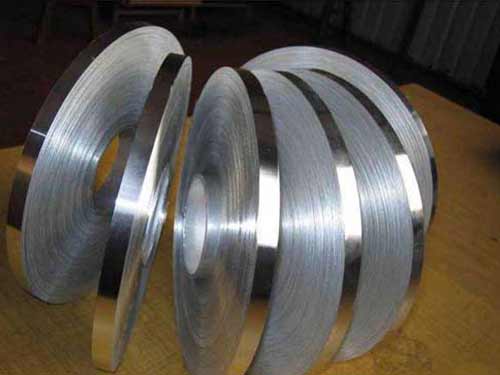
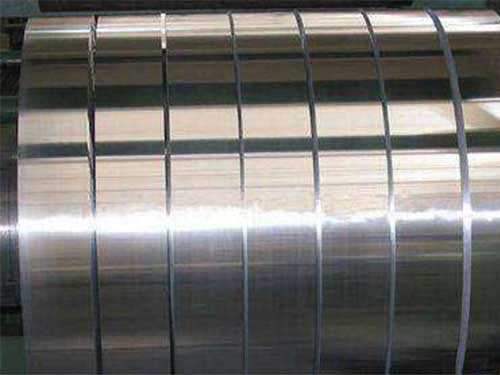
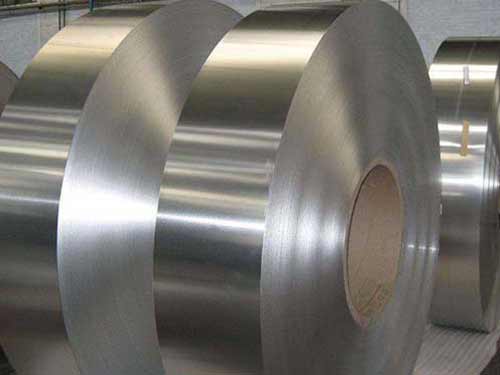
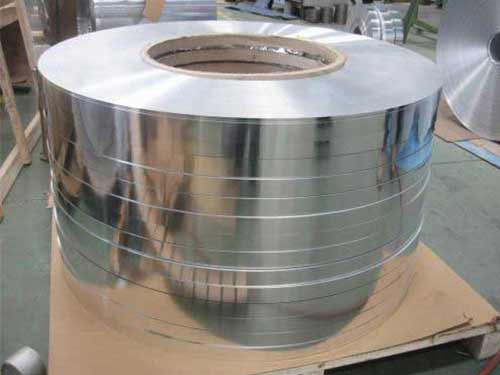
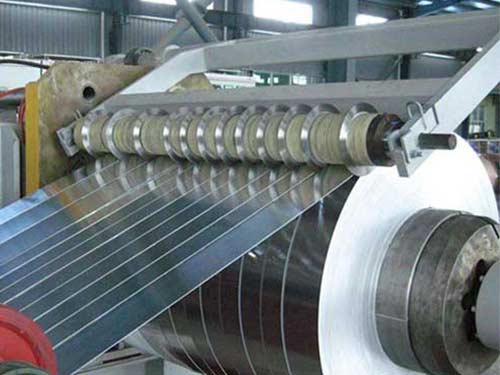
Alloy 3003 3103 3004 5052 Aluminium Strip
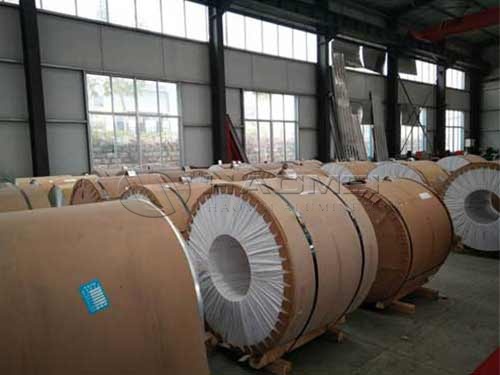
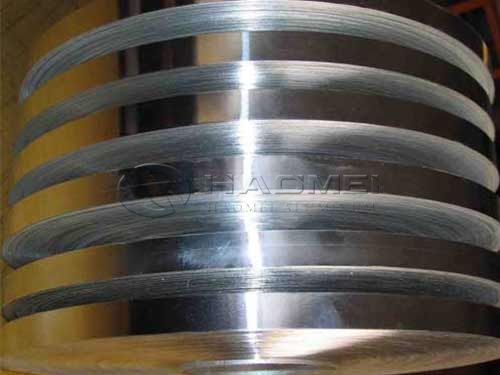
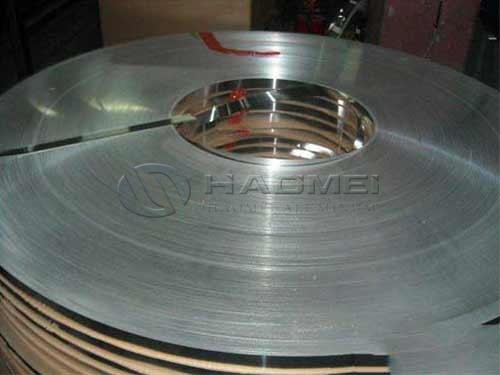
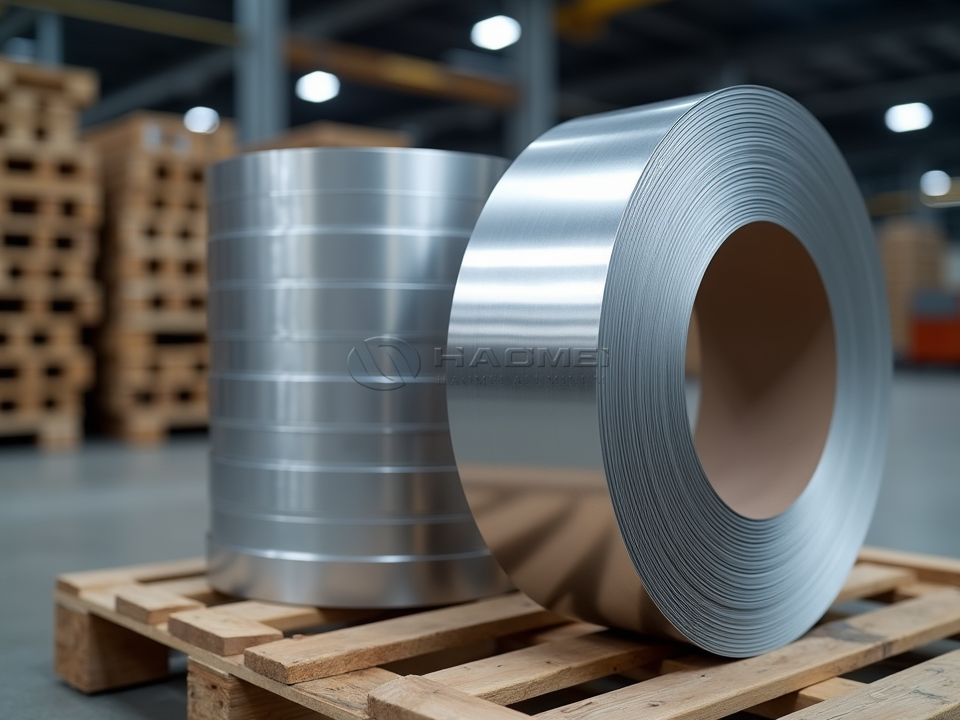
Alloy 3003, 3103, 3004 and 5052 aluminium strip covers a practical family of non-heat-treatable strip materials used where clean surface, stable forming behavior and corrosion resistance matter. These alloys are supplied in coil or narrow slit strip, with tempers selected for bending, deep drawing, roll forming, stamping, coating, welding or assembly.
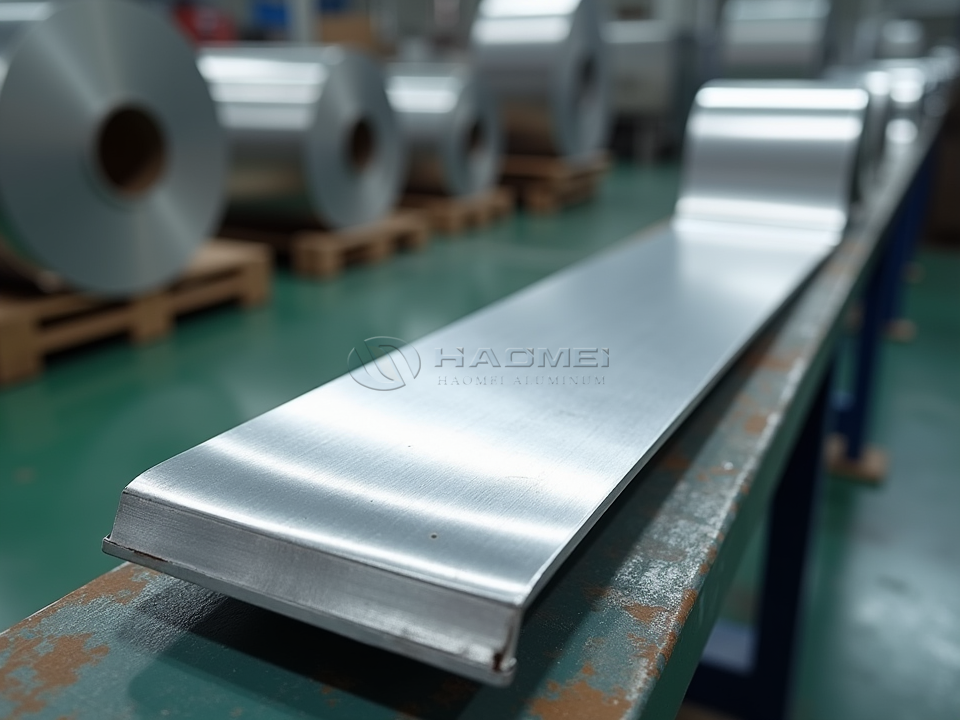
Although these grades look similar at first glance, each alloy has a different balance of manganese, magnesium and chromium. That chemistry changes strength, elongation, work hardening response and resistance to atmosphere, water, chemicals or marine exposure. For buyers, the best choice is usually not the strongest alloy, but the strip that forms reliably, keeps dimensions stable and delivers the required service life.
Alloy character and working behavior
3003 aluminium strip is an Al-Mn alloy known for excellent formability, good weldability and stronger performance than pure aluminium grades such as 1050 or 1060. It is often chosen for drawn parts, heat exchanger components, cookware, building panels and general sheet metal parts. For projects already designed around 3003 Aluminum Strip, control of temper and edge condition is often more important than changing alloy.
3103 aluminium strip is close to 3003 in use, with a controlled manganese range that supports good forming and corrosion resistance. It is common in insulation jacketing, heat exchanger fins, roofing components, painted strip and HVAC parts. It is a reliable option when moderate strength, consistent coating response and good bendability are needed.
3004 aluminium strip adds magnesium to the Al-Mn system. This raises strength while retaining good ductility, making it suitable for can stock, lamp bases, closures, shutter strip, painted building materials and formed housings. Compared with 3003, 3004 carries higher load capacity after forming and provides better dent resistance in thin gauges.
5052 aluminium strip is an Al-Mg alloy with higher strength and excellent corrosion resistance, especially in damp, salt-laden or industrial environments. It is widely used for marine parts, cable armor, battery components, fuel tanks, brackets, electronic shells and stamped structural covers. When a project requires stronger corrosion protection with good bending performance, 5052 Aluminum Strip is often the preferred grade.
Typical chemical composition
Composition values are typical commercial ranges. Final production should follow the agreed standard, such as ASTM, EN, GB or customer specification.
| Alloy | Si | Fe | Cu | Mn | Mg | Cr | Zn | Al |
|---|---|---|---|---|---|---|---|---|
| 3003 | ≤0.60 | ≤0.70 | 0.05-0.20 | 1.00-1.50 | -- | -- | ≤0.10 | Remainder |
| 3103 | ≤0.50 | ≤0.70 | ≤0.10 | 0.90-1.50 | ≤0.30 | -- | ≤0.20 | Remainder |
| 3004 | ≤0.30 | ≤0.70 | ≤0.25 | 1.00-1.50 | 0.80-1.30 | -- | ≤0.25 | Remainder |
| 5052 | ≤0.25 | ≤0.40 | ≤0.10 | ≤0.10 | 2.20-2.80 | 0.15-0.35 | ≤0.10 | Remainder |
Manganese in 3003 and 3103 improves strength without sacrificing forming quality. Magnesium in 3004 and 5052 increases tensile strength and work hardening. Chromium in 5052 helps stabilize the structure and improves resistance to certain corrosion modes.
Mechanical reference values
Actual results depend on thickness, rolling route, annealing practice and testing direction. The values shown are useful for material comparison during early selection.
| Alloy and temper | Tensile strength, MPa | Yield strength, MPa | Elongation, % | General forming note |
|---|---|---|---|---|
| 3003 O | 95-130 | 35-55 | 20-30 | Excellent deep drawing and spinning |
| 3003 H14 | 140-180 | 115-150 | 4-10 | Good bending and stamping |
| 3103 H14 | 135-175 | 110-145 | 5-12 | Stable for fins, panels and jacketing |
| 3004 H19 | 260-300 | 240-285 | 2-6 | High strength for thin strip and can stock |
| 5052 H32 | 210-260 | 160-215 | 8-15 | Strong with reliable bending |
| 5052 H34 | 235-285 | 180-240 | 6-12 | Better rigidity for covers and brackets |
For tight-radius forming, softer tempers such as O, H12 or H22 reduce cracking risk. For flat strip parts requiring spring and dent resistance, H14, H24, H32 and H34 are often more suitable. Very hard tempers require careful die radius, lubrication and grain direction control.
Processing features customers care about
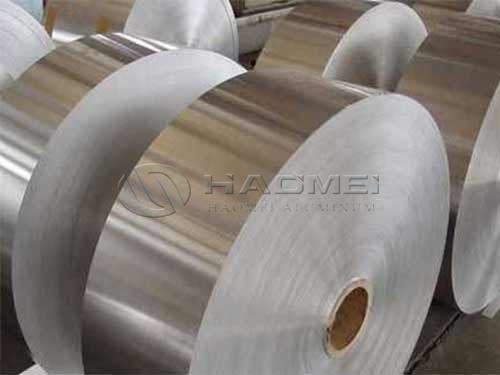
A well-made aluminium strip should feed smoothly into high-speed equipment. Slitting burr, camber, coil telescoping and surface scratches can affect production more than nominal chemistry. For stamping and roll forming, stable thickness tolerance helps maintain die clearance and part repeatability. For heat exchanger fins or closure stock, surface cleanliness supports welding, brazing, coating or printing.
| Parameter | Common supply range | Why it matters |
|---|---|---|
| Thickness | 0.15-3.00 mm, with custom ranges available | Controls part weight, rigidity and forming load |
| Width | Narrow slit strip to wide coil | Matches progressive dies, fin lines or roll formers |
| Temper | O, H12, H14, H16, H18, H22, H24, H32, H34 | Sets strength and bending behavior |
| Surface | Mill finish, degreased, brushed, coated or painted | Supports appearance and downstream treatment |
| Edge | Slit edge, deburred edge, rounded edge on request | Reduces feeding issues and operator handling risk |
| Coil ID | 300 mm, 405 mm, 508 mm or specified | Fits decoilers and automated feeding systems |
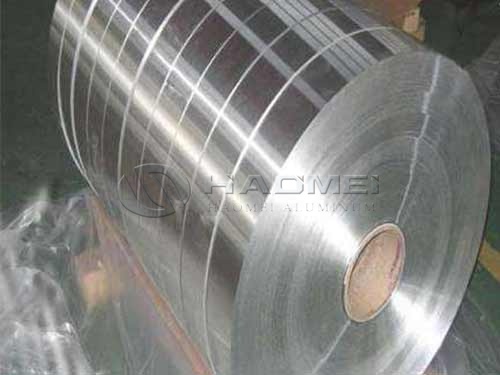
Good flatness is especially important for painted strip, cable strip and precision stamping. For narrow coil, controlled tension during slitting and rewinding reduces wave, loose winding and edge damage.
Applications by alloy
3003 aluminium strip is widely used for cookware, decorative trim, radiator parts, heat exchanger fins, pressure-free containers, roofing accessories, lamp components and general stamped products. Its balance of cost, formability and corrosion resistance makes it a strong everyday material.
3103 aluminium strip performs well in building cladding, insulation jacketing, HVAC fins, duct components, gutters, painted panels and reflector parts. It responds well to coating lines and remains dependable after bending or light forming.
3004 aluminium strip is preferred where higher strength is needed in thin material. It is common in beverage can bodies, closures, lamp cap shells, blinds, shutters, rolled panels, sign materials and packaging components. The alloy is especially useful when a thin strip must resist denting after forming.
5052 aluminium strip serves more demanding environments. It is used for marine fittings, cable wrapping, electrical enclosures, vehicle panels, battery pack parts, tank components, instrument housings and stamped brackets. It is also suitable for products exposed to moisture, road salt or outdoor weather.
Choosing the right grade
Choose 3003 when the part needs excellent forming, moderate strength and economical performance. Choose 3103 when coating quality, consistent bending and heat-exchanger or construction use are priorities. Choose 3004 when higher strength is required without moving to a more expensive alloy family. Choose 5052 when corrosion resistance and structural reliability are more important than maximum softness.
The final decision should consider thickness, temper, forming radius, surface finish, welding method and operating environment. A strip that passes chemical inspection can still fail in production if the temper is too hard, the burr is too high or the coil winding is unstable. For this reason, successful ordering should include alloy, temper, thickness, width, tolerance, surface demand, edge condition, coil weight and packaging method.
Alloy 3003 3103 3004 5052 aluminium strip offers a flexible material platform for fast-moving industrial production. With the right alloy and temper combination, customers can gain clean forming, dependable corrosion resistance, efficient coil feeding and a finished part that performs well in daily service.