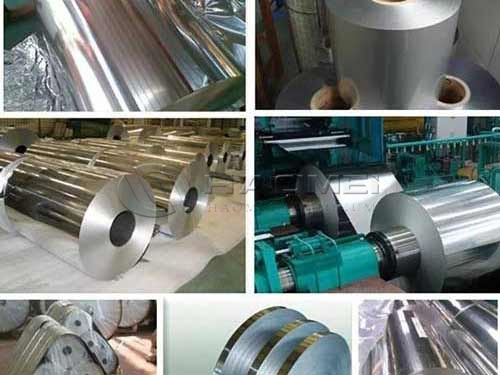
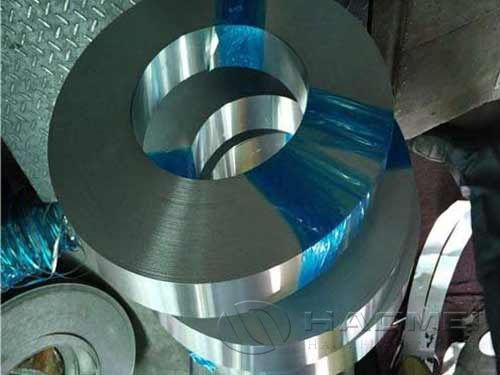
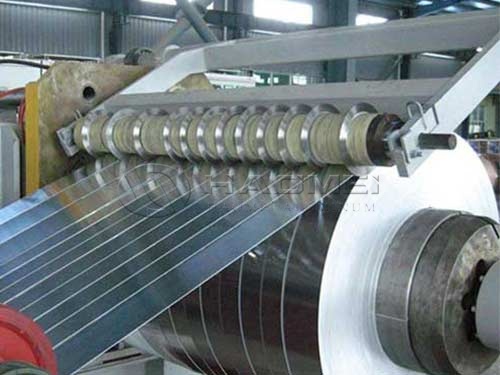
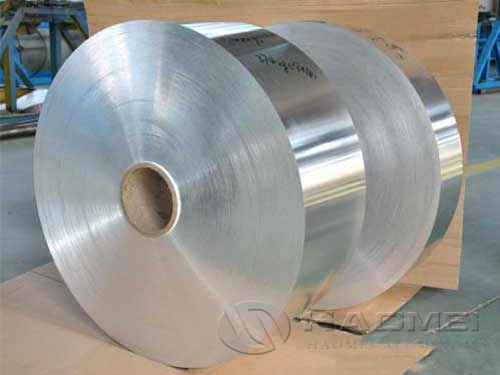
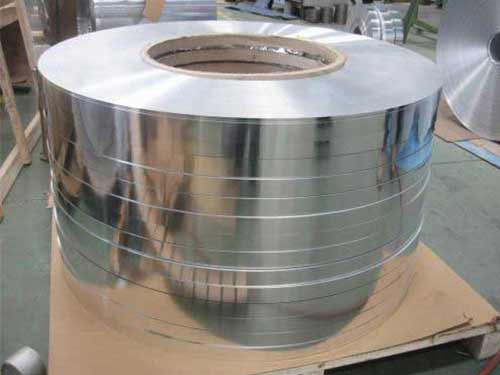
3mm Thickness Alloy Aluminum Strip
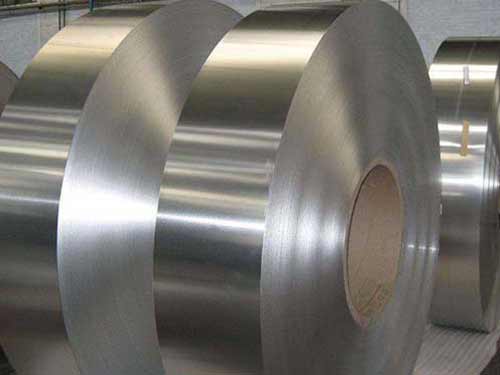
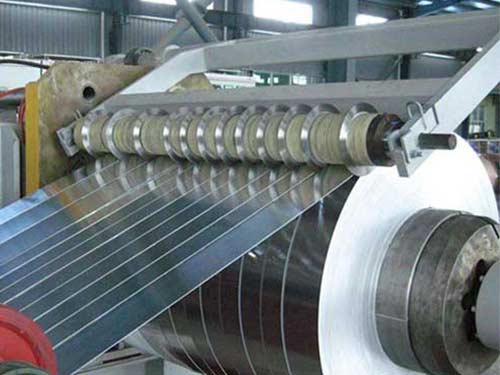
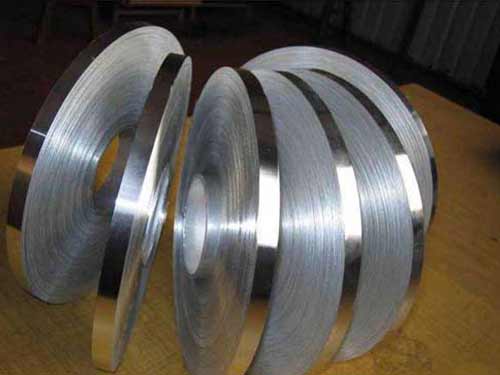
3mm thickness alloy aluminum strip is a versatile semi-finished material designed for structural, decorative, forming, and industrial fabrication work. Supplied in coil or cut-strip form, it combines aluminum's low density with the strength, corrosion resistance, and workability contributed by alloying elements such as manganese, magnesium, silicon, and copper.
At 3mm thickness, the strip offers a practical balance between rigidity and processability. It is substantially stronger and more dent-resistant than thin-gauge strip, while remaining suitable for bending, punching, stamping, welding, machining, and roll forming. This makes it a dependable choice for components that must stay lightweight without sacrificing service life.
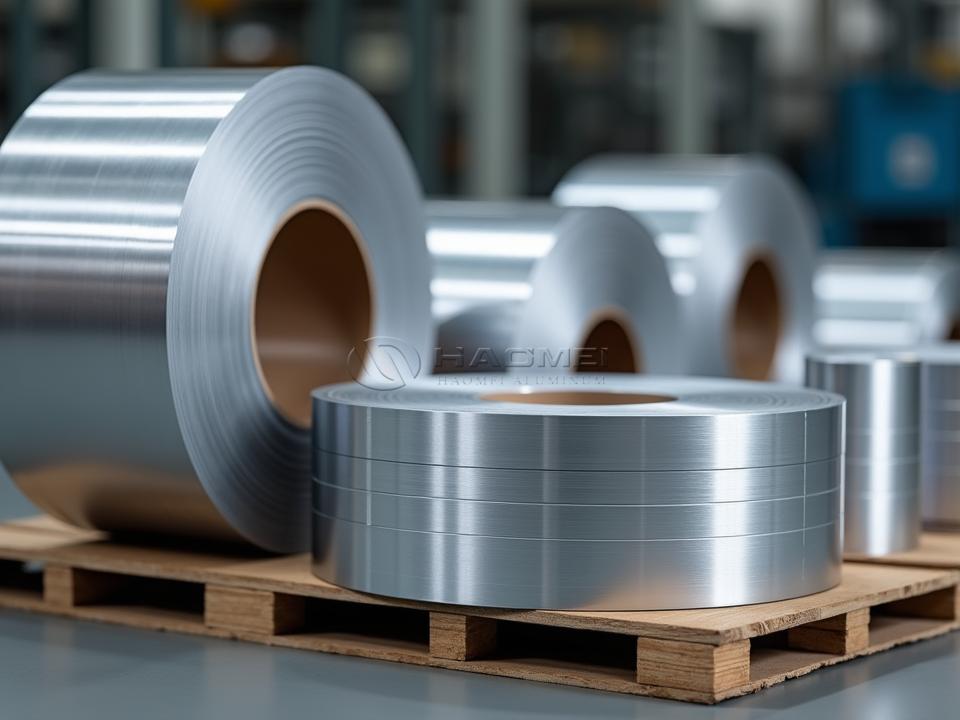
Material Characteristics
The performance of a 3mm aluminum strip depends on alloy grade, temper, surface condition, and final processing method. Commercially pure grades provide excellent conductivity and formability, while manganese and magnesium alloy grades deliver improved strength and resistance to atmospheric or marine exposure.
| Property | Performance Value | Production Benefit |
|---|---|---|
| Nominal thickness | 3.00 mm | Suitable for rigid formed and fabricated parts |
| Aluminum density | Approx. 2.70 g/cm³ | Reduces component weight versus steel |
| Melting range | Approx. 580-660°C | Supports welding and thermal processing selection |
| Thermal conductivity | 120-237 W/m·K, alloy dependent | Effective heat transfer for enclosures and thermal parts |
| Electrical conductivity | Approx. 30-61% IACS | Useful for selected electrical and grounding applications |
| Corrosion resistance | Good to excellent | Extends life in humid, outdoor, and industrial settings |
| Recyclability | 100% recyclable | Supports material recovery and circular production |
A 3mm strip can be supplied with mill finish, brushed finish, polished finish, embossed texture, painted coating, anodized surface, or protective film. Surface selection should match the intended exposure, visual requirement, and forming severity. For example, painted strip is appropriate for visible architectural trim, while mill-finish material is often selected for fabricated brackets, machine guards, and concealed parts.
Available Alloy Grades
| Alloy Grade | Principal Alloying Elements | Typical Strength Level | Notable Characteristics | Suitable Uses |
|---|---|---|---|---|
| 1050 | High-purity aluminum | Low | Excellent conductivity, soft forming response | Electrical parts, reflectors, general fabrication |
| 1060 | High-purity aluminum | Low | Good elongation and corrosion resistance | Transformer components, decorative strip |
| 3003 | Manganese | Medium | Good formability with higher strength than 1xxx grades | Roofing trim, tanks, cladding, stamped parts |
| 3004 | Manganese, magnesium | Medium to high | Improved mechanical performance | Formed panels, industrial housings |
| 5052 | Magnesium, chromium | Medium to high | Strong corrosion resistance and weldability | Marine parts, transport panels, cabinets |
| 6061 | Magnesium, silicon | High | Good machining and structural capability | Frames, supports, mechanical assemblies |
For applications requiring dependable forming and general corrosion resistance, 3003 Aluminum Strip is a widely used option. Where moisture, salt spray, or chemical exposure is more demanding, 5052 Aluminum Strip provides a stronger magnesium-alloy alternative.
Typical Chemical Composition
Chemical composition values vary slightly by applicable standard, mill practice, and product certification. The table presents common composition ranges in weight percent.
| Alloy | Si | Fe | Cu | Mn | Mg | Cr | Zn | Al |
|---|---|---|---|---|---|---|---|---|
| 1050 | ≤0.25 | ≤0.40 | ≤0.05 | ≤0.05 | ≤0.05 | - | ≤0.05 | ≥99.50 |
| 3003 | ≤0.60 | ≤0.70 | 0.05-0.20 | 1.00-1.50 | - | - | ≤0.10 | Balance |
| 3004 | ≤0.30 | ≤0.70 | ≤0.25 | 1.00-1.50 | 0.80-1.30 | - | ≤0.25 | Balance |
| 5052 | ≤0.25 | ≤0.40 | ≤0.10 | ≤0.10 | 2.20-2.80 | 0.15-0.35 | ≤0.10 | Balance |
| 6061 | 0.40-0.80 | ≤0.70 | 0.15-0.40 | ≤0.15 | 0.80-1.20 | 0.04-0.35 | ≤0.25 | Balance |
Technical Specifications
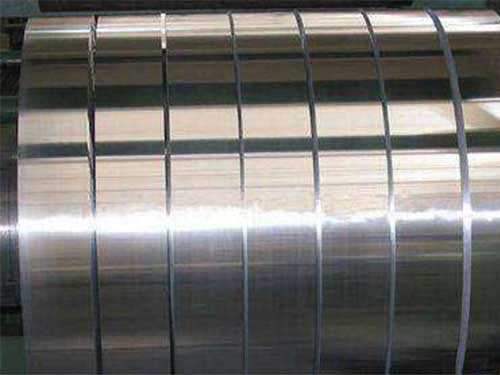
3mm alloy aluminum strip can be tailored for equipment builders, fabricators, transport companies, and construction processors. Coil geometry, slit width, edge preparation, and temper should be confirmed before production to reduce downstream waste.
| Specification Item | Standard Supply Range | Customization Considerations |
|---|---|---|
| Thickness | 3.00 mm nominal | Tolerance according to agreed standard or drawing |
| Width | 20-1,600 mm | Narrow slit coils and wider cut strips available |
| Coil inner diameter | 150 mm, 300 mm, 400 mm, 505 mm, 610 mm | Selected for decoiler compatibility |
| Coil weight | 500-5,000 kg typical | Controlled by handling and equipment limits |
| Temper | O, H12, H14, H16, H18, H32, H34, T4, T6 | Chosen for forming or strength requirement |
| Edge condition | Mill edge, slit edge, deburred edge | Deburring improves safe handling and assembly |
| Surface | Mill, brushed, stucco, painted, anodized | Selected for appearance and service environment |
| Applicable standards | ASTM, EN, JIS, GB | Certification can be matched to project needs |
Mechanical Performance
Mechanical values are influenced by grade and temper. Annealed material is preferred where deep bending or complex shaping is required. Strain-hardened and heat-treated tempers provide increased resistance to deformation for structural parts.
| Alloy and Temper | Tensile Strength | Yield Strength | Elongation | Forming Profile |
|---|---|---|---|---|
| 1050-O | 60-100 MPa | ≥20 MPa | ≥25% | Excellent for bending and drawing |
| 3003-H14 | 130-170 MPa | ≥115 MPa | ≥3% | Balanced rigidity and workability |
| 3004-H34 | 220-285 MPa | ≥180 MPa | ≥3% | Stronger formed-panel performance |
| 5052-H32 | 190-240 MPa | ≥130 MPa | ≥7% | Excellent for welded, corrosion-resistant parts |
| 6061-T6 | 260-310 MPa | ≥240 MPa | ≥8% | High-strength machined or structural parts |
Practical Applications
The 3mm format is especially valuable when thin sheet is too flexible and plate is unnecessarily heavy or difficult to process. Its coil form supports continuous fabrication and efficient material utilization in high-volume operations.
| Application Area | Common Components | Preferred Alloy Direction |
|---|---|---|
| Building and construction | Flashing, trims, façade supports, ceiling systems | 3003, 3004, 5052 |
| Transportation | Trailer panels, flooring trims, protective covers | 5052, 6061 |
| Electrical equipment | Cabinet shells, mounting rails, busbar covers | 1050, 1060, 3003 |
| HVAC and refrigeration | Duct accessories, equipment panels, protective guards | 3003, 5052 |
| Marine and outdoor equipment | Covers, brackets, storage boxes, housings | 5052 |
| Machinery fabrication | Guards, support strips, formed channels, frames | 3003, 5052, 6061 |
| Interior decoration | Wall panels, furniture elements, display structures | 1050, 3003, 5005 |
Processing and Selection Guidance
For bending operations, select an adequate inside bend radius and align bend direction with rolling direction where possible. Softer O temper material tolerates tighter forming, while H-temper products offer better flatness and stiffness but require more conservative bending practices. Lubrication and clean tooling help prevent surface scratching during stamping or roll forming.
Welding performance is particularly favorable for 3003 and 5052 alloys. TIG and MIG welding can produce durable joints when compatible filler metal, cleaning practice, and heat input are properly controlled. 6061 provides stronger structural performance but may experience softening in the heat-affected zone after welding, which should be considered during design.
Customers should define alloy, temper, width, coil orientation, surface finish, dimensional tolerance, and intended end use at the inquiry stage. This information enables the strip to be matched closely to fabrication equipment and service conditions.
Value for Fabricators and End Users
3mm thickness alloy aluminum strip delivers a durable, lightweight, and adaptable material platform for demanding fabricated products. Its corrosion resistance reduces maintenance needs, its favorable strength-to-weight ratio supports efficient designs, and its coil format helps streamline cutting and forming operations. With a suitable alloy and temper selection, the material can serve equally well in decorative panels, industrial enclosures, transport equipment, marine hardware, and structural support components.