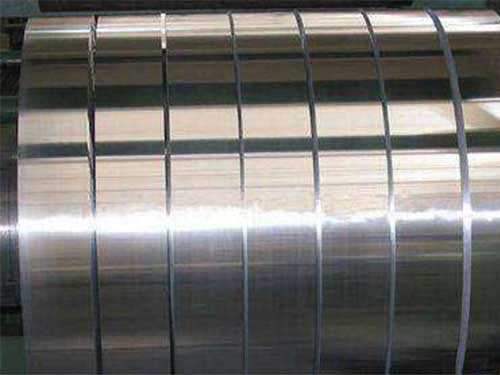
1100 H26 Aluminum Strip
1100 H26 aluminum strip is a commercially pure aluminum material designed for applications that need a practical balance of formability, surface quality, corrosion resistance, and moderate strength. With a minimum aluminum content of 99.0%, Alloy 1100 is valued for its clean processing behavior and dependable performance in fabricated parts.
The H26 temper means the strip has been strain hardened and partially annealed to a three-quarter-hard condition. Compared with soft O temper material, 1100 H26 aluminum strip offers greater resistance to bending, denting, and deformation. Compared with fully hard H28 material, it retains more flexibility for moderate forming operations. This middle-ground behavior makes it a preferred choice for stampings, lamp components, reflectors, decorative trim, metal nameplates, insulation jackets, and general industrial parts.
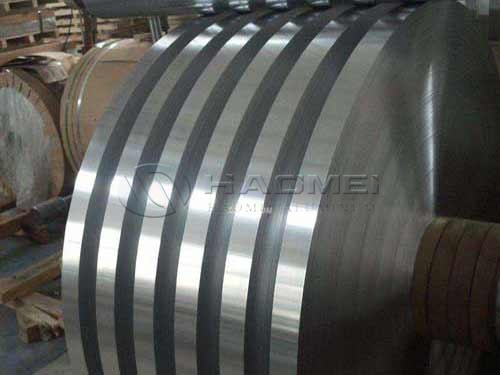
Material Character and H26 Temper
Alloy 1100 belongs to the 1xxx aluminum family. Its low alloy content supports excellent electrical and thermal conductivity while preserving the natural corrosion resistance associated with aluminum. It is not intended for high-load structural service, but it performs very well where light weight, appearance, and fabrication efficiency matter.
The H26 temper is often described as three-quarter hard. The material receives cold rolling to increase strength, followed by controlled partial annealing. This process produces a strip that is firmer than H24 material while remaining more workable than H28. It is particularly suitable where a component must keep its shape after bending, shallow drawing, punching, or roll forming.
| Property | Typical Characteristic of 1100 H26 Aluminum Strip |
|---|---|
| Alloy designation | AA 1100 / EN AW-1100 |
| Temper | H26, strain hardened and partially annealed |
| Aluminum content | 99.0% minimum |
| Density | Approximately 2.71 g/cm³ |
| Tensile strength | Approximately 110-150 MPa, depending on gauge and specification |
| Yield strength | Approximately 85 MPa minimum, subject to product standard |
| Elongation | Commonly 3-8%, depending on thickness and test direction |
| Electrical conductivity | Approximately 59% IACS |
| Thermal conductivity | High, approximately 220 W/m·K |
| Corrosion resistance | Excellent in normal atmospheric environments |
| Weldability | Good by TIG, MIG, and resistance welding methods |
| Machinability | Fair; suitable tooling and lubrication are recommended |
Mechanical values can vary with strip thickness, width, production route, and the governing standard. Customers should confirm final requirements for tensile strength, elongation, flatness, edge condition, and coil dimensions before production approval.
Chemical Composition
The controlled chemistry of 1100 aluminum supports its bright surface response, conductivity, and resistance to many everyday corrosive environments. Iron and silicon are present in limited quantities, while copper provides a small contribution to strength.
| Element | Typical Specification Limit, % |
|---|---|
| Aluminum, Al | 99.00 minimum |
| Silicon + Iron, Si + Fe | 0.95 maximum |
| Copper, Cu | 0.05-0.20 |
| Manganese, Mn | 0.05 maximum |
| Zinc, Zn | 0.10 maximum |
| Other elements, each | 0.05 maximum |
| Other elements, total | 0.15 maximum |
Features That Support Efficient Production
1100 H26 aluminum strip is lightweight, easy to handle, and compatible with many conventional metalworking operations. Its surface may be supplied with mill finish, bright finish, brushed treatment, embossed patterns, color coating, protective film, or customer-specified finishing.
Its moderate hardness helps stamped parts maintain cleaner geometry than softer tempers. It can be blanked, pierced, bent, rolled, beaded, and shallow drawn with appropriate die design. For severe deep drawing or highly complex shapes, a softer temper such as H14 or O may provide greater forming latitude. H26 is better suited to parts where dimensional retention after forming is more important than maximum draw depth.
The strip also has strong thermal and electrical transfer properties. These characteristics support its use in heat-spreading components, lamp parts, electrical accessories, and protective jacketing. In dry indoor or ordinary outdoor conditions, the natural aluminum oxide film helps protect the surface from progressive corrosion. For marine exposure, strongly alkaline media, or demanding chemical service, material selection should be evaluated carefully.
Common Applications
1100 H26 aluminum strip serves a broad range of industries because it combines economy with dependable processing behavior. In lighting production, it is used for lamp caps, reflector elements, decorative rings, housings, and trim. Its bright finish potential can enhance visual appeal, while its thermal conductivity helps dissipate heat from lighting assemblies.
In stamping plants, the material is used for shallow-drawn cups, tags, covers, clips, seals, plates, small appliance components, and hardware parts. The H26 temper provides useful rigidity for flat stamped pieces and formed profiles that must resist handling damage.
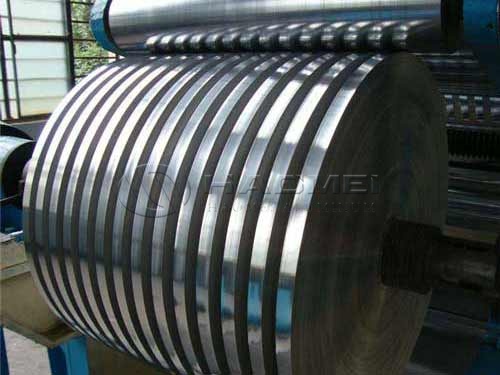
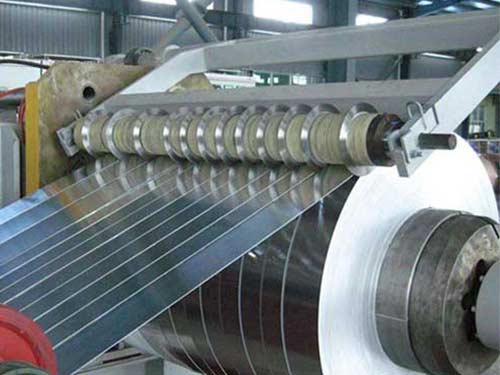
Building and insulation applications include pipe cladding, moisture barriers, jacketing bands, decorative edging, ceiling accessories, and lightweight protective covers. The strip can also be slit into narrow widths for roll-forming lines and automated fabrication equipment.
Electrical and industrial uses include transformer-related parts, cable protection elements, conductive accessories, heat-transfer fins, instrument panels, and general-purpose metal packaging components. When a project needs slightly higher strength with corrosion resistance, materials such as 3003 Aluminum Strip may be considered. When conductivity and high aluminum purity are the main priorities, 1050 / 1060 Aluminum Strip can also be a suitable alternative.
Available Dimensions and Delivery Forms
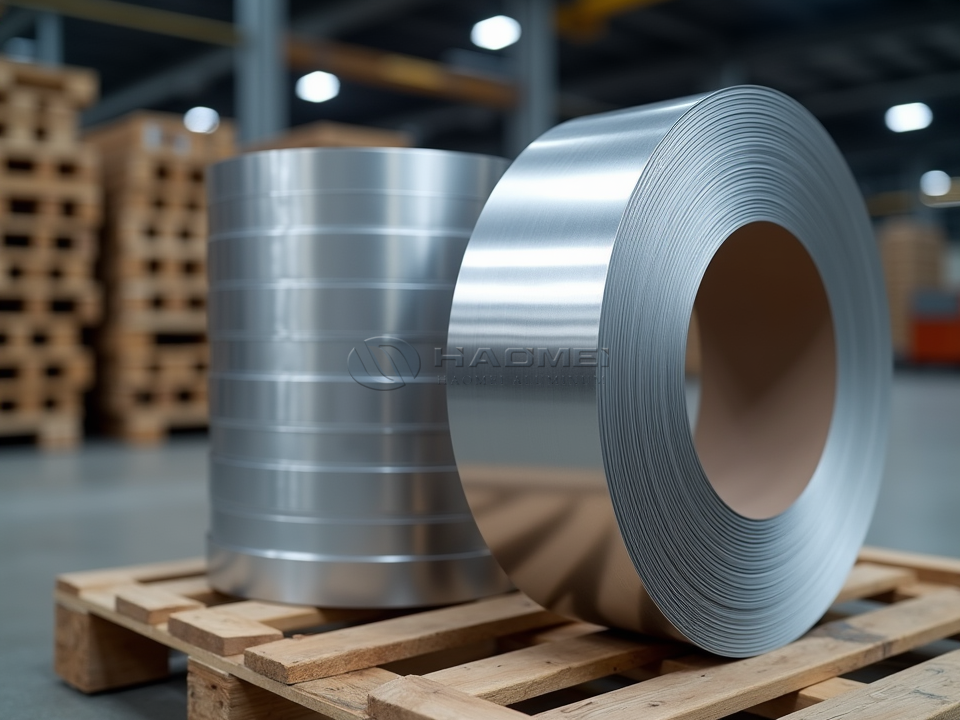
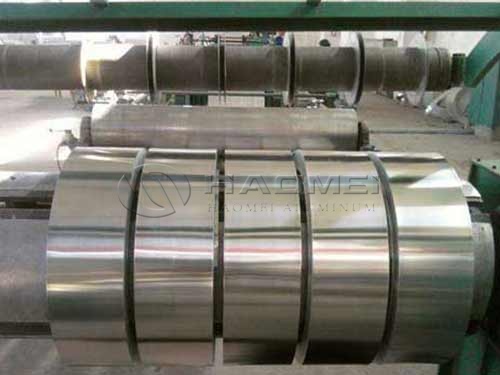
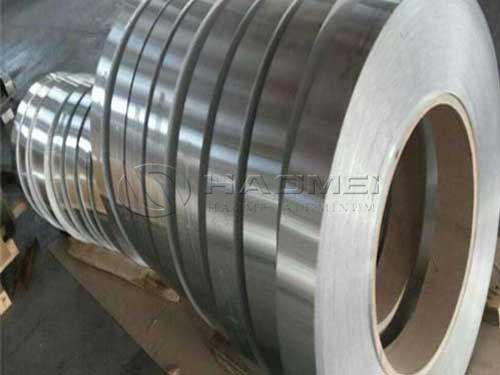
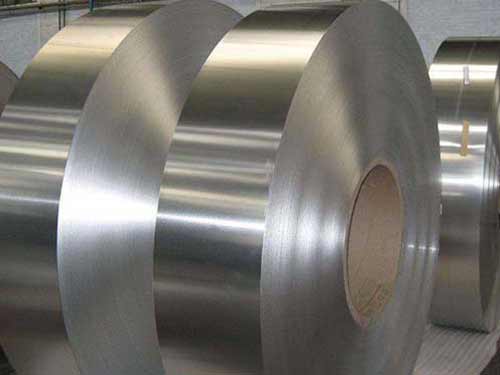
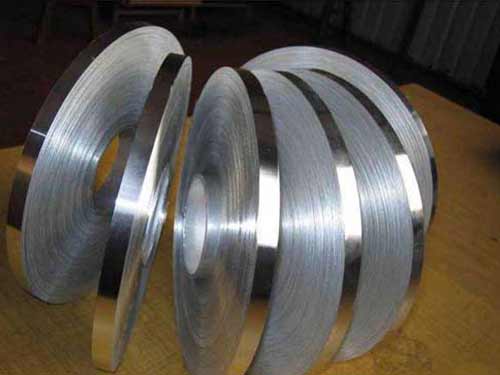
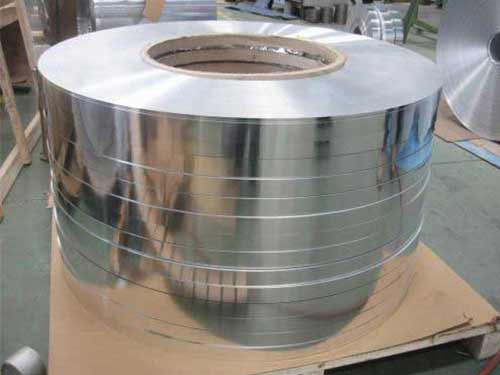
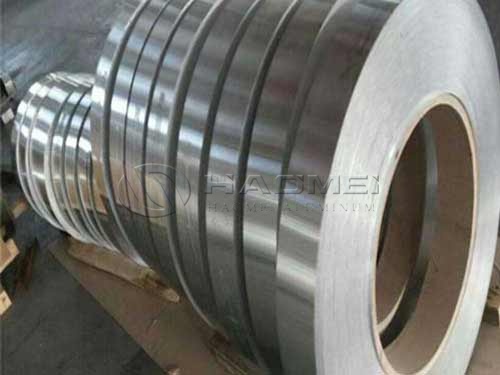
1100 H26 aluminum strip is commonly supplied as slit coil, edge-trimmed coil, oscillated wound coil, or cut-to-length strip. Narrow precision slit coils are suitable for continuous stamping and roll-forming operations, while wider coils support customer-side slitting and larger blanking patterns.
| Supply Item | Common Range or Option |
|---|---|
| Thickness | 0.20-6.00 mm, subject to mill capability |
| Width | Narrow slit widths through wide master coils |
| Coil inner diameter | Commonly 150 mm, 300 mm, 400 mm, 500 mm, or customized |
| Coil weight | Available according to handling equipment and process needs |
| Edge condition | Mill edge, slit edge, deburred edge, or rounded edge |
| Surface | Mill finish, bright, brushed, coated, embossed, or film-laminated |
| Packaging | Export seaworthy packing with moisture protection and coil support |
Selection Considerations
For a stable production result, specify thickness tolerance, width tolerance, coil ID, coil weight, surface appearance, edge quality, and required mechanical range. Stamping operations should also identify the blank shape, bend radius, lubrication method, and expected forming depth. These details help match the strip condition to the tooling and reduce risks such as edge cracking, surface scratching, or springback variation.
1100 H26 aluminum strip is an effective material for manufacturers seeking a clean-looking, corrosion-resistant, moderately hard aluminum strip that processes efficiently in repetitive fabrication. Its blend of light weight, conductivity, surface quality, and shape retention makes it a reliable option for both decorative and functional components.