1060 Aluminum Strip Mask Nose Bridge Clip
A 1060 aluminum strip mask nose bridge clip is the thin, formable metal insert placed along the upper edge of a face mask. It allows the mask to fit closely around the nose, reduce air leakage, improve wearing comfort, and help the mask stay stable during talking, breathing, and movement. For disposable medical masks, respirators, dust masks, and daily protective masks, this small aluminum component has a direct effect on fit performance and user experience.
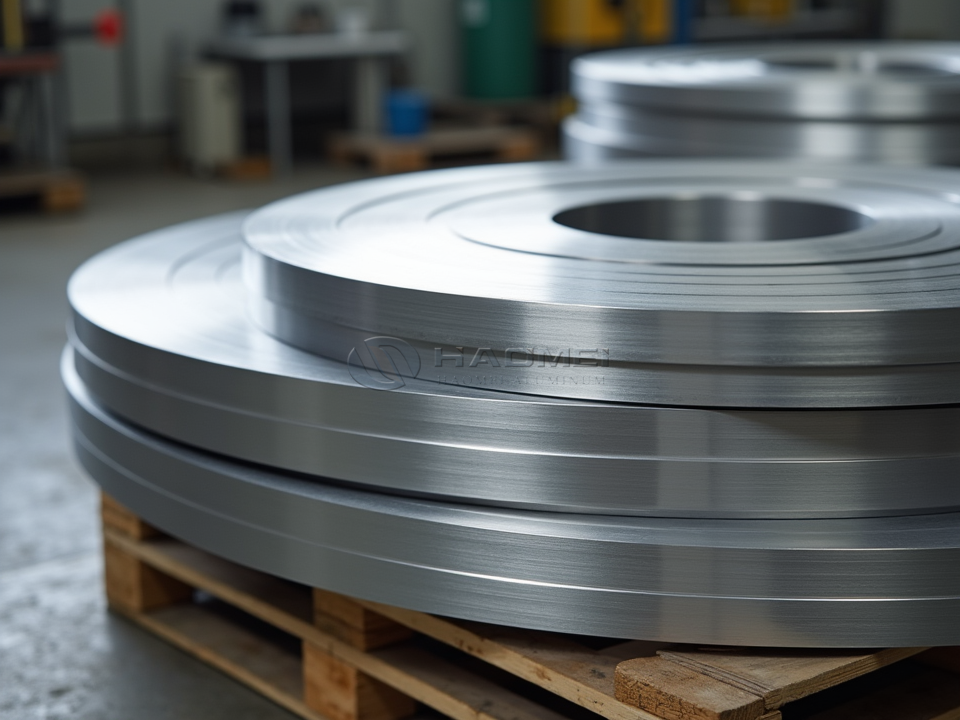
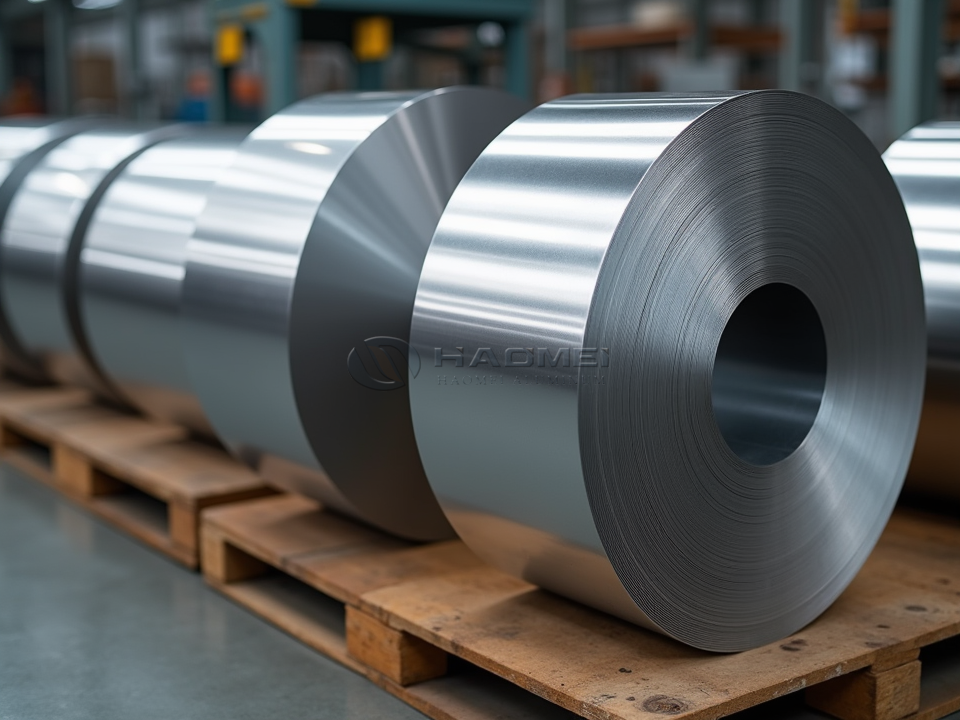
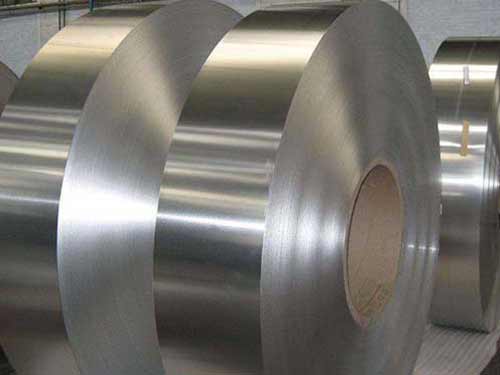
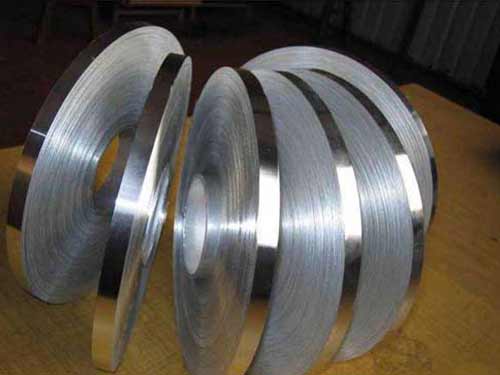
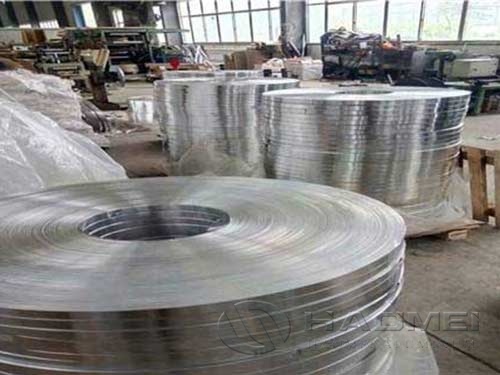
1060 aluminum is a commercially pure aluminum alloy with aluminum content of at least 99.60%. Compared with plastic nose wires or iron-core strips, it offers excellent bendability, clean surface quality, low weight, corrosion resistance, and stable forming behavior. It can be cut into single bridge clips, supplied as narrow coils, or laminated with adhesive for automated mask production.
What the Nose Bridge Clip Does
The mask nose bridge clip works as a small shaping element. After the mask is worn, the user presses the strip against the contour of the nose. The aluminum keeps the formed shape and helps the mask fabric seal the gap near the nose and cheeks.
| Function | Benefit for Mask Performance |
|---|---|
| Shape retention | Keeps the mask fitted after manual pressing |
| Gap reduction | Helps limit air leakage around the nose area |
| Comfort support | Provides a smooth, soft bend without sharp rebound |
| Mask stability | Reduces mask sliding during use |
| Fog reduction | Helps reduce upward airflow toward glasses |
| Process compatibility | Suitable for ultrasonic welding, hot pressing, adhesive bonding, and sewing channels |
The preferred material needs to be soft enough for repeated bending by hand, yet strong enough to avoid losing shape immediately. 1060 aluminum strip meets this balance especially well in O, H12, and H14 tempers.
Why 1060 Aluminum Strip Is Used
1060 aluminum strip is widely selected for mask nose bridge clips because it combines purity, ductility, and stable strip processing. Its natural oxide film resists corrosion in normal storage and wearing conditions, and the material does not rust like ordinary steel. The low density of aluminum also keeps masks light, which matters for long-term wear.
For buyers comparing mask nose wire materials, 1050 / 1060 Aluminum Strip is often chosen when easy forming, bright surface, and consistent slitting tolerance are required.
| Material Feature | Practical Value |
|---|---|
| High aluminum purity | Clean surface, good corrosion resistance, reliable formability |
| Low density | Lightweight clip with minimal effect on mask weight |
| Excellent ductility | Easy to press and shape by hand |
| Good slitting quality | Smooth edges for safe contact and automated feeding |
| Non-rusting behavior | Better storage stability than ferrous nose wires |
| Recyclable metal | Supports material recovery and waste reduction |
Main Applications
The 1060 aluminum strip mask nose bridge clip is used in different mask designs and protective products. It may be supplied as straight cut pieces or as coils for high-speed production lines.
| Application | Typical Clip Form | Common Requirement |
|---|---|---|
| Disposable medical mask | Flat aluminum strip | Smooth edge, stable length, clean surface |
| Surgical mask | Flat or adhesive-backed strip | Good fit and easy folding |
| KN95, N95, FFP2 style respirator | Wider or thicker aluminum strip | Stronger shape retention |
| Civil protective mask | Soft aluminum nose wire | Comfortable hand forming |
| Dust mask | Aluminum strip or coated strip | Good sealing support |
| Cup mask | Pre-cut aluminum bridge piece | Strong bend memory and neat appearance |
| Children mask | Narrow, shorter strip | Soft pressing force and safe edge |
Technical Specifications
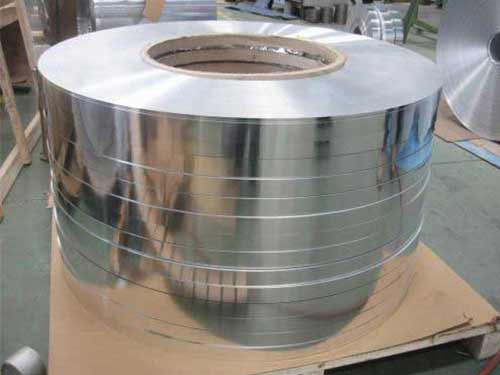
Exact specifications can be customized according to mask structure, production speed, and sealing demand. Narrow coils are usually packed for automatic feeding, while cut pieces are supplied for semi-automatic or manual assembly.
| Parameter | Common Range or Value |
|---|---|
| Alloy | 1060 aluminum |
| Aluminum content | Minimum 99.60% |
| Temper | O, H12, H14, H18 by request |
| Thickness | 0.30 mm to 0.80 mm |
| Common thickness | 0.40 mm, 0.45 mm, 0.50 mm |
| Width | 2.5 mm to 10 mm |
| Common mask width | 3 mm, 4 mm, 5 mm, 6 mm |
| Cut length | 80 mm to 120 mm, customized |
| Coil inner diameter | 76 mm, 152 mm, 300 mm, customized |
| Surface | Mill finish, degreased, coated, adhesive-backed optional |
| Edge condition | Slit edge, rounded edge, deburred edge optional |
| Packaging | Coil, spool, reel, carton, pallet |
Chemical Composition of 1060 Aluminum
The high purity of 1060 aluminum is the basis for its soft forming behavior and corrosion resistance. The composition is generally controlled according to international aluminum alloy standards.
| Element | Content, % |
|---|---|
| Al | 99.60 min |
| Si | 0.25 max |
| Fe | 0.35 max |
| Cu | 0.05 max |
| Mn | 0.03 max |
| Mg | 0.03 max |
| Zn | 0.05 max |
| Ti | 0.03 max |
| V | 0.05 max |
| Other elements, each | 0.03 max |
Temper Conditions and Mechanical Properties
Different tempers create different hand-feel and spring behavior. Soft temper is easier to shape, while harder temper provides stronger support. For most mask nose bridge clips, O, H12, and H14 are the most practical choices.
| Temper | Condition | Tensile Strength, MPa | Yield Strength, MPa | Elongation, % | Suitability |
|---|---|---|---|---|---|
| O | Annealed soft | 60 to 95 | 20 to 35 | 20 to 30 | Very easy hand forming |
| H12 | Quarter hard | 70 to 105 | 55 min | 8 to 15 | Soft fit with better retention |
| H14 | Half hard | 85 to 120 | 75 min | 4 to 10 | Balanced forming and holding force |
| H18 | Full hard | 120 min | 110 min | 2 to 5 | Stronger support, less soft bending |
Values may vary with thickness, final annealing route, and customer specification. For masks worn for long periods, the clip should not feel too stiff. For respirators requiring firmer sealing pressure, H14 or customized hardness can be selected.
Implementation Standards
Production and inspection can follow Chinese, American, and European standards, depending on purchasing requirements and export markets.
| Standard | Scope |
|---|---|
| GB/T 3190 | Chemical composition of wrought aluminum and aluminum alloys |
| GB/T 3880 | Aluminum and aluminum alloy plates, sheets, and strips |
| ASTM B209 | Aluminum and aluminum-alloy sheet and plate |
| EN 573 | Chemical composition and product forms of aluminum alloys |
| EN 485 | Aluminum and aluminum alloy sheet, strip, and plate requirements |
| RoHS | Restriction of hazardous substances, if requested |
| REACH | Chemical compliance for EU market, if requested |
Surface, Edge, and Cleanliness Requirements
Because the strip is close to the face and often handled by automated mask machines, surface quality matters. A good 1060 aluminum strip mask nose bridge clip should be flat, clean, burr-controlled, and free from obvious stains, oil patches, cracks, oxidation spots, or edge tearing.
| Inspection Item | Recommended Requirement |
|---|---|
| Surface appearance | Smooth, clean, no visible cracks or severe scratches |
| Burr height | Controlled according to customer drawing, often less than 0.03 mm |
| Camber | Low camber for stable automatic feeding |
| Width tolerance | Often +/-0.05 mm or customized |
| Thickness tolerance | Often +/-0.02 mm or customized |
| Length tolerance for cut pieces | Often +/-0.5 mm or customized |
| Adhesive option | Pressure-sensitive adhesive tape can be applied on one side |
| Cleanliness | Degreased or low-oil surface for mask production |
Rounded or deburred edges are especially important for comfort and safety. For high-speed equipment, coil tension, winding neatness, and stable inner diameter also influence production efficiency.
Manufacturing Route
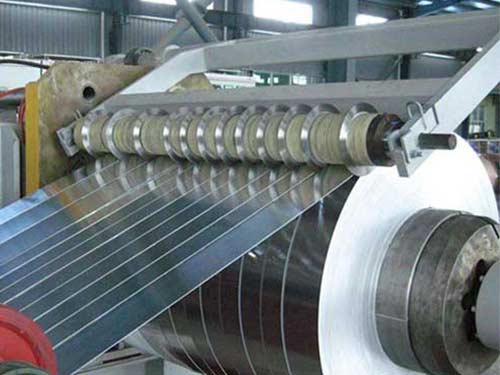
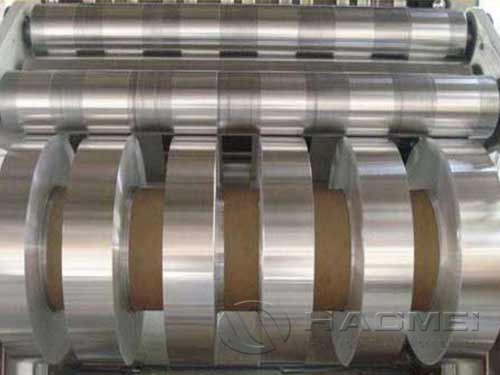
The manufacturing process begins with aluminum casting or hot-rolled stock, followed by cold rolling to the target thickness. The strip is then annealed or work-hardened to the required temper, slit into narrow widths, inspected, and packed as coils or cut pieces.
| Process Stage | Purpose |
|---|---|
| Cold rolling | Achieves required thickness and surface finish |
| Annealing | Adjusts softness and bending performance |
| Tension leveling | Improves flatness and feeding stability |
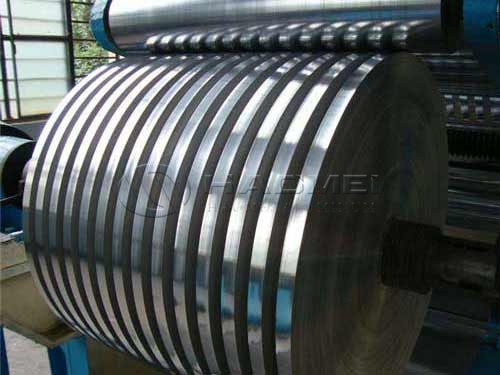
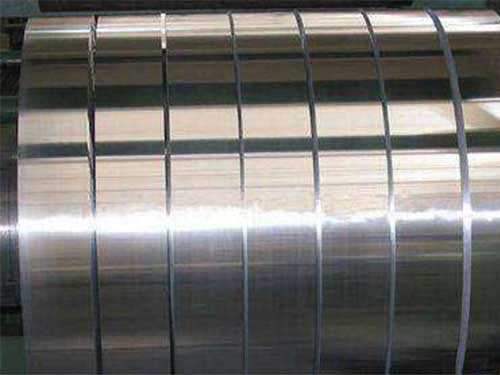
| Precision slitting | Produces narrow mask-grade widths |
| Edge control | Reduces burrs and sharp edges |
| Coil winding | Supports automated mask line feeding |
| Final inspection | Confirms size, surface, temper, and packaging quality |
Ordering Data for Buyers
When placing an order, it is helpful to provide the alloy, temper, thickness, width, coil weight, inner diameter, surface condition, adhesive requirement, and packaging method. If the strip will be used on a specific mask machine, the feeding direction and coil size should also be confirmed.
| Order Item | Example |
|---|---|
| Product | 1060 aluminum strip mask nose bridge clip |
| Temper | O or H14 |
| Size | 0.50 mm x 5 mm |
| Form | Coil or pre-cut piece |
| Length | 90 mm, 95 mm, 100 mm, customized |
| Surface | Mill finish or adhesive-backed |
| Edge | Slit, deburred, or rounded |
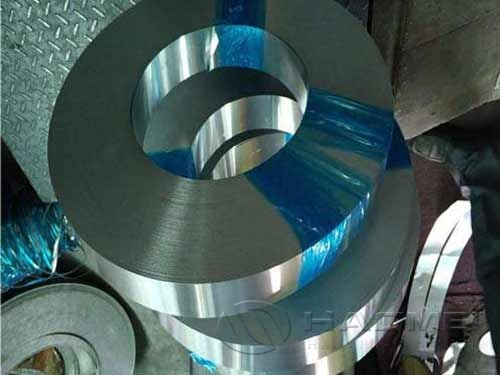
| Packaging | Plastic film, carton, wooden pallet |
| Certificate | Mill test certificate, RoHS, REACH if needed |
A well-selected 1060 aluminum strip nose bridge clip improves mask sealing, comfort, and production reliability. With suitable temper control, accurate slitting, clean surface treatment, and stable packaging, it becomes a small but essential component for professional mask manufacturing.