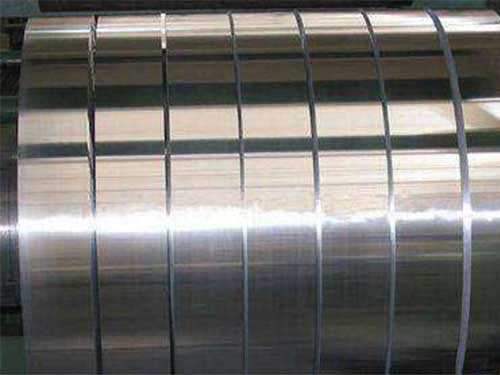
Aluminum Nose Strip Face Mask
In a face mask, the aluminum nose strip is almost invisible, yet it decides whether the mask feels secure or loose, professional or ordinary. It sits at the bridge of the nose, bends with finger pressure, and keeps its shape during breathing, speaking, and movement. From a material point of view, it is a tiny forming part made from soft aluminum strip. From a user point of view, it is the line between air leakage and a close facial fit.
Unlike plastic-coated iron wire, an aluminum nose strip face mask component is lightweight, corrosion resistant, non-magnetic, and easy to shape. It does not spring back aggressively after bending, so the mask can follow different nose profiles with gentle pressure. This is why disposable medical masks, respirators, dust masks, and protective face coverings often use aluminum strip as the nose bridge material.
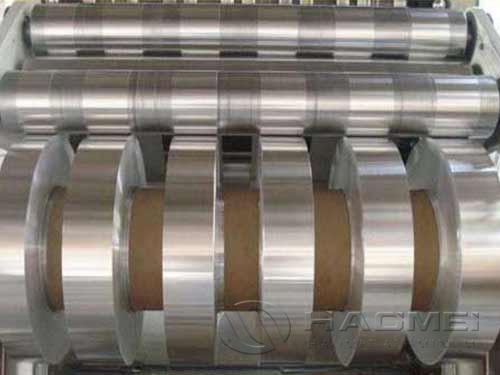
Why aluminum works so well at the nose bridge
The nose area is not flat. It has curves, slopes, and small changes from person to person. The metal strip must bend without cracking, stay in place after forming, and avoid sharp edges that may damage nonwoven fabric or irritate skin. Aluminum meets these needs because it combines ductility, low density, and a naturally stable oxide film.
Pure aluminum grades such as 1050 and 1060 are widely used because they have high aluminum content and excellent formability. For mask manufacturers that require steady bending performance with clean slit edges, 1050 / 1060 Aluminum Strip is a practical choice. Some buyers also choose 8011 alloy when they need good processing stability and balanced mechanical behavior; 8011 Aluminum Strip is often considered for packaging-related and thin strip applications where surface quality matters.
The best nose strip is not simply soft metal. It must be soft enough to shape by hand, yet firm enough to hold the mask contour. This balance is controlled by alloy selection, temper, thickness, width, edge finishing, and surface cleanliness.
Common product parameters
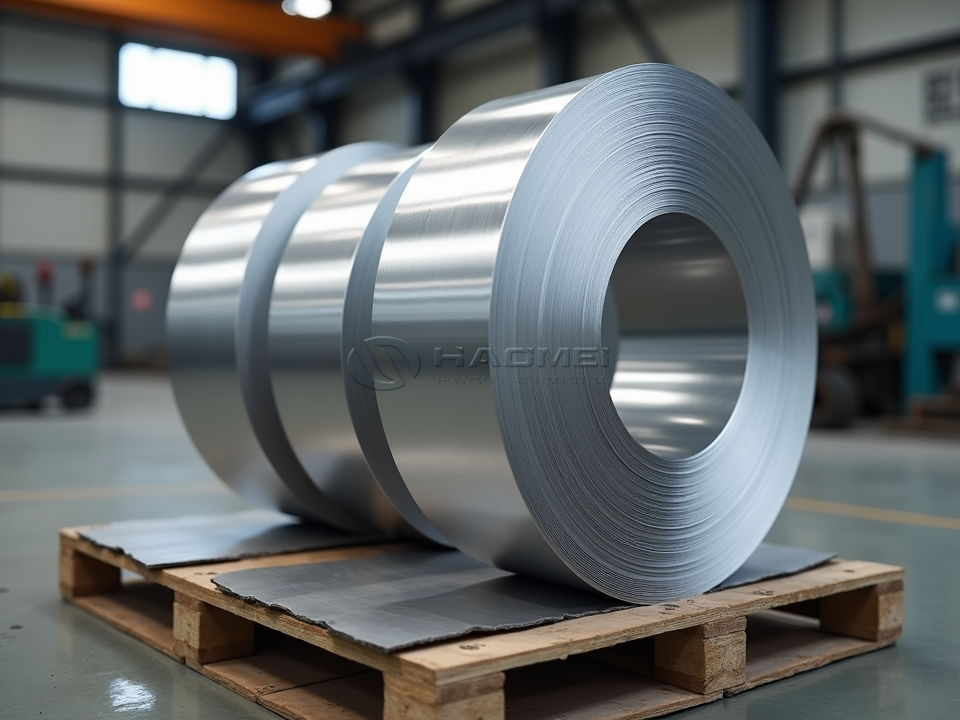
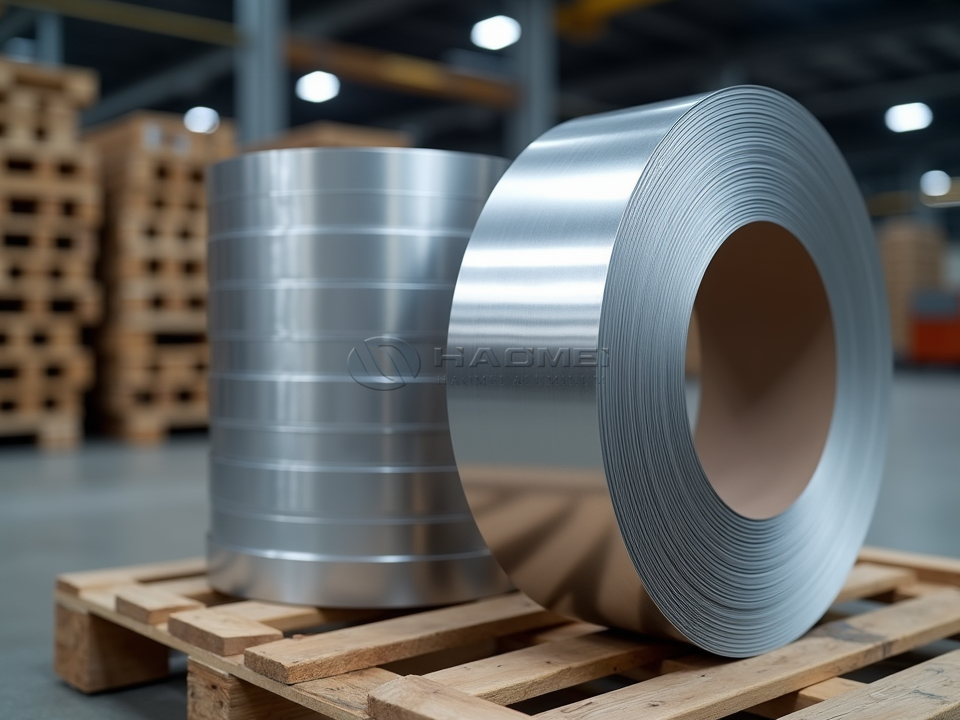
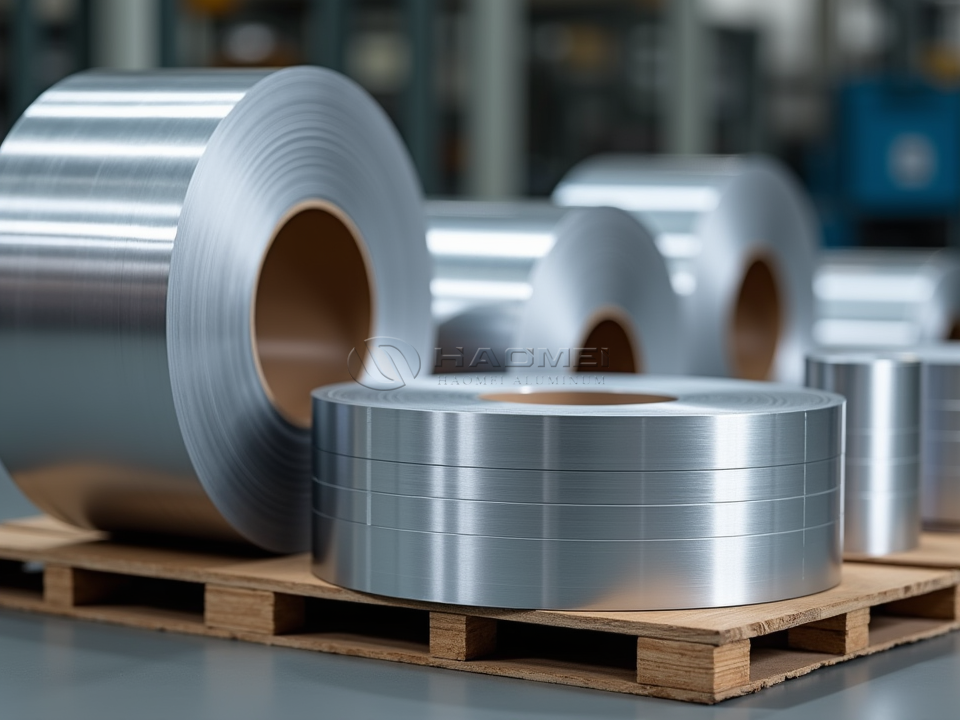
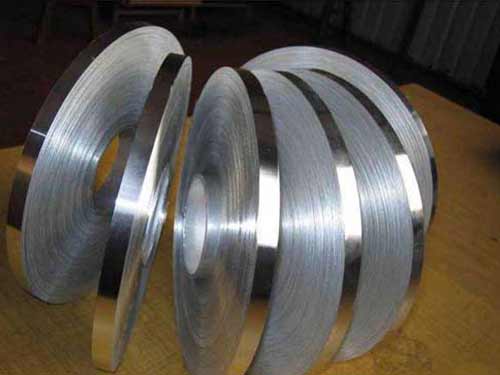
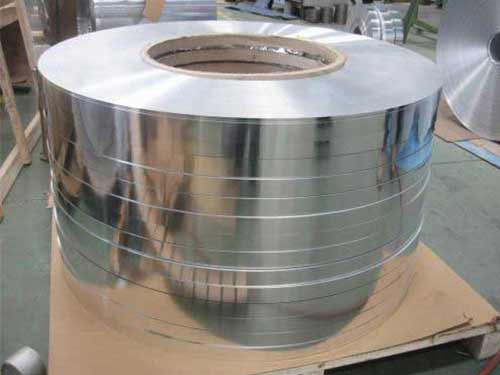
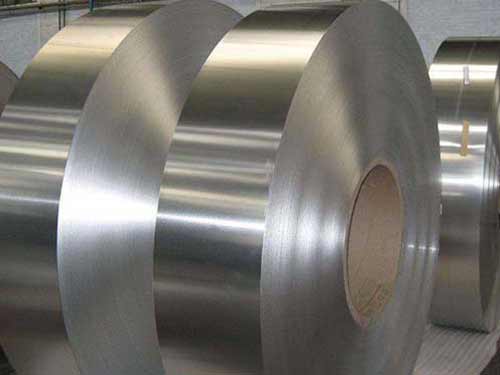
Typical aluminum nose strips for face masks are supplied in coils, spools, or straight cut pieces. The strip can be bare aluminum, coated aluminum, or adhesive-backed aluminum depending on the mask production line.
| Item | Common Range or Requirement |
|---|---|
| Alloy | 1050, 1060, 1100, 3003, 8011 |
| Temper | O, H12, H14, H18 depending on forming demand |
| Thickness | 0.30 mm to 0.80 mm, commonly 0.40 mm to 0.50 mm |
| Width | 3 mm to 7 mm, commonly 5 mm |
| Length | 80 mm to 120 mm for cut pieces, customized by mask size |
| Coil inner diameter | 76 mm, 150 mm, 300 mm, or customer design |
| Surface | Mill finish, coated, lacquered, or adhesive laminated |
| Edge condition | Slit edge, deburred edge, rounded edge on request |
| Burr height | Usually controlled within 0.03 mm to 0.05 mm |
| Packaging | Moisture-proof wrapping, carton, pallet, or spool packing |
For high-speed mask machines, dimensional stability is especially important. If width tolerance is unstable, the strip may shift during feeding. If burrs are too large, the strip can scratch fabric layers. If temper is too hard, operators may receive complaints that the mask cannot be pressed comfortably around the nose.
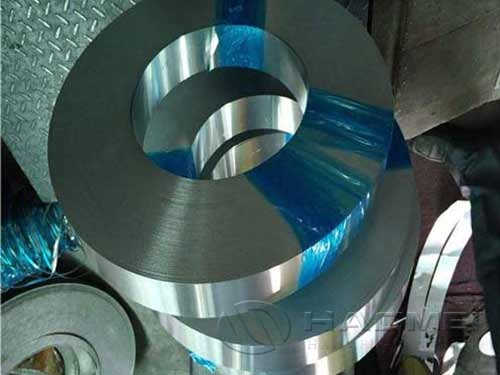
Alloy tempering and forming behavior
Temper decides how the aluminum strip responds to pressure. O temper is annealed and very soft. It is easy to press and ideal for masks that prioritize comfort and close manual shaping. H12 and H14 have light to medium strain hardening, giving better shape retention while still allowing easy bending. H18 is harder and may be used when stronger support is required, but it must be checked carefully to avoid excessive springback.
For most disposable face mask nose strips, O and H14 are the common choices. O temper provides excellent softness, while H14 gives a cleaner balance of flexibility and holding force. If the strip is too soft, the mask may lose its seal after repeated speaking or jaw movement. If it is too hard, users may feel pressure at the nose bridge or fail to mold the strip properly.
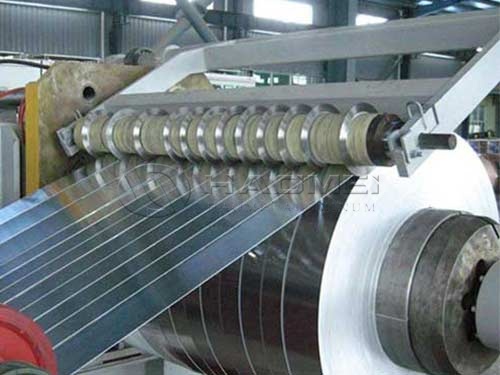
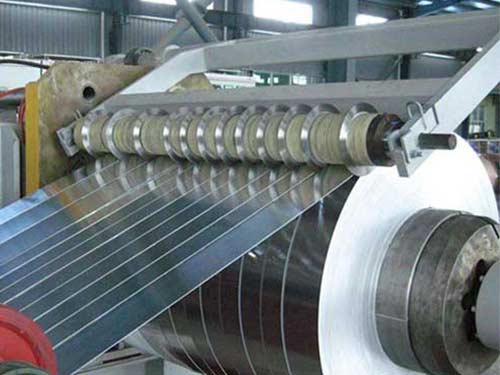
The production route usually includes casting, hot rolling or cold rolling, annealing, precision slitting, edge conditioning, surface inspection, and packaging. Each step affects the final feel of the mask. A smooth rolling surface helps prevent fabric puncture. Accurate annealing ensures consistent softness across the coil. Clean slitting reduces burrs and improves feeding reliability.
Chemical composition reference
The chemical composition of aluminum strip should follow the selected alloy standard. Actual values may vary slightly according to national standards and purchase specifications, but the table gives a practical reference for mask nose strip material selection.
| Alloy | Al | Si | Fe | Cu | Mn | Mg | Zn | Ti | Other Elements |
|---|---|---|---|---|---|---|---|---|---|
| 1050 | 99.50 min | 0.25 max | 0.40 max | 0.05 max | 0.05 max | 0.05 max | 0.05 max | 0.03 max | 0.03 each |
| 1060 | 99.60 min | 0.25 max | 0.35 max | 0.05 max | 0.03 max | 0.03 max | 0.05 max | 0.03 max | 0.03 each |
| 1100 | 99.00 min | Si+Fe 0.95 max | Si+Fe 0.95 max | 0.05 to 0.20 | 0.05 max | - | 0.10 max | - | 0.05 each |
| 3003 | Balance | 0.60 max | 0.70 max | 0.05 to 0.20 | 1.00 to 1.50 | - | 0.10 max | - | 0.05 each |
| 8011 | Balance | 0.50 to 0.90 | 0.60 to 1.00 | 0.10 max | 0.20 max | 0.05 max | 0.10 max | 0.08 max | 0.05 each |
High-purity aluminum grades are preferred when easy bending and low springback are the main goals. Manganese-containing grades such as 3003 offer increased strength but may feel less soft than 1050 or 1060. The alloy should be chosen after considering mask type, fabric structure, machine speed, and user comfort.
Standards and quality conditions
For raw aluminum strip, common references include ASTM B209, EN 573, EN 485, GB/T 3880, and JIS H4000. For factory management and delivery reliability, ISO 9001 is often requested. When the strip is used in medical or hygiene-related products, buyers may also ask for RoHS, REACH, heavy metal limits, cleanliness reports, and material safety data.
A face mask nose strip is not normally judged only by tensile strength. More practical tests include repeated bending, hand-forming feel, edge burr inspection, adhesion compatibility, coating integrity, and fabric puncture risk. For adhesive-backed strips, peel strength and glue aging are also important. The adhesive must bond well to nonwoven material without leaving odor, migration, or residue that affects mask comfort.
Surface condition should be clean, dry, and free from oil stains, black spots, white corrosion, wrinkles, cracks, and severe scratches. Since the strip is positioned close to skin and breathing zones, odor control and cleanliness are important. Proper packaging protects coils from moisture and prevents edge damage during transport.
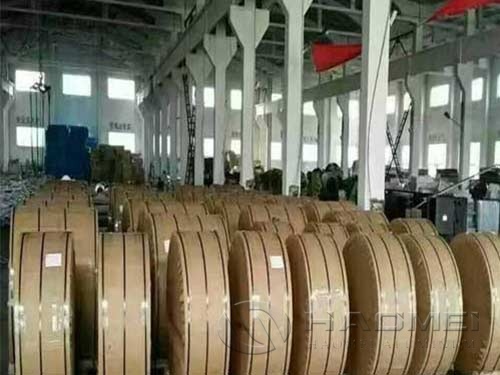
How to choose the right aluminum nose strip
A purchasing decision should begin with the mask design. A flat disposable mask may use a narrow and soft strip, while a cup mask or respirator may need greater width or higher temper for stronger support. If the production line inserts the strip automatically, coil winding quality, side camber, and feeding stability must be checked before mass production.
For comfort-focused masks, 1050 or 1060 in O temper is often a safe starting point. For stronger shaping memory, H14 can be tested. For coated or adhesive-backed products, buyers should confirm coating thickness, adhesive type, release paper performance, and storage life. For export orders, certificates and compliance documents should be prepared before shipment.
The aluminum nose strip face mask component may look simple, but it carries a precise job: bend once, fit many faces, and stay reliable until the mask is removed. A well-made strip improves sealing, reduces fogging on glasses, supports wearer comfort, and helps the finished mask feel dependable. When alloy, temper, size tolerance, surface quality, and packaging are controlled together, this small aluminum part becomes a quiet but valuable contributor to mask performance.