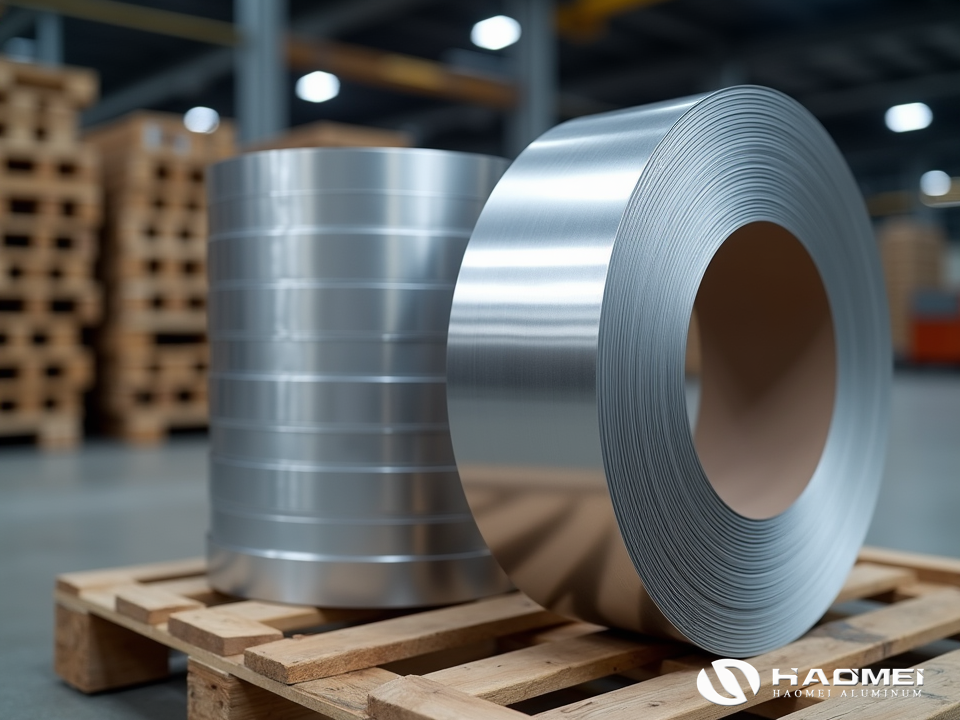
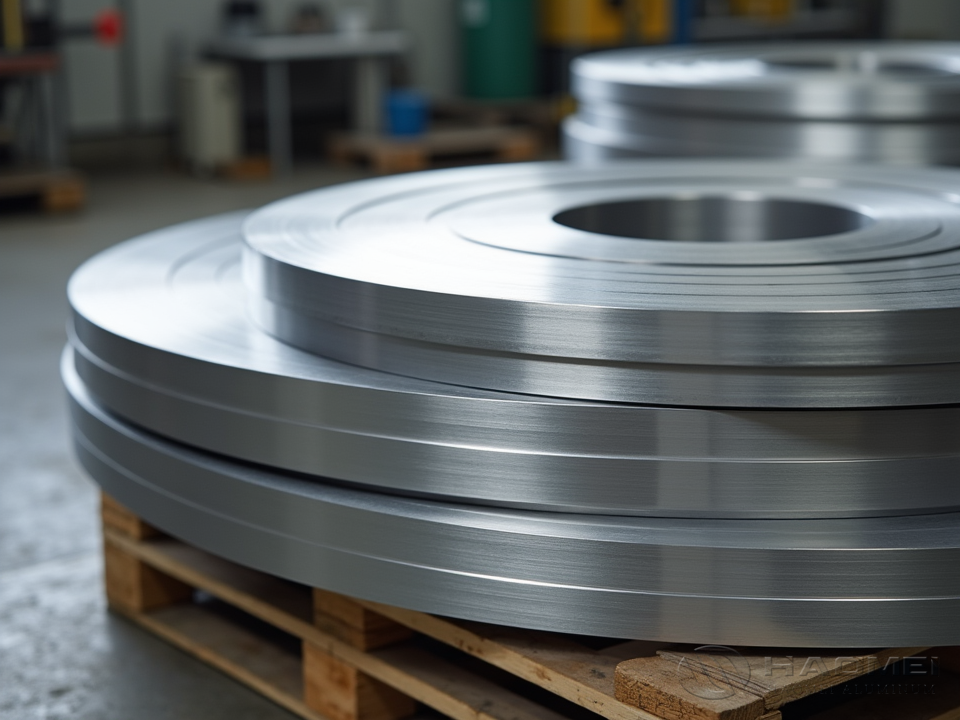
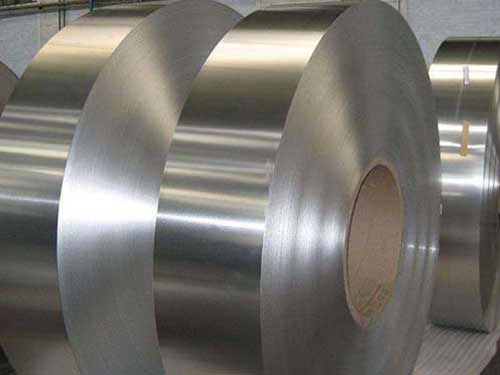
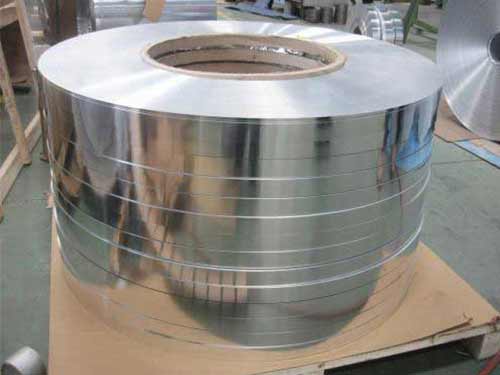
1050 H-14 Aluminium Strip Coil for Aluminum Enclosure
An aluminum enclosure is more than a protective shell. It must shield electronics, support mounting hardware, release heat, accept surface finishing, and remain presentable through transport and daily use. For many light-duty to medium-duty housings, 1050 H-14 aluminium strip coil provides a practical balance between shaping ability and panel stiffness.
The material is especially suitable for electrical cabinets, instrument cases, control boxes, battery covers, lighting housings, communication-device shells, appliance panels, and protective covers. Its value comes from a simple material logic: high aluminum content creates excellent corrosion resistance and electrical conductivity, while the H14 temper adds enough work-hardening to help enclosure panels retain a clean, stable form.
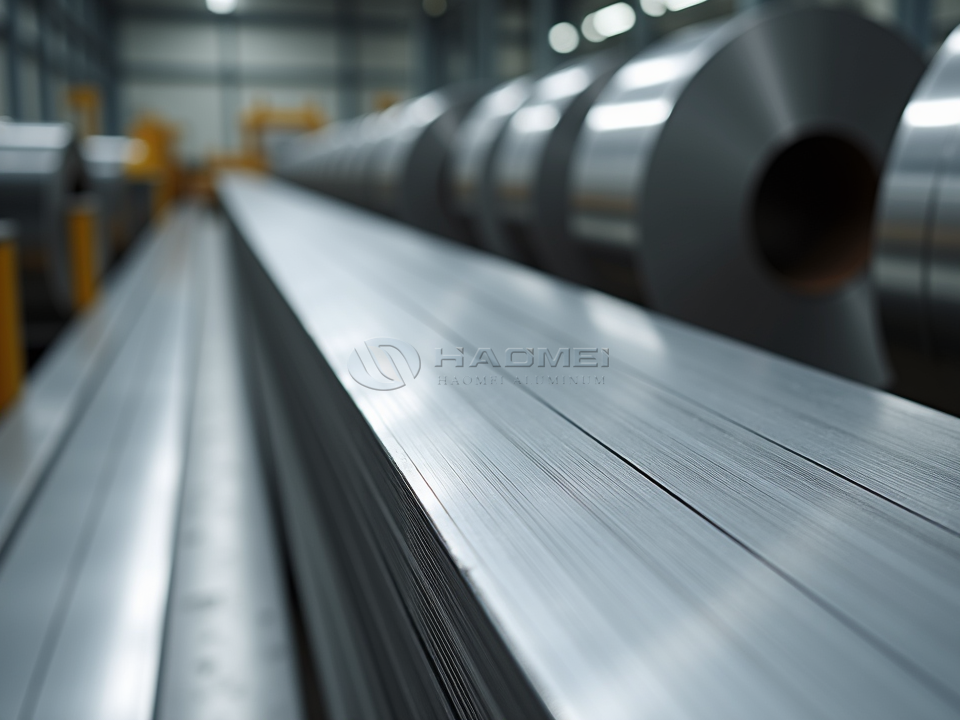
Why H14 Temper Fits Enclosure Production
1050 is a commercially pure aluminum alloy containing at least 99.50% aluminum. Compared with higher-strength aluminum-magnesium alloys, it is softer and easier to process. In enclosure fabrication, that softness is often an advantage rather than a limitation.
The H14 designation means strain-hardened to a half-hard condition. It sits between very soft annealed material and harder tempers that can become less forgiving during bending or stamping. For enclosure makers, this creates a useful working range. Flat panels gain improved dent resistance over O temper stock, while folded edges, shallow draws, louvers, and mounting flanges can still be formed with controlled tooling.
A 1050 H14 coil performs particularly well where the enclosure design involves:
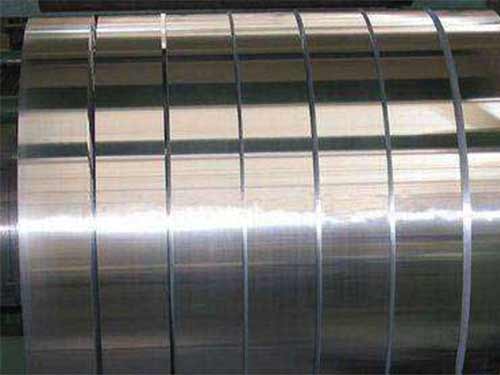
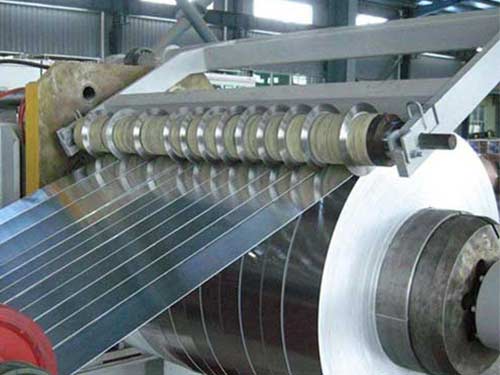
- Shearing into narrow blanks or panel strips
- Press-brake bending for doors, covers, and side panels
- Shallow stamping of cable entries and ventilation features
- Roll forming of narrow protective channels
- Riveting, screwing, spot welding, or adhesive assembly
- Anodizing, painting, powder coating, or protective film lamination
For projects requiring closely controlled slit widths, 1050 / 1060 Aluminum Strip options can be selected according to panel geometry, conductivity demands, and surface requirements.
Material Parameters for 1050 H-14 Aluminium Strip Coil
The final dimensions should match the enclosure design, press capacity, forming radius, and shipping method. Common supply ranges are shown here as practical reference values. Custom specifications may be agreed according to production requirements.
| Parameter | Typical Supply Range or Condition |
|---|---|
| Alloy | AA 1050, EN AW-1050A |
| Temper | H14, half hard |
| Thickness | 0.20 mm to 3.00 mm |
| Slit width | 10 mm to 1,500 mm |
| Coil inner diameter | 150 mm, 300 mm, 405 mm, 508 mm, or customized |
| Coil weight | Typically 500 kg to 5,000 kg, subject to handling limits |
| Surface | Mill finish, degreased, PVC-film protected, brushed, stucco, or coated upon request |
| Edge condition | Mill edge, slit edge, deburred edge, or rounded edge |
| Flatness focus | Controlled for panel blanking and forming applications |
For aluminum enclosure skins, thickness selection is directly linked to function. Thin stock around 0.40 mm to 0.80 mm is often used for compact electronic covers and decorative panels. Material from 1.00 mm to 1.50 mm provides greater rigidity for cabinet doors and equipment housings. Thicker strip can support robust industrial covers, although bending radii and tool loading must be considered carefully.
Chemical Composition and Its Practical Effect
The chemistry of 1050 aluminum is designed around purity. Its low alloying content supports conductivity, brightness after finishing, and reliable corrosion behavior in ordinary indoor, dry industrial, and many protected outdoor environments.
| Element | Composition, % by Weight |
|---|---|
| Aluminum, Al | 99.50 min |
| Silicon + Iron, Si + Fe | 0.40 max |
| Copper, Cu | 0.05 max |
| Manganese, Mn | 0.05 max |
| Magnesium, Mg | 0.05 max |
| Zinc, Zn | 0.05 max |
| Titanium, Ti | 0.03 max |
| Other elements, each | 0.03 max |
| Other elements, total | 0.10 max |
High aluminum content helps enclosure fabricators in several ways. It allows smooth cutting with reduced tool wear, supports efficient heat transfer from enclosed electrical components, and develops a naturally protective oxide layer. This oxide film is thin but important: it slows further atmospheric corrosion and provides a sound base for conversion coating, anodizing, or paint pretreatment.
Mechanical Performance: Stiff Enough to Hold Shape, Soft Enough to Form
Mechanical values vary with thickness, test direction, and governing standard. For 1050 H14 aluminum strip, tensile strength commonly falls around 85 to 115 MPa, while proof strength is commonly at least 65 MPa for applicable thickness ranges. Elongation remains adequate for routine enclosure bends and shallow formed details when suitable bend radii are used.
This behavior makes H14 an effective material for enclosures that are not intended as structural load-bearing frames. It is best viewed as a protective, conductive, easily finished skin. If the design requires high impact resistance, severe deep drawing, or continuous exposure to marine conditions, an aluminum-magnesium grade such as 5052 Aluminum Strip may be a more suitable choice.
Standards and Quality Conditions
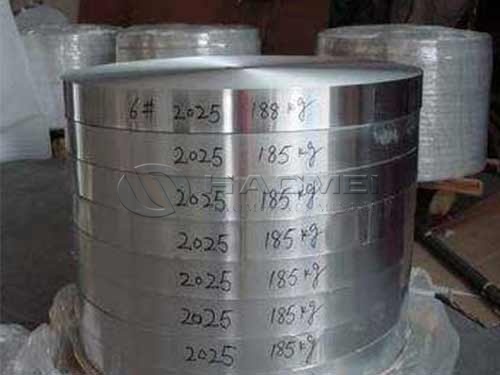
1050 H14 aluminium strip coil can be produced and inspected in line with common international material standards. The purchase specification should name the applicable standard, required dimensions, temper, mechanical properties, surface quality, and inspection method.
| Standard | Application |
|---|---|
| ASTM B209 | Aluminum and aluminum-alloy sheet and plate requirements, often referenced for coil supply |
| EN 485-1 | Technical conditions for inspection and delivery of wrought aluminum products |
| EN 485-2 | Mechanical property requirements for sheet, strip, and plate |
| EN 573-3 | Chemical composition and alloy designation requirements |
| GB/T 3880 | Chinese standard for aluminum and aluminum alloy sheet and strip products |
Surface requirements deserve careful attention in enclosure work. A mill finish is suitable for internal panels or parts receiving paint. PVC protective film can reduce scratches during blanking, bending, and assembly. For visible consumer-facing panels, buyers may specify uniform brightness, limited roller marks, low waviness, and controlled coil-to-coil color consistency after finishing.
Processing Guidance for Better Enclosure Results
The quality of the finished enclosure is influenced by more than alloy selection. Slitting burrs should be controlled because rough edges can damage cable insulation, interfere with folded seams, or create handling hazards. A clean slit edge is especially valuable for narrow cover strips and roll-formed channels.
Bending should follow a radius appropriate for thickness and tooling. Although 1050 H14 has good formability, overly sharp folds can create visible stress lines or cracking at the outer bend surface. Direction relative to rolling grain also matters for demanding bends. When appearance is critical, trial forming is recommended before full production.
For electrical housings, aluminum's conductivity can help with grounding design and heat distribution, but it should not be assumed to replace engineered grounding paths. Designers should account for coatings, oxide layers, fastener interfaces, and contact resistance. Uncoated contact zones or approved conductive treatments may be required where electrical bonding is necessary.
A Practical Coil for Clean, Efficient Enclosure Manufacturing
1050 H-14 aluminium strip coil serves enclosure production best when designers need light weight, straightforward fabrication, corrosion resistance, and a surface ready for finishing. Its half-hard temper helps panels keep their shape without making routine fabrication unnecessarily difficult.
From compact electrical boxes to broad appliance covers, this alloy provides a dependable material platform for parts that protect equipment while supporting efficient, repeatable manufacturing.