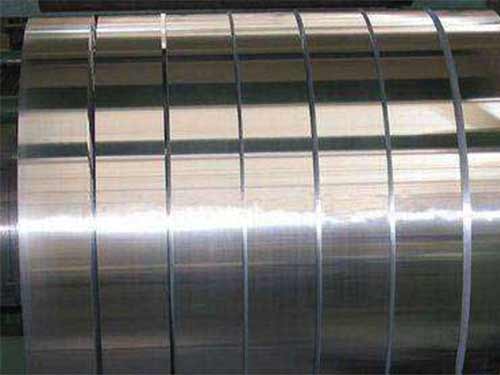
Pharmaceutical Alu Strip Foil for Capsules Rolls
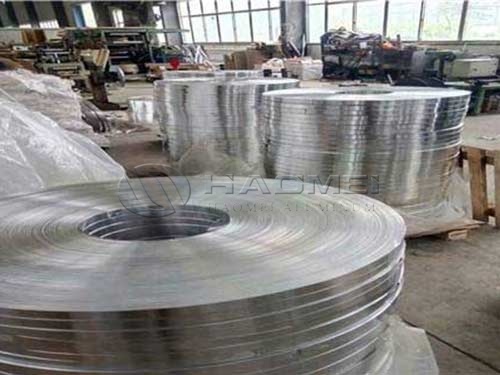
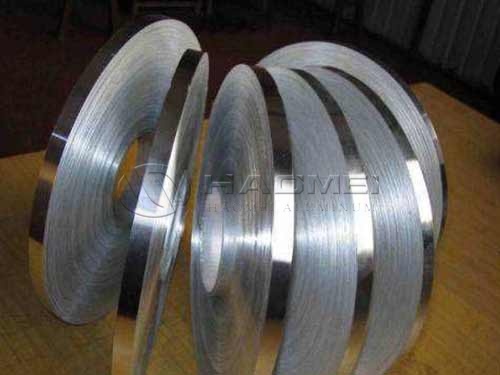
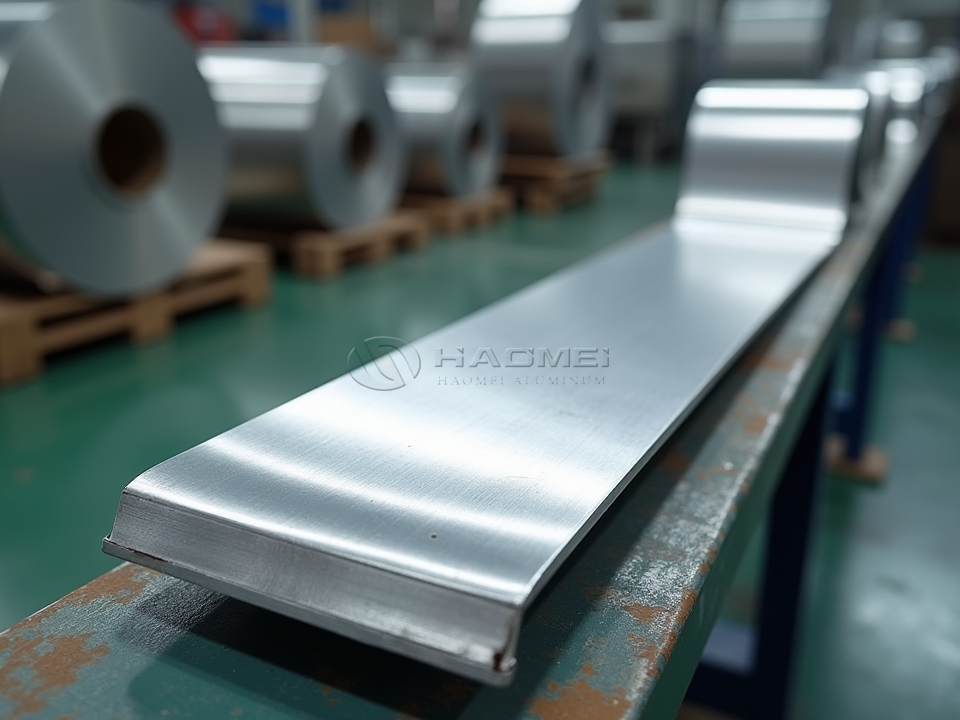
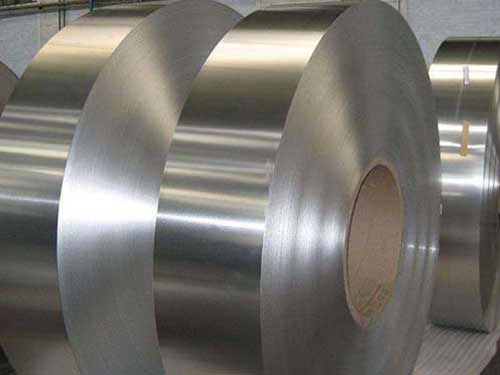
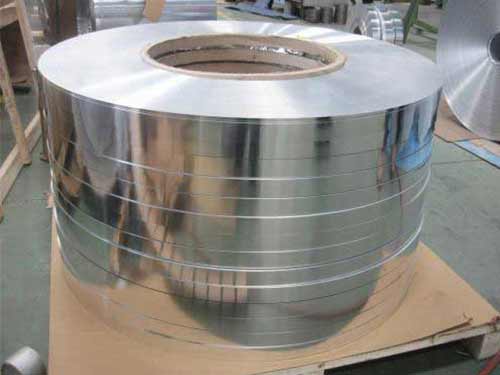
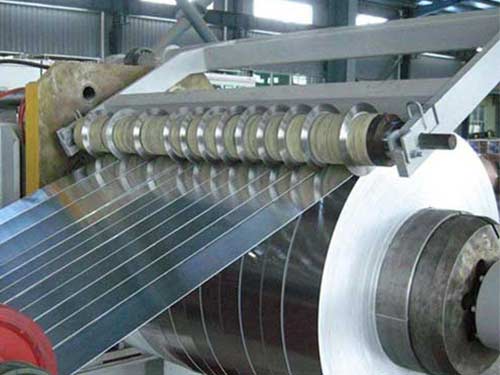
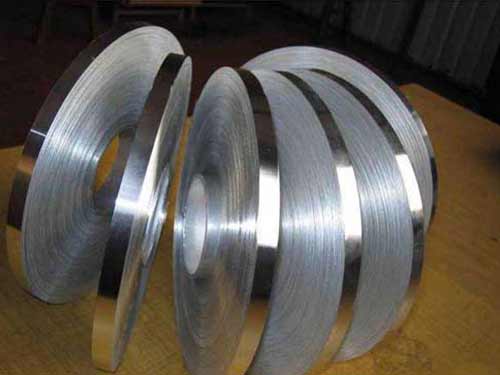
Pharmaceutical alu strip foil for capsules rolls is a precision aluminum packaging material used to protect hard capsules, softgels, tablets, and unit-dose medicines from moisture, oxygen, light, odor transfer, and handling damage. Supplied in slit coils or jumbo rolls, it is commonly converted into blister lidding foil, strip-pack foil, sachet laminates, and child-resistant pharmaceutical packaging.
The material combines aluminum's near-total light barrier with controlled thickness, stable mechanical behavior, clean surface quality, and heat-seal coating compatibility. For medicine producers, these properties support reliable high-speed packaging, consistent sealing, legible printing, and longer shelf life for sensitive formulations.
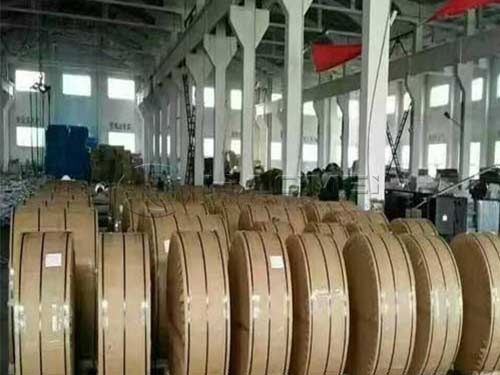
Functions in Capsule Packaging
Capsules can be affected by humidity, oxidation, ultraviolet exposure, and volatile ingredients. Pharmaceutical aluminum foil acts as a protective layer between the product and the external environment. In blister packs, it is usually the lidding material sealed onto a formed plastic web such as PVC, PVDC-coated PVC, PET, PP, or cold-form aluminum laminate. In strip packaging, aluminum foil may be laminated with polymer films to create a sealed cavity around each dose.
| Packaging Function | Contribution of Aluminum Foil | Value for Capsules |
|---|---|---|
| Moisture barrier | Aluminum layer has extremely low water-vapor transmission when free from pinholes | Helps preserve capsule shell integrity and active ingredient stability |
| Light protection | Opaque metal surface blocks visible and ultraviolet light | Reduces degradation of photosensitive medicines |
| Oxygen barrier | Dense aluminum structure restricts gas migration | Supports protection for oxidation-sensitive formulations |
| Heat-seal support | Primer and heat-seal lacquer bond to the selected forming web | Enables secure, repeatable package closure |
| Mechanical protection | Controlled tensile strength and elongation resist web breaks | Supports smooth running on blister and strip packaging lines |
| Printability | Treated surface accepts pharmaceutical inks and varnishes | Allows dosage instructions, batch codes, and branding |
Typical Product Construction
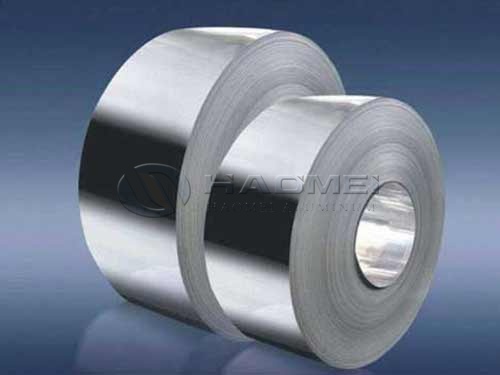
Pharmaceutical capsule foil is not simply bare aluminum. The final roll is engineered around the packaging machine, sealing substrate, printing method, and medicine storage requirements. One side may receive a print primer and protective lacquer, while the reverse side receives heat-seal lacquer. For strip packs, the foil can be laminated with PE, PET, paper, or other functional films.
| Layer or Treatment | Typical Role | Common Requirement |
|---|---|---|
| Aluminum foil base | Provides barrier, form stability, and dead-fold behavior | Smooth surface, low pinhole level, controlled gauge |
| Print primer | Improves ink anchorage | Uniform coating and chemical resistance |
| Protective topcoat | Protects printed graphics from abrasion | Clear or pigmented pharmaceutical-grade lacquer |
| Heat-seal lacquer | Bonds foil to PVC, PVDC, PET, PP, or other webs | Seal strength matched to packaging process |
| Laminating adhesive or polymer film | Used in strip-pack structures | Low odor, stable adhesion, suitable migration performance |
Suitable Alloys and Temper Conditions
Alloy selection influences foil rolling performance, surface appearance, strength, and pinhole resistance. Alloy 8011 is widely used for pharmaceutical lidding and strip foil because it offers dependable processing behavior and a favorable balance of strength and ductility. Alloys 1235, 8079, and 8021 may also be selected for specific thicknesses or high-barrier flexible packaging structures.
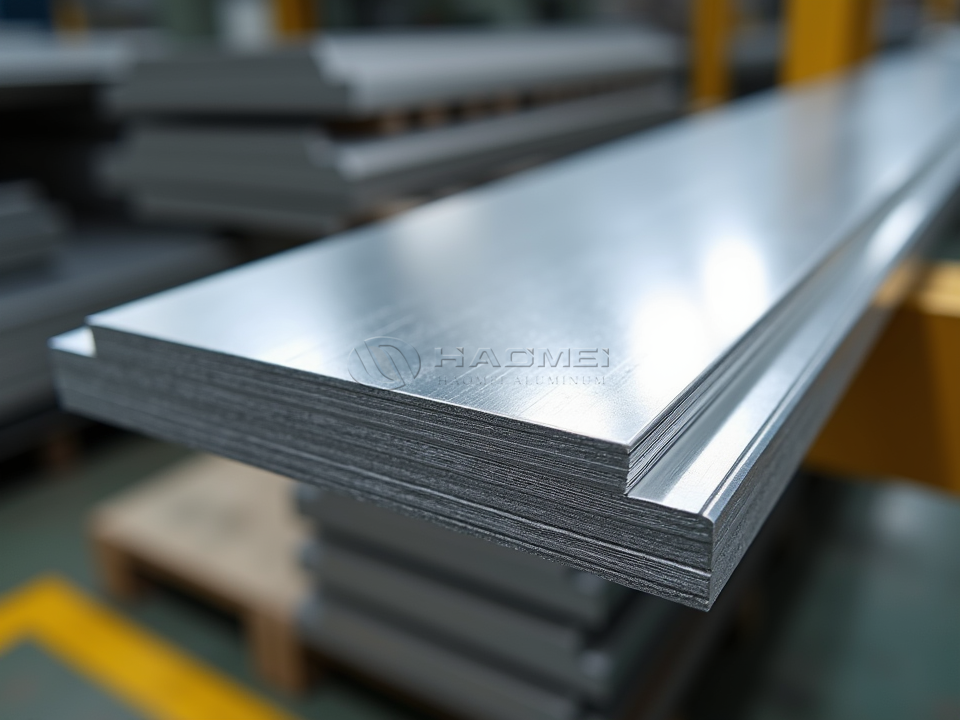
For a consistent material source, 8011 Aluminum Strip can be slit and processed into pharmaceutical foil stock according to required coil dimensions and coating specifications.
| Alloy | Typical Application | Common Temper | Material Characteristics |
|---|---|---|---|
| 8011 | Blister lidding foil, strip-pack foil | H18, H19, H22, H24 | Stable rolling quality, good strength, clean surface |
| 1235 | Light-gauge laminated pharmaceutical foil | O, H18 | High aluminum content, good flexibility, suitable for conversion |
| 8079 | High-barrier flexible foil laminates | O, H18 | Good elongation and pinhole resistance at thin gauges |
| 8021 | Cold-form and demanding barrier packaging | O, H18 | Good deep-draw and forming potential in selected constructions |
Typical Chemical Composition of 8011 Aluminum Foil
| Element | Content, % by Weight |
|---|---|
| Silicon, Si | 0.50-0.90 |
| Iron, Fe | 0.60-1.00 |
| Copper, Cu | 0.10 max |
| Manganese, Mn | 0.20 max |
| Magnesium, Mg | 0.05 max |
| Zinc, Zn | 0.10 max |
| Titanium, Ti | 0.08 max |
| Other elements, each | 0.05 max |
| Other elements, total | 0.15 max |
| Aluminum, Al | Balance |
Technical Specifications for Capsule Foil Rolls
Actual requirements depend on packaging geometry, machine design, lacquer type, and customer approval testing. The following ranges represent common commercial targets for pharmaceutical alu strip foil for capsules rolls.
| Parameter | Typical Range or Requirement | Notes |
|---|---|---|
| Foil thickness | 0.020-0.030 mm | 0.025 mm is frequently used for blister lidding foil |
| Thickness tolerance | Typically ±4% to ±6% | Defined by order agreement and applicable standard |
| Slit width | 40-1,250 mm | Narrow rolls prepared for specific packaging lanes |
| Coil inner diameter | 76 mm or 152 mm | Selected to suit unwinding equipment |
| Coil outer diameter | Up to 800 mm, typical | Limited by handling and machine capacity |
| Coil weight | 50-500 kg, typical | Customized for line loading requirements |
| Temper | H18, H19, H22, H24, O | Selected for converting method and required stiffness |
| Surface finish | Mill finish, one side bright, coated | Uniformity is essential for printing and sealing |
| Pinhole control | Tested to agreed method and gauge | Critical for high-barrier pharmaceutical use |
| Wetting tension | Commonly 32 dynes/cm or higher | Supports coating, printing, and lamination adhesion |
| Heat-seal temperature | Commonly 140-220°C | Depends on lacquer chemistry and sealing web |
Mechanical and Physical Performance
Hard-temper foil is commonly chosen for lidding applications because it tears cleanly when pushed through or peeled from the blister, while maintaining web tension during high-speed packaging. Softer tempers can be appropriate for laminates or special pack constructions where flexibility and forming behavior are more important.
| Property | H18 / H19 Typical Direction | Importance in Use |
|---|---|---|
| Tensile strength | 150-210 MPa | Helps prevent stretching and web breaks during conversion |
| Elongation | 1-5% | Supports controlled handling without excessive deformation |
| Density | Approximately 2.70 g/cm³ | Useful for roll weight and yield calculations |
| Melting range | Approximately 655-660°C | Far above normal packaging and sterilization conditions |
| Light transmission | Essentially zero | Protects photosensitive dosage forms |
| Water-vapor barrier | Extremely high when foil is intact | Supports dry storage conditions for capsules |
Standards and Quality Controls
Pharmaceutical foil must be manufactured under disciplined process control because packaging quality can influence medicine stability, traceability, and patient safety. Material compliance should be matched to the destination market, the finished packaging structure, and the drug manufacturer's validation protocol.
| Standard or System | Relevance to Pharmaceutical Foil |
|---|---|
| EN 546 | Aluminum and aluminum alloy foil requirements, tolerances, and testing principles |
| ASTM B479 | General requirements for annealed aluminum and aluminum-alloy foil |
| GB/T 3198 | Aluminum and aluminum alloy foil specifications in China |
| ISO 15378 | Quality-management framework for primary packaging materials for medicinal products |
| GMP requirements | Supports controlled manufacturing, traceability, hygiene, and documentation |
| USP and regional migration requirements | Used to assess suitability of coatings, inks, adhesives, and finished packaging systems |
Quality inspection commonly includes thickness measurement, width verification, coil edge inspection, surface cleanliness checks, pinhole testing, coating weight checks, heat-seal strength tests, ink adhesion, residual solvent evaluation, and visual examination under controlled illumination. Certificates of analysis, alloy certificates, coating declarations, and lot traceability records can be supplied according to project requirements.
Processing Guidance for Reliable Packaging
Packaging performance depends on matching the foil roll to the conversion and filling process. Rolls should be stored in a clean, dry environment away from condensation, corrosive vapors, and rapid temperature changes. Before use, material should acclimatize in the packaging room to avoid moisture-related surface issues.
During printing and sealing, operators should verify web tension, registration accuracy, seal temperature, dwell time, and pressure. Excessive temperature may discolor coatings or weaken printed layers, while inadequate heat can reduce seal integrity. Validation should include peel or push-through performance, package leak testing, visual inspection, and stability studies appropriate to the drug product.
Pharmaceutical alu strip foil for capsules rolls delivers a practical combination of barrier defense, process consistency, and presentation quality. With the correct alloy, temper, gauge, surface treatment, and heat-seal system, it supports dependable capsule packaging from roll conversion through final patient use.