Capsule Tablets Double Aluminum Foil Tablet Strip
Capsule Tablets Double Aluminum Foil Tablet Strip is a high-barrier pharmaceutical packaging material designed to protect unit doses from moisture, oxygen, light, odors, and external contamination. It is commonly used where medicine stability is highly sensitive and ordinary PVC blister packaging cannot provide sufficient protection.
The strip normally consists of two aluminum-based packaging layers sealed around individual tablets or capsules. One layer forms the cavity or pocket, while the other serves as the lidding material. After filling and heat sealing, each dose is enclosed in a compact, opaque, tamper-evident package that can be separated and opened when required.

Why Double Aluminum Foil Packaging Matters
Many pharmaceutical products lose potency when exposed to humidity, oxidation, ultraviolet light, or volatile chemicals. Soft gelatin capsules, hygroscopic tablets, probiotics, effervescent formulations, herbal extracts, and certain antibiotics may require a more complete barrier than plastic-based blisters can provide.
Double aluminum foil strip packaging creates a near-total light barrier and an excellent barrier against water vapor and gases. Its dense metal structure prevents transmission paths that may exist in polymer films. This helps maintain product appearance, hardness, dosage accuracy, aroma, and active ingredient performance throughout the intended shelf life.
For healthcare brands, this format also provides a clean, professional presentation. Individual cavities make dosage management easier for patients and can reduce the risk of exposure to the remaining medicine after one unit is removed.
Material Structure and Product Parameters
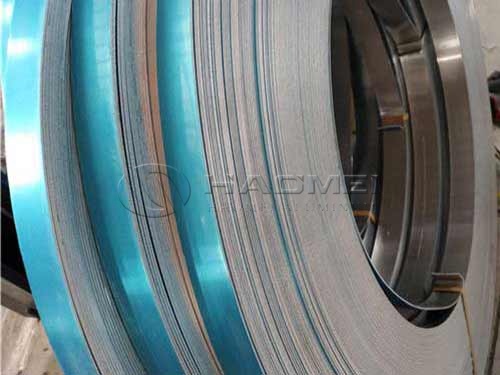
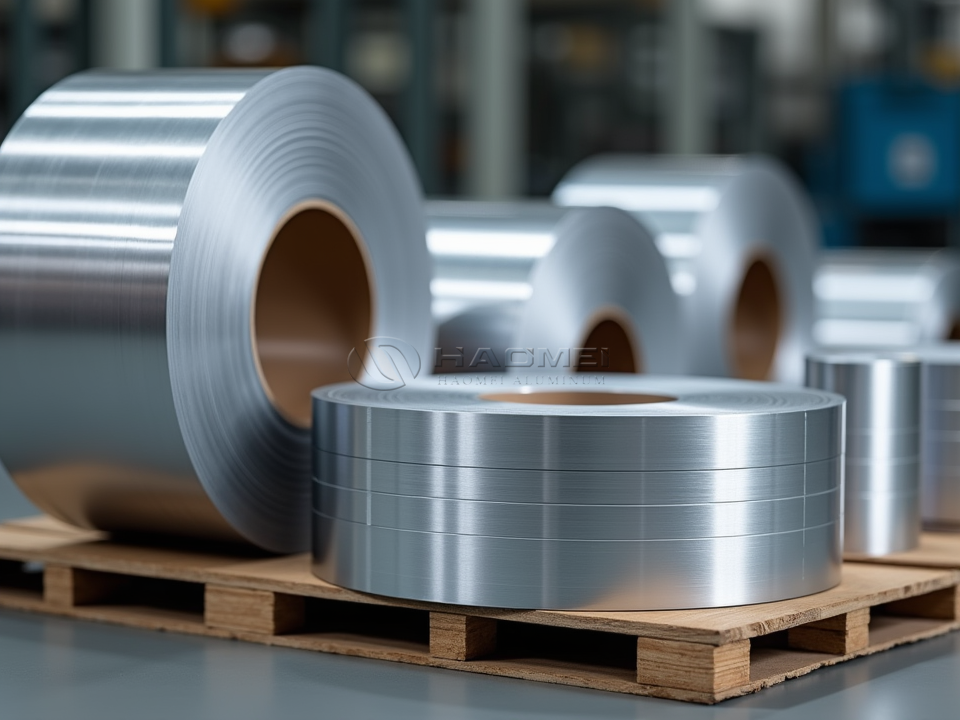
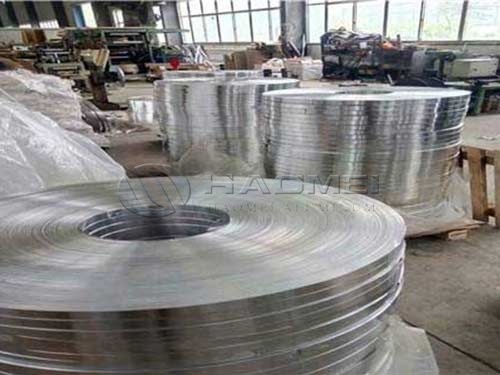
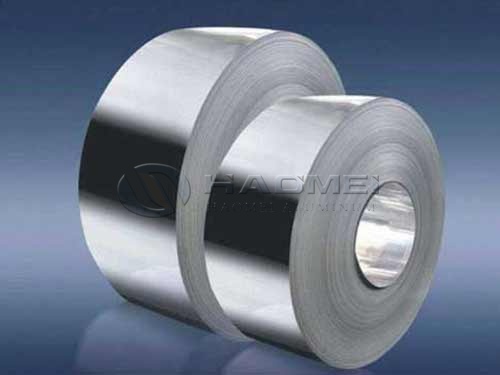
A double aluminum foil tablet strip may use hard aluminum foil, soft aluminum foil, cold-form aluminum laminate, or a laminated combination selected according to forming depth, filling equipment, seal strength, and regulatory requirements. Alloy 8011 is widely used because it offers stable processing behavior, good corrosion resistance, and suitable foil rolling performance. Depending on the package design, 8011 Aluminum Strip can be processed into narrow coils for pharmaceutical foil conversion.
| Property | Typical Specification Range | Packaging Benefit |
|---|---|---|
| Aluminum alloy | 8011, 1235, 8079 | Reliable foil rolling and converting performance |
| Foil thickness | 0.020-0.060 mm | Balances barrier, formability, and handling strength |
| Strip width | Customized, often 30-600 mm | Matches blister and strip packaging equipment |
| Temper | O, H18, H19, H22 | Selected for forming, stiffness, or lidding needs |
| Surface finish | Mill finish, coated, printed, embossed | Supports sealing, branding, and identification |
| Primer or heat-seal coating | Customized | Creates dependable sealing with the mating layer |
| Core inner diameter | 76 mm or 152 mm | Fits standard converting and packing machinery |
| Roll weight | Customized | Supports efficient continuous production |
The foil surface must be clean, uniform, and free from defects that could affect sealing or visual quality. Pinholes, scratches, oil residue, edge cracks, dents, and uneven coating can compromise package integrity. Controlled rolling, annealing, slitting, coating, and inspection are therefore important throughout production.
Chemical Composition of Common Foil Alloys
The specific alloy is chosen according to the foil gauge, mechanical needs, and converting route. The chemical composition of common pharmaceutical foil alloys is generally controlled within the following limits.
| Element | 8011 Alloy, % | 1235 Alloy, % | Functional Influence |
|---|---|---|---|
| Aluminum | Balance | Balance | Provides low weight, barrier performance, and corrosion resistance |
| Iron + Silicon | 0.50-1.00 | 0.65 max | Supports strength and rolling behavior |
| Iron | 0.60-1.00 | 0.60 max | Influences grain structure and foil properties |
| Silicon | 0.50-0.90 | 0.50 max | Contributes to process stability |
| Copper | 0.10 max | 0.10 max | Controlled to maintain corrosion resistance |
| Manganese | 0.20 max | 0.05 max | Can improve strength in limited amounts |
| Magnesium | 0.05 max | 0.05 max | Maintained at low levels for foil applications |
Material certification may include alloy confirmation, thickness results, mechanical properties, surface quality records, coating weight, and dimensional inspection. For pharmaceutical contact applications, the complete laminate system, inks, adhesives, coatings, and sealing lacquer should be evaluated against applicable food-contact and pharmaceutical packaging regulations in the target market.
Performance Features for Tablets and Capsules
High moisture protection. Aluminum foil sharply limits water vapor ingress, making it suitable for products that soften, clump, dissolve, or degrade in humid conditions.
Complete light shielding. The opaque foil layer protects medicines from visible and ultraviolet light, which is especially valuable for photosensitive active ingredients and botanical formulations.
Excellent gas and odor barrier. Properly laminated and sealed foil helps reduce oxygen exposure and limits the transfer of external odors into the package.
Strong heat-seal reliability. Coated foil can be engineered for a controlled sealing window, allowing consistent package closure at appropriate temperature, dwell time, and pressure.
Good mechanical protection. The laminated structure resists puncture and crushing better than many light plastic packs. This is beneficial during transport, storage, and patient handling.
Clear printability. The external surface can carry product names, dosage instructions, batch codes, expiry dates, warnings, and brand graphics. High-quality printing improves traceability and patient confidence.
Convenient unit-dose dispensing. Perforated strips enable patients to carry a limited quantity of medicine without opening the whole carton or bottle.
Typical Applications
Capsule Tablets Double Aluminum Foil Tablet Strip is widely used in pharmaceutical and nutraceutical packaging lines. Common applications include hard-shell capsules, softgel capsules, coated tablets, uncoated tablets, lozenges, herbal tablets, vitamin supplements, mineral supplements, probiotic doses, and veterinary medicines.
It is particularly suitable for products with demanding storage conditions. Examples include moisture-sensitive formulations, products containing volatile oils, drugs requiring light protection, and medicines distributed through hot or humid climates. The packaging format can also support hospital-dose packs, clinical trial samples, travel packs, and retail-ready medicine strips.
Where higher formability or different stiffness is required for support layers and converting components, Alloy Aluminum Strip options can be matched to the equipment and laminate design. Selecting the proper alloy and temper helps prevent cracking during forming while maintaining stable slitting and winding performance.
Production and Quality Control Considerations
Successful strip packaging depends on more than foil thickness alone. The material must run smoothly on high-speed equipment, maintain even tension, and form consistent seals without wrinkles or edge damage. Roll flatness and precise slit width are especially important because irregular edges may lead to tracking problems or poor package registration.
Quality checks commonly include thickness measurement, width tolerance, surface wetting behavior, pinhole inspection, tensile testing, elongation testing, coating uniformity, seal-strength testing, and visual examination. For finished pharmaceutical strips, manufacturers may also conduct leak testing, burst testing, peel evaluation, print-legibility checks, and accelerated stability studies.
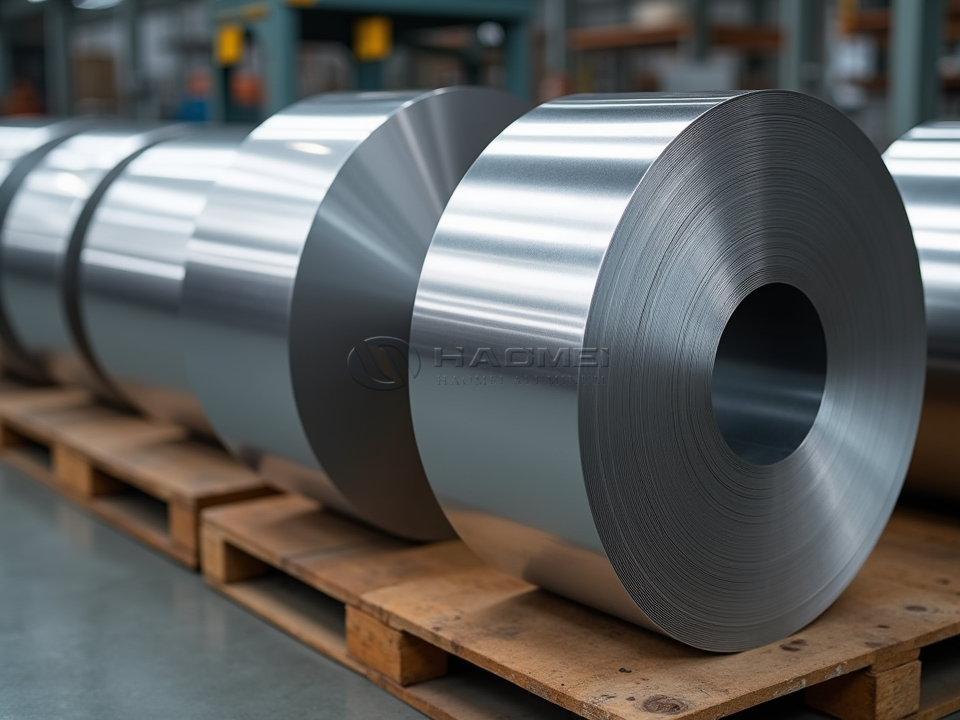
Storage conditions should protect the foil rolls from moisture, dust, impact, and major temperature fluctuations. Rolls are typically packed with protective wrapping, supported to avoid edge deformation, and kept in a clean, dry warehouse before conversion.
Selecting the Right Foil Specification
The most suitable double aluminum foil structure depends on the medicine, dose shape, cavity size, required shelf life, filling speed, and opening method. A deep capsule pocket needs greater forming capability than a shallow tablet cavity. A child-resistant package may need a different laminate construction than a senior-friendly peelable strip. Printed branding, anti-counterfeiting marks, embossing, and serialization requirements may also influence the final material selection.
By combining high-purity aluminum foil, controlled alloy chemistry, compatible coatings, and accurate conversion, Capsule Tablets Double Aluminum Foil Tablet Strip provides a dependable packaging route for medicines that demand strong environmental protection and practical unit-dose handling.