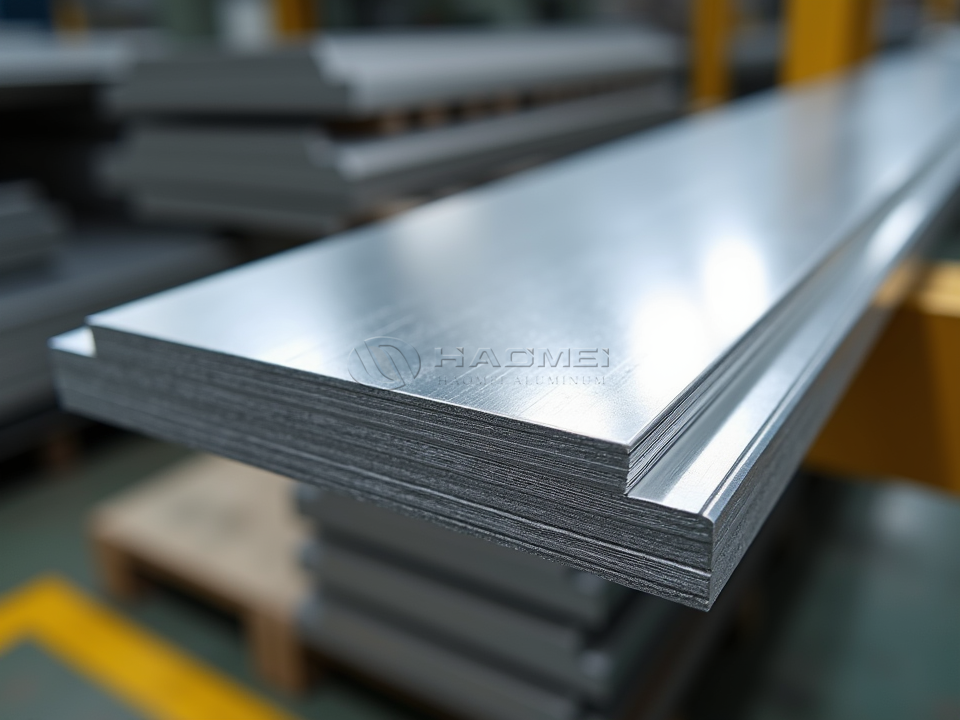
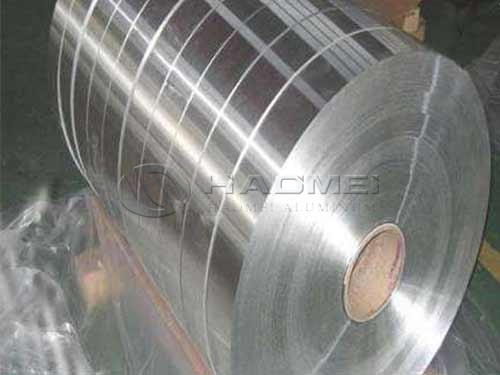
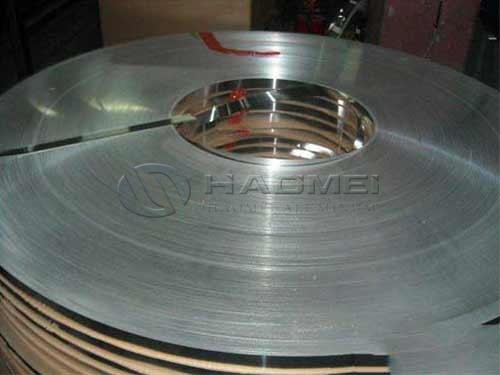
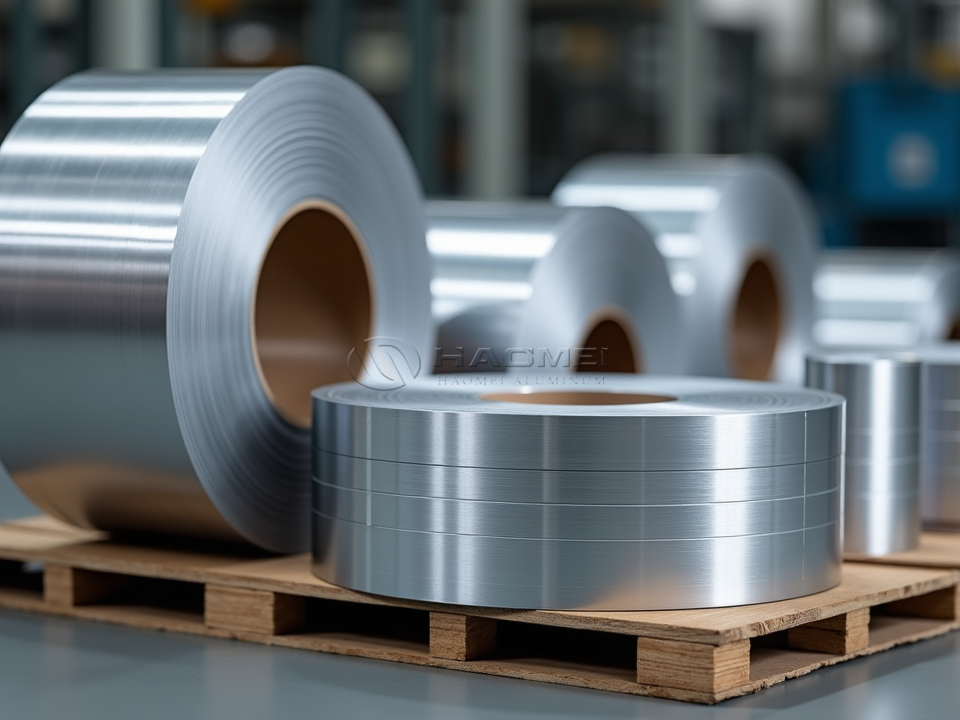
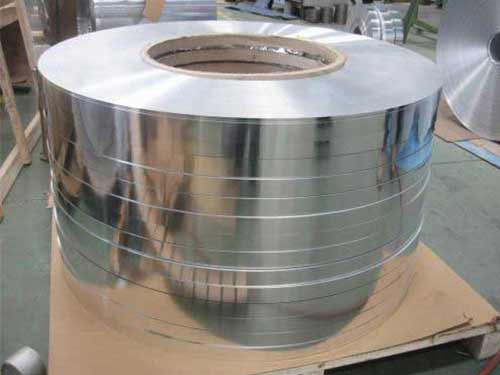
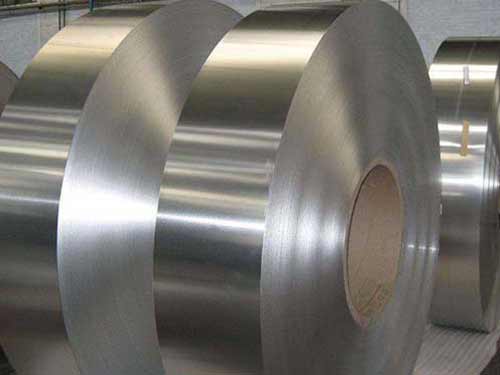
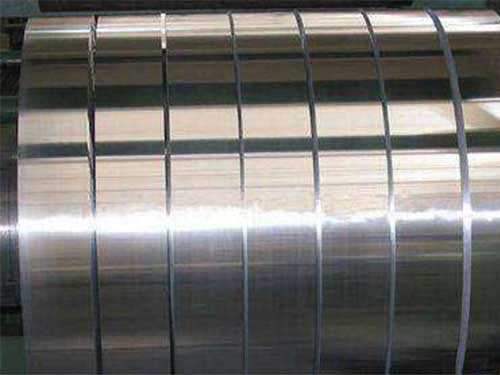
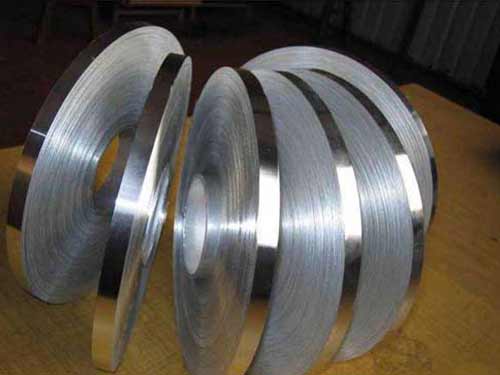
0.4mm 0.5mm Thick Thin Aluminum Strip Coil 1060 H14 1050 1100
Thin aluminum strip coil in 0.4mm and 0.5mm thickness is a practical material for customers who need light weight, smooth surface quality, steady forming behavior, and reliable corrosion resistance. Made from commercially pure aluminum grades such as 1060 H14, 1050, and 1100, this strip is widely used in precision stamping, cable wrapping, lamp cap production, heat insulation components, packaging parts, nameplates, and electrical accessories.
Compared with thicker coil stock, 0.4mm and 0.5mm aluminum strip can be cut, punched, folded, curled, laminated, or roll formed with lower processing force. It also keeps the natural benefits of pure aluminum: clean appearance, high ductility, good conductivity, and excellent resistance to atmospheric corrosion.
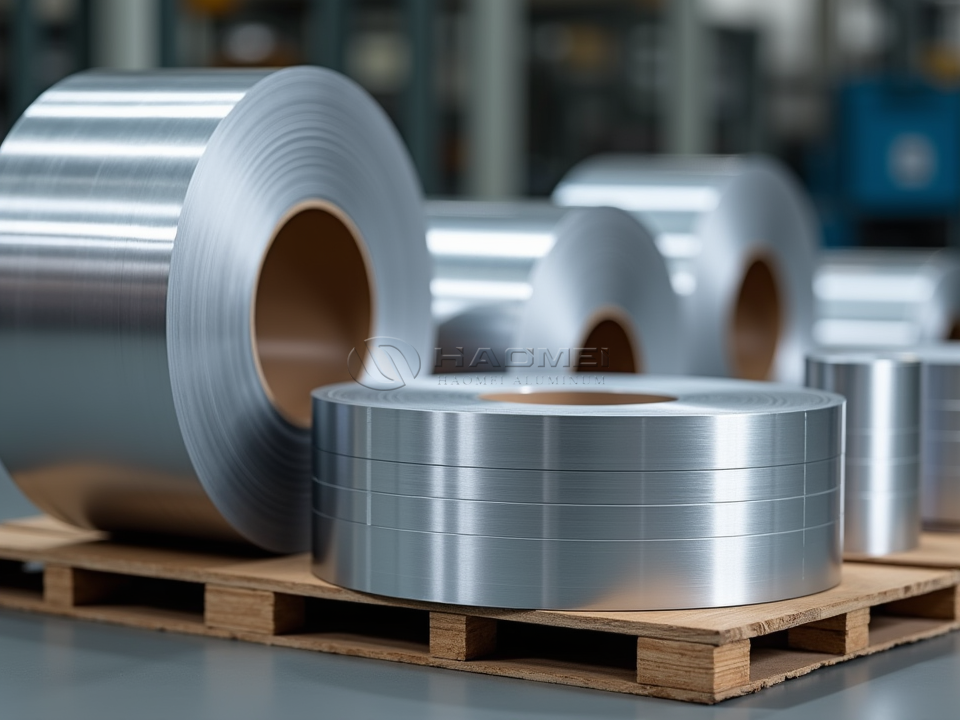
Material Character and Product Feel
The 1000 series aluminum family is valued for purity and processing stability. 1050, 1060, and 1100 contain high aluminum content, giving the strip a bright metallic surface and consistent mechanical response during production. For customers selecting material for continuous stamping or automatic feeding lines, this consistency helps reduce tool wear, edge cracking, misfeeding, and surface defects.
1060 H14 is especially popular when moderate strength and good bendability must work together. The H14 temper is strain-hardened to a half-hard condition, so it is stronger than annealed O temper while remaining workable for many forming operations. Customers who need soft deep drawing may choose O temper, while customers requiring a firmer coil for stable feeding often prefer H14.
For related pure aluminum grades, 1050 / 1060 Aluminum Strip is often selected for products where formability, surface finish, and electrical performance are more important than high structural strength.
Common Technical Parameters
| Item | Typical Range or Option |
|---|---|
| Alloy grades | 1050, 1060, 1100 |
| Main temper | H14, O, H12, H16, H18 available by application |
| Thickness | 0.4mm, 0.5mm, with custom tolerance control |
| Width | Narrow slit strip to wider coil, usually customized |
| Surface | Mill finish, bright finish, degreased, coated, or paper interleaved |
| Edge type | Slit edge, deburred edge, rounded edge on request |
| Coil ID | 300mm, 405mm, 505mm, or customized |
| Coil weight | Produced according to handling and line requirements |
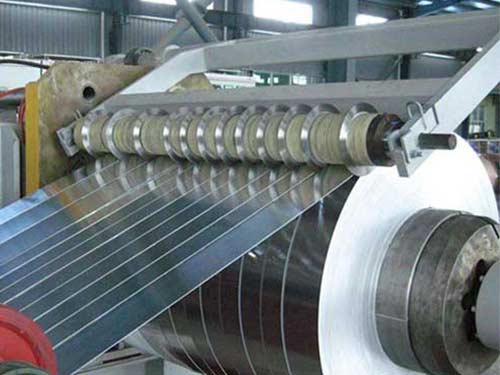
| Processing | Slitting, leveling, tension control, surface protection |
Thickness accuracy is one of the main concerns for thin strip buyers. For stamping dies, insulation winding machines, and lamp cap lines, a small variation in thickness may affect feeding accuracy and finished part height. Stable rolling and precision slitting help the strip remain flat, easy to feed, and suitable for high-speed production.
Chemical Composition Reference
| Alloy | Aluminum Content | Si | Fe | Cu | Mn | Mg | Zn | Ti |
|---|---|---|---|---|---|---|---|---|
| 1050 | 99.50% min | 0.25 max | 0.40 max | 0.05 max | 0.05 max | 0.05 max | 0.05 max | 0.03 max |
| 1060 | 99.60% min | 0.25 max | 0.35 max | 0.05 max | 0.03 max | 0.03 max | 0.05 max | 0.03 max |
| 1100 | 99.00% min | Si + Fe 0.95 max | Si + Fe 0.95 max | 0.05-0.20 | 0.05 max | - | 0.10 max | - |
The high aluminum purity gives these grades excellent oxidation resistance and clean workability. The surface naturally forms a thin oxide film, which helps protect the strip in indoor and outdoor environments. If the final product needs painting, coating, adhesive bonding, or lamination, surface cleaning and degreasing can improve adhesion.
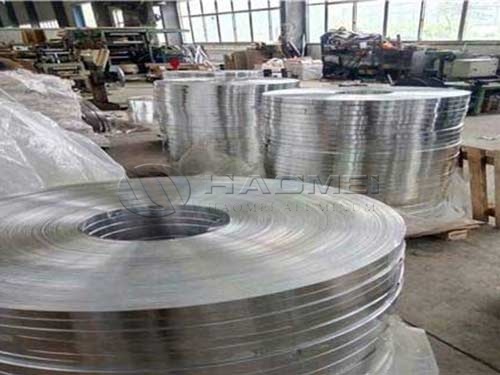
Mechanical Performance and Formability
| Grade and Temper | Tensile Strength MPa | Elongation Typical | Forming Behavior |
|---|---|---|---|
| 1050 H14 | 95-125 | Medium | Good bending, punching, and shallow forming |
| 1060 H14 | 95-135 | Medium | Stable feeding, good edge quality, reliable forming |
| 1100 H14 | 95-130 | Medium | Good stamping and decorative forming |
| 1050/1060 O | 60-95 | High | Excellent deep drawing and soft forming |
| H18 option | Higher | Lower | Suitable for flatter, firmer strip uses |
For 0.4mm material, flexibility is stronger and the strip is suitable for parts that require light gauge forming or wrapping. For 0.5mm material, the strip has better rigidity and is preferred where the part needs more shape retention after stamping or bending. Both thicknesses can be supplied in narrow widths for continuous processes, including terminal parts, shielding parts, caps, seals, and insulation layers.
Surface Quality and Edge Control
A thin aluminum strip coil must not only meet thickness requirements; it must also run smoothly through customer equipment. Surface scratches, oil stains, burrs, waves, and uneven edges may stop production or damage dies. For this reason, quality control during rolling, slitting, and packing is important.
Typical surface requirements include smooth mill finish, low oil residue, no heavy scratches, no black spots, no corrosion marks, and clean edges. For applications such as cosmetic packaging, nameplates, and decorative trim, brighter surface control can be specified. For transformer, cable, or insulation use, stable width, tight winding, and burr control are often more important than visual brightness.
When customers need other grades for stronger corrosion resistance or higher mechanical strength, Alloy Aluminum Strip options can be compared based on forming depth, strength level, and final service environment.
Main Applications
Thin 1060 H14, 1050, and 1100 aluminum strip coil is used wherever light weight, corrosion resistance, and easy fabrication are needed. In lamp cap production, the strip can be stamped and drawn into caps with a smooth surface and clean edge. In cable applications, thin aluminum strip serves as shielding, wrapping, or protective tape because it combines flexibility with conductivity.
For packaging components, 0.4mm and 0.5mm strip can be formed into seals, covers, closures, and decorative shells. Its clean appearance is suitable for products where the visible metal surface matters. In heat insulation and HVAC parts, aluminum reflects heat, resists moisture, and is easy to fold or laminate with other materials.
Electrical product manufacturers use these grades for conductive parts, battery accessories, transformer spacing components, and light-duty bus parts. While pure aluminum is not as strong as 3000 or 5000 series alloy, it provides excellent conductivity and is easier to process into delicate shapes.
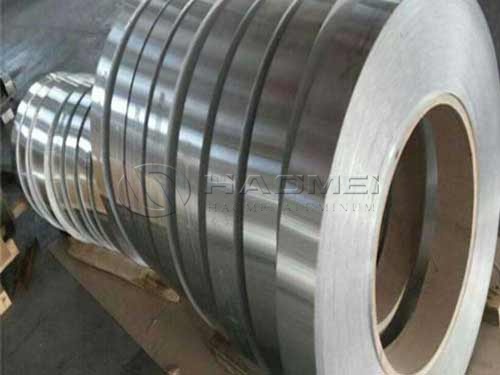
Thickness Selection: 0.4mm or 0.5mm
Choosing between 0.4mm and 0.5mm depends on the final part and production line. A 0.4mm strip is lighter and easier to bend, making it suitable for wrapping, flexible forming, labels, insulation pieces, and thin stamped parts. A 0.5mm strip offers stronger hand feel and improved shape stability, which is useful for caps, covers, clips, shells, and parts that must resist deformation during assembly.
Customers should also consider temper. H14 provides balanced strength and formability. O temper is better for deep drawing or severe bending. H18 is selected when a harder, flatter strip is required and forming demand is limited.
Packing and Delivery Condition
Thin aluminum strip should be packed to prevent moisture, edge damage, and coil collapse during transport. Common protection includes paper interleaving, plastic film, moisture-proof wrapping, wooden pallets, and clear coil labeling. For export shipments, strong packaging helps protect the strip from vibration and humidity.
Each coil can be marked with alloy, temper, thickness, width, coil number, weight, and production batch. This makes incoming inspection and production tracking easier for customers using automated manufacturing lines.
Why Customers Choose This Material
0.4mm and 0.5mm aluminum strip coil in 1060 H14, 1050, and 1100 grades offers a dependable balance of light weight, corrosion resistance, clean appearance, and easy forming. It is economical, versatile, and suitable for both high-volume industrial processing and precision component manufacturing. With proper alloy, temper, width, surface, and edge selection, this thin aluminum strip can help customers improve production speed, reduce scrap, and create stable finished products across many industries.