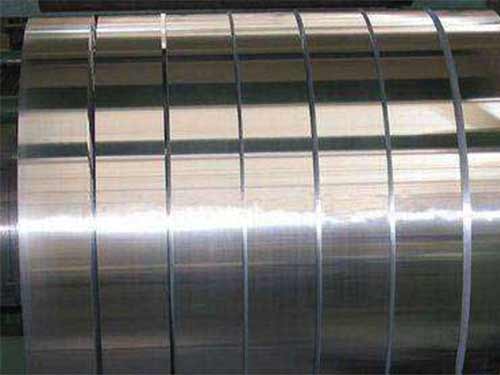
Lacquered H14 8011 Aluminum Strip for Flip Off Caps
A flip-off cap may look like a small packaging component, but it carries a demanding job. It must be stamped cleanly, retain its shape around the vial neck, support a plastic flip-off button, and protect the closure system through filling, transport, storage, and use. Lacquered H14 8011 aluminum strip is engineered for this balance between appearance, formability, coating performance, and process consistency.
For pharmaceutical and medical packaging converters, the material is not simply aluminum coil slit into narrow widths. It is a controlled cap-stock substrate. Its alloy composition, H14 temper, surface cleanliness, lacquer adhesion, coil geometry, and edge quality all influence the performance of the finished cap.
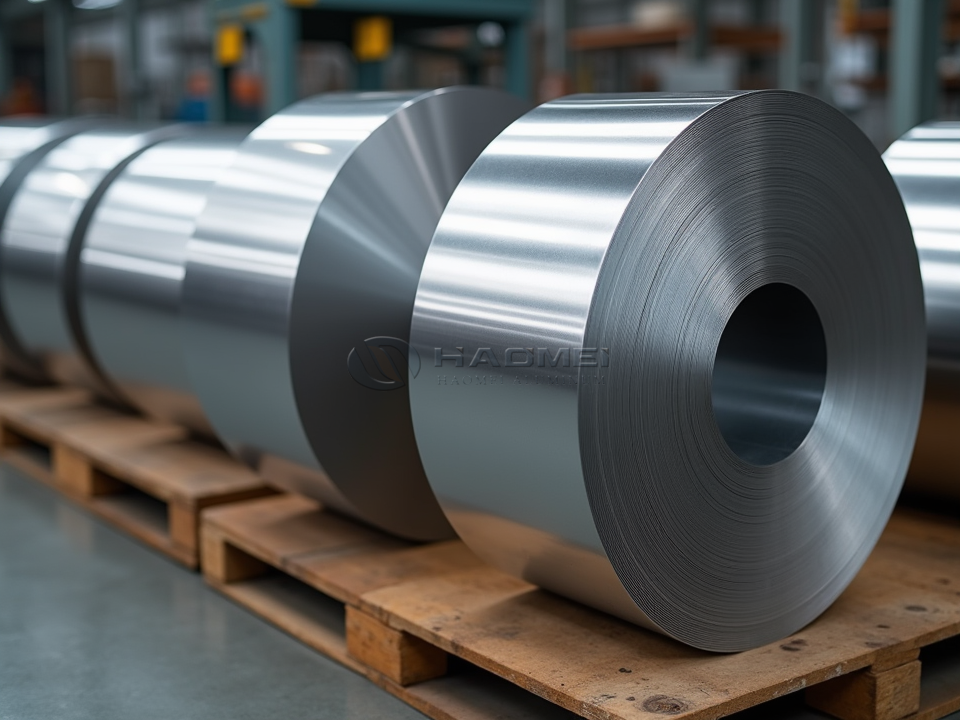
Why 8011 Alloy Fits Flip Off Cap Production
8011 is an aluminum-iron-silicon alloy widely used in packaging applications. Compared with very soft commercial-purity grades, it provides a more stable combination of strength and workability. This matters when caps are stamped at high speed and then crimped around rubber stoppers and glass vial finishes.
The iron and silicon content gives 8011 aluminum strip suitable strength after cold rolling. At the same time, the material remains ductile enough for blanking, drawing, embossing, curling, and skirt formation. The H14 temper, commonly described as half-hard, is particularly practical for flip-off caps because it resists deformation while still allowing controlled shaping during press operations.
For cap converters seeking dependable raw material, 8011 Aluminum Strip is commonly selected for medical vial caps, antibiotic bottle caps, infusion bottle closures, beverage caps, and cosmetic closure components.
The Role of the H14 Temper
H14 means the aluminum strip has been strain-hardened to a half-hard condition. It is not fully annealed, and it is not excessively hard. This middle condition gives cap manufacturers a useful processing window.
A strip that is too soft may create dents, wrinkles, or shape inconsistency during stamping and handling. A strip that is too hard can crack at formed areas, increase die wear, or cause unstable curling around the cap skirt. H14 helps maintain a controlled response under pressure. The cap can be formed precisely while retaining enough rigidity to protect the closure after assembly.
Typical mechanical properties vary with thickness, production route, and applicable standard, but H14 8011 cap stock often falls within the following working range.
| Property | Typical Requirement or Range |
|---|---|
| Alloy | AA 8011 |
| Temper | H14 |
| Tensile strength | 125-165 MPa |
| Yield strength | 105 MPa minimum, typical range subject to thickness |
| Elongation | 2%-8%, depending on gauge and test length |
| Surface | One or both sides lacquered as required |
| Form | Slit coil or narrow aluminum strip coil |
Chemical Composition of 8011 Aluminum Alloy
The chemistry of 8011 is controlled to provide consistent rolling behavior, strength, and corrosion resistance. Aluminum is the balance element, while silicon and iron provide the main alloying effect.
| Element | Content, % by Weight |
|---|---|
| Silicon, Si | 0.50-0.90 |
| Iron, Fe | 0.60-1.00 |
| Copper, Cu | 0.10 max |
| Manganese, Mn | 0.20 max |
| Magnesium, Mg | 0.05 max |
| Zinc, Zn | 0.10 max |
| Titanium, Ti | 0.08 max |
| Other elements, each | 0.05 max |
| Other elements, total | 0.15 max |
| Aluminum, Al | Balance |
This composition supports stable cold rolling and a uniform surface after finishing. For flip-off caps, uniformity matters as much as nominal chemistry. Small variations in hardness or surface condition can become visible as inconsistent cap gloss, coating defects, or uneven forming at the press.
Lacquer Is a Functional Layer, Not Only a Decorative Finish
The lacquer coating is often the first feature customers notice, particularly when caps are supplied in gold, blue, red, silver, green, or custom pharmaceutical colors. Yet its function goes far beyond visual identification.
A properly applied lacquer can improve resistance to moisture, handling marks, mild chemical exposure, and surface abrasion. It also gives the cap an attractive, consistent finish suitable for pharmaceutical branding and dosage differentiation. Depending on the closure design, lacquer can be applied on the exterior face, interior face, or both sides.
Exterior lacquer typically supports color, printability, and abrasion resistance. Interior protective lacquer can help isolate the aluminum from contact conditions inside the cap assembly. Lacquer systems may be epoxy-based, polyester-based, acrylic-based, or developed for specific sterilization and packaging requirements.
Common coating conditions include dry film thicknesses of approximately 2-5 μm or coating weights around 2-6 g/m² per side. The final specification should be determined by the cap design, color system, forming depth, sterilization method, and compatibility requirements of the pharmaceutical packaging line.
Typical Supply Parameters
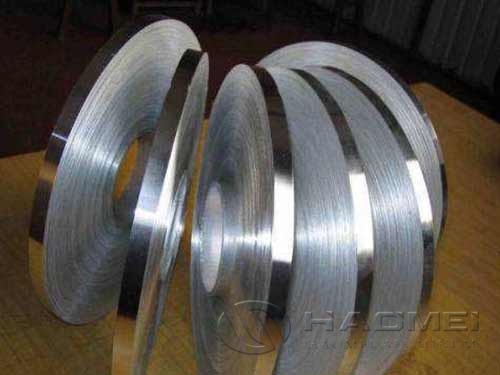
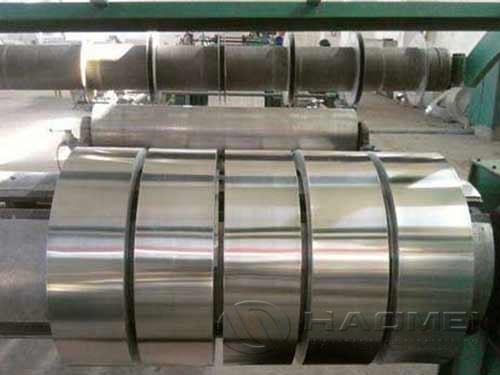
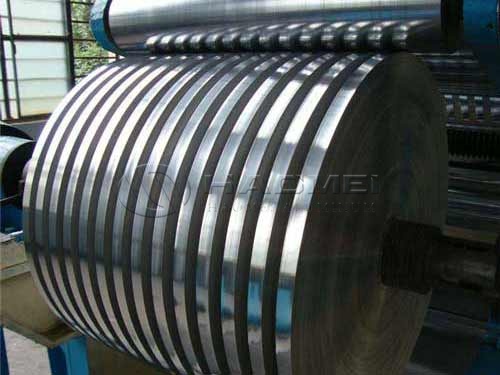
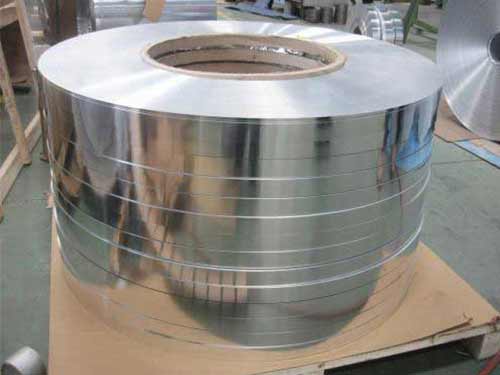
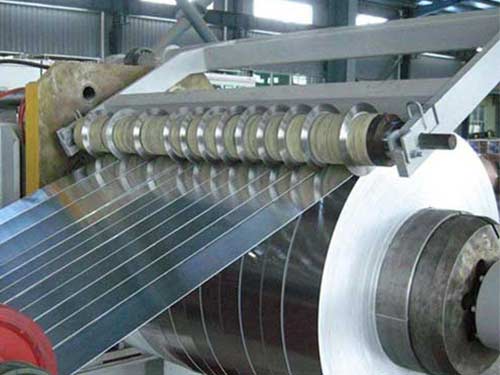
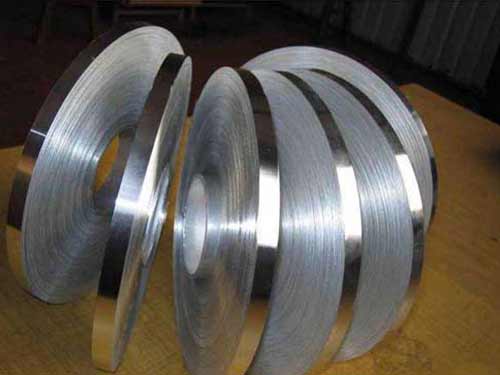
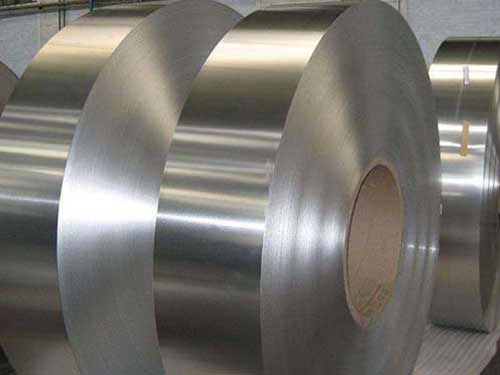
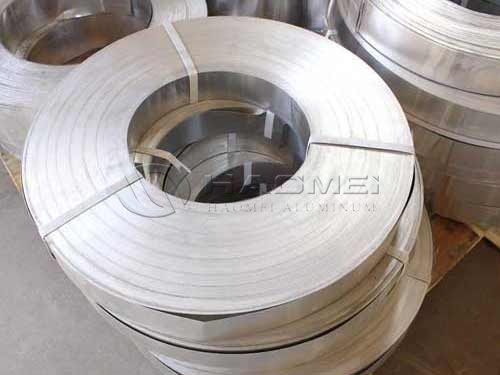
Lacquered H14 8011 aluminum strip can be supplied in dimensions tailored to cap blank diameter, press tooling, and slitting configuration. Narrow-width accuracy is especially important because cap-making lines run continuously and are sensitive to coil wandering or edge defects.
| Parameter | Common Supply Range |
|---|---|
| Thickness | 0.18-0.30 mm |
| Common cap-stock gauges | 0.20 mm, 0.22 mm, 0.24 mm, 0.25 mm |
| Width | 15-150 mm, customized slit widths available |
| Coil inner diameter | 150 mm, 300 mm, 405 mm, 508 mm, or as agreed |
| Coil outer diameter | According to weight and equipment limits |
| Coil weight | Small coils or jumbo coils as required |
| Surface finish | Lacquered, color coated, plain, printed-ready |
| Edge condition | Slit edge, burr controlled, no harmful edge wave |
For high-speed cap stamping, thickness tolerance and width tolerance should be agreed before production. Tighter tolerances improve die alignment, blank consistency, and material utilization. Surface defects such as oil spots, scratches, pinholes, coating skips, stains, and telescoping should be controlled to match the customer's production standard.
Implementation Standards and Quality Conditions
Production and inspection may follow recognized international standards depending on the destination market and buyer specification. Common references include ASTM B209 for aluminum and aluminum-alloy sheet and strip, EN 485-2 for mechanical properties of wrought aluminum products, EN 573-3 for alloy chemical composition, and GB/T 3880 for aluminum and aluminum-alloy plates, sheets, and strips.
For pharmaceutical cap material, standards alone do not define every practical requirement. Buyers often add conditions for lacquer adhesion, solvent resistance, coating color difference, gloss, food-contact or pharmaceutical-contact compliance, coil winding direction, oil level, and packaging protection.
A dependable coil should have even tension throughout the roll. Loose winding can affect feeding stability. Excessive tension can create edge damage or deformation. Proper export packaging generally includes moisture-resistant wrapping, protective outer layers, reinforced pallets, and clear coil identification.
Selecting the Right Strip for Your Cap Line
The best lacquered H14 8011 aluminum strip is the one matched to the entire cap-making process rather than only to a thickness value. The press tooling, cap diameter, drawing depth, color requirement, liner system, and end-use environment should all be considered together.
When stronger corrosion resistance or a different forming profile is required, buyers may also compare other Alloy Aluminum Strip options. However, for conventional flip-off cap production, 8011 H14 remains a practical and widely proven choice due to its stable strength, economical processing, clean lacquered appearance, and reliable forming behavior.
Lacquered H14 8011 aluminum strip turns a narrow coil into a precision closure component. When alloy control, temper, coating adhesion, slitting quality, and packaging protection are handled carefully, the result is a flip-off cap that looks professional and performs consistently from the stamping press to the vial filling line.