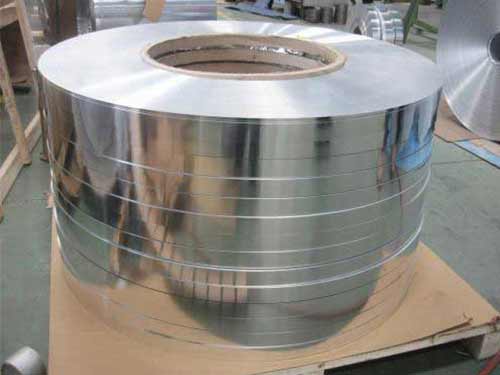
Aluminum Enclosure Channel Housing Heatsink Aluminum Strip
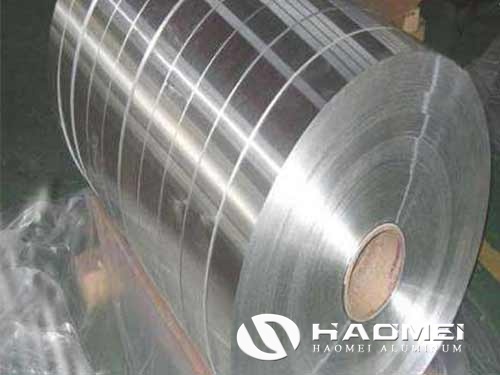
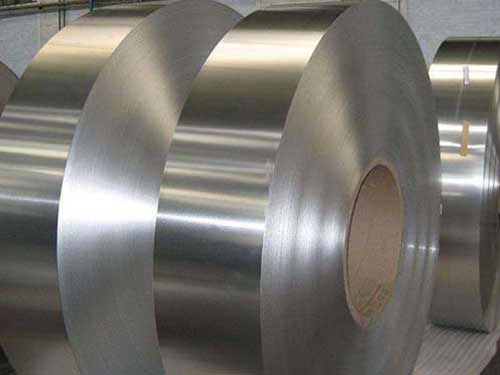
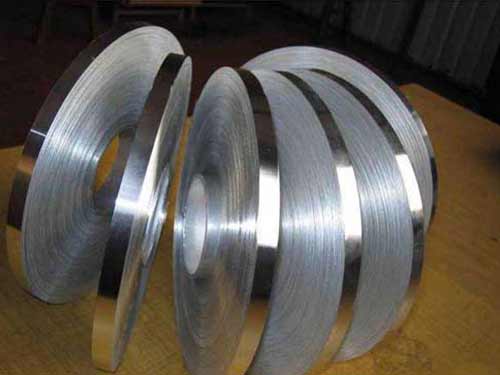
Aluminum enclosure channel housing heatsink aluminum strip is a versatile rolled material used where a product needs both a protective shell and an efficient heat path. It can be slit to narrow widths, bent into U-channels, roll-formed into cabinet edges, stamped into brackets, or fabricated into heat-spreading plates and fin structures. Its low density, corrosion resistance, electrical conductivity, and thermal conductivity make aluminum strip a practical material for electronics, lighting, power equipment, battery systems, and industrial control assemblies.
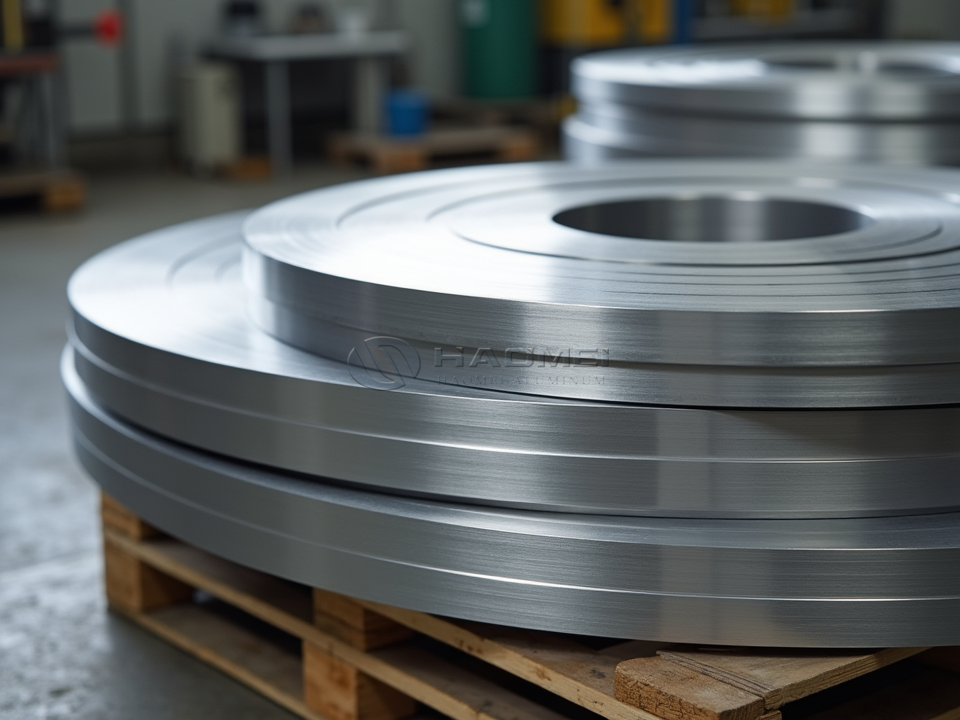
For channel housings, the strip provides dimensional consistency during bending and forming. For heatsinks, it transfers heat away from LEDs, power semiconductors, circuit boards, and battery modules. A properly selected alloy and temper balance formability, strength, surface quality, and heat dissipation for the intended production route.
Functions in Enclosures, Channels, and Heatsinks
An aluminum strip enclosure can act as a structural cover, EMI shielding component, mounting surface, and thermal bridge at the same time. In compact electronic products, this multi-function capability reduces part count and supports lighter assemblies.
| Function | How Aluminum Strip Contributes | Typical Product Examples |
|---|---|---|
| Protective housing | Forms a rigid shell that guards internal parts from impact, dust, and handling damage | Power supplies, sensor boxes, instrument cases |
| Channel construction | Produces U, C, L, and hat-shaped profiles through roll forming or press braking | LED channels, cable raceways, cabinet frames |
| Heat spreading | Moves concentrated heat across a larger surface area | LED boards, inverter plates, battery thermal covers |
| Heatsink substrate | Provides material for fins, folded cooling channels, and base plates | LED lamps, motor drives, telecom equipment |
| EMI and grounding support | Conductive aluminum can assist grounding and electromagnetic shielding when designed correctly | Control cabinets, communication devices |
| Surface finishing platform | Accepts anodizing, powder coating, painting, brushing, and protective films | Decorative lighting housings, consumer electronics |
Alloy Selection for Thermal and Forming Performance
The best alloy depends on whether the material will be deeply formed, bent into channels, exposed to outdoor moisture, or required to carry higher structural loads. Commercially pure 1050 and 1060 grades provide strong conductivity and easy forming. 3003 is frequently selected for general channel housings because manganese improves strength while preserving good workability. 5052 provides higher corrosion resistance and strength for demanding enclosures. 6061 is suitable where higher mechanical strength and machined features are needed.
For general fabricated housings, 3003 Aluminum Strip offers a dependable combination of bendability, surface stability, and moderate strength.
| Alloy | Main Alloying Elements | Thermal Conductivity, Approx. W/m·K | Typical Strength Level | Suitable Uses |
|---|---|---|---|---|
| 1050 | Aluminum purity minimum 99.5% | 227 | Low | Reflectors, thermal spreaders, soft-formed channels |
| 1060 | Aluminum purity minimum 99.6% | 234 | Low | Heat-transfer parts, conductive housings, LED components |
| 1100 | Aluminum purity minimum 99.0% | 222 | Low to medium | Decorative enclosures, formed covers |
| 3003 | Mn approximately 1.0% to 1.5% | 193 | Medium | Channel housings, stamped panels, LED frames |
| 5052 | Mg approximately 2.2% to 2.8% | 138 | Medium to high | Marine, outdoor, and battery enclosures |
| 6061 | Mg and Si | 167 | High after T6 treatment | Reinforced housings, machined thermal plates |
Chemical Composition Requirements
Chemical composition is controlled to maintain consistent forming response, corrosion behavior, conductivity, and mechanical performance. Values are normally specified as mass percentage and should be confirmed against the applicable mill certificate and customer specification.
| Alloy | Si | Fe | Cu | Mn | Mg | Cr | Zn | Ti | Al |
|---|---|---|---|---|---|---|---|---|---|
| 1050 | ≤0.25 | ≤0.40 | ≤0.05 | ≤0.05 | ≤0.05 | - | ≤0.05 | ≤0.03 | ≥99.50 |
| 1060 | ≤0.25 | ≤0.35 | ≤0.05 | ≤0.03 | ≤0.03 | - | ≤0.05 | ≤0.03 | ≥99.60 |
| 3003 | ≤0.60 | ≤0.70 | ≤0.20 | 1.0-1.5 | - | - | ≤0.10 | ≤0.10 | Balance |
| 5052 | ≤0.25 | ≤0.40 | ≤0.10 | ≤0.10 | 2.2-2.8 | 0.15-0.35 | ≤0.10 | - | Balance |
| 6061 | 0.40-0.80 | ≤0.70 | 0.15-0.40 | ≤0.15 | 0.80-1.20 | 0.04-0.35 | ≤0.25 | ≤0.15 | Balance |
Temper Conditions and Mechanical Characteristics
Temper selection determines how the aluminum strip behaves during bending, stamping, roll forming, drilling, and assembly. Softer tempers reduce cracking risk in tight-radius channels. Harder tempers improve dent resistance and panel stiffness but require larger bend radii.
| Temper | Material Condition | Typical Application Benefit | Common Alloy Pairing |
|---|---|---|---|
| O | Fully annealed, soft | Best for deep drawing, complex bends, and tight channels | 1050, 1060, 1100, 3003 |
| H12 / H14 | Strain hardened to quarter-hard or half-hard | Improved shape retention with good forming ability | 1050, 1060, 3003 |
| H18 | Full-hard strain-hardened | Higher stiffness for flat covers and narrow profiles | 1050, 1060, 3003 |
| H32 | Strain hardened and stabilized | Strong corrosion resistance with moderate formability | 5052 |
| H34 | Higher-strength stabilized condition | Durable enclosures requiring improved dent resistance | 5052 |
| T4 | Solution heat-treated and naturally aged | Formable before final aging or fabrication | 6061 |
| T6 | Solution heat-treated and artificially aged | High strength for structural housings and plates | 6061 |
| Alloy and Temper | Tensile Strength, MPa | Yield Strength, MPa | Elongation, Typical % | Recommended Minimum Inside Bend Radius |
|---|---|---|---|---|
| 1050-O | 60-95 | 20-35 | 25-35 | 0T to 1T |
| 1060-H14 | 95-135 | 75-110 | 8-15 | 1T to 2T |
| 3003-H14 | 130-170 | 115-150 | 5-12 | 1T to 2T |
| 5052-H32 | 170-215 | 130-175 | 10-18 | 1T to 2T |
| 6061-T6 | 260-310 | 240-280 | 8-12 | 2T to 3T |
T represents material thickness. Actual bend performance varies with tooling, grain direction, surface condition, and forming speed.
Dimensional Range and Surface Options
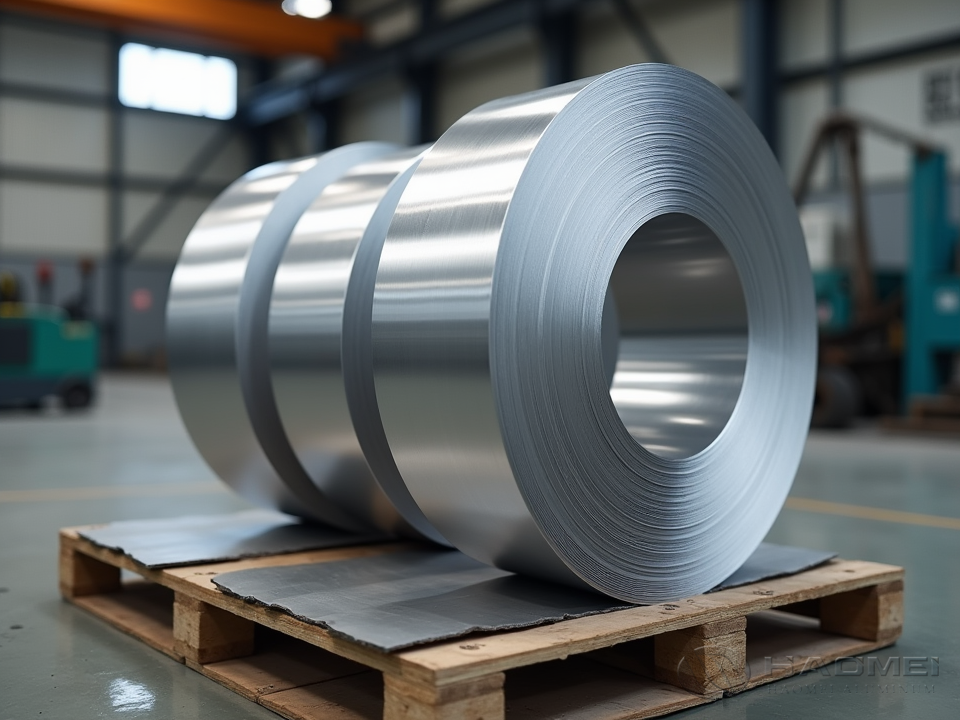
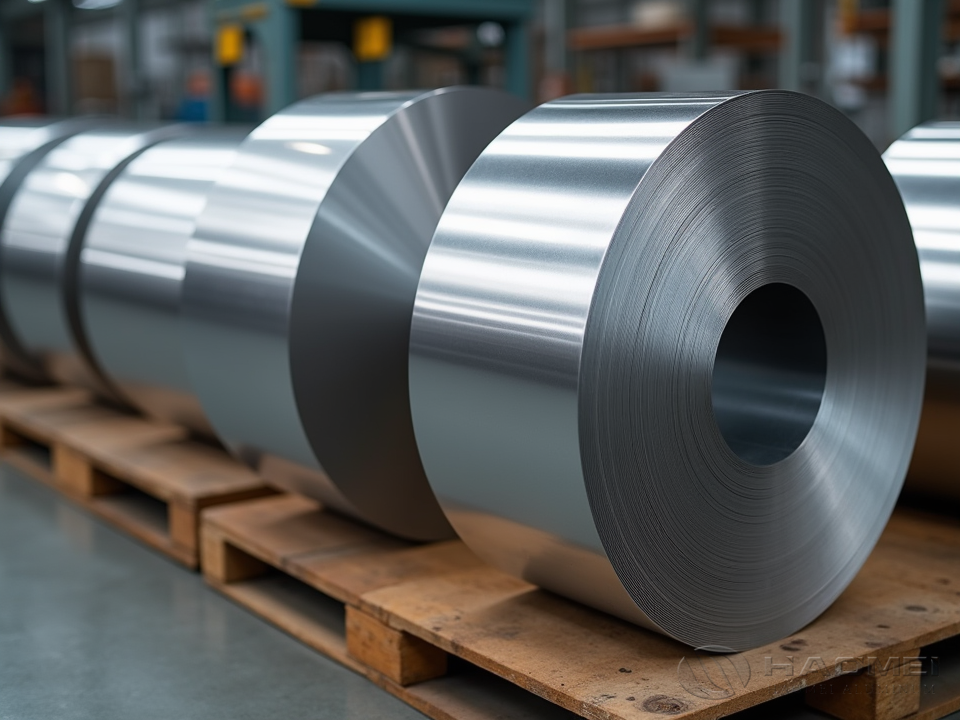
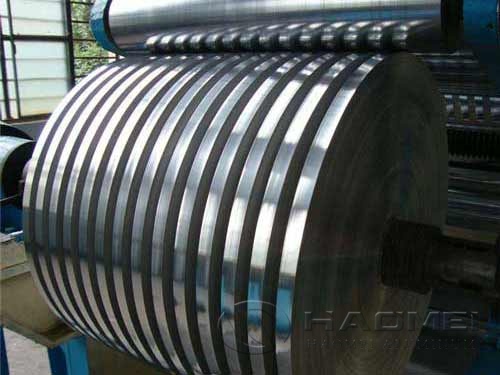
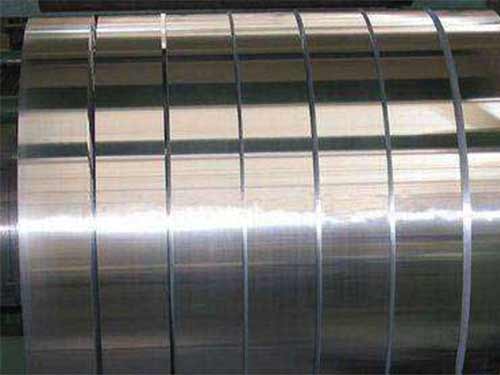
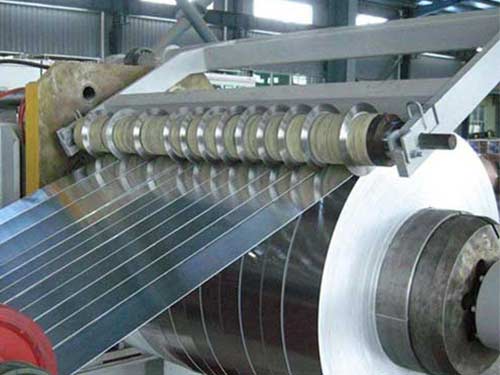
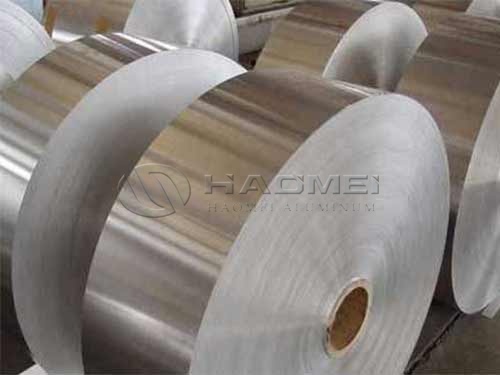
Aluminum strip is commonly supplied in coil form for continuous processing or as cut sheets for short-run fabrication. Slitting quality matters in channel and heatsink production because burrs may interfere with roll-forming dies, insulation films, powder coating, or assembly fits.
| Parameter | Typical Supply Range | Notes |
|---|---|---|
| Thickness | 0.20-6.00 mm | Thin gauges suit folded channels; heavier gauges suit bases and structural housings |
| Width | 10-1,600 mm | Narrow slit coils support automated profile lines |
| Coil inner diameter | 150 mm, 300 mm, 400 mm, 500 mm, 508 mm | Selected to match processing equipment |
| Coil outer diameter | Up to approximately 2,000 mm | Depends on width, thickness, and coil weight limits |
| Surface finish | Mill finish, brushed, anodized, coated, laminated | Selected for appearance, insulation, corrosion protection, or reflectivity |
| Edge condition | Mill edge, slit edge, deburred edge | Deburred edges improve safe handling and coating results |
| Flatness | By agreement and applicable standard | Important for thermal contact plates and precision panels |
Standards and Quality Controls
Reliable enclosure and heatsink material starts with controlled chemistry, gauge tolerance, edge quality, and surface inspection. Standards may vary by market, application, and customer drawing.
| Standard | Scope | Typical Relevance |
|---|---|---|
| ASTM B209 / B209M | Aluminum and aluminum-alloy sheet and plate | Mechanical properties, dimensions, material supply requirements |
| EN 485 | Tolerances and mechanical properties for wrought aluminum products | European dimensional and temper reference |
| EN 573 | Chemical composition and alloy designation | Alloy chemistry verification |
| GB/T 3880 | Aluminum and aluminum-alloy sheets and strips | Chinese material and tolerance requirements |
| RoHS | Restriction of hazardous substances | Electronics and lighting enclosure compliance |
| REACH | Chemical substance compliance | Material declaration for regulated markets |
Fabrication Guidance for Better Results
For heatsink aluminum strip, thermal performance depends on more than alloy conductivity. A clean, flat contact surface, appropriate thermal interface material, adequate mounting pressure, and sufficient exposed cooling area all influence heat transfer. Anodizing improves corrosion and appearance, but a thick anodic layer slightly increases thermal resistance at direct contact points. Where maximum heat flow is required, masked contact zones, machined interfaces, or conductive coatings may be considered.
For enclosure channels, form with the grain direction in mind, especially for H14, H18, H34, and T6 tempers. Use a bend radius suited to the selected alloy and thickness. Protective film can prevent scratches during roll forming, punching, brushing, and assembly. Specify width tolerance, burr direction, coil orientation, and surface acceptance criteria before production when parts must fit plastic diffusers, PCB assemblies, seals, or mating extrusions.
Aluminum enclosure channel housing heatsink aluminum strip delivers a practical route to lightweight, durable, thermally effective components. With the right alloy, temper, finish, and dimensional control, it supports efficient fabrication from coil to finished electronic housing or cooling structure.